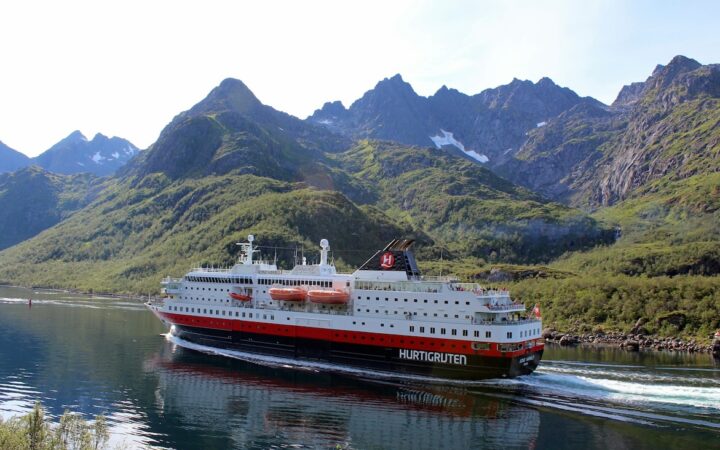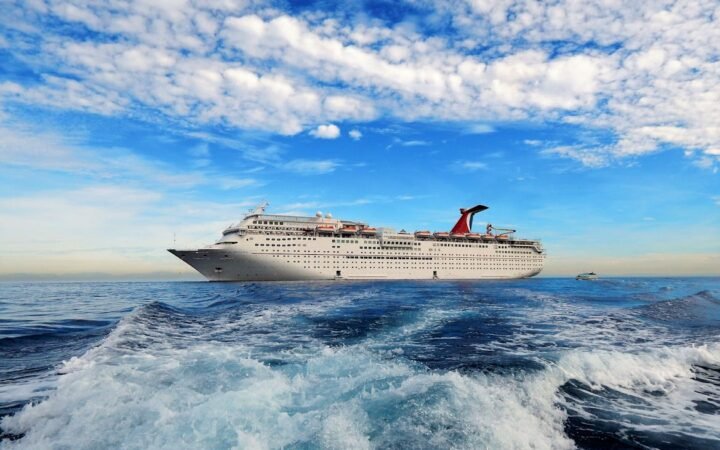
Recent outbreaks of hantavirus and norovirus aboard cruise ships have revived familiar questions about health risks at sea, but they do not appear to be slowing the industry’s momentum. Cruise lines and travel sellers still expect demand to remain strong this year, with the Cruise Lines International Association forecasting 38.3 million ocean-going passengers, up from last year’s record 37.2 million.
The renewed attention follows a hantavirus outbreak tied to the MV Hondius, where three passengers died, and a separate norovirus outbreak aboard a British cruise ship in Bordeaux. These cases arrived after years of heightened public awareness around shipboard illness, from norovirus incidents to the Diamond Princess COVID-19 outbreak in 2020. Yet cruise travelers appear to be responding differently today than they did during the pandemic’s peak.
Part of that resilience comes from how cruises are booked. Many passengers commit six months to a year in advance, meaning short-term news cycles rarely change immediate sailing plans. Refund windows may also have passed by the time headlines emerge. But the stronger explanation is that experienced cruisers often view outbreaks as isolated risks rather than reasons to abandon the category.
Why Ships Remain Vulnerable to Outbreaks
Cruise ships are sometimes described as floating cities, and that design helps explain why illness can spread quickly on board. Thousands of people share restaurants, theaters, elevators, corridors, pools, spas, cabins, buffets and entertainment venues for days at a time. Crew members also live and work in the same enclosed environment, creating more pathways for infection to move through the ship.
Different pathogens exploit different parts of that environment. Norovirus spreads through contaminated surfaces, shared utensils, food handling and close contact, making buffets and high-touch areas especially important. Respiratory viruses such as flu or COVID-19 can move through crowded indoor spaces, particularly when ventilation is limited. Legionnaires’ disease can emerge from contaminated water systems, such as hot tubs or showers. Hantavirus outbreaks on ships are rare, but the recent MV Hondius case showed how unusual infections can become difficult to recognize quickly in a shipboard setting.
Medical facilities on cruise ships are also limited compared with hospitals on land. They can provide first aid, basic treatment and short-term care, but mass outbreaks are harder to manage at sea. Diagnosis can be especially challenging when symptoms resemble common viral illness or when a rare pathogen is involved. That makes early reporting, isolation, cleaning and communication central to outbreak control.
Why Travelers Keep Booking Cruises
Despite those risks, the cruise product remains compelling. Cruises bundle lodging, meals, entertainment, transportation and multiple destinations into one fare, often at a lower total cost than a land-based vacation with comparable components. That value proposition is especially attractive as airfare and hotel rates remain high in many destinations.
Demand is also broadening. Younger travelers and families are showing stronger interest in cruising, while cruise lines continue adding shorter, more affordable itineraries to attract budget-conscious passengers. At the same time, operators are investing in new ships, new ports and more elaborate onboard attractions, signaling confidence that demand will continue growing.
The industry also benefits from the perception that most voyages pass without incident. Norovirus reports may receive attention because ships must disclose outbreaks once illness reaches certain thresholds, but many passengers understand that such reporting makes cruise outbreaks more visible than comparable illnesses in hotels, resorts or theme parks.
For travelers, sensible precautions still matter. Handwashing with soap and water, staying current on routine vaccines, reporting symptoms early, avoiding shared dining areas when unwell and carrying travel insurance can reduce risk. Older adults, pregnant travelers and people with health conditions may also want medical advice before sailing.
The latest outbreaks are a reminder that cruise ships can never fully eliminate infection risk. But they also show how durable cruise demand has become. For now, travelers appear to be weighing the risks against the value, convenience and experience of cruising – and still choosing to sail.
Disclaimer: TravelCapybara is an independent media brand owned and operated by NuvexMedia LLC, publishing travel news, destination guides, research, and insights. NuvexMedia LLC may invest in or collaborate with companies across the travel, hospitality, technology, and digital media sectors. These relationships do not influence TravelCapybara’s editorial coverage. While we strive for accuracy, travel requirements, prices, schedules, availability, and local conditions may change without notice. Readers should independently verify information before making travel or purchasing decisions. This content is for informational purposes only and does not constitute professional advice. © 2026 NuvexMedia LLC. All rights reserved.