Call it a Book-cation, a readaway or simply a reading trip. Literary travel is having a moment as readers increasingly turn books, authors, hotel libraries and literary festivals into reasons to plan a vacation. What was once a niche corner of cultural tourism is becoming a broader travel trend, shaped by people who want slower trips, more personal themes and time to read without the interruptions of daily life.
According to Skyscanner research cited in recent travel trend coverage, 55% of users have considered or would consider traveling somewhere because of a book. That figure captures a shift in how travel inspiration works. A trip no longer has to begin with a beach, museum or restaurant list. It can begin with a novel, a favorite author, a fictional setting or the simple desire to spend several days reading somewhere beautiful.
The rise of literary travel also reflects the strength of book culture more broadly. Book clubs, online reading communities, author podcasts, romance festivals and viral recommendations have helped turn reading into a social identity as much as a private hobby. Travel companies and hotels are now responding with retreats, themed stays and programming designed specifically for readers.
From Literary Festivals to Hotel Libraries
Modern literary travel can take many forms. Some travelers plan trips around real places tied to books, such as Bath for Jane Austen, Dublin for Sally Rooney, Nantucket for Elin Hilderbrand or the Amalfi Coast for Rebecca Serle. Others choose destinations that match the feeling of a book, even if the setting is not literal. A mountain village, coastal resort or countryside inn can become part of the reading experience if it fits the mood of the story.
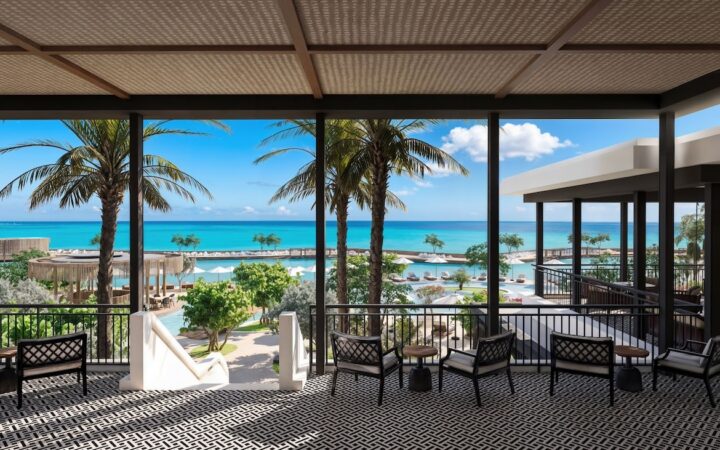
Hotels are increasingly part of the trend. Resort book clubs, curated hotel libraries, author talks and podcast recordings are giving readers new reasons to book specific properties. Scribner’s Lodge in the Catskills has hosted book club-style programming, while The Bookhouse Hotel in Pennsylvania is built around books as part of the stay itself. At Grand Hyatt Baha Mar in Nassau, book-related programming has shown how a beach resort can connect reading, author culture and leisure travel.
Tour companies are also building around the idea. Reading retreats from operators such as Forest & Fawn, Page Break, Book Huddle and Ladies Who Lit offer structured ways to travel with books at the center. Some focus on contemporary fiction, others on fantasy, community or international escapes. The common thread is that the itinerary leaves space for reading, conversation and rest.
Why Readers Want Slower Trips
The appeal of literary travel is partly about permission. Many travelers return from busy vacations feeling as if they need another break. A reading-focused trip reverses that logic. Instead of overloading the schedule, it builds the itinerary around quiet time, good settings and fewer obligations.
That makes the trend a natural fit with slow travel, solo travel and wellness-focused escapes. A traveler can plan a literary trip alone, with friends or as part of a group retreat. The destination matters, but the rhythm matters just as much: morning coffee with a book, an afternoon by the pool, an evening discussion, a visit to a local bookshop or a festival event.
For destinations, the trend offers a way to attract visitors beyond traditional sightseeing. Literary festivals can extend stays, independent bookstores can become itinerary stops, and hotels can use reading spaces as part of their identity. For travelers, books add emotional context to a place before they even arrive.
The Book-cation label may be playful, but the market behind it is serious. Readers are looking for trips that feel personal, restorative and connected to interests they already have. For many of them, the next great escape may start not with a destination search, but with the book already on their nightstand.
Disclaimer: TravelCapybara is an independent media brand owned and operated by NuvexMedia LLC, publishing travel news, destination guides, research, and insights. NuvexMedia LLC may invest in or collaborate with companies across the travel, hospitality, technology, and digital media sectors. These relationships do not influence TravelCapybara’s editorial coverage. While we strive for accuracy, travel requirements, prices, schedules, availability, and local conditions may change without notice. Readers should independently verify information before making travel or purchasing decisions. This content is for informational purposes only and does not constitute professional advice. © 2026 NuvexMedia LLC. All rights reserved.