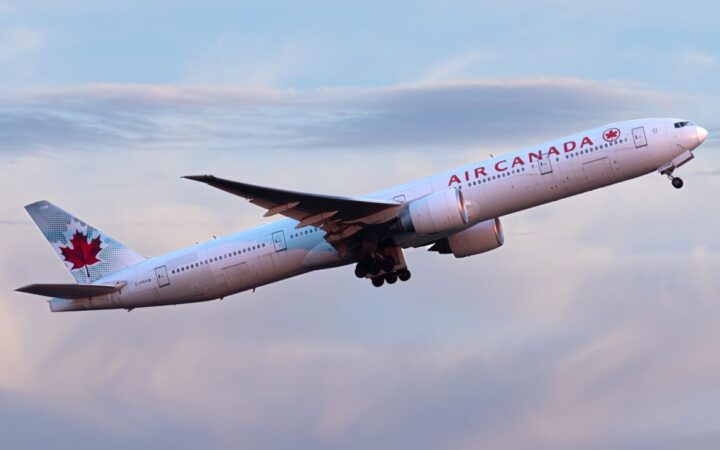
Air Canada is unlocking billions of dollars from Aeroplan without giving up control of the loyalty program, in a deal that shows just how valuable airline points businesses have become.
An investor group led by Blackstone and La Caisse will invest C$2.5 billion, approximately US$1.8 billion, for a 25% non-controlling stake in Aeroplan. The transaction values the entire loyalty program at C$10 billion, or roughly US$7.2 billion.
PSP Investments and British Columbia Investment Management Corporation are also participating in the investor group. Air Canada will retain the remaining 75% and continue controlling Aeroplan’s strategy, operations and day-to-day management.
For Aeroplan members, the airline says nothing is changing as a result of the transaction. Points, partnerships and the customer experience will continue under Air Canada’s management.
Why Aeroplan Is Worth Billions
The deal highlights how loyalty programs have evolved from marketing tools into valuable standalone businesses.
Aeroplan generates value not only when passengers fly Air Canada but through partnerships with banks, credit cards, retailers and other travel companies. Consumers collect and redeem points across a much wider ecosystem, creating recurring revenue that can be attractive to investors even when the underlying airline industry faces volatile fuel prices and economic cycles.
That explains why institutional investors are willing to assign Aeroplan a C$10 billion valuation while taking only a minority position with no operational control.
Air Canada also retains the right to repurchase the investors’ stake between the fifth and eighth anniversaries of the transaction under an agreed pricing formula.
Air Canada Is Using Aeroplan to Strengthen Its Balance Sheet
The timing is important for the airline itself.
Air Canada plans to use part of the proceeds to repay an upcoming US$1.2 billion bond maturity, reducing gross debt without drawing down its existing cash reserves. Most of the remaining proceeds are expected to support accelerated share repurchases, including a proposed issuer bid of up to C$800 million.
The airline is also trying to move closer to an investment-grade credit rating. Fitch changed its outlook on Air Canada to positive following the Aeroplan transaction, while maintaining its BB issuer rating.
The deal comes as Air Canada faces higher operating costs, particularly from fuel. The carrier recently reduced its 2026 adjusted profit outlook as elevated jet fuel prices continued to pressure expenses.
At the same time, demand remains relatively strong. Air Canada expects one of its better fall travel periods, supported by improving corporate travel and less pronounced seasonal swings in passenger demand.
That combination makes Aeroplan especially useful financially. Instead of selling aircraft or raising conventional debt, Air Canada is monetizing part of an asset built around customer loyalty while keeping the majority of its future upside.
For the wider airline industry, the transaction sends a clear message: frequent-flyer points are no longer simply a reward for passengers. In some cases, the loyalty business behind them may be worth almost as much attention as the airline itself.
Disclaimer: TravelCapybara is an independent media brand owned and operated by NuvexMedia LLC, publishing travel news, destination guides, research, and insights. NuvexMedia LLC may invest in or collaborate with companies across the travel, hospitality, technology, and digital media sectors. These relationships do not influence TravelCapybara’s editorial coverage. While we strive for accuracy, travel requirements, prices, schedules, availability, and local conditions may change without notice. Readers should independently verify information before making travel or purchasing decisions. This content is for informational purposes only and does not constitute professional advice. © 2026 NuvexMedia LLC. All rights reserved.