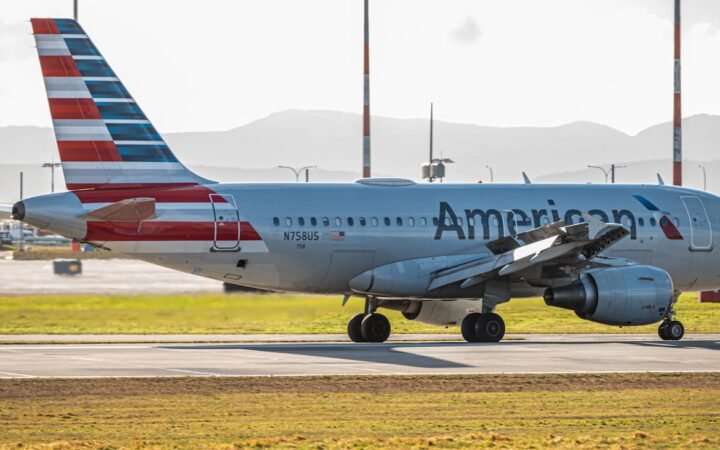
American Airlines is preparing for what it expects to be the busiest summer travel season in its history, projecting 75 million passengers across 750,000 flights between May 21 and September 8. The forecast would surpass the airline’s previous summer record set in 2019, before the pandemic reshaped travel demand, airline staffing and network planning across the industry.
The projection comes as American marks its centennial year and as U.S. carriers face a complicated operating environment. Leisure demand remains strong, especially for peak summer dates, but airlines are also navigating higher jet fuel prices, aircraft delivery constraints and wider economic uncertainty linked to the Iran war. Against that backdrop, American is trying to show it can handle record volume while still investing in future capacity.
The airline expects its busiest day to be Friday, July 17, when it plans to operate 6,995 flights. Friday, July 10, is expected to be close behind, with 6,991 flights. Across the season, American says roughly five flights carrying about 500 customers will depart every minute, a measure of both the scale of demand and the pressure on the carrier’s operational systems.
American is also expanding its route map. From Philadelphia, the airline is adding service to Budapest and Prague, strengthening the hub’s role in transatlantic travel. Other new long-haul routes include Dallas-Fort Worth to Athens and Zurich, and Miami to Milan. The carrier said its top non-hub destinations for the summer are Orlando, London Heathrow and Boston, showing the continued strength of theme park travel, transatlantic demand and major domestic city pairs.
Fleet Funding Meets Summer Demand
American’s summer forecast comes shortly after the carrier moved to raise $1.14 billion through aircraft-backed securities. The funds are expected to support at least 17 new aircraft and refinance loans tied to 15 existing planes. The move gives American more financial flexibility at a time when airlines are trying to balance fleet renewal with cost discipline.
The carrier has also reduced its Airbus A321XLR order from 50 aircraft to 40, a reminder that even large airlines are adjusting fleet plans as fuel costs, demand patterns and aircraft availability shift. Long-range narrowbody jets remain important for future international growth, but carriers are becoming more selective about timing and capital commitments.
Operationally, American says it has spent the offseason preparing aircraft, facilities and staffing for summer pressure. The airline has also made scheduling changes at key hubs. At Dallas-Fort Worth, a redesigned 13-bank schedule is intended to reduce delays, missed connections and gate changes. In Philadelphia, American has reshaped its afternoon transatlantic schedule to offer more options while easing congestion and improving on-time performance.
The strategy reflects a broader lesson from recent years: record demand is only valuable if airlines can run reliably. Travelers have become less tolerant of disruption, especially during expensive summer trips, and carriers are increasingly judged on whether their schedules are realistic.
For American, the coming summer will test both its recovery from the pandemic and its ability to grow in a more volatile aviation market. Strong passenger numbers may confirm that demand remains resilient, but fuel prices and fleet costs will determine how much of that demand translates into durable profitability.
Disclaimer: TravelCapybara is an independent media brand owned and operated by NuvexMedia LLC, publishing travel news, destination guides, research, and insights. NuvexMedia LLC may invest in or collaborate with companies across the travel, hospitality, technology, and digital media sectors. These relationships do not influence TravelCapybara’s editorial coverage. While we strive for accuracy, travel requirements, prices, schedules, availability, and local conditions may change without notice. Readers should independently verify information before making travel or purchasing decisions. This content is for informational purposes only and does not constitute professional advice. © 2026 NuvexMedia LLC. All rights reserved.