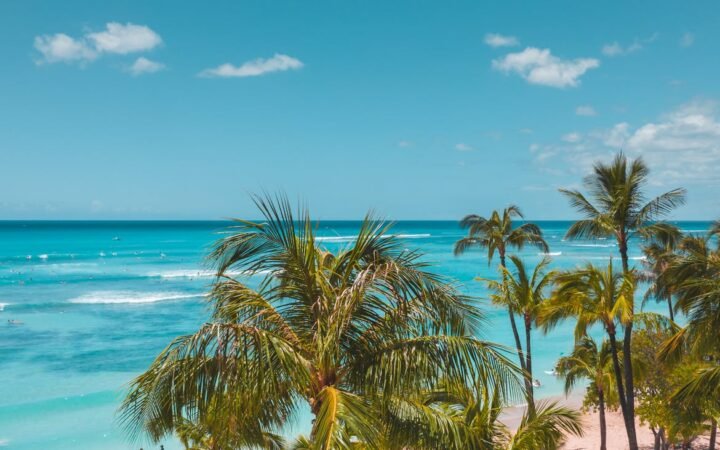
Meliá Hotels International expects Spain and the Caribbean to benefit from a shift in summer travel patterns as conflict in the Middle East redirects demand toward destinations seen as more stable and accessible. Spain’s largest hotel group said bookings at its luxury resorts and urban hotels in Spain are running in double digits ahead of last year, giving the company a stronger outlook as the peak summer season begins.
Chief Executive Gabriel Escarrer told shareholders that Spain and the Caribbean are far enough from conflict zones, while still close enough to major source markets, to function as safe-haven destinations this summer. The comment reflects a wider pattern emerging across travel markets: many consumers are not canceling vacations outright, but they are changing where they go.
For hotel groups with large exposure to Mediterranean and Caribbean leisure markets, that shift could support occupancy, pricing and revenue per available room through the summer. Meliá said it expects high single-digit revenue per room growth during the second quarter, a key period that follows Easter and leads into the broader European holiday season. The company also told shareholders it expects earnings before interest, tax, depreciation and amortization of at least 565 million euros this year, up from 545 million euros in 2025.
The outlook highlights how geopolitical risk can quickly reshape tourism flows. Destinations perceived as distant from instability may gain demand even when the broader travel environment remains uncertain. Spain, southern Europe and parts of the Caribbean offer a familiar combination for European travelers: strong air links, established resort infrastructure and a sense of relative distance from the conflict zone.
Still, Escarrer cautioned that the short-term benefit should not be mistaken for lasting certainty. He described the immediate impact of the war on travel redirection as temporary and warned that international trade uncertainty is unusually high. That caution matters for hospitality companies because strong summer bookings can be offset by higher operating costs, weaker consumer sentiment or rising airfares if energy prices remain elevated.
Air ticket prices are one of the key risks. If the Iran war continues to push up fuel costs, airlines may face more pressure to raise fares or adjust capacity. That could limit travel demand later in the season, especially among price-sensitive leisure travelers. It could also affect long-haul markets that depend on affordable air access.
For now, Meliá’s forecast suggests that travel demand remains resilient, but increasingly selective. Travelers still want summer trips, yet they are favoring destinations that feel predictable, well connected and removed from geopolitical disruption. For Spain, that could mean another strong season for hotels, resorts and urban properties. For the wider tourism industry, it is another reminder that the future of travel may depend as much on perceived safety and energy stability as on beaches, cities and hotel brands.
Disclaimer: TravelCapybara is an independent media brand owned and operated by NuvexMedia LLC, publishing travel news, destination guides, research, and insights. NuvexMedia LLC may invest in or collaborate with companies across the travel, hospitality, technology, and digital media sectors. These relationships do not influence TravelCapybara’s editorial coverage. While we strive for accuracy, travel requirements, prices, schedules, availability, and local conditions may change without notice. Readers should independently verify information before making travel or purchasing decisions. This content is for informational purposes only and does not constitute professional advice. © 2026 NuvexMedia LLC. All rights reserved.