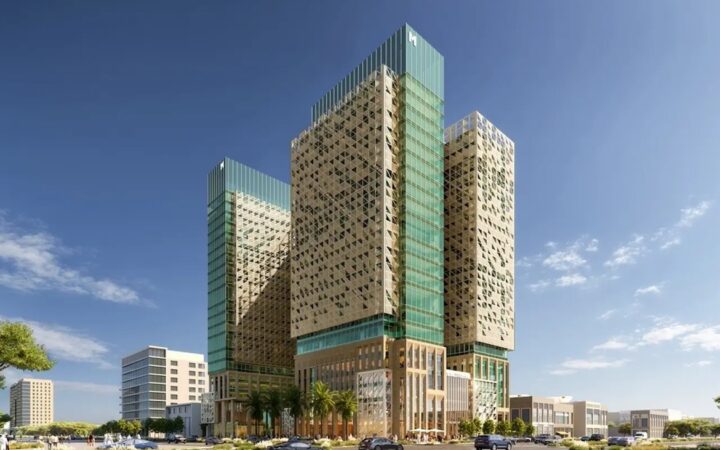
Marriott International is deepening its Saudi Arabia expansion through a new agreement with local developer Blacksand to build 10 hotels across the kingdom over the next four years. The multi-brand deal will add more than 1,300 rooms and broaden Marriott’s presence across several hospitality segments as Saudi Arabia continues to scale up its tourism and urban development ambitions.
The planned properties will span luxury, premium, select and extended-stay categories. Brands expected to be part of the portfolio include St. Regis Hotels & Resorts, Marriott Hotels, Autograph Collection, Moxy Hotels, Courtyard by Marriott, Residence Inn by Marriott and Apartments by Marriott Bonvoy. That range gives Marriott a wider platform in a market where demand is expected to come from business travelers, leisure visitors, long-stay guests and domestic tourism.
The first hotel is expected to open in Riyadh, with additional properties planned across multiple Saudi cities. Projects are currently in design planning and early construction stages, with phased openings scheduled through 2030. Once complete, the 10 hotels are projected to create more than 6,000 full-time jobs, with at least 60% of those roles allocated to Saudi nationals.
The deal is notable because it reflects both Marriott’s confidence in Saudi Arabia and the kingdom’s continuing effort to attract global hospitality brands. Saudi Arabia has made tourism one of the central pillars of its economic diversification strategy, supported by new destinations, infrastructure projects, entertainment development and a growing pipeline of hotels across major cities and emerging leisure markets.
For Marriott, the agreement adds to an existing Saudi portfolio of roughly 50 hotels. It also gives the company room to diversify beyond traditional luxury and corporate travel. St. Regis can support the upper end of the market, while Moxy and Courtyard can appeal to younger, value-conscious and business-focused travelers. Residence Inn and Apartments by Marriott Bonvoy point to demand for longer stays, serviced living and mixed-use urban hospitality.
For Blacksand, the partnership offers access to globally recognized brands and Marriott’s operating scale. The developer has positioned the agreement as a long-term platform rather than a one-off transaction, suggesting more collaboration could follow if the first wave of projects performs well.
The timing matters. Saudi Arabia is trying to increase hotel supply fast enough to match rising tourism targets without creating a mismatch between demand and inventory. Riyadh remains a major business and events hub, while other cities are competing for investment tied to culture, leisure, religious travel and domestic mobility.
The broader story is that Saudi hotel development is no longer limited to a few flagship giga-projects. Major international brands are now spreading across the kingdom’s urban and mixed-use markets. Marriott’s deal with Blacksand shows that the next phase of Saudi hospitality growth may be less about single landmark resorts and more about building a national hotel network at scale.
Disclaimer: TravelCapybara is an independent media brand owned and operated by NuvexMedia LLC, publishing travel news, destination guides, research, and insights. NuvexMedia LLC may invest in or collaborate with companies across the travel, hospitality, technology, and digital media sectors. These relationships do not influence TravelCapybara’s editorial coverage. While we strive for accuracy, travel requirements, prices, schedules, availability, and local conditions may change without notice. Readers should independently verify information before making travel or purchasing decisions. This content is for informational purposes only and does not constitute professional advice. © 2026 NuvexMedia LLC. All rights reserved.