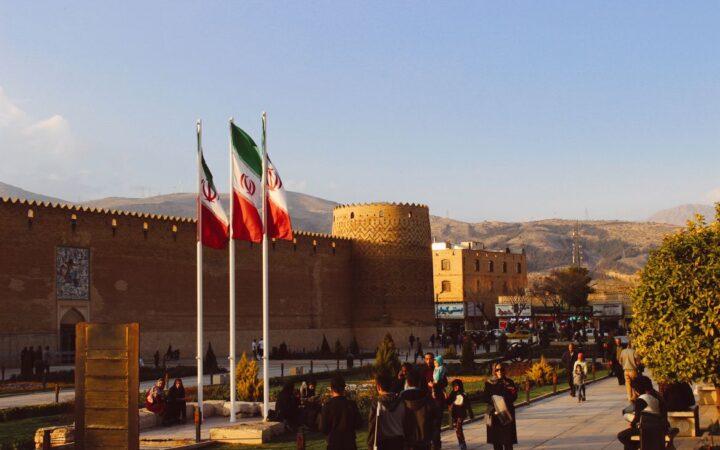
The U.S. State Department is urging Americans to seriously reconsider travel to and through the Middle East, warning that the conflict involving Iran could escalate rapidly. The message applies to travelers planning visits and those using regional airports to connect to destinations elsewhere.
A September 19 security alert from the U.S. Mission to the United Arab Emirates highlighted the possibility of flight cancellations, airspace closures and other travel disruptions. Americans already in the region were advised to exercise heightened vigilance and closely monitor airline and airport operations.
The alert cited hostilities by Iranian-supported Houthis against Saudi Arabia, including attacks involving civilian airports. CNBC reported that the Houthis claimed responsibility for missile and drone attacks, while local authorities had not identified the cause of smoke seen near the capital’s main airport. The claims and the reported airport incident should therefore not be treated as independently confirmed details of the same event.
For passengers, the practical concern extends beyond whether a destination appears on their itinerary. A connection through the region can expose an otherwise unrelated journey to sudden schedule changes. Earlier Middle East disruption across airline networks has already demonstrated how route suspensions and operational changes can affect travel far beyond the immediate conflict zone.
Officials advised travelers to confirm flight status directly with their airline or airport before departure. That check matters for every segment of a connecting journey, since an operating outbound flight does not establish that the onward service will run. Travelers reviewing bookings should also establish what options their airline offers if the itinerary changes.
Americans in the region were urged to avoid demonstrations and large gatherings, monitor local media and follow instructions from local authorities. Those recommendations accompany the aviation warning and remain relevant to people staying in hotels, visiting family or traveling for business.
The State Department also encouraged citizens traveling or living abroad to enroll in the Smart Traveler Enrollment Program, known as STEP. The program provides security updates and helps officials contact enrolled travelers during an emergency. Enrollment supports access to information; travelers still need to follow developments affecting their location and transport arrangements.
The September 19 message is a regional security warning, not an announcement that every airport has closed or that all flights have stopped. It also should not be read as assigning one advisory level to every country. For upcoming trips, the central message is to reassess both the destination and the transit route using current official guidance and airline information.
Disclaimer: TravelCapybara is an independent media brand owned and operated by NuvexMedia LLC, publishing travel news, destination guides, research, and insights. NuvexMedia LLC may invest in or collaborate with companies across the travel, hospitality, technology, and digital media sectors. These relationships do not influence TravelCapybara’s editorial coverage. While we strive for accuracy, travel requirements, prices, schedules, availability, and local conditions may change without notice. Readers should independently verify information before making travel or purchasing decisions. This content is for informational purposes only and does not constitute professional advice. © 2026 NuvexMedia LLC. All rights reserved.