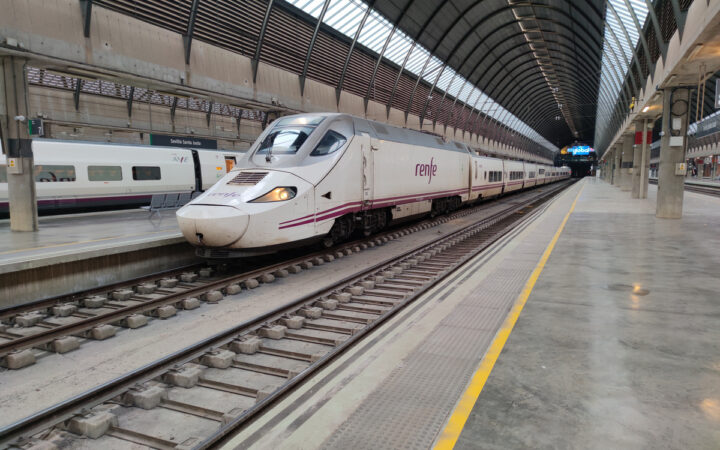
Stay for the Stars: Winter Nights in La Palma and Portugal’s Alentejo
Guided stargazing, volcanic island days and countryside stays offer two different winter holidays in La Palma and Portugal’s Alqueva region.
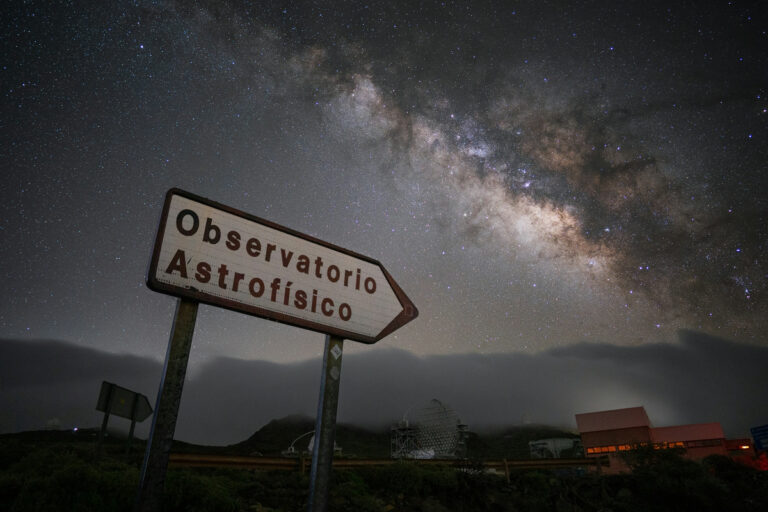
La Palma and Portugal’s Alentejo give a winter holiday an evening focus, with guided astronomy and rewarding days around it. Photo: Sebastian Knoll / Unsplash
Key Notes
- La Palma and Portugal’s Alqueva region offer different settings for a winter astronomy holiday, with enough daytime scenery and local experiences to make a longer stay worthwhile.
- Reserve a guided night-sky session separately from any daytime visit to La Palma’s research observatory, and confirm the observing location, language and transport arrangements.
- Moonlight, seasonal sky changes and weather affect what visitors can see, so choose dates for your interests and allow another possible evening rather than relying on one clear night.
The evening is usually when a holiday starts to wind down. On a stargazing trip, it is the moment you have been waiting for. Dinner finishes, the lights become fewer, and someone who knows the sky points out something you would otherwise have walked beneath without noticing. A constellation becomes recognisable; a faint patch of light turns out to be worth a much longer look.
La Palma, in Spain’s Canary Islands, and the Alqueva area of Portugal’s Alentejo offer two different settings for that experience. One combines volcanic slopes and Atlantic scenery with an island-wide interest in astronomy. The other pairs guided observing with whitewashed villages, a great reservoir and the pleasures of a countryside stay.
Both suit a winter holiday shaped by the night sky, provided the daytime matters too. Rather than pinning an entire trip on one perfect evening, choose somewhere you would enjoy if the clouds stayed. That gives the stars a place in a satisfying holiday, with room for more than a single weather-dependent moment.
La Palma: An Island That Takes the Night Sky Seriously

La Palma makes astronomy feel connected to the landscape. The volcanic slopes, changes in altitude and long views give the island a sense of scale before you have looked through a telescope. After dark, that curiosity can continue upwards.
The island’s tourism information describes a network of astronomy experiences, including guided observing and introductory photography activities. There is no need to arrive with equipment or an existing interest in astrophysics. A good first session gives you a few things to recognise and enough context to make looking rewarding.
Keep two experiences separate when planning. A visit to the research telescopes at Roque de los Muchachos is not the same as a guided evening of stargazing. The Instituto de Astrofísica de Canarias says observatory visits require advance reservations and depend on weather and telescope operations. Spain’s tourism board also notes that the access road to the observatory area closes at night. Do not build an evening around simply driving into a working research site.
For the night-time experience, book an astronomy operator that selects an appropriate observing location. As one concrete example, AstroLaPalma’s guided tour currently lists about two hours of observation, with a longer total outing once travel is included. At the time of checking, adult tickets without transport cost €35; the limited adult transport option costs €55 and must be specifically confirmed.
That is a useful illustration of what to compare, rather than a reason to choose solely on price. Find out where the outing starts, how you will return and whether the observing style suits your group. A shared telescope session with clear explanations can be more memorable than an ambitious photography outing you spend struggling to keep up with.
Give La Palma’s Daylight Hours Equal Attention

The island is a particularly appealing choice if you want several nights away and a change of scenery between them. Build the days around coastal views, a town lunch or a walk appropriate to the conditions, with one reserved astronomy outing early enough in the stay to leave some flexibility afterwards.
A daytime visit to the Roque de los Muchachos visitor centre can give the evening more meaning. Understanding why research telescopes are here makes the landscape interesting in a different way. It also offers a separate experience from standing outside at night trying to identify what is above you.
When choosing accommodation, think about the whole stay. A comfortable coastal base and an organised transfer may suit you better than a remote property reached by a drive you do not want to make after dark. Alternatively, a rural stay can make quiet evenings part of the pleasure, provided access, meals and outdoor lighting work for the holiday you have in mind.
Allow for the difference between daytime comfort and an observing session spent largely standing still. AstroLaPalma explicitly requires warm clothing even in summer, so a winter outing calls for more than the jacket you wore at lunch. Ask the operator about current conditions and transport rather than inferring them from a photograph of a clear sky.
Alqueva: A Countryside Break With an Evening Under the Stars
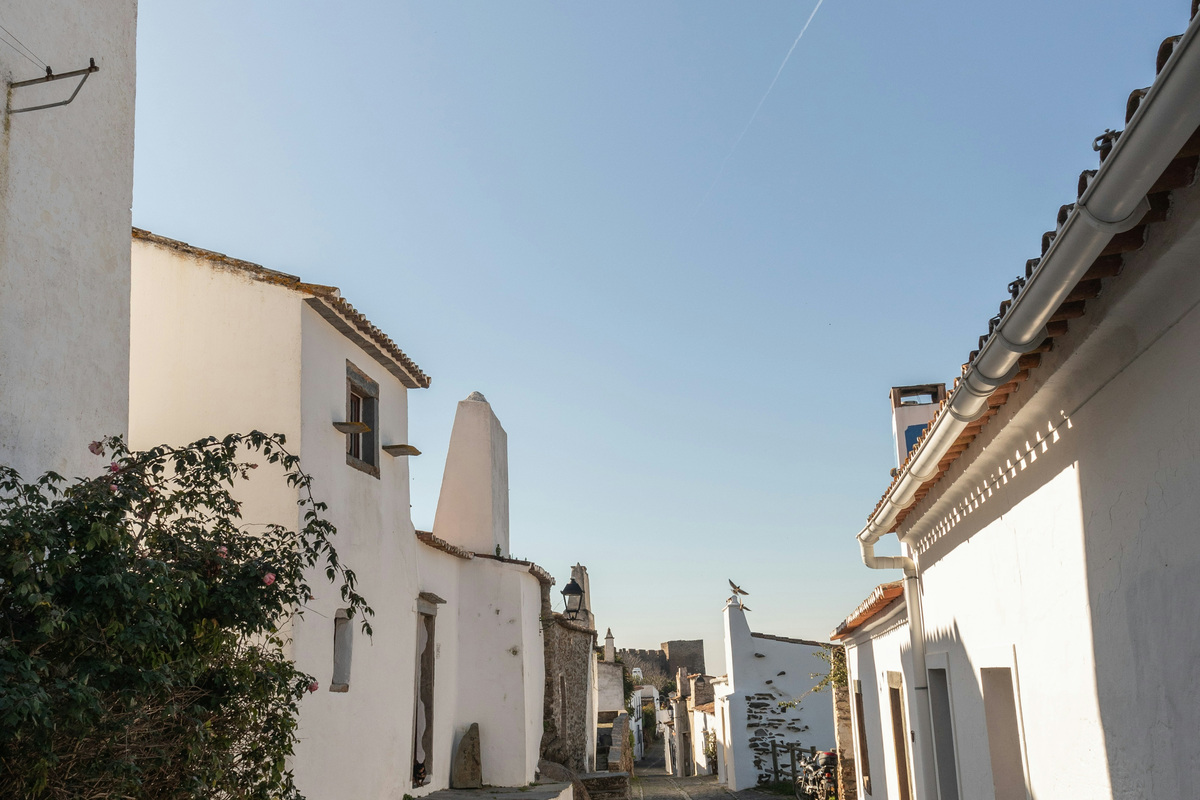
Portugal’s Alentejo offers a different rhythm. Around Monsaraz, the day can belong to a village walk, views across the water and a meal that is allowed to take its time. Astronomy becomes the evening occasion, giving the stay a focus without needing to fill every hour.
The Dark Sky Alqueva observing experience takes place at its official observatory in Cumeada, near Reguengos de Monsaraz. The operator currently describes sessions of approximately 75 minutes, running Tuesday to Saturday with advance booking required. Portuguese- and English-language sessions are offered at alternating times, so confirm the language as well as the date. The listed October-to-April adult price is €25 per person.
There is something appealingly manageable about building a short break around an experience of that length. You can look forward to the evening without turning the whole trip into a technical expedition. The guide and telescope provide the introduction; the surrounding countryside gives you a reason to stay longer.
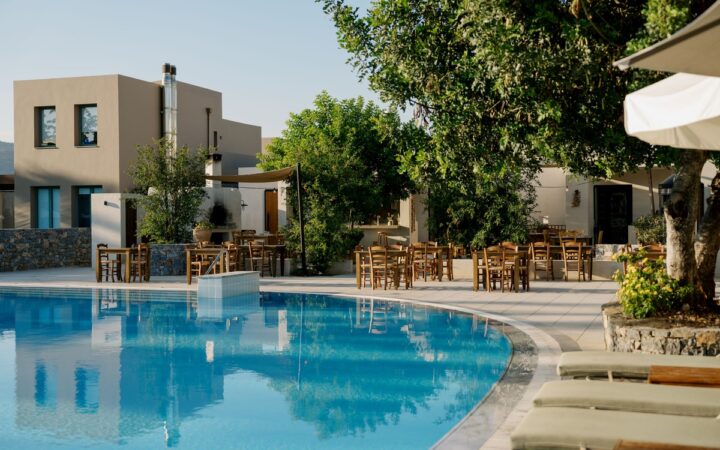
Monsaraz’s historic streets are worth giving their own daylight hours. Portugal’s tourism board highlights the castle, white houses and views over Lake Alqueva, alongside the region’s pottery traditions and local food. Choose a village room or countryside property for the setting you want to return to, then arrange the journey to your booked observing session separately.
This would be our choice for a few nights built around an attractive place to stay, unhurried food and one well-chosen evening activity. Give yourself time to look around before sunset, rather than arriving just in time to leave again for the observatory.
Let the Lake and the Table Shape the Rest of the Stay
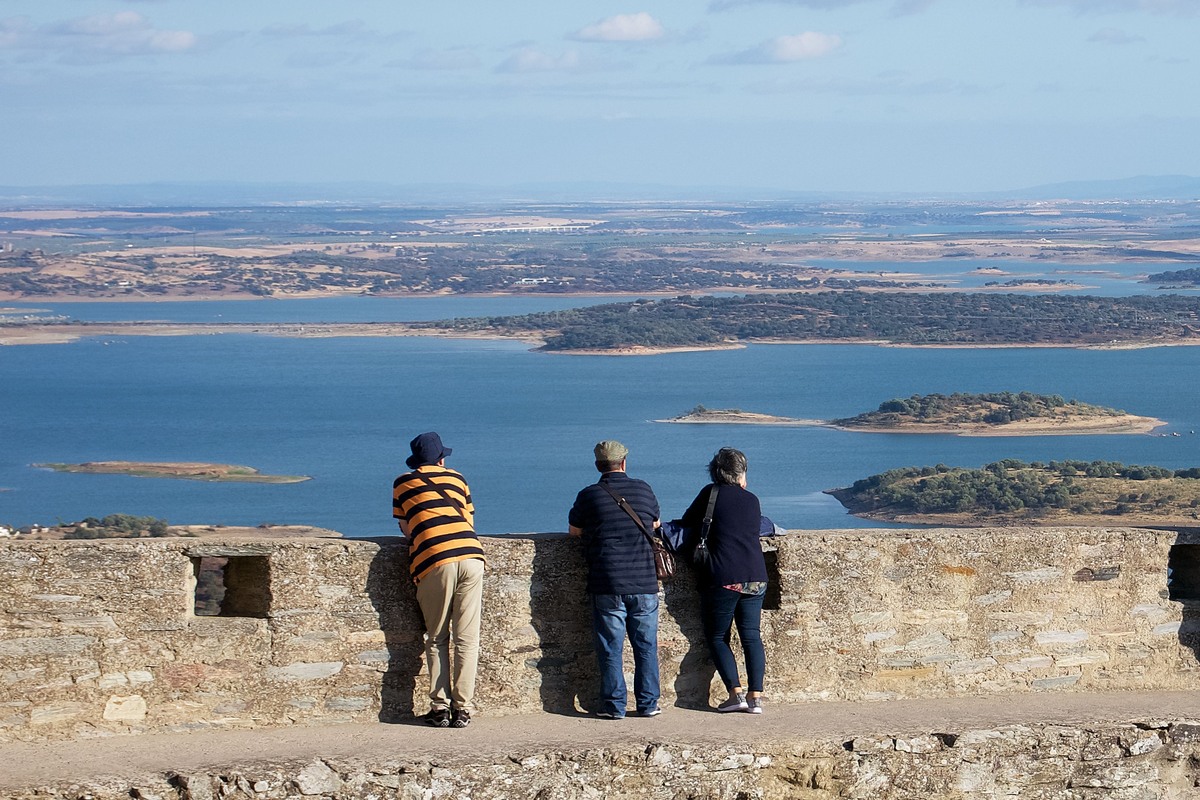
Alqueva’s water changes the feel of the Alentejo landscape. Views open between the settlements and fields, and a short outing can become a reason to stop rather than simply a journey between attractions. In winter, we would start with village walks and viewpoints, choosing other outdoor activities according to the day’s conditions.
The national tourism board’s Alqueva overview brings together the reservoir’s surrounding towns, countryside experiences and regional food. Its suggestions include açorda, migas and Alentejo wines. A long lunch can be as important to this holiday as the hour spent looking through a telescope.
Keep the evening arrangements practical. A remote room may look wonderfully dark in a photograph, but that does not tell you whether dinner is available, whether the terrace lights can be dimmed or how you will get back from Cumeada. Ask about those details when choosing the stay, and agree any taxi or transfer before heading out.
The same principle sits behind our hobby holidays feature: one interest can give a journey its direction without becoming its entire timetable. Here, a good room, local food and a few open hours make the astronomy evening part of somewhere you have begun to enjoy.
Choose Your Dates for the Sky You Want to See
Winter stargazing has an appealing advantage: darkness comes earlier, so an observing session does not always mean waiting until the middle of the night. What is visible still depends on your location, the date and the hour. Longer nights do not guarantee clear weather.
The Moon deserves attention before you book. Moonlight makes faint objects harder to distinguish, while the Moon itself can be a rewarding telescope target. Dark Sky Alqueva advises choosing darker nights for faint-sky observing and adapting the session when the Moon is visible. Tell your guide what interests you instead of treating every available evening as interchangeable.
Nor is a winter sky identical to the summer scene in a photograph. In NASA’s stargazing introduction, the winter view from the Northern Hemisphere is described as looking away from the galaxy’s centre towards the Orion arm. The bright central Milky Way seen in many summer photographs should not be the fixed expectation for a December holiday.
Night-sky photographs also record light differently from your eyes. Treat the images here as illustrations of the destinations’ astronomy appeal, rather than a promise of the colours or detail you will see unaided. Let the guide introduce the sky that is actually there.
For either destination, reserve early enough in the stay to have another possible evening available. Read the weather policy: a rescheduled session, a refund and an indoor astronomy presentation are different outcomes. Alqueva currently offers an optional indoor alternative when telescope observing is not possible, or rescheduling subject to availability.
Which Winter Trip Would We Choose?
Choose La Palma if you want an island holiday with astronomy woven through several days of changing scenery. A daytime visitor-centre experience and a separate night-sky outing make a particularly interesting pairing. It suits travellers who want the stars to open up a wider curiosity about the place.
Choose the Alqueva area if the idea of a village or countryside stay is already appealing. Monsaraz, the reservoir landscape and a table you are happy to linger at give the trip its daytime character; a guided session in Cumeada adds an evening to anticipate.
Neither needs to become a race to see the greatest number of objects. Recognising one constellation, understanding what you have just seen through a telescope and returning to a warm room can be enough. Leave some of the night for simply looking.
Disclaimer: TravelCapybara is an independent media brand owned and operated by NuvexMedia LLC, publishing travel news, destination guides, research, and insights. NuvexMedia LLC may invest in or collaborate with companies across the travel, hospitality, technology, and digital media sectors. These relationships do not influence TravelCapybara’s editorial coverage. While we strive for accuracy, travel requirements, prices, schedules, availability, and local conditions may change without notice. Readers should independently verify information before making travel or purchasing decisions. This content is for informational purposes only and does not constitute professional advice. © 2026 NuvexMedia LLC. All rights reserved.