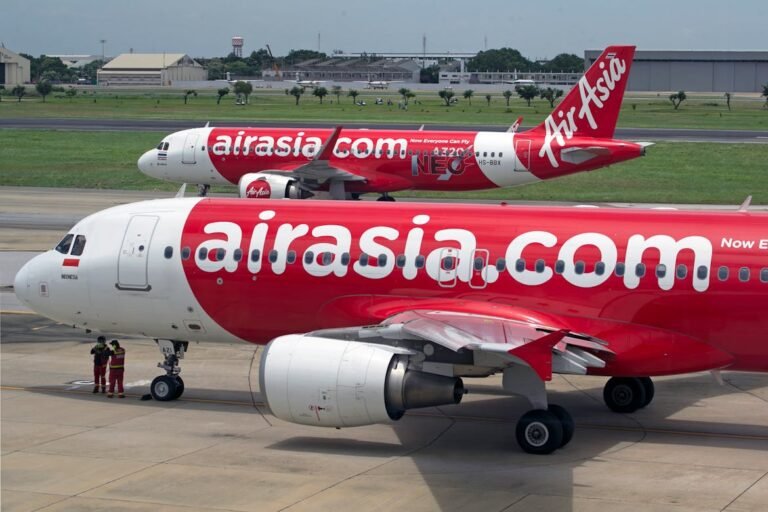
Middle East Crisis: Airlines Raise Fares as Fuel Shock Starts to Reshape Global Schedules
Airlines are raising fares, adding surcharges, and cutting flights as the Middle East conflict drives a sharp rise in jet fuel costs. The pressure is now…
Middle East Crisis covers how geopolitical tensions and armed conflicts across the Middle East affect global travel, aviation, and tourism. The topic tracks the travel impact of the war involving Iran and the wider regional escalation, including disruptions across countries such as Israel, Iraq, Lebanon, Jordan, Syria, and the Gulf states including the United Arab Emirates, Qatar, Bahrain, Kuwait, Oman, and Saudi Arabia. Coverage examines airspace closures, flight cancellations, airport disruptions, security alerts, and shifting travel demand as airlines and governments respond to instability in the region.The crisis has forced multiple countries to close or restrict their airspace, leading to large-scale flight rerouting and thousands of cancellations across key aviation corridors linking Europe, Asia, and Africa. Airlines, airports, tourism boards, and travel companies are adapting operations while travelers reassess plans across the Middle East and neighboring destinations. By centralizing these developments, Middle East Crisis helps readers understand how war in Iran and escalating regional tensions are reshaping global travel patterns and the broader mobility landscape.
Airlines are raising fares, adding surcharges, and cutting flights as the Middle East conflict drives a sharp rise in jet fuel costs. The pressure is now…

Spain is edging toward another tourism milestone as higher fuel costs and geopolitical instability push some travelers toward closer, lower-risk destinations. The upside is clear for…
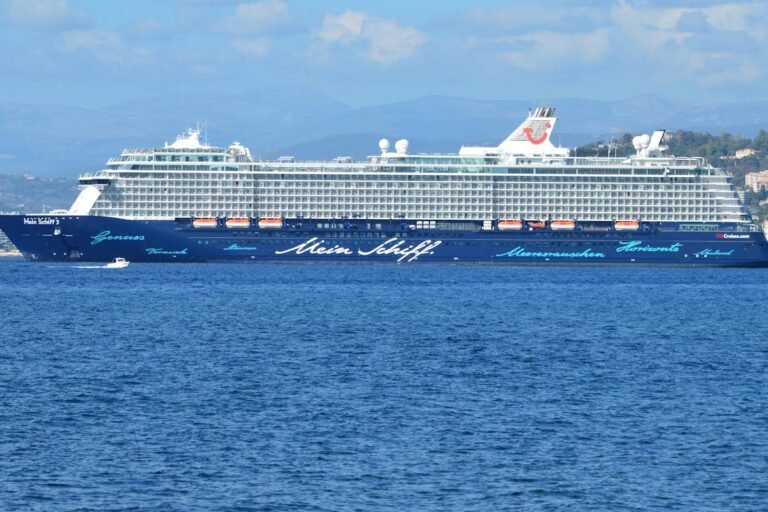
TUI Cruises has canceled more spring sailings after two vessels remained unable to leave the Arabian Gulf. The disruption is now affecting repositioning voyages and early…
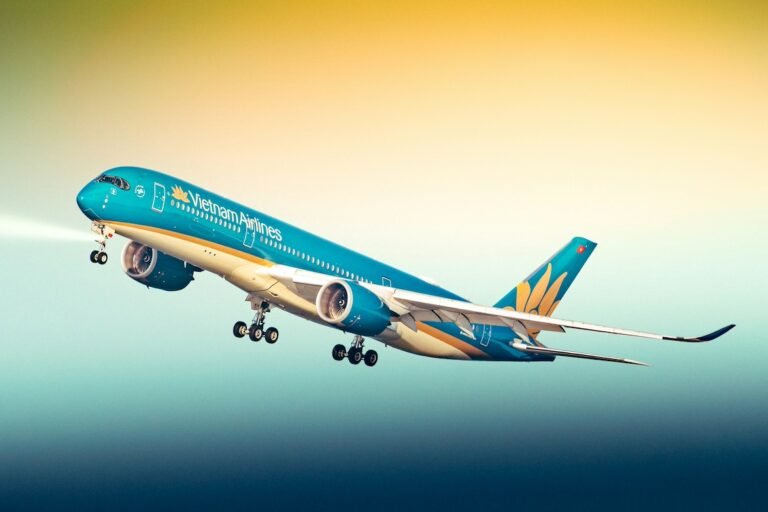
Vietnam’s airlines are trimming flights and weighing surcharges as a jet fuel shortage pressures domestic travel ahead of a busy season.

The Middle East Crisis is reshaping global travel patterns, pushing millions of tourists toward Europe, especially Mediterranean destinations.

Dubai’s Arabian Travel Market 2026 has been moved from May to August as organizers respond to regional instability while maintaining momentum for the global travel event.

European airlines are adding direct long-haul flights to Asia and Africa as travelers avoid Middle Eastern hubs amid ongoing conflict.

Travel demand is shifting away from Gulf destinations as the Middle East conflict drives tourists toward Southern Europe and Mediterranean markets.
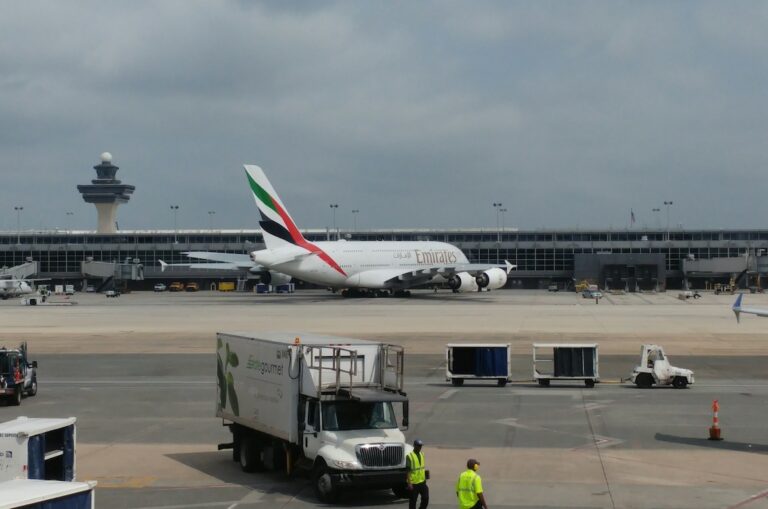
A drone attack near Dubai International Airport has led to a temporary suspension of foreign airlines, disrupting global travel routes.
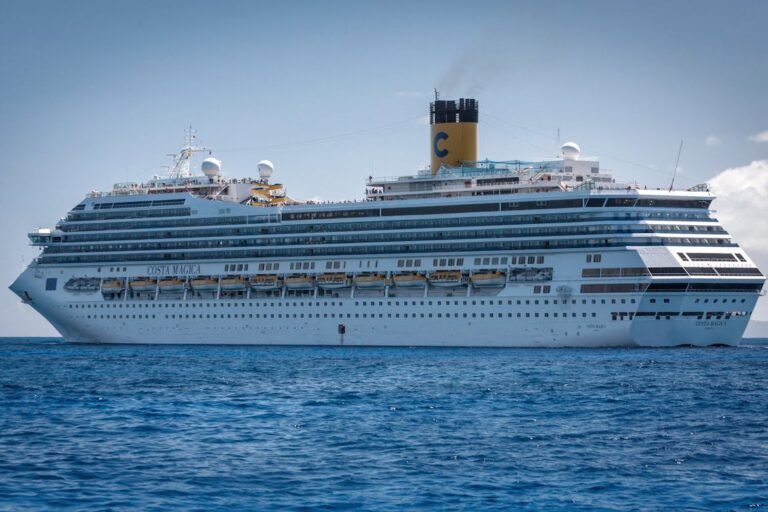
Costa Cruises and AIDA Cruises have cancelled Middle East cruise programs for the 2026–27 winter season, redeploying ships to Europe and Atlantic destinations instead.