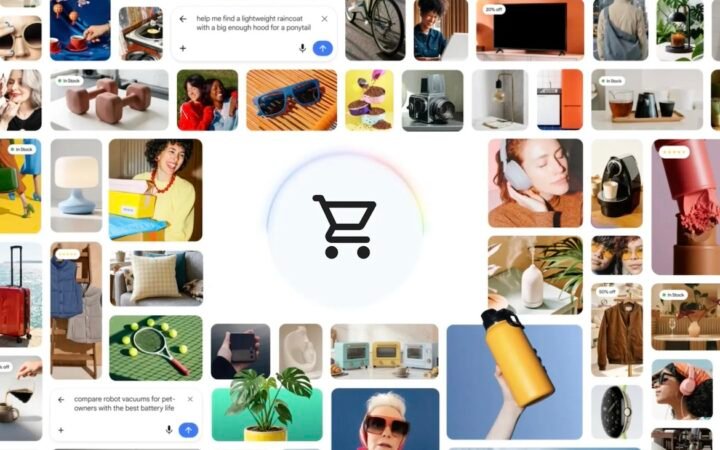
Google is moving deeper into agentic commerce with Universal Cart, a new AI-powered shopping hub designed to follow consumers across Search, Gemini, YouTube and Gmail. Introduced at Google I/O 2026, the feature is built to collect products from multiple merchants in one place, track deals, monitor price drops and help users complete purchases with fewer steps.
The announcement matters beyond retail. Google is also expanding its Universal Commerce Protocol into new categories, including hotel booking and local food delivery, signaling that the same infrastructure used to simplify shopping could soon influence how travelers search, compare and reserve trips. For the travel industry, this is another sign that AI agents are moving from inspiration and planning into transaction.
Universal Cart will first roll out across Search and the Gemini app in the U.S. this summer, with YouTube and Gmail to follow. Participating merchants will include major retail brands and Shopify merchants, while Google says the merchant remains the seller of record even when checkout happens through its systems.
Universal Cart Turns Shopping Into an AI Layer
Universal Cart is designed for how people already shop online: gradually, across devices, platforms and retailers. A user might discover one item in Search, ask Gemini for recommendations, see another product on YouTube and receive a related offer in Gmail. Google wants all of those moments to flow into a single cart.
Once items are added, the cart works in the background. It can surface price history, identify offers, flag items that are back in stock and suggest savings tied to payment methods, loyalty benefits or merchant promotions. Because the system is built on Gemini and Google Wallet, it can also reason through more complex purchase decisions.
One example is a custom PC build. If a shopper adds parts from different retailers, Universal Cart could flag compatibility problems and suggest alternatives before the buyer reaches checkout. That kind of proactive guidance shows how Google wants AI to become more than a recommendation engine. The cart becomes a decision layer.
Hotel Booking Is the Travel Industry Signal
The travel implication is clearest in Google’s expansion of the Universal Commerce Protocol to lodging. UCP is designed as a common language for AI agents, merchants and payment systems, allowing live pricing, availability and checkout to move through agentic flows.
For hotels, that could mean a future where a traveler asks an AI assistant to find a room, compare options, apply loyalty or payment benefits and reserve directly with the property. Google’s lodging documentation emphasizes that the hotel or property would remain the merchant of record, an important distinction for brands concerned about losing control of the booking relationship.
Still, the shift could pressure hotel booking engines, property-management systems and central reservation systems to expose cleaner real-time data. If travelers begin booking through AI-powered surfaces, hotels that are not technically ready may become harder for agents to sell.
The change could also affect online travel agencies. If Google can shorten the path between search, recommendation and checkout, more booking intent may remain inside Google’s ecosystem.
Agent Payments Add Guardrails to AI Purchases
Google is pairing Universal Cart and UCP with its Agent Payments Protocol, or AP2, which is intended to let AI agents make purchases on a user’s behalf within strict limits. A shopper can define approved brands, products and spending caps, and the agent can only complete a purchase if those conditions are met.
AP2 also creates a verifiable record between the user, merchant and payment processor. That matters for travel, where cancellations, refunds, disputes and identity details can be more complicated than a simple product return. A permanent audit trail could help build trust in agentic bookings.
The broader direction is clear. Google is building commerce infrastructure for a world where consumers do not just search and click, but instruct agents to act. Retail is the first visible use case, but hotel booking may be one of the most important tests of whether travelers are ready to let AI move from planning a trip to paying for it.
Disclaimer: TravelCapybara is an independent media brand owned and operated by NuvexMedia LLC, publishing travel news, destination guides, research, and insights. NuvexMedia LLC may invest in or collaborate with companies across the travel, hospitality, technology, and digital media sectors. These relationships do not influence TravelCapybara’s editorial coverage. While we strive for accuracy, travel requirements, prices, schedules, availability, and local conditions may change without notice. Readers should independently verify information before making travel or purchasing decisions. This content is for informational purposes only and does not constitute professional advice. © 2026 NuvexMedia LLC. All rights reserved.