Spend two days exploring Bologna’s market streets, historic arcades and hilltop San Luca, with an optional third day in Modena for traditional balsamic vinegar.
Bologna is easiest to explore between meals. Start in Piazza Maggiore, follow the lanes of the Quadrilatero for market stalls and a first plate of pasta, then work east towards Santo Stefano and the university quarter. Give the second morning to the portico walk up to San Luca. With a third day, take a train to Modena for its cathedral, covered market and a closer look at traditional balsamic vinegar.
Bologna at a Glance
- How long to stay. Two full days cover the historic centre, a museum and San Luca. Add a third for Modena or a longer food-focused stay.
- Where to stay. Choose the historic centre for sightseeing and dinner on foot. Stay closer to Bologna Centrale if early trains or several day trips shape your visit.
- What to book ahead. Reserve the Clock Tower and the Archiginnasio if they are priorities. Book a weekend trattoria and any vinegar-cellar visit before planning your Modena day around them.
- What to pack. Wear comfortable shoes for stone paving and the uphill walk to San Luca. The porticoes provide shelter, but take water and a layer for the exposed hilltop.
Must See in Bologna
Start with Piazza Maggiore and the streets immediately east of it. The basilica, Archiginnasio and Quadrilatero fit into one short walking route, leaving the afternoon for Santo Stefano or a museum. Save San Luca for a separate morning so you can enjoy the climb without rushing back to a timed ticket.
Piazza Maggiore and San Petronio
Walk into the square from Via dell’Indipendenza, passing the Fountain of Neptune on the way. The unfinished façade of San Petronio faces the civic buildings around the square. Inside the basilica, look for the long meridian line set into the floor. Check the visiting arrangements for chapels and religious services before planning a detailed look inside. Basilica details
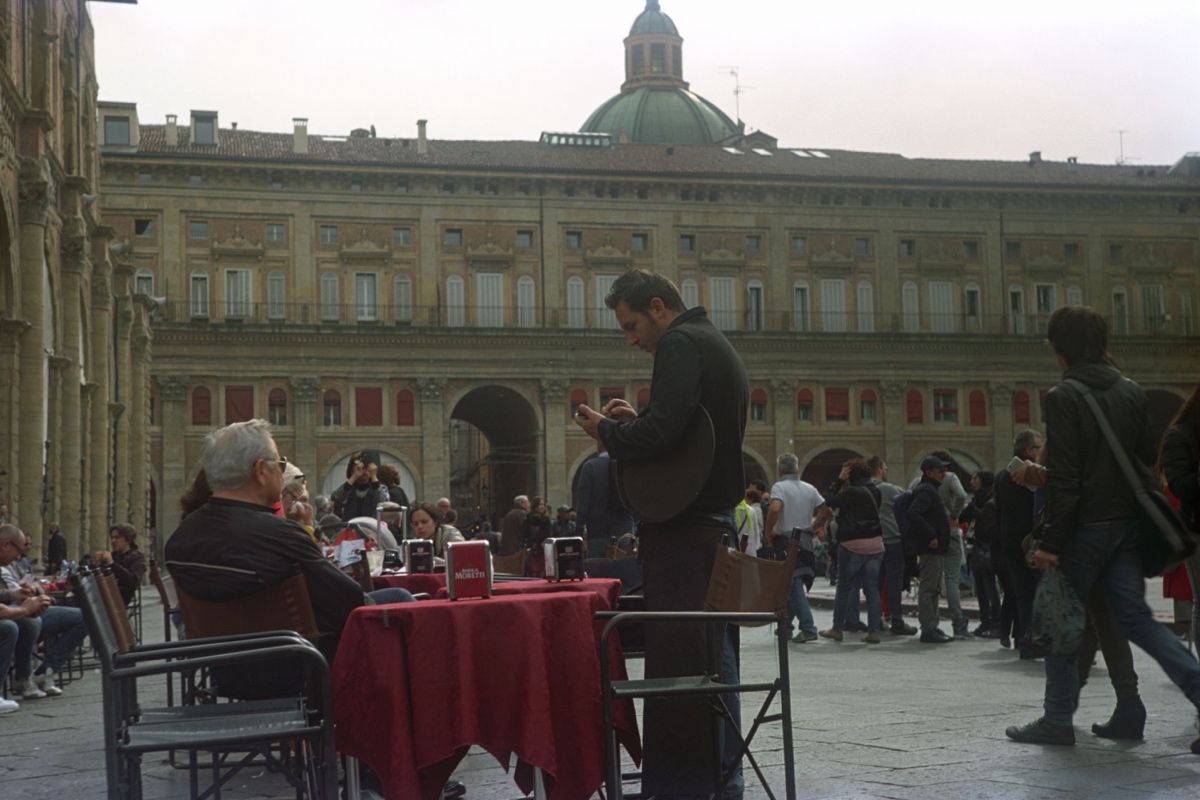
Piazza Maggiore is also a useful meeting point if your group wants different things from the morning. One person can go into the basilica while another sits in the square, and the food streets begin just behind the eastern porticoes. Return in the evening for a different view of the façades and people crossing the square.
The Clock Tower and Palazzo d’Accursio
Book a slot for the Clock Tower in Palazzo d’Accursio if you want to understand the layout from above. You can look across Piazza Maggiore and the rooftops towards the towers and hills. Access to the highest terrace involves a narrow staircase and specific entry rules, including an age restriction. Check those details before booking with children or anyone who finds steep steps difficult. Clock Tower
Quadrilatero and Mercato delle Erbe
From Piazza Maggiore, turn into the narrow streets around Via Pescherie Vecchie and Via Drapperie. The Quadrilatero brings produce stalls, delicatessens and places to stop for a sandwich into a small area. Go earlier for shopping and a look at the stalls, then choose lunch according to what you want to eat. A table outside works well for watching the street, while a trattoria suits a longer pasta lunch. Market streets
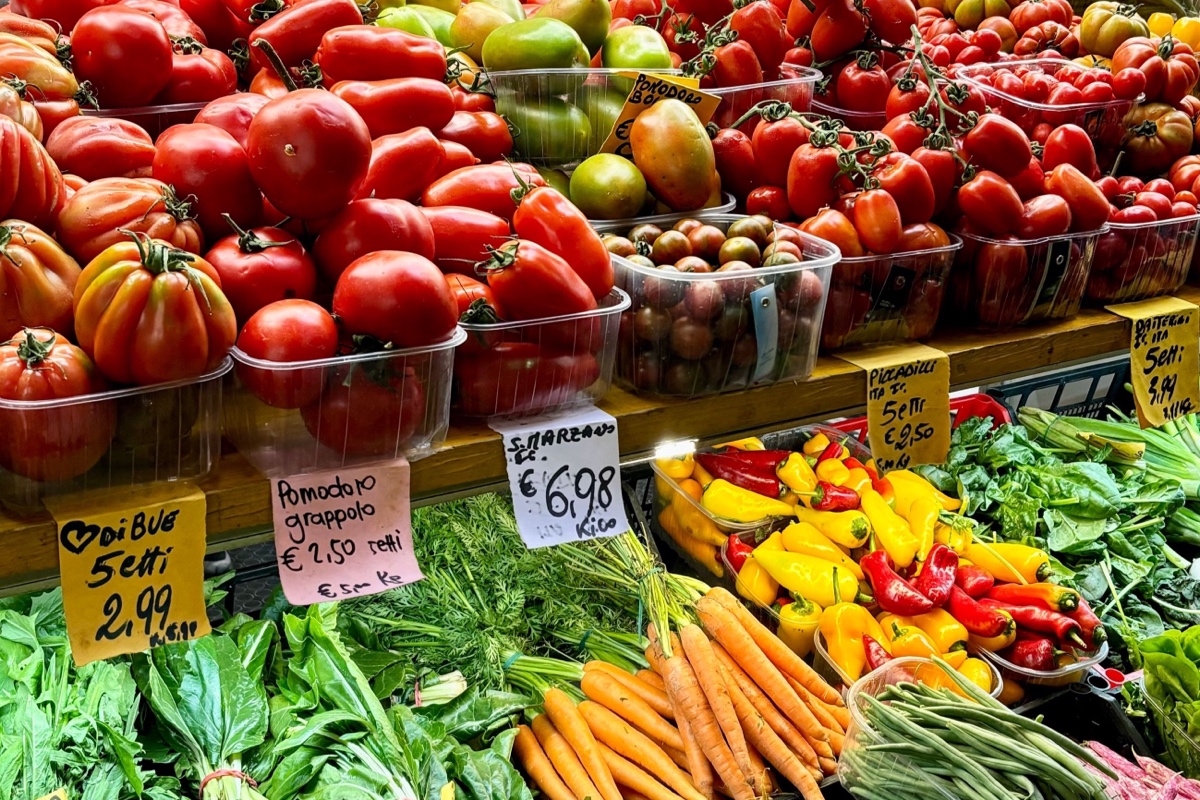
For another market area, head west towards Via Ugo Bassi and Mercato delle Erbe. Its food counters and eating spaces make a useful stop if you are staying on that side of the centre. Check individual trading and restaurant hours, especially on Sundays and holidays. Mercato delle Erbe
The Archiginnasio and Anatomical Theatre
The Archiginnasio is close enough to add before or after the market. Its arcades, staircases and coats of arms introduce Bologna’s university history, while the wooden Anatomical Theatre was built for teaching anatomy. Check which rooms your visit includes. Access to the Stabat Mater Hall can depend on other activities, and the palace also contains a working library. Archiginnasio visits
Santo Stefano and the Two Towers
Walk through Piazza della Mercanzia towards the broad, sloping Piazza Santo Stefano. Give the church complex at the far end time for its connected interiors and courtyards, then stop in the square before carrying on. It is an easy place to pause between the busy centre and the quieter streets farther east. Check visiting hours around services. Santo Stefano
Asinelli and Garisenda stand nearby, but access arrangements around the Two Towers can change during maintenance and restoration. At our latest check, Bologna’s tourism office listed Asinelli as closed. Use the Clock Tower for a planned climb and check the official notice before walking towards the towers. Tower access
Porticoes, Art and the University Quarter
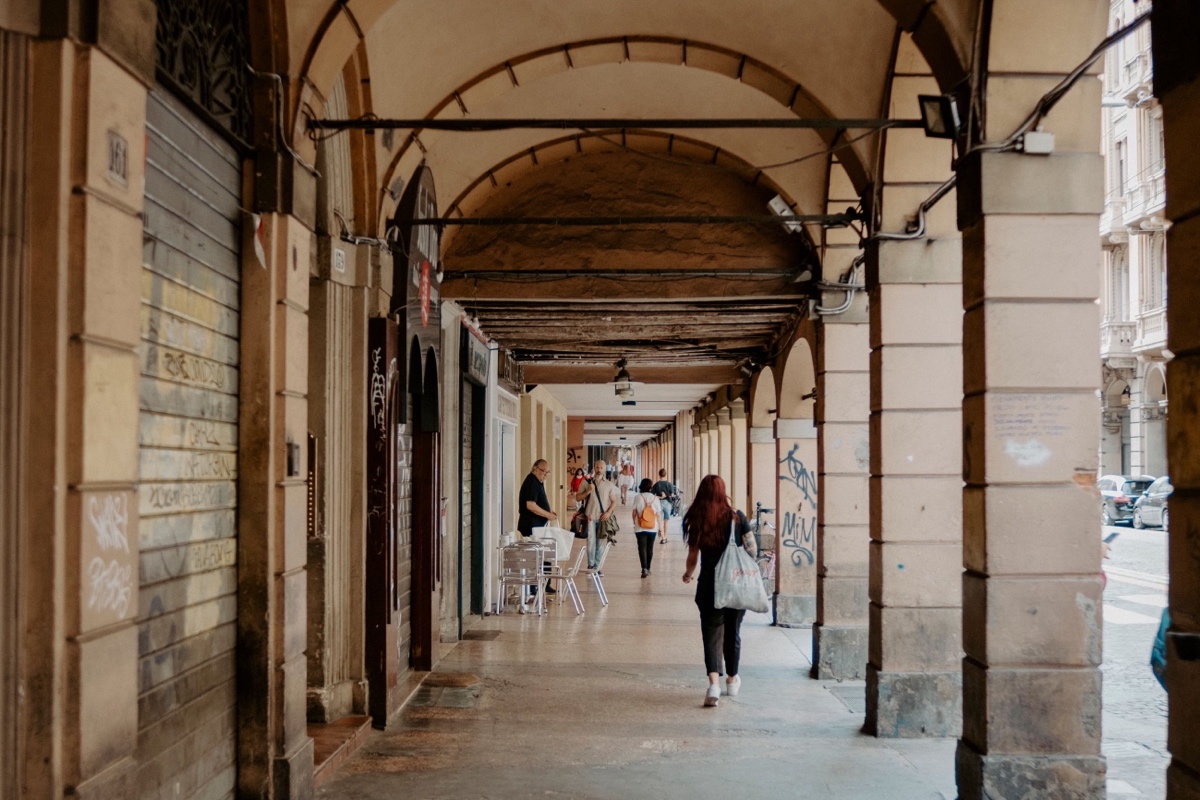
The porticoes are part of the route between almost everything in central Bologna. Watch how they change from the grand arcades near Piazza Maggiore to the smaller streets around the university. Twelve groups of the city’s porticoes form its UNESCO listing, including Santo Stefano, Via Zamboni and the route to San Luca. UNESCO porticoes
Via Zamboni and the National Gallery
Follow Via Zamboni into the university quarter for a walk past historic buildings and student cafés. If you want a substantial art stop, go to the Pinacoteca Nazionale for paintings associated with Bologna and its wider region. Give it a separate part of the afternoon instead of squeezing it between the Archiginnasio and the Clock Tower. National Gallery
A Walk West or an Afternoon in the Gardens
For another part of the centre, follow Via del Pratello west for cafés and dinner options, then loop back towards Mercato delle Erbe. If you prefer a green break, walk south towards Giardini Margherita. The gardens make a good afternoon after a morning of interiors, especially if you are travelling with children or want time away from the busiest sightseeing streets.
The Walk to San Luca
Start at Porta Saragozza and follow the porticoes towards the Sanctuary of San Luca on Colle della Guardia. The route is about four kilometres from the gate, with the more demanding uphill stretch after the Arco del Meloncello. Go early in warm weather, carry water and allow for stops on the steps. The covered route provides shade, but it is still a climb. San Luca
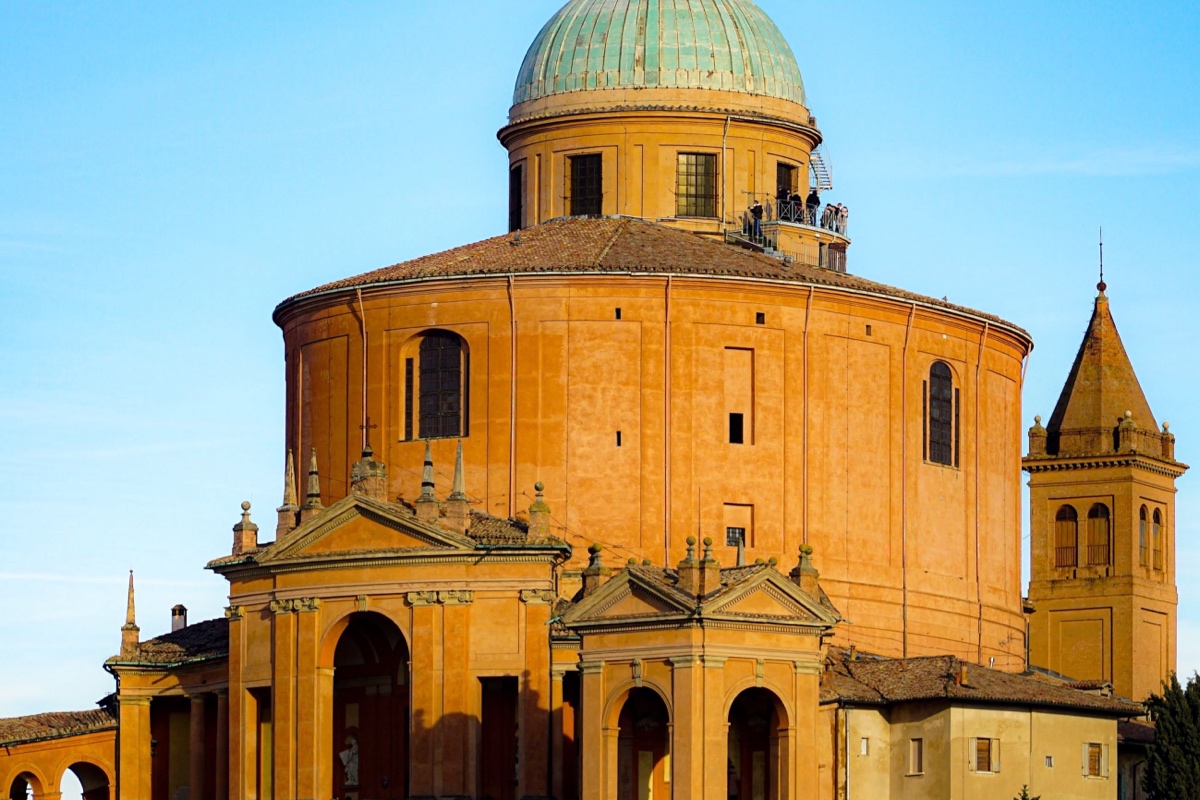
At the top, spend time around the sanctuary and look out over the hills. Check the church and panoramic-terrace arrangements separately if you want to visit both. For an easier outing, use transport for one direction and walk the other. Confirm the current route before leaving the centre, and remember that the descent includes steps too.
A Two-Day Bologna Itinerary
Day 1. Piazza Maggiore, Pasta and Santo Stefano
Start in Piazza Maggiore and San Petronio, then visit the Archiginnasio if you have booked. Walk through the Quadrilatero before lunch and give yourself time to sit down for pasta. Spend the afternoon in Santo Stefano and the streets around it. If you want the Clock Tower view, book it for a time that leaves a comfortable gap after lunch. Finish with a short evening walk back through the square.
Day 2. San Luca and the University Quarter
Give the morning to San Luca. Have lunch after coming back down, then choose the National Gallery and Via Zamboni or a slower afternoon around the western market streets. If it rains heavily, swap the hill walk for a museum and leave a shorter stretch of the porticoes for later. You can still see a lot of Bologna without filling both days with reservations.
Optional Day Three in Modena
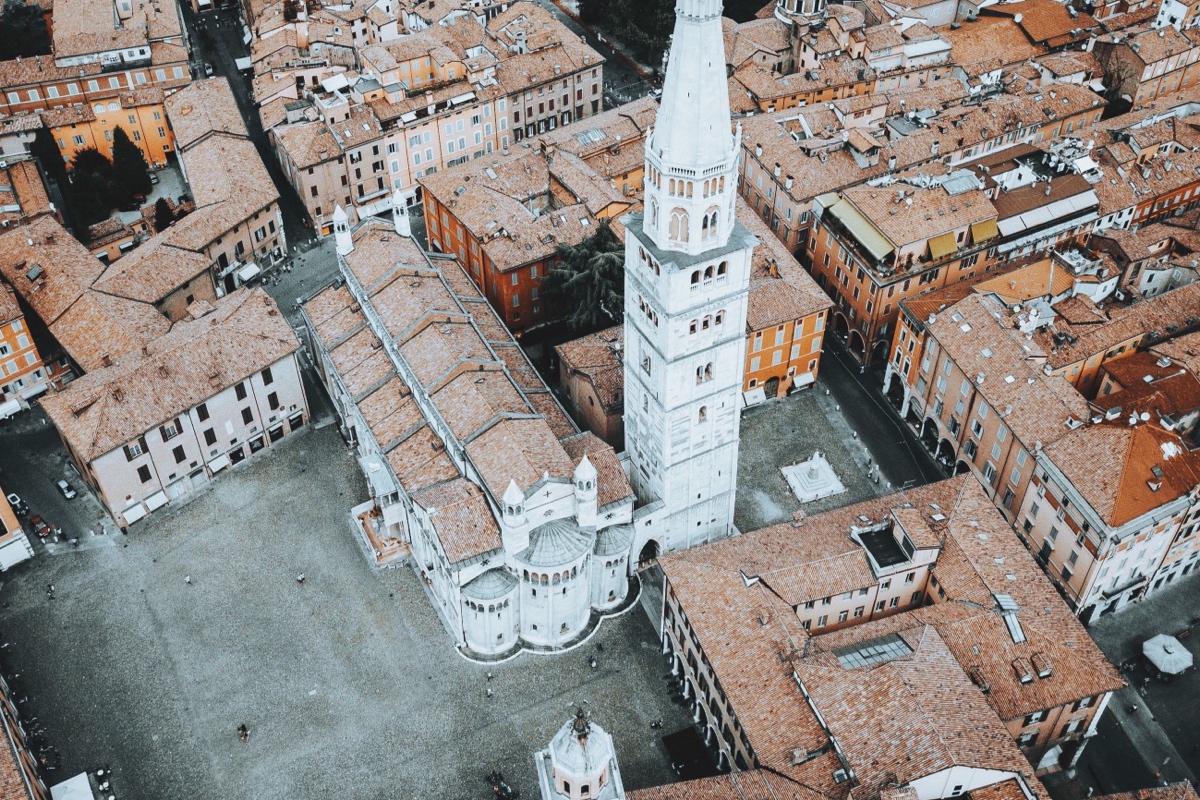
Take a morning train from Bologna Centrale to Modena and walk into the historic centre. Start at the cathedral and Piazza Grande, then leave time for the surrounding lanes before lunch. The cathedral is the centrepiece of a UNESCO-listed group that also includes the Ghirlandina tower and the square. Check visitor access separately if you want to climb the tower. Modena Cathedral
Visit the Albinelli covered market for produce, food counters and a look at the building, then sit down for lunch nearby. Go on a trading day if seeing the market working is important to you. Albinelli market
For traditional balsamic vinegar, reserve a visit to Modena’s municipal vinegar cellar or an acetaia outside town. The municipal option is useful for a day without a car, while an estate visit needs its own transport plan. Check the meeting point and tasting arrangements when booking, and leave time to get back to the station. Vinegar-cellar tour
Where to Stay in Bologna
- Piazza Maggiore and the Quadrilatero. Choose the centre for short walks to major sights. Check noise reviews and the nearest legal drop-off point if your accommodation is on a pedestrian street.
- Santo Stefano. A convenient base for the eastern old town and an evening walk after dinner. Check the distance to the station if you have an early train.
- Via Saragozza. Consider this side of the centre if the San Luca walk and a longer stay appeal. Compare the actual walk to Piazza Maggiore before booking farther along the road.
- Near Bologna Centrale. Practical for late arrivals, early departures and several rail day trips. Pick the station exit closest to your hotel and allow time to find high-speed platforms.
Where and What to Eat
Look for tagliatelle al ragù for broad ribbons of pasta with Bologna’s meat sauce. Tortellini in brodo, small filled pasta served in broth, make another traditional order. If you want to try both, share portions according to the restaurant’s arrangements and leave room for a proper meal instead of treating each dish as a quick tasting stop.
For lunch between sights, try a mortadella sandwich or choose something from a deli in the Quadrilatero. If you are booking a trattoria, check opening days and the kitchen hours before building the itinerary around it. Tables can be limited in smaller places, especially at weekends.
In Modena, give a vinegar tasting enough time to understand what you are trying. Traditional balsamic vinegar and the more widely sold balsamic vinegar of Modena have different production rules. Ask to compare them and check the label before buying a bottle to take home.
Getting In and Getting Around
From the airport. The Marconi Express connects Bologna Airport with Bologna Centrale. Check its current operating hours and service notices, then plan the final leg to your hotel. From the station, much of the historic centre is reachable on foot, depending on your luggage and exact address. Airport connection
By train. Check your arrival and departure platforms at Bologna Centrale. High-speed services can use the underground part of the station, so leave time to follow the signs. For Modena, compare regional departures and make sure your ticket covers the service you choose. Train planning
In town. Walk between the central sights and use local buses when they save a long return journey. If you drive, check the limited-traffic-zone rules with your accommodation before entering the centre. For this itinerary, a car is most useful only if you add countryside visits that are difficult by public transport.
When to Go and What to Book
Spring and autumn suit the San Luca walk and days spent outside between sights. In summer, make the hill walk an early outing and use museums or a long lunch for the hottest hours. Winter works for the markets and interiors, with the route to San Luca depending on the conditions that day.
Book the Clock Tower, the Archiginnasio and any fixed-time tasting first, then leave the connecting streets open to explore. Check accommodation early if a major trade fair falls on your dates. On a two-night visit, choose a couple of meals you want to sit down for and let the rest of the itinerary follow the neighbourhoods around them.
Plan the Rest of Your Italy Trip
- Browse our Italy coverage for more places to visit.
- For a longer rail trip, read our Florence guide and Venice guide.
Disclaimer: TravelCapybara is an independent media brand owned and operated by NuvexMedia LLC, publishing travel news, destination guides, research, and insights. NuvexMedia LLC may invest in or collaborate with companies across the travel, hospitality, technology, and digital media sectors. These relationships do not influence TravelCapybara’s editorial coverage. While we strive for accuracy, travel requirements, prices, schedules, availability, and local conditions may change without notice. Readers should independently verify information before making travel or purchasing decisions. This content is for informational purposes only and does not constitute professional advice. © 2026 NuvexMedia LLC. All rights reserved.