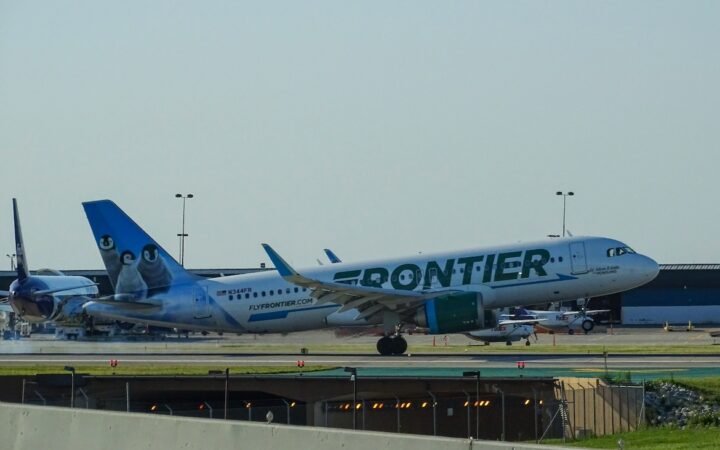
WSJ reports a group of U.S. budget airlines is seeking $2.5 billion in government assistance as the fuel shock triggered by the Iran war continues to hit the weakest parts of the aviation market.
According to the reported proposal, the aid would come in exchange for warrants that could later convert into equity stakes, echoing a structure used during earlier airline support programs. The request is a sign of how sharply the economics of the low-cost model have deteriorated in recent months, particularly for carriers that lack the pricing power, premium revenue, and international diversity of larger rivals.
The reported talks come after several low-cost airline executives traveled to Washington for meetings with Transportation Secretary Sean Duffy and Federal Aviation Administration chief Bryan Bedford.
The pitch is said to be based on how much more the group expects to spend on jet fuel this year than earlier projected, assuming prices remain above $4 a gallon on average. In other words, the industry is not framing this as a long-term subsidy for weak business models, but as a temporary response to an external cost shock that could distort competition across the market.
Why Budget Airlines Are Seeking Help Now
The low-cost sector has been under strain for years, but this latest fuel spike has made the situation more urgent. Budget carriers live on narrow margins and tend to compete hardest on price-sensitive domestic routes. That leaves them more exposed when costs rise suddenly and dramatically. Larger airlines can spread pressure across premium cabins, loyalty income, corporate accounts, and international routes. Smaller budget players have fewer cushions.
That difference is becoming increasingly important. If fuel remains elevated, weaker carriers may be forced to cut flights, raise ancillary fees, or reduce growth ambitions even further. Some have already pushed for temporary tax relief, and now the reported $2.5 billion request suggests the industry believes that step alone may not be enough.
The timing also overlaps with the Trump administration’s efforts to stabilize Spirit Airlines, which has been working through bankruptcy and is reportedly close to receiving its own rescue package. Taken together, the developments suggest Washington is being asked to consider not just one airline’s survival, but the broader health of the low-cost segment.
What It Could Mean for Travelers and Competition
For travelers, the stakes go beyond airline balance sheets. Budget carriers play an outsized role in keeping fares lower in many domestic markets. If several of them weaken at once, passengers could face a less competitive landscape, especially on leisure-heavy routes where low-cost airlines have historically forced larger carriers to sharpen pricing. In that sense, the request for aid is also a request to preserve competitive pressure in the broader U.S. airline market.
The structure of the proposal matters too. Warrants give the government potential upside if airlines recover, but past support programs show that those stakes do not always generate meaningful returns. That means any federal assistance would likely face scrutiny from lawmakers and taxpayers alike, especially because the political environment is very different from the pandemic-era rescue phase.
Still, the request itself sends a strong message. Budget airlines appear to believe the current fuel environment is not a short bump, but a real threat to the economics of the segment. If talks continue, the debate will quickly move beyond finance and into a larger question about what kind of airline market the U.S. wants to protect when external shocks hit hardest.
Disclaimer: TravelCapybara is an independent media brand owned and operated by NuvexMedia LLC, publishing travel news, destination guides, research, and insights. NuvexMedia LLC may invest in or collaborate with companies across the travel, hospitality, technology, and digital media sectors. These relationships do not influence TravelCapybara’s editorial coverage. While we strive for accuracy, travel requirements, prices, schedules, availability, and local conditions may change without notice. Readers should independently verify information before making travel or purchasing decisions. This content is for informational purposes only and does not constitute professional advice. © 2026 NuvexMedia LLC. All rights reserved.