Lopesan Hotel Group is set to significantly expand its presence in Punta Cana with three new all-inclusive resorts opening in spring 2026, adding more than 1,000 rooms and multiple guest-focused concepts to the Bávaro area.
By Yuliya Karotkaya
Published:
Updated:
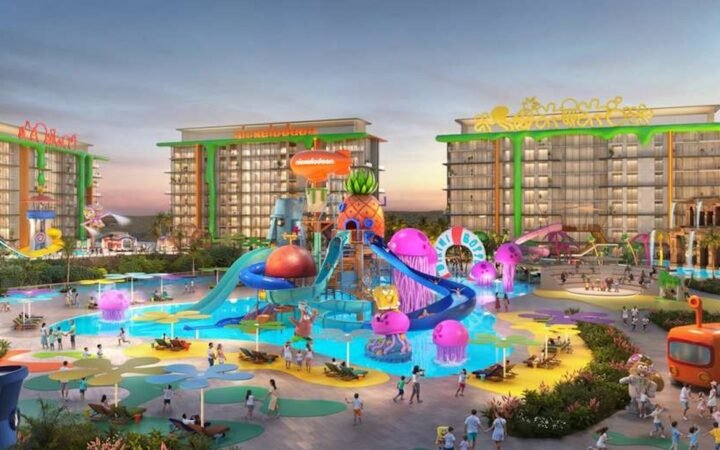
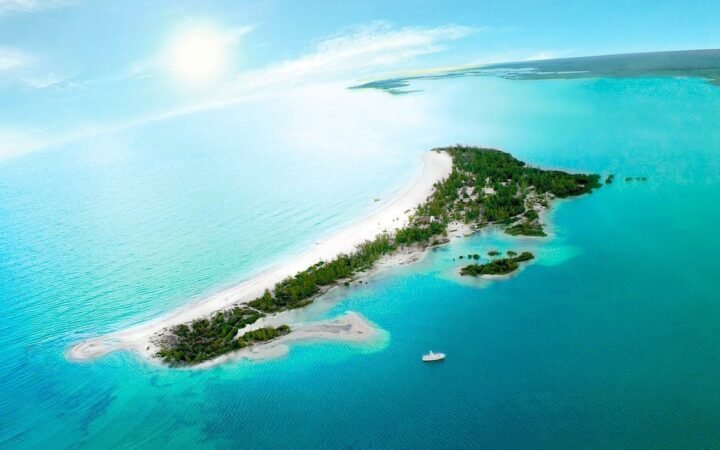
New Lopesan all-inclusive resorts in Punta Cana expand the group’s Caribbean footprint with adult-only, family and wellness-focused concepts. Photo: Lopesan Hotel Group.
Punta Cana continues to strengthen its position as one of the Caribbean’s most competitive resort destinations, with Lopesan Hotel Group preparing to open three new all-inclusive properties in the Bávaro area of the Dominican Republic in late spring 2026.
The expansion builds on the success of the Lopesan Costa Bávaro Resort, Spa & Casino, which debuted in 2019, and reflects growing demand for differentiated resort experiences within a single destination.
Together, the new openings will add more than 1,000 rooms and create a connected resort complex designed to appeal to couples, families, groups and event travelers alike.
A Wellness-Driven Anchor Resort
The largest of the three new properties is the Lopesan Caoba Lagoon Resort, Spa & Casino, a 552-room resort positioned as the centerpiece of the expansion in the eastern Dominican Republic. Its design is centered around water, with cenote-inspired pools, expansive lagoons and landscaped gardens shaping the guest experience.
Amenities include multiple pool zones, a dedicated waterpark, private beach access and a 16,000-square-foot spa featuring 31 treatment rooms, positioning wellness as an integrated part of daily resort life rather than a scheduled activity.
Caoba Lagoon also plays a central role for meetings and events, with a convention center and flexible indoor and outdoor venues suitable for conferences, weddings and social gatherings. Guests staying here will enjoy exchange privileges at the two neighboring resorts, allowing them to move freely across the broader complex.
Adults-Only Calm And Family-Focused Fun
For travelers seeking a quieter, adults-only environment in the Dominican Republic, Lopesan Serenity Bay offers 239 suites housed within a single modern building. Designed as a retreat within the larger resort ecosystem, Serenity Bay combines exclusive adults-only dining and pool areas with access to shared entertainment such as a theater, nightclub and casino. The result is a balance between privacy and proximity to the energy of the wider complex.
Families and multigenerational travelers will find a distinct experience at Lopesan Splash Cove, a 244-room resort built around shared leisure and water-based activities. The property features five pools, including a dedicated children’s pool, along with entertainment and sports areas designed for all ages. While the beach is set slightly back from the resort, access is easy, and the layout emphasizes open space and relaxed movement throughout the property.
A Connected Resort Destination In The Dominican Republic
All four Lopesan properties in Punta Cana, including the existing Costa Bávaro resort, are linked by The Boulevard, an open-air promenade serving as the social heart of the complex. Lined with restaurants, bars and entertainment venues, it allows guests to move seamlessly between different dining and nightlife options without leaving the resort area.
Bookings for all three new resorts are now open, with a limited-time introductory offer available for early reservations. With this expansion, Lopesan Hotel Group is positioning Punta Cana in the Dominican Republic as a destination where travelers can choose highly tailored resort experiences while remaining connected to a shared Caribbean setting.
Steppes Travel has launched an 11-day Innovation Tourism journey through China, offering behind-the-scenes access to the country’s leading technology hubs and design centers.
By Yuliya Karotkaya
Published:
Updated:
China’s technology hubs and smart cities showcase the future of innovation-led travel. Photo: Florian Grewe / Pexels
Steppes Travel is tapping into a growing global appetite for purpose-driven travel with the launch of a new 11-day itinerary designed to explore how technology, design, and innovation are shaping modern China.
Scheduled for June 2026, the “China: Future Frontiers” tour reflects a shift away from traditional sightseeing toward deeper, experience-led travel that focuses on the forces transforming everyday life. Priced at £4,595 per person, excluding international flights, the small-group journey requires a minimum of six participants and is aimed at travelers curious about how China is redefining the future.
The itinerary moves beyond iconic landmarks to examine China’s role as a global innovation powerhouse. Participants will travel from Beijing in the north to Shanghai, with stops in Guizhou, Chengdu, Shenzhen, and Hangzhou.
These cities form the backbone of China’s technology ecosystem, hosting some of the country’s most influential companies and research centers. The tour is built around exclusive access, allowing travelers to step inside environments that are typically closed to the public.
Inside China’s Technology and Design Powerhouses
A central focus of the tour is first-hand exposure to China’s advances in artificial intelligence, robotics, autonomous transport, and smart-city infrastructure. Visits include technology campuses and innovation zones linked to major players such as Baidu, DJI, Alibaba, and BYD. Highlights include guided access to Baidu’s Apollo Park, demonstrations at DJI’s global headquarters, and tours of Alibaba’s Xixi Campus and BYD’s SkyShuttle system.
Rather than passive observation, the experience emphasizes interaction. Travelers will see autonomous vehicles in operation, explore robotics labs, and engage with emerging technologies that are already influencing urban mobility and daily life in China. Meetings with industry leaders and innovators provide context on how these developments fit into broader economic, social, and cultural shifts.
Innovation Tourism and a New Era of Travel to China
The launch of this tour coincides with a more open travel environment for British visitors, as UK passport holders will be able to enter China visa-free for up to 30 days starting in 2026. This policy change has encouraged tour operators to rethink how China is presented to international travelers, moving beyond heritage-focused itineraries toward more contemporary narratives.
Steppes Travel positions the journey within the growing concept of Innovation Tourism, a trend identified by travel think tank Globetrender. As travelers increasingly seek destinations that reflect technological progress, sustainability, and future-focused thinking, China’s rapid development makes it a natural fit. The tour places technological progress within its cultural setting, helping participants understand how innovation intersects with daily routines, urban planning, and social values.
By combining behind-the-scenes access with expert guidance, the “China: Future Frontiers” itinerary reflects a broader evolution in travel. It suggests that for a new generation of travelers, understanding how the future is being built can be just as compelling as exploring the past.
Japan’s battle with overtourism has reached a new turning point as Fujiyoshida cancels its famous Mount Fuji cherry blossom festival amid mounting pressure from record visitor numbers.
By Yuliya Karotkaya
Published:
Updated:
Mount Fuji and cherry blossoms draw record crowds as Japan grapples with overtourism pressures. Photo: mos design / Unsplash
Tourism boom in Japan has become one of the defining travel stories of recent years. Record visitor numbers, driven by a weak yen and pent-up post-pandemic demand, have transformed the country into one of the world’s most sought-after destinations.
But alongside the economic upside, the strain on local communities has intensified, particularly in places already struggling with congestion, rising living costs, and photo-driven tourism. Nowhere is this tension more visible than around Mount Fuji, where local authorities have taken the extraordinary step of cancelling a major seasonal event.
Why Fujiyoshida Pulled the Plug on a Popular Festival
The city of Fujiyoshida, located in Yamanashi Prefecture, has cancelled its cherry blossom festival for the first time in a decade after residents complained that overtourism had begun to threaten everyday life. The weeks-long event typically attracts around 200,000 visitors eager to capture an iconic view combining cherry blossoms, a pagoda, and Mount Fuji itself.
City officials cited chronic traffic congestion, littering, trespassing, and a growing number of incidents on private property as key reasons behind the decision. According to the mayor, the picturesque image shared online masks a harsher reality for locals, whose streets and neighborhoods have become overwhelmed during peak season. The cancellation, authorities said, was necessary to protect residents’ dignity and restore some sense of normalcy to daily life.
While the festival itself will not take place, officials have acknowledged that the surrounding park and viewpoints are still likely to draw large crowds during the spring bloom, underscoring how difficult it has become to control visitor flows once a location gains global visibility.
Overtourism and Japan’s Record-Breaking Visitor Numbers
Japan welcomed an estimated 42.7 million international tourists in 2025, surpassing the previous year’s already historic total. The surge has been felt most acutely in high-profile destinations such as Kyoto, Tokyo, and Mount Fuji, where narrow streets, limited infrastructure, and residential neighborhoods sit alongside world-famous landmarks.
In Kyoto, local frustration has grown over reports of tourists harassing geisha performers and ignoring basic etiquette in pursuit of social media content. Around Mount Fuji, authorities have previously resorted to installing view-blocking barriers, introducing hiking fees, and capping daily climber numbers in an effort to slow the flow. The Fujiyoshida festival cancellation now stands as one of the clearest signals yet that incremental measures may no longer be enough.
What the Cancellation Signals for Japan’s Tourism Future
The decision to cancel a long-running and economically valuable festival reflects a broader shift in how Japan is approaching tourism management. While officials remain eager to welcome visitors, there is growing recognition that unchecked growth risks damaging both community well-being and the visitor experience itself.
Experts increasingly argue that Japan’s long-term tourism strategy must focus on redistribution rather than sheer volume. That could mean promoting lesser-known regions, introducing timed-entry systems at popular sites, or expanding fees and caps during peak seasons. Technology-driven crowd management and stronger enforcement of visitor behavior rules are also likely to play a role.
For now, the loss of the Mount Fuji cherry blossom festival serves as a stark reminder that even the most beautiful destinations have limits. How Japan balances its global appeal with the needs of its residents may shape the future of its tourism industry for years to come.
The European Union is allowing Schengen countries to apply flexibility in the rollout of the Entry-Exit System, aiming to reduce border congestion during the busy summer travel season.
By Yuliya Karotkaya
Published:
European border controls prepare for peak summer travel as the EU adjusts the rollout of its new biometric Entry-Exit System. Photo: Daniel Schludi / Unsplash
The European Union has confirmed that Schengen Area countries will be allowed to apply additional flexibility in the rollout of the new Entry-Exit System, easing pressure on borders during the peak summer travel season of 2026. While the biometric system is still scheduled to complete its progressive deployment by early April, member states will be able to partially suspend its operation for a limited period if congestion becomes unmanageable.
The Entry-Exit System, commonly known as EES, replaces manual passport stamping for visitors from non-EU countries, including travelers from the United Kingdom and the United States. Instead of stamps, border authorities collect biometric data such as facial scans and fingerprints to record entries and exits from the Schengen Area. The system officially began phased implementation in October 2025 and was initially expected to be fully enforced by April 10, 2026.
EU officials have emphasized that this is not a new delay, but rather the activation of flexibility already written into the regulation. After the rollout formally ends on April 9, countries may partially suspend EES operations for up to 90 days, with a potential extension of up to 60 additional days if needed. This effectively allows flexibility through early September, covering the height of Europe’s summer travel season.
The decision reflects concerns raised by airports, ports, and border agencies over longer processing times during peak travel periods. While the European Commission has sought to downplay technical and operational challenges, several high-profile cases have drawn attention to the risks.
Airport operators have warned that biometric checks could significantly slow passenger flows, particularly at large hubs handling high volumes of non-EU arrivals. In one notable example, Lisbon Airport temporarily halted EES testing last winter after queues became excessive, resuming trials only after adjustments were made.
The added flexibility is designed to give border authorities practical tools to manage congestion without abandoning the system altogether. Countries can decide when and where partial suspensions are necessary, allowing them to prioritize traffic flow during busy hours or at particularly strained border crossings.
EES is a key building block in the EU’s broader border modernization strategy and serves as a technical precursor to the European Travel Information and Authorisation System, or ETIAS, expected to launch in late 2026. ETIAS will require visa-exempt travelers to apply for pre-travel authorization, similar to systems already in place in the UK and the United States. EU officials have stressed that EES and ETIAS are separate systems, and temporary flexibility in EES will not delay ETIAS.
For travelers heading to Europe this summer, biometric checks remain part of the future, but the EU’s approach signals a recognition that smooth border operations are critical during the busiest months of the year.
EF Ultimate Break has introduced a new College Break collection aimed at travelers aged 18 to 24, offering affordable, immersive group trips designed specifically for Gen Z students.
By Yuliya Karotkaya
Published:
Updated:
College-aged travelers explore global destinations together on EF Ultimate Break’s new College Break tours. Photo: Nicolas Lobos / Unsplash
EF Ultimate Break, known for its guided travel experiences for young adults, is doubling down on Gen Z with the launch of its new College Break collection.
Designed exclusively for college-aged travelers up to 24 years old, the new lineup responds to growing demand from students who want to explore the world with peers at a similar life stage, without the stress of planning or the high costs often associated with international travel.
The operator, which traditionally serves travelers aged 18 to 35, says the College Break collection reflects how and why Gen Z travels differently. Many students are taking their first international trips during college, balancing tight budgets with a desire for meaningful, immersive experiences.
EF Ultimate Break aims to remove logistical barriers by offering structured itineraries, built-in support, and flexible payment options, while maintaining a strong focus on cultural engagement rather than surface-level sightseeing.
According to the company, the tours are intentionally limited to college-aged participants to create a more comfortable social dynamic. Travelers join groups made up entirely of fellow students, which EF Ultimate Break says encourages stronger connections, shared interests, and a sense of community that resonates with Gen Z values around belonging and personal growth.
What the College Break Collection Offers
The College Break collection currently includes nearly 20 itineraries spanning Europe, Asia, and Central America. Trips range from shorter, region-focused adventures to extended, multi-country journeys designed for students with longer breaks. Prices are positioned to be more accessible than traditional guided tours, while still covering accommodations, transportation, guided experiences, and on-the-ground support.
College Break – Costa Rica Adventure: 10 days, 4 cities (From $1,799 USD)
College Break – Japan: Tokyo & Beyond: 9 days, 4 cities (From $2,239 USD)
These itineraries combine major cultural landmarks with activities designed to appeal to younger travelers, such as food experiences, outdoor adventures, and time built in for independent exploration.
Built for Campus Life and Group Travel
Beyond individual bookings, EF Ultimate Break is also positioning College Break tours as a natural fit for campus groups, friends, and student organizations. The company offers incentives for students who coordinate group travel, allowing them to earn travel credits when bringing friends along on the same itinerary.
This approach reflects how Gen Z often travels socially, prioritizing shared experiences with friends over solo trips.
The operator is also expanding its Campus Ambassador program, giving students opportunities to gain leadership and marketing experience while earning rewards toward future travel.
Combined with low deposits, interest-free payment plans, and a strong emphasis on safety and support, EF Ultimate Break is betting that the College Break collection will become a go-to option for students looking to travel abroad during college without sacrificing affordability or peace of mind.
La Compagnie is rolling out a Valentine’s Day sale with business class-only fares from New York to Paris, Milan, and Nice, starting at $2,500 round-trip.
By Yuliya Karotkaya
Published:
Updated:
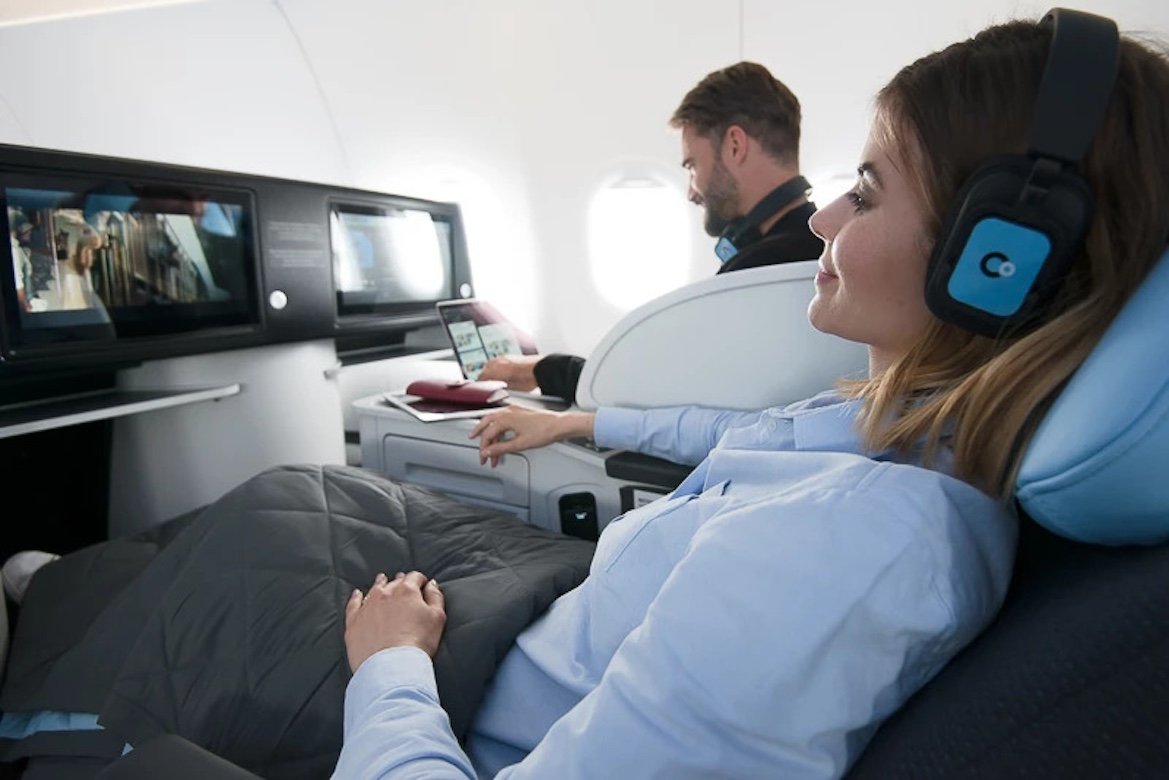
La Compagnie’s all-business-class cabin highlights the airline’s Valentine’s Day sale on transatlantic flights to Europe. Photo: La Compagnie
As airlines continue to refine their premium offerings, La Compagnie has carved out a distinctive niche by operating an all–business class airline focused entirely on long-haul comfort.
Founded in 2014 and based at Paris Orly Airport, the French carrier has built its reputation on simplifying the premium travel experience while keeping fares more accessible than traditional legacy carriers.
This February, La Compagnie is leaning into that positioning with a Valentine’s Day sale that brings flat-bed transatlantic travel within closer reach for travelers heading to Europe in 2026.
The promotion targets passengers flying from the New York area, specifically Newark Liberty International Airport, to three popular European destinations: Paris, Milan, and Nice.
The sale applies to bookings made through February 16, 2026, with travel valid from February 14 through the end of the year. While the campaign is framed around Valentine’s Day, travelers do not need to fly as a couple, making the offer appealing to solo travelers, business passengers, and anyone seeking a premium transatlantic experience without first-class pricing.
What Makes La Compagnie Different
La Compagnie operates a fleet of Airbus A321neo aircraft configured exclusively with business class seating in a 2-2 layout. Each flight features 76 full-flat seats, large personal entertainment screens, unlimited high-speed Wi-Fi, priority airport services, and access to premium lounges. Onboard service includes curated menus developed with Michelin-caliber chefs, upscale champagne, and amenities such as Caudalie toiletries.
Unlike many premium cabins on larger airlines, La Compagnie’s business model removes class segmentation entirely, meaning every passenger receives the same high-end service from boarding to arrival. This consistency has helped the airline appeal to travelers who value comfort and efficiency without the unpredictability of mixed-cabin aircraft.
Valentine’s Day Sale Fares and Booking Details
The centerpiece of the Valentine’s Day promotion is a set of clearly defined, round-trip business class fares between New York and Europe. The discounted prices include:
New York (Newark) to Paris: from $2,500 round-trip
New York (Newark) to Milan: from $2,500 round-trip
New York (Newark) to Nice: from $3,190 round-trip
These fares include two checked bags, priority boarding, lounge access, and onboard Wi-Fi. Tickets booked under the promotion are nonrefundable, and any changes incur a $300 fee. Members of La Compagnie’s MyCompagnie loyalty program will earn double points on flights booked during the sale window, adding extra value for repeat customers.
With availability stretching across much of 2026, the sale offers flexibility for travelers planning spring getaways, summer trips, or fall travel to Europe. For passengers seeking a balance between luxury and value, La Compagnie’s Valentine’s Day sale reinforces the airline’s position as a compelling alternative in the transatlantic business class market.
World Nutella Day 2026 turns airports and journeys into storytelling spaces, blending travel retail exclusives with global rituals and shared food culture.
By Yuliya Karotkaya
Published:
Updated:
Nutella travel retail editions highlight global journeys, shared rituals, and World Nutella Day celebrations. Photo: Ferrero
As World Nutella Day approaches its twentieth anniversary, Nutella is using the occasion to reinforce its role as a global cultural connector. The 2026 celebration goes beyond a single calendar date, positioning Nutella as a companion to everyday rituals and international journeys alike.
By blending food, travel, and storytelling, the brand is turning breakfast tables, airport terminals, and social feeds into shared spaces of connection.
Travel Retail as a Cultural Storytelling Platform
At the core of this year’s celebration is a renewed focus on travel retail, led by Ferrero Travel Market. Airports are becoming key stages for the World Nutella Day narrative, where limited-edition products and curated activations invite travelers to engage with the brand in a more personal way.
The Nutella Next Destination series, featuring three mini jars labeled with different countries, is designed to spark curiosity and reflection. Each pack transforms the idea of breakfast into a passport for discovery, highlighting how a familiar product can feel different depending on place, culture, and context.
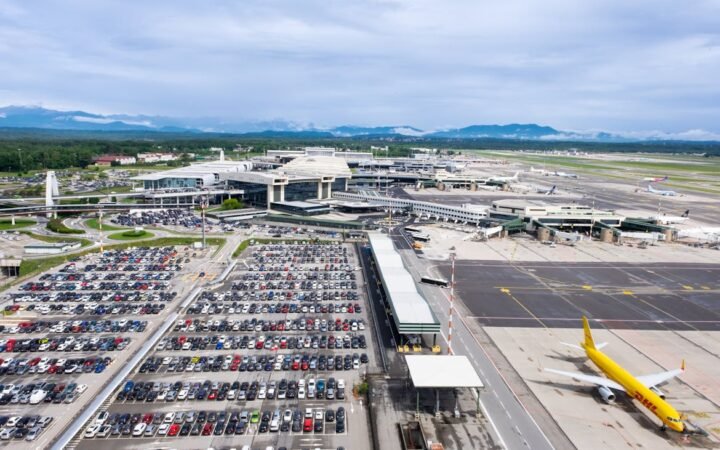
This approach is reinforced through immersive airport activations, notably at Milan Malpensa, where Nutella’s presence combines physical retail with digital engagement.
Gift-with-purchase items tied to travel, such as passport accessories, encourage participation while social storytelling extends the experience beyond the airport. The result is a retail moment that feels less transactional and more experiential, aligning Nutella with the emotional rhythm of travel.
Celebrating Global Rituals and Shared Moments
World Nutella Day was first launched in 2007 as a fan-driven celebration, and in 2026 the emphasis returns firmly to the people who have shaped the brand’s identity over time.
Nutella is spotlighting the many ways it is enjoyed across more than 170 countries, from local breakfast customs and traditional recipes to creative reuse of jars and family traditions. By encouraging fans to share their own “Nutella way,” the brand frames food as a universal language that crosses borders and generations.
The celebration also coincides with a broader wave of innovation and cultural recognition for Nutella. New product launches in select markets and a high-profile publishing collaboration underline the brand’s ambition to remain both relevant and iconic.
Together, these elements position World Nutella Day not just as a moment of nostalgia, but as a living, evolving expression of how food connects people.
By anchoring World Nutella Day in travel and cultural storytelling, Nutella transforms a familiar spread into a symbol of shared experience. Whether discovered in an airport shop or enjoyed at home, Nutella becomes part of the journey itself.
IHG Hotels & Resorts is strengthening its UK presence with four new voco and Garner hotels, adding more than 380 rooms across London and key regional markets.
By Yuliya Karotkaya
Published:
Updated:
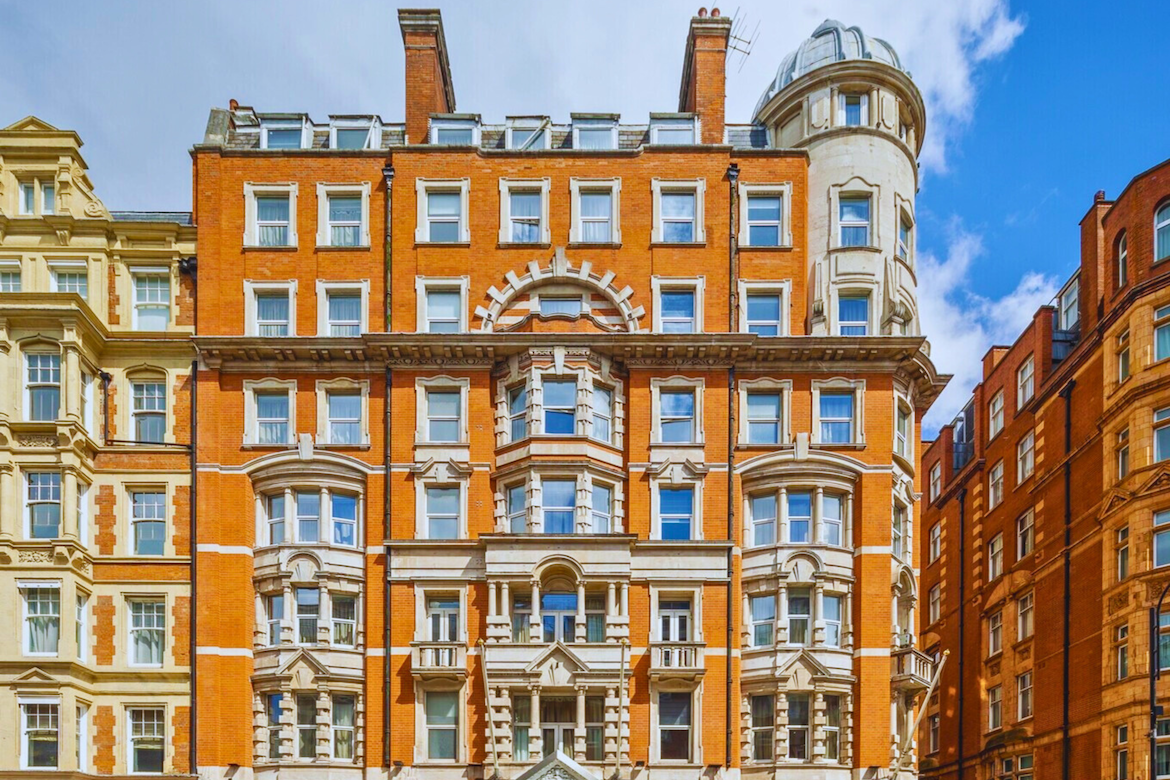
New voco and Garner hotels highlight IHG’s continued expansion across London and regional UK markets. Photo: IHG Hotels & Resorts
IHG Hotels & Resorts has announced a significant expansion of its UK portfolio through four new hotel agreements with Fairview Hotels, reinforcing its position in its largest European market.
The additions include one premium voco hotel in central London and three midscale Garner properties across key regional locations, together adding more than 380 rooms to IHG’s UK and Ireland pipeline.
The move reflects continued owner confidence in IHG’s conversion-focused brands and its enterprise platform designed to accelerate routes to market while driving long-term returns.
The UK remains a strategic growth engine for IHG, where the company already operates or has in development more than 400 hotels. By expanding both its premium and midscale offerings, IHG is positioning itself to capture demand across leisure and business travel segments, particularly as regional destinations continue to benefit from domestic and short-haul travel trends.
The latest agreements also deepen IHG’s partnership with Fairview Hotels, extending the collaboration to six properties nationwide.
voco London – Bloomsbury Joins a Growing Premium Portfolio
The headline addition to the portfolio is voco London – Bloomsbury, a 114-room property located on Southampton Row in the heart of central London. The hotel occupies a Victorian-era building close to existing IHG properties, including Kimpton Fitzroy London and Holiday Inn London Bloomsbury, strengthening the group’s presence in one of the capital’s most established hospitality districts. The property will remain open to guests during its transition and is expected to fully rebrand under the voco flag by mid-2026.
Since its launch in 2018, voco has become IHG’s fastest-growing premium brand, reaching the milestone of 100 open hotels globally in 2025. The Bloomsbury hotel will join more than 20 voco properties already operating across the UK and Ireland, with several more in the pipeline. Designed to blend individual character with consistent quality, voco has proven particularly attractive for conversions in urban and leisure-led locations.
Garner Accelerates Midscale Growth in Regional England
Alongside the London signing, IHG is accelerating the rollout of its Garner brand with three additional properties in Rotherham East, Lincoln, and Chesterfield North. Garner is positioned as a conversion-friendly midscale brand focused on delivering essential comforts, convenient locations, and value-driven stays for a broad traveler base.
Garner Hotel Rotherham East, which opened in January 2025, offers 91 rooms near Junction 1 of the M18, providing strong connectivity to Sheffield, Nottingham, and the wider South Yorkshire region. Garner Hotel Lincoln and Garner Hotel Chesterfield North are both scheduled to open in February 2026, each with 91 rooms.
The Lincoln property is located in North Hykeham with access to major transport routes and local attractions, while the Chesterfield hotel sits near Junction 30 of the M1, serving both business and leisure demand across Derbyshire and beyond.
Together, the four new hotels underline IHG’s strategy of using scalable, flexible brands to capture growth opportunities across diverse UK markets while expanding choice for travelers nationwide.
Accor becomes one of the first global hotel groups to integrate its booking and loyalty ecosystem directly into ChatGPT, reshaping how travelers discover and book hotels.
By Yuliya Karotkaya
Published:
Updated:
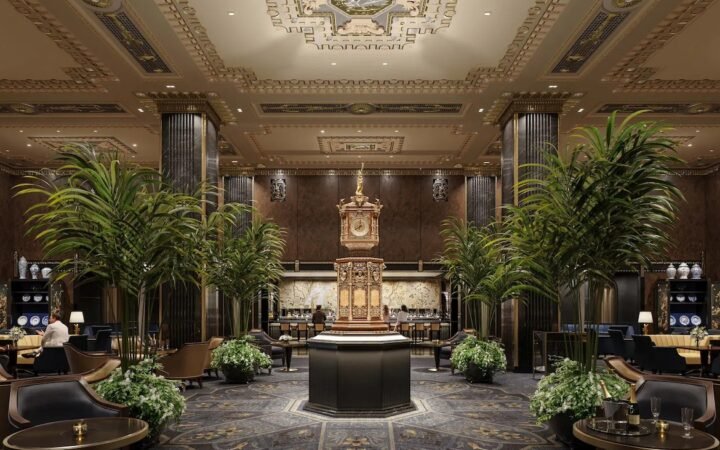
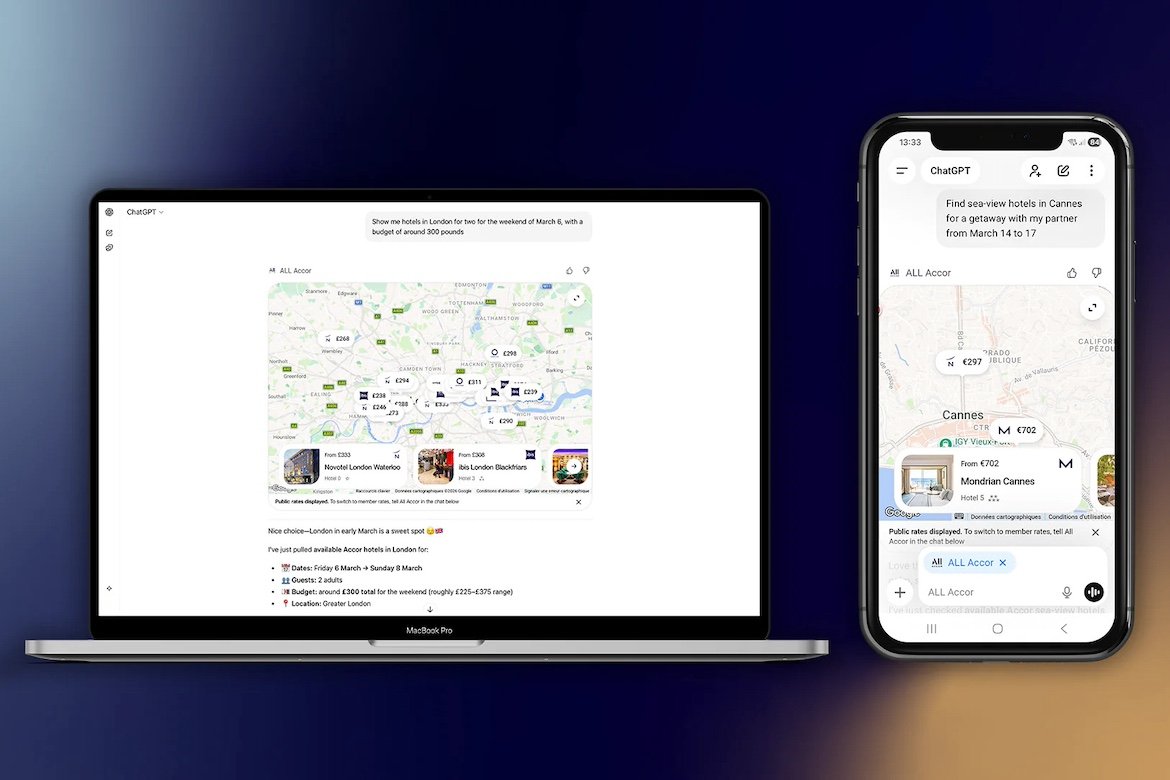
Accor integrates its ALL Accor booking and loyalty platform into ChatGPT, marking a major step in AI-driven travel planning. Photo: Accor
Accor has unveiled a new way for travelers to search, explore, and plan hotel stays by launching the ALL Accor app experience directly within ChatGPT. The move places Accor among the first global hospitality groups to embed its booking and loyalty ecosystem into a conversational AI environment, signaling a shift in how hotel discovery and trip planning are expected to work in the coming years.
Through this new experience, users can interact with Accor’s global portfolio using natural language inside ChatGPT. Travelers can specify destinations, dates, and the number of guests, view available hotels, compare public and loyalty-member rates, and explore practical details such as room categories, amenities, and locations. Once ready to book, users are redirected to the secure ALL Accor booking platform to complete their reservation.
The ChatGPT-based experience has been developed specifically for the AI platform and operates independently from the existing ALL Accor mobile app. It is available in more than 20 languages and across countries where ChatGPT apps are supported, giving Accor immediate access to a broad international audience through one of the world’s most widely used AI tools.
How AI Fits Into Accor’s Digital Strategy
Accor describes artificial intelligence as a foundational element of its broader digital transformation strategy, aimed at creating more intuitive and personalized guest journeys. By bringing ALL Accor into ChatGPT, the group is responding to changing traveler behavior, as more consumers rely on AI-driven tools to research destinations, compare options, and make decisions in a single conversational flow.
The integration allows Accor to meet travelers at the earliest stages of trip inspiration, rather than only at the point of booking. Loyalty-member rates are displayed alongside public pricing, reinforcing the value of the ALL Accor program without requiring users to leave the AI environment to understand the benefits. This approach is designed to strengthen engagement with Accor’s loyalty ecosystem while simplifying the path from discovery to booking.
From a commercial perspective, the launch also benefits hotel owners within Accor’s network. Increased visibility inside ChatGPT can drive demand directly into Accor’s controlled booking channels, helping maintain brand consistency, data ownership, and secure transactions. Redirecting users to the official ALL Accor platform for final bookings ensures that reservations remain within Accor’s ecosystem, even as discovery shifts toward third-party AI interfaces.
More broadly, the move reflects a wider transformation across the travel industry, where conversational AI is beginning to reshape expectations around speed, personalization, and ease of use. Travelers increasingly want fewer steps, faster answers, and planning tools that adapt to their preferences in real time.
Accor’s ChatGPT integration suggests that AI-powered discovery will soon become a standard part of the hotel booking journey. As digital platforms evolve, the launch positions Accor at the forefront of a new phase in hospitality, where loyalty, booking, and inspiration converge inside everyday AI-driven conversations.
A train derailment in south London and a major signalling fault triggered widespread rail disruption across south-east England, prompting a rare “do not travel” warning for passengers.
By Yuliya Karotkaya
Published:
Updated:
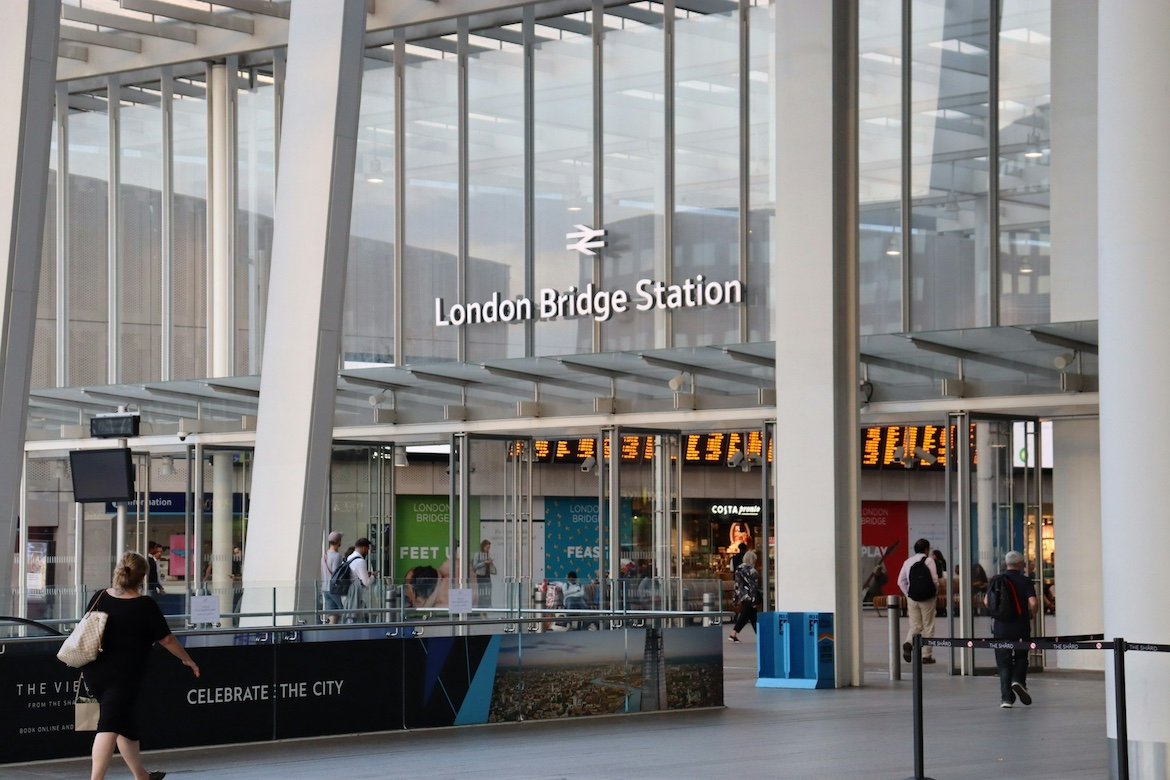
Rail disruption affects passengers across south-east England following incidents near London. Photo: Dele Oke / Unsplash
Rail passengers across south-east England faced severe disruption after a combination of incidents brought large parts of one of the UK’s busiest rail networks to a standstill.
A derailment at Selhurst depot in south London, alongside a critical signalling failure between London Blackfriars and Norwood Junction, led operators to issue an early-morning “do not travel” warning, an advisory rarely used except in the most serious situations.
The disruption affected services operated by Govia Thameslink Railway, including Thameslink, Southern and Gatwick Express routes.
What Caused the Network Breakdown
The most significant incident involved a train derailment inside Selhurst depot, a key operational site located near the point where several major routes converge. Although the derailment did not result in reported injuries, it blocked tracks leading toward central London, preventing trains from reaching their destinations.
At the same time, a fault in the signalling system between Blackfriars and Norwood Junction reduced the number of usable rail lines and forced trains that could still operate to run at reduced speeds.
This section of track is part of the Brighton Main Line, a Victorian-era route that carries an exceptionally high volume of services linking London with the south coast, Gatwick Airport, and multiple commuter corridors.
Because there are few viable alternatives when this line is compromised, delays and cancellations quickly cascaded across the wider network. Trains already en route became stranded, displacing drivers and onboard crews and compounding the operational challenges throughout the morning.
Widespread Impact on Passengers
As a result, multiple routes were suspended entirely, including services between Brighton and Cambridge, Bedford and Three Bridges, Orpington and Luton, and London Bridge and East Grinstead.
Other routes operated only partially, with some services terminating short of their usual destinations or being diverted via less direct paths. Even after the initial “do not travel” advice was lifted later in the morning, operators warned that major disruption would continue until the end of the day, with delays of up to an hour still likely.
Air travelers were also affected, as rail links to Gatwick Airport experienced knock-on delays, though the airport confirmed its station remained operational. To ease pressure on stranded passengers, ticket acceptance schemes were introduced across London buses, the Underground, the Elizabeth line, and several regional bus operators, allowing rail tickets to be used on alternative services at no extra cost.
Ongoing Disruption and Broader Questions
Rail officials emphasized that resolving both the derailment and the signalling fault required specialist teams and careful investigation, particularly given the safety implications.
While engineers worked to restore normal operations, the incident highlighted the fragility of heavily used rail corridors and the scale of disruption that can result when multiple failures occur simultaneously.
For passengers in Cambridgeshire, Sussex, Surrey and south London, the day served as a reminder of how interconnected the region’s rail services have become. When key junctions fail, disruption is rarely localized.
As services gradually recovered, transport authorities faced renewed scrutiny over infrastructure resilience, maintenance planning, and the challenge of keeping one of the UK’s most complex rail networks running smoothly under pressure.
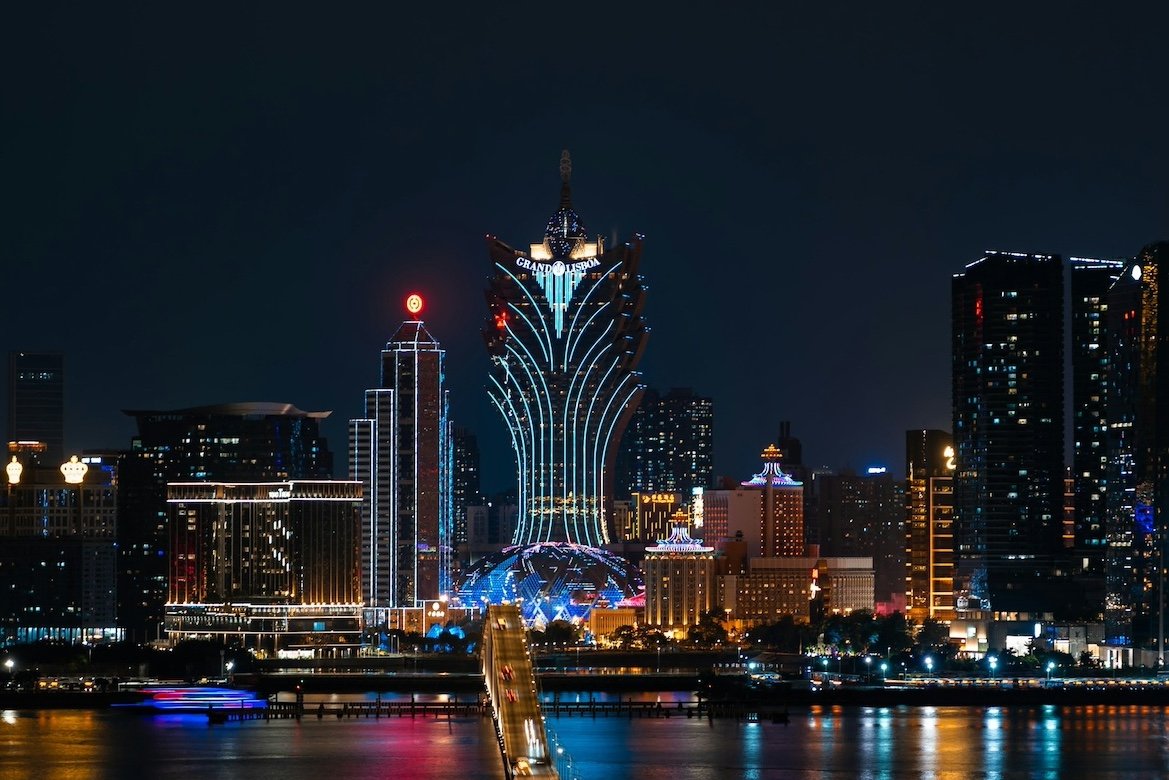
Uber has relaunched ride-hailing services in Macau, marking its first new Asian market entry in years and testing a strategy built around premium, cross-border mobility between Macau and Hong Kong.
By Yuliya Karotkaya
Published:
Updated:
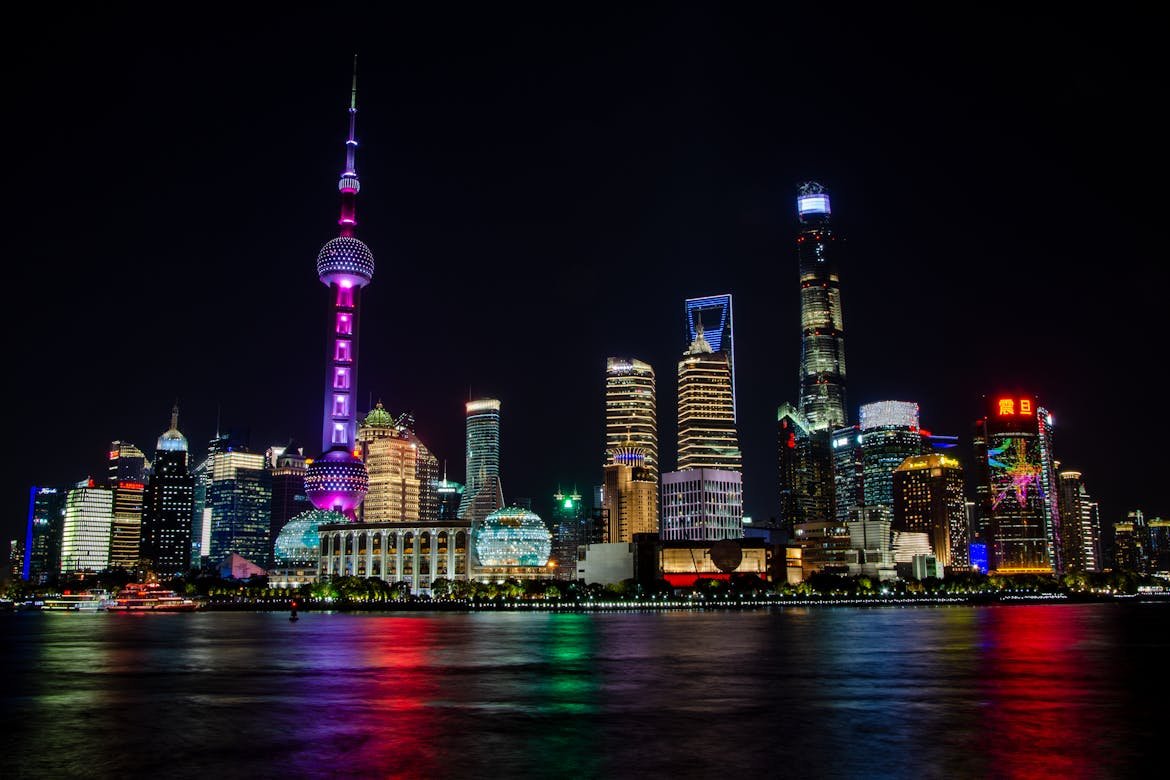
Macau’s city skyline highlights the market where Uber is relaunching ride-hailing and premium cross-border services. Photo: Yuxin Chen / Unsplash
Uber has officially relaunched its ride-hailing services in Macau, re-entering an Asian market it exited nearly a decade ago and signaling a cautious but strategic push back into Greater China-linked mobility. The return allows riders to book licensed taxis directly through the Uber app and introduces a premium limousine service connecting Macau with Hong Kong, aimed at business travelers and high-spending tourists moving between the two hubs.
The relaunch marks Uber’s first new entry into an Asian market in years. After selling its mainland China operations to Didi in 2016 and exiting Southeast Asia in 2018, Uber has focused on strengthening positions in markets such as India, Japan, and South Korea. Macau offers a controlled testing ground: a high-traffic tourism economy, close integration with Hong Kong, and regulatory conditions that require cooperation with licensed taxi operators rather than private ride-hailing vehicles.
Uber’s initial offering in Macau relies on partnerships with existing taxi fleets, reflecting local laws that still restrict private-car ride-hailing without permits. Riders can book and pay for trips in multiple languages, while the limousine service to Hong Kong must be reserved at least 24 hours in advance. The cross-border product fits squarely into Uber’s broader push toward higher-value mobility services, where premium pricing can help improve margins in regions with limited scale.
Macau’s importance as a global gaming and tourism destination adds to the strategic appeal. Millions of visitors pass through the city each year, many traveling onward to or from Hong Kong. By positioning itself along this corridor, Uber gains visibility among international and mainland Chinese travelers who already use the app in other markets. The company has also been actively recruiting local drivers, offering short-term incentives to seed supply, though initial availability is expected to be limited.
From an investor perspective, the Macau move is less about immediate revenue and more about proof of concept. It tests whether Uber can rebuild presence in tightly regulated Asian environments through cooperation rather than confrontation. Regulatory outcomes will matter: Macau authorities are reviewing taxi rules, and any future allowance for platform fees or expanded ride-hailing could materially change the economics of the service.
The relaunch also aligns with Uber’s longer-term narrative of blending human-driven services with future autonomous mobility. Management has said robotaxi deployments are expected to expand into more than 10 markets by the end of 2026, with Asia firmly on the radar. If Macau demonstrates that premium, compliant services can scale without regulatory backlash, it could serve as a blueprint for Uber’s next phase of growth across Asia’s most complex markets.
While the Carnival of Venice draws global fame, the Viareggio Carnival in Tuscany delivers an equally powerful spectacle, defined by monumental allegorical floats, sharp satire, and a deep-rooted popular tradition.
By Yuliya Karotkaya
Published:
Updated:
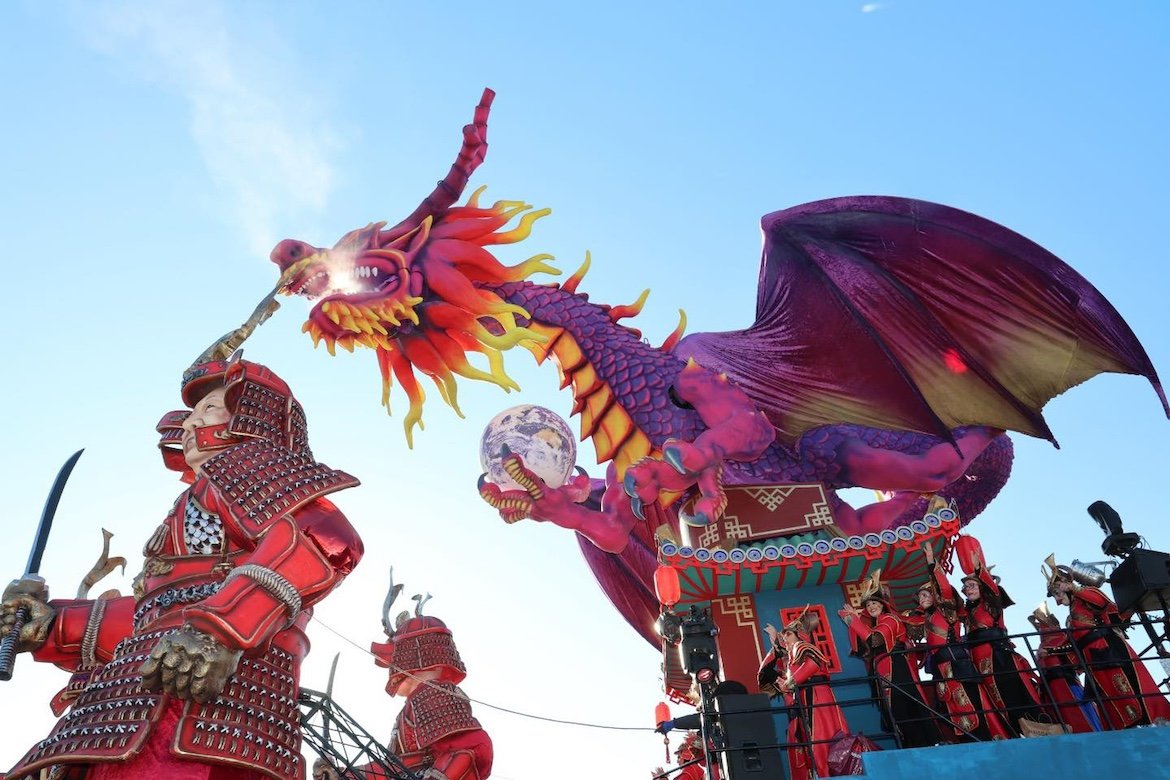
Giant allegorical floats parade along Viareggio’s seafront during the annual Carnival celebrations. Photo: Carnevale di Viareggio / Facebook
When people think of Carnival in Italy, the masked elegance of Venice often comes to mind first. Yet further south, on the Tuscan coast, Viareggio hosts a celebration that rivals Venice in scale, creativity, and cultural impact.
The Viareggio Carnival, held from February 1 to 21, 2026, transforms this seaside city into one of Europe’s most extraordinary open-air stages, attracting hundreds of thousands of visitors with its colossal allegorical floats, biting satire, and deeply rooted community spirit.
Monumental Floats and the Power of Satire
The heart of the Viareggio Carnival lies in its masked parades along the city’s seafront boulevards. Unlike the refined mystery of Venetian masks, Viareggio is defined by sheer scale and visual force. Towering papier-mâché floats, some reaching the height of small buildings, roll through the Viali a Mare carrying oversized figures that comment on politics, society, culture, and global events.
These are not decorative objects but moving narratives, crafted over months by teams of artists, engineers, and artisans who have perfected the art of papier-mâché for generations.
In 2026, six major parades are scheduled, including daytime and evening events that dramatically change the atmosphere of the city. Night parades, illuminated by theatrical lighting, amplify the surreal impact of the floats, while fireworks mark both the opening parade on February 1 and the grand finale on February 21.
Each float competes in official categories, with winners announced at the closing parade, reinforcing the Carnival’s long-standing blend of art, competition, and public spectacle.
A Carnival That Belongs to the City
Beyond the grand parades, Viareggio Carnival lives just as strongly in its neighborhoods. Local districts host street parties, live music, communal dinners, and events for children that extend the celebration far beyond the seafront. These neighborhood festivals reflect the Carnival’s popular soul, where residents and visitors mingle freely, and tradition is passed down through shared experiences rather than formal ceremonies.
For many locals, Carnival is not confined to a ticketed event but unfolds across the entire city throughout February. Afternoon parties for children, evening dances, and food-focused gatherings turn Viareggio into a living festival landscape. This grassroots dimension is what sets Viareggio apart from more tourist-oriented carnivals, preserving a strong sense of local identity even as international attendance grows.
The Citadel of Carnival and a Living Artistic Legacy
At the center of Viareggio’s Carnival culture stands the Citadel of Carnival, a vast creative complex dedicated to preserving and producing the event’s artistic heritage. Here, master builders construct the massive floats inside hangars that double as exhibition spaces, allowing visitors to witness the creative process firsthand. The on-site Carnival Museum traces more than 150 years of history, documenting how Viareggio evolved from a local celebration into one of Italy’s most influential cultural events.
Together, the parades, neighborhood festivals, and creative infrastructure make Viareggio Carnival far more than a seasonal attraction. It is a living expression of satire, craftsmanship, and collective identity, proving that Italy’s most powerful Carnival experience does not belong to Venice alone.
Rome has introduced a €2 entry fee for visitors approaching the Trevi Fountain during peak hours, aiming to reduce crowds and fund preservation of one of the city’s most visited landmarks.
By Yuliya Karotkaya
Published:
The Trevi Fountain in Rome, where new access rules aim to balance tourism demand with preservation and visitor comfort. Photo: Jeff Ackley / Unsplash
Rome has taken a new step in its long-running battle against overtourism by introducing a €2 entry fee for visitors who want close access to the Trevi Fountain. The measure, which applies to tourists and non-residents, marks a significant shift in how the city manages one of its most iconic and heavily visited landmarks.
Completed in 1762 and immortalized by films such as La Dolce Vita, the Trevi Fountain has become a symbol not only of Rome’s artistic heritage but also of the pressures mass tourism places on historic cities.
The new fee applies only during specific daytime hours, when congestion around the fountain is at its worst. On weekdays, ticketed access is required from late morning through the evening, while weekend hours begin earlier. Outside these windows, including late-night hours, visitors can still approach the fountain freely. Importantly, the surrounding square remains open to everyone, allowing passersby to admire the monument from a distance without charge.
Managing crowds at one of Rome’s busiest landmarks
City officials say the goal is not to deter visitors but to manage flows more effectively and improve the experience for those who come. Around ten million people visited the Trevi Fountain last year, often creating dense crowds that made movement difficult and limited the ability to enjoy the site. By regulating close access through a modest fee, Rome hopes to reduce chaos, create safer conditions, and allow visitors more space to take photos and perform the famous coin-toss ritual.
The policy includes several exemptions. Residents of Rome are not required to pay, nor are children under six, visitors with disabilities, or their companions. Officials have emphasized that the measure is designed to balance accessibility with sustainability, rather than turn the fountain into an exclusive attraction.
Revenue generated from the entry fee is expected to be reinvested directly into maintenance and preservation. The Trevi Fountain requires ongoing care due to constant exposure to water, pollution, and heavy foot traffic. While the coins thrown into the basin will continue to be donated to charity, the new ticket income is forecast to provide millions of euros annually to support conservation work across the city’s cultural heritage sites.
The Trevi Fountain fee is part of a broader trend in Italy and across Europe, as historic cities experiment with new tools to manage visitor numbers. Venice has already implemented a day-tripper access charge for its historic center, while Rome introduced a separate fee to enter the Pantheon. Compared with price hikes at major museums elsewhere in Europe, Rome’s €2 charge remains relatively modest.
Reactions from visitors have so far been mixed but largely pragmatic. Many travelers view the fee as a small price to pay for a calmer, more enjoyable experience at one of the world’s most famous fountains. As Rome continues to refine its approach to tourism management, the Trevi Fountain has become a testing ground for how cities can protect cultural icons without closing them off to the public.
With the FIFA World Cup 2026 and nationwide America250 celebrations set to drive record demand, Amtrak is encouraging travelers to book early for what could be the busiest summer in its history.
By Yuliya Karotkaya
Published:
Updated:
Amtrak trains prepare for a surge in passenger demand ahead of the FIFA World Cup 2026 and America250 celebrations. Photo: Amtrak
Amtrak is warning travelers that summer 2026 is shaping up to be one of the most crowded travel seasons in the company’s 55-year history, driven by two massive events unfolding simultaneously across North America.
More than 100 FIFA World Cup matches and nationwide celebrations marking the 250th anniversary of the signing of the Declaration of Independence are expected to draw millions of domestic and international visitors, placing unprecedented pressure on transportation networks. In response, Amtrak is urging customers to book tickets as early as possible to secure seats and avoid last-minute disruptions.
Rail is expected to play a central role in moving fans and visitors between host cities, many of which are already well connected by Amtrak’s national network. The company provides daily service to nearly every U.S. World Cup host city, as well as to Canadian hosts, positioning trains as a practical alternative to congested highways and heavily booked flights. Many stations also offer easy connections to local transit systems or rideshare services, simplifying travel to and from stadiums and event venues.
To prepare for the surge, Amtrak is investing in infrastructure upgrades and operational readiness, particularly along the Northeast Corridor, the busiest passenger rail line in the country. During peak travel days tied to major matches and celebrations, additional maintenance staff and rescue locomotives will be positioned at key locations to quickly address any service issues. Planned maintenance outages will be minimized during high-demand periods to keep trains running as smoothly as possible.
Capacity is also set to increase with the continued rollout of NextGen Acela trains on select routes. These new high-speed trains add seating while offering upgraded First Class and Business Class amenities, helping accommodate demand on heavily traveled city pairs. Across the broader network, Amtrak will deploy specially trained “Amtrak Ambassadors” to assist customers at stations during major travel periods, while increased patrols by the Amtrak Police Department will support safety and crowd management.
Federal transportation officials have framed the summer of 2026 as a global showcase moment for the United States, not just in sports and national celebrations, but also in how effectively its infrastructure moves people. For Amtrak, that means coordinating closely with local, state, and federal partners to ensure reliability at scale.
For travelers, the message is straightforward: demand will be high, flexibility may be limited, and early planning will be essential. Whether traveling to follow World Cup matches, attend anniversary events, or simply navigate a uniquely busy summer, booking rail travel well in advance could make the difference between a smooth journey and a stressful scramble for seats.
Uniworld Boutique River Cruises and Luxury Gold are joining forces to launch a new collection of extended Cruise & Tour itineraries in 2027, combining river cruising with immersive land travel across Europe.
By Yuliya Karotkaya
Published:
Updated:
A luxury river cruise paired with immersive land travel highlights Uniworld and Luxury Gold’s new Cruise & Tour journeys across Europe. Photo: Uniworld
Uniworld Boutique River Cruises has partnered with sister brand Luxury Gold to introduce a new category of extended European vacations that blend boutique river cruising with curated land tours. The new Cruise & Tour collection, launching in 2027, reflects a growing demand among high-end travelers for longer, more seamless journeys that combine multiple regions and travel styles without sacrificing comfort or service.
The initial lineup includes five itineraries ranging from 17 to 20 days, with prices starting at $12,899 per person. Each journey pairs a Uniworld river cruise with a Luxury Gold land program, allowing guests to move effortlessly between waterways and inland destinations under a single booking. The itineraries are designed to feel cohesive rather than segmented, with hotel stays, guided sightseeing, and exclusive cultural access woven into a unified experience supported by round-the-clock concierge service.
One of the flagship journeys is a 17-day Switzerland and Danube itinerary that travels from Geneva to Budapest, combining alpine rail travel and cultural highlights with a Danube River cruise aboard the Maria Theresa. Guests ride the panoramic Glacier Express, enjoy private museum access in Lucerne, and explore resort towns such as St. Moritz before transitioning to the river portion of the trip.
Another itinerary links Britain and France on a 17-day journey from Edinburgh to Paris, featuring a Seine cruise aboard the Joie de Vivre. The land segment spans Scotland and England, with visits to historic castles, the Lake District, and Stonehenge, before continuing into Normandy and Paris for culinary experiences, historic sites, and behind-the-scenes access at Versailles.
Italy is explored in depth on a 19-day roundtrip itinerary from Venice that pairs a Venetian lagoon cruise on La Venezia with an extensive land journey through Rome, Florence, Capri, and Pompeii. Other offerings include a Switzerland and Rhine program that extends into France, Germany, and the Netherlands, and a 20-day Portugal and Spain itinerary combining Madrid, Andalusia, and a Douro River cruise ending in Porto.
By merging river cruising with small-group land travel, Uniworld and Luxury Gold are positioning these journeys as a new benchmark for travelers seeking depth, continuity, and a more expansive way to experience Europe in a single, thoughtfully designed trip.
Join our list to receive latest Blockchain, Crypto & Fintech news:
WordPress database error: [Table 'u752143311_aXVuj.wp_coingecko_coins' doesn't exist]
SELECT coins.*, meta.post_id as post_id
FROM `wp_coingecko_coins` coins
INNER JOIN wp_postmeta meta ON (meta.meta_key = 'wpcf-coin-main-tag' AND meta.meta_value = coins.slug )
ORDER BY market_cap_usd
DESC LIMIT 9