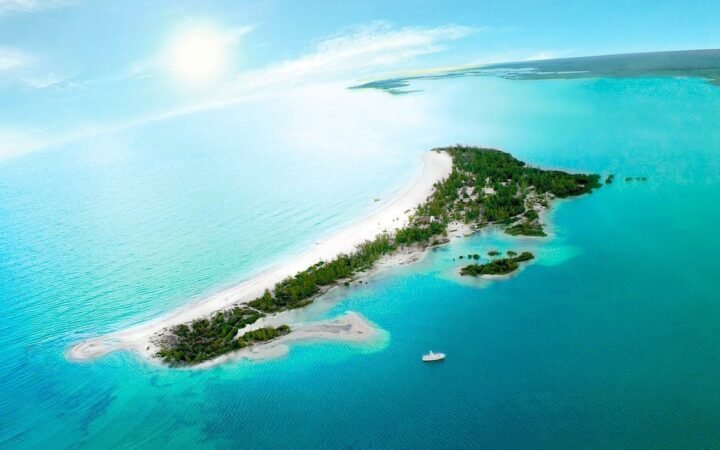
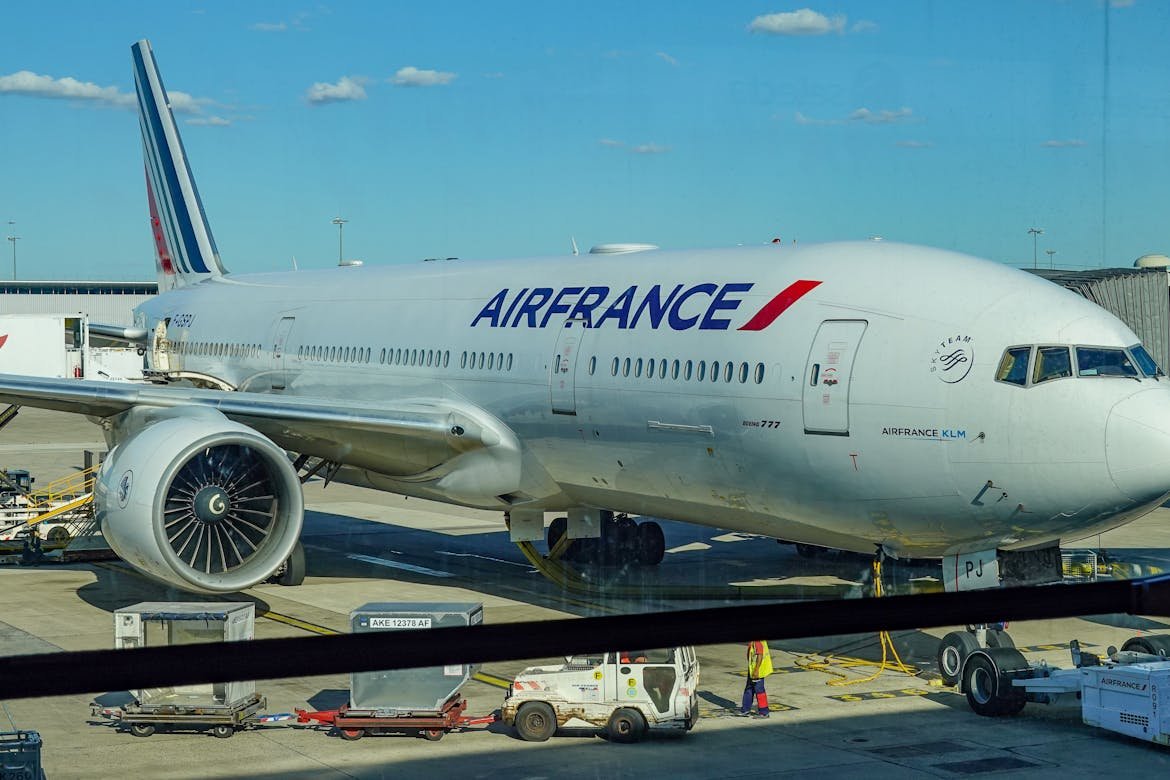
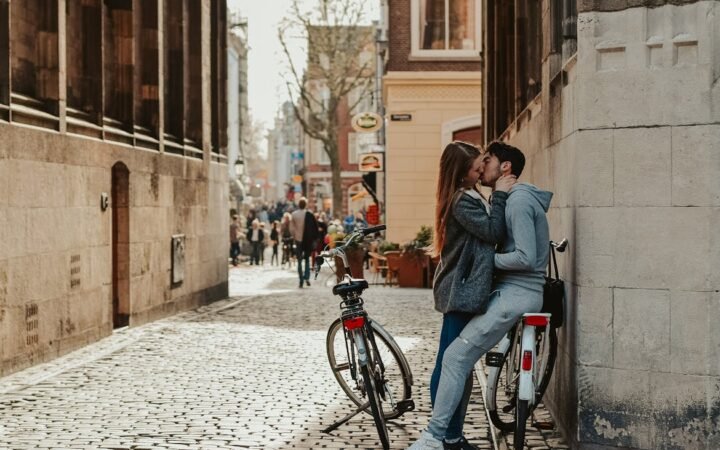
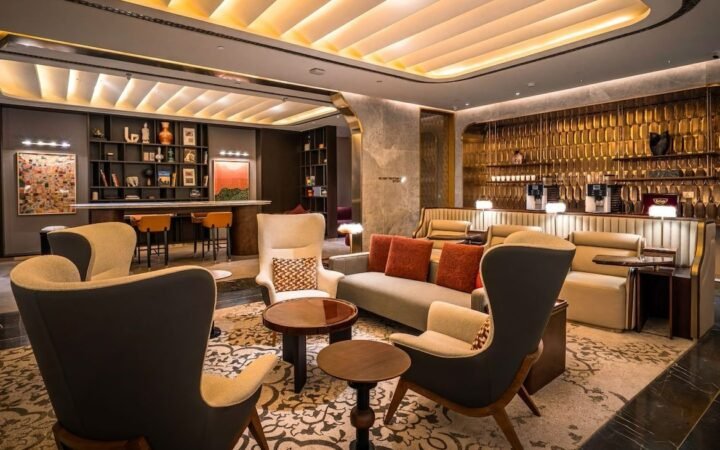
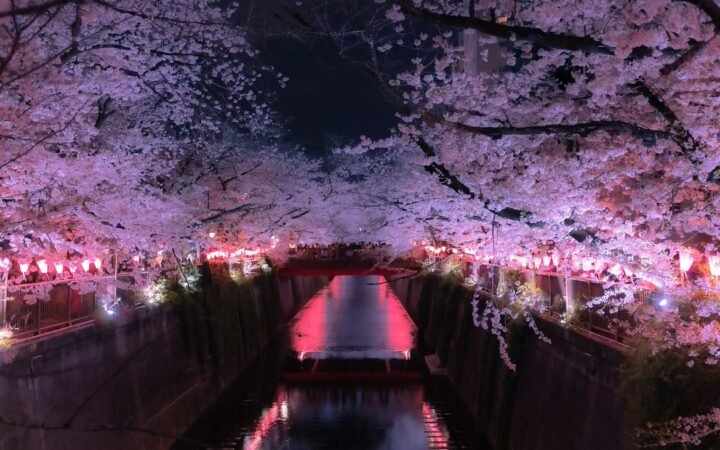
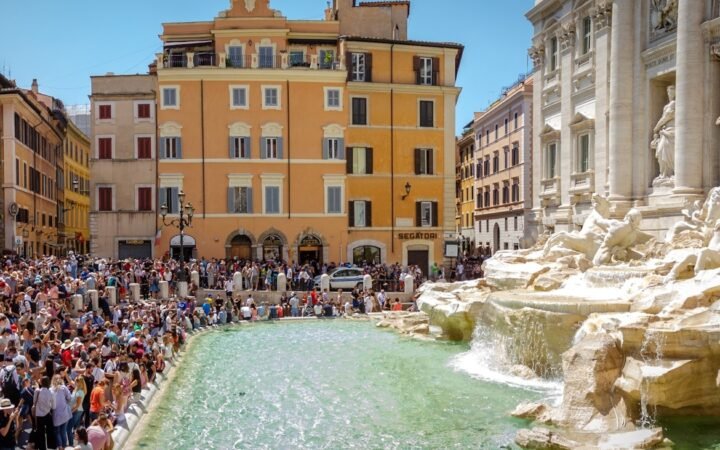
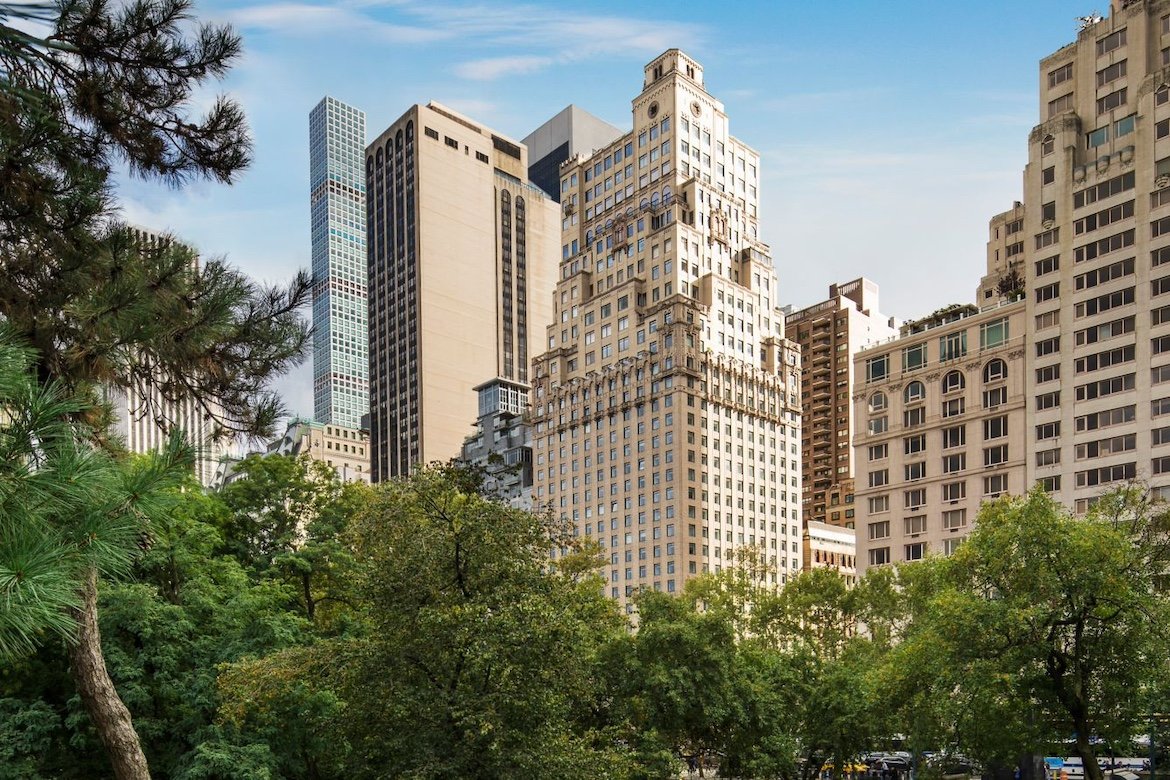
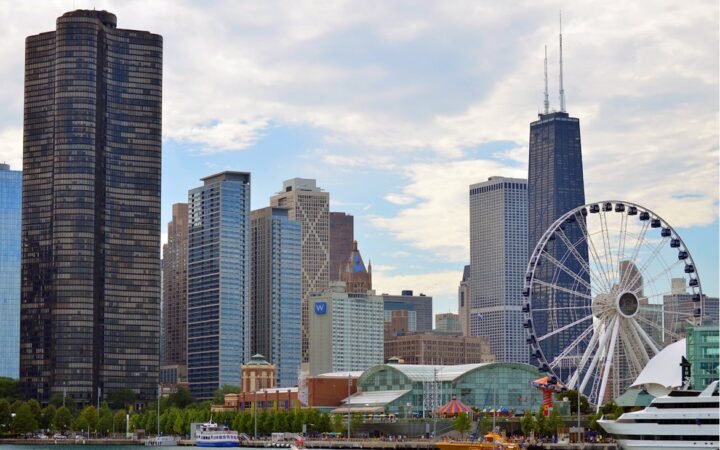
From winter sun in southern Europe to quiet alpine towns and moody coastal landscapes, these 14 Valentine’s Day travel ideas focus on atmosphere, shared time, and meaningful escapes rather than clichés.
By Yuliya Karotkaya
Published:
Updated:
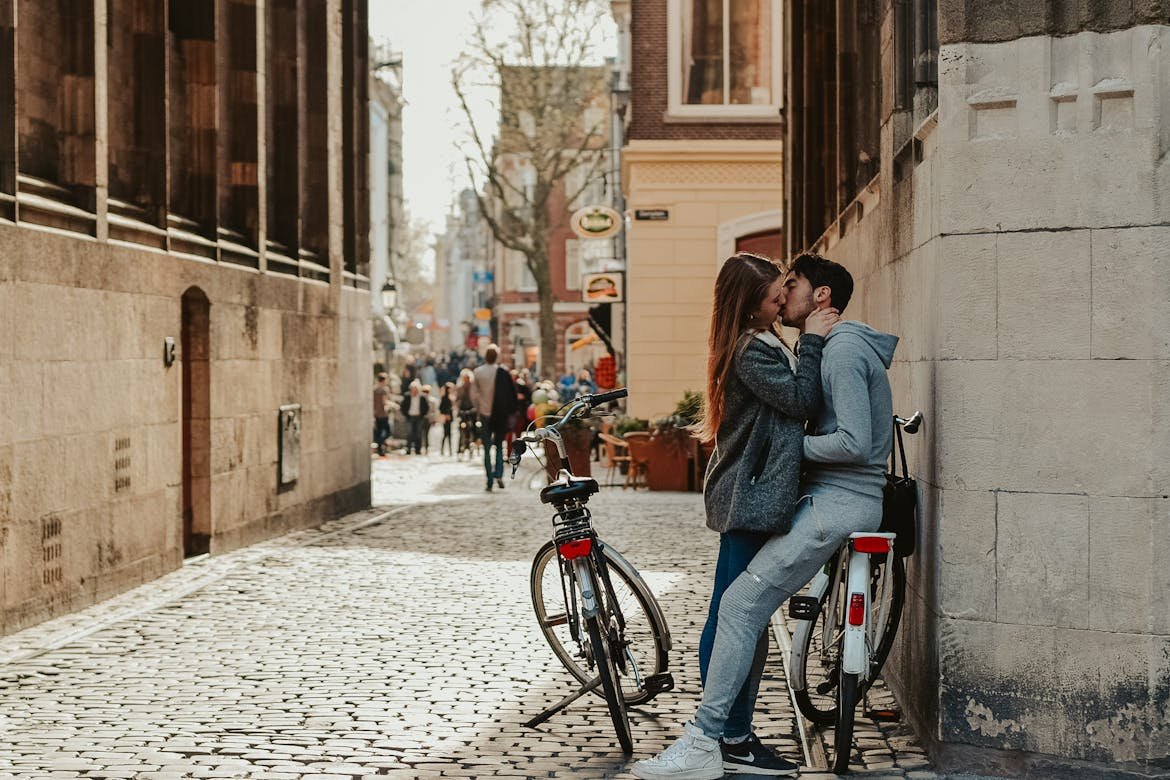
Valentine’s Day travel ideas across Europe, from warm southern cities and coastal landscapes to snowy towns and slow, romantic city breaks. Photo: Tim Gouw / Pexels
Valentine’s Day travel is less about grand gestures and more about shared moments. A change of scenery, slower mornings, and places that invite conversation often matter more than luxury or distance.
Europe is ideal for this kind of escape, offering compact cities, rich atmosphere, and destinations that feel romantic without trying too hard. These 14 ideas focus on mood, setting, and experience rather than checklists. They work just as well for a long weekend as for a spontaneous midweek getaway.
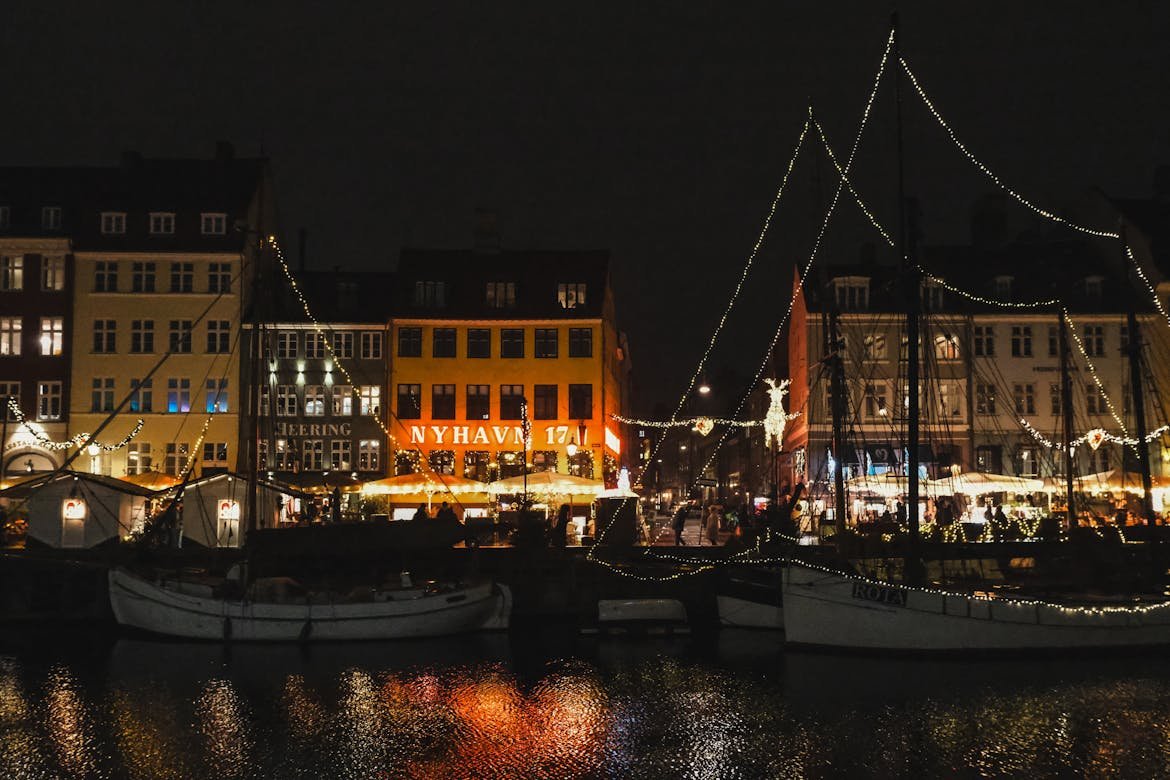
1. A Design-Led Weekend in Copenhagen
Copenhagen is perfect for couples who appreciate calm, order, and understated beauty. The city encourages slow mornings, thoughtful walks, and meals that stretch longer than planned. Winter adds intimacy, with soft light, quiet streets, and warm interiors. You can spend hours simply walking along the water or exploring neighborhoods without feeling rushed. Romance here feels modern and relaxed rather than dramatic. It’s an ideal choice if you want quality time without constant stimulation.
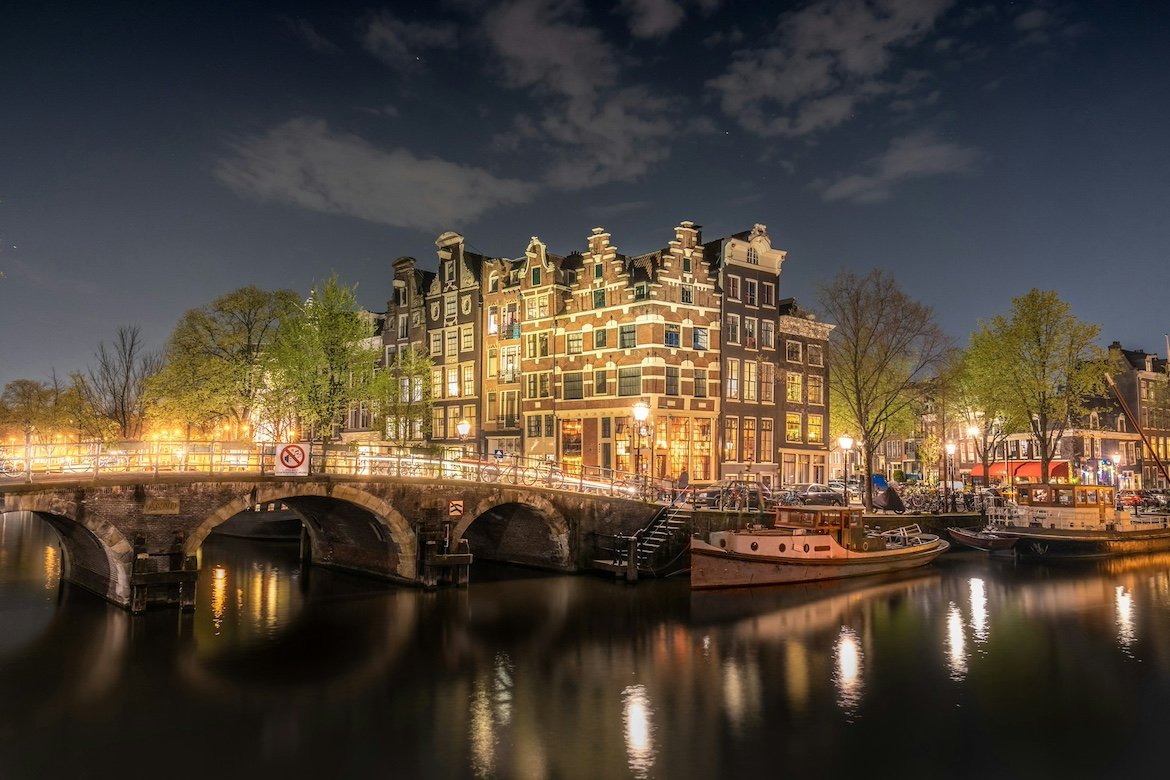
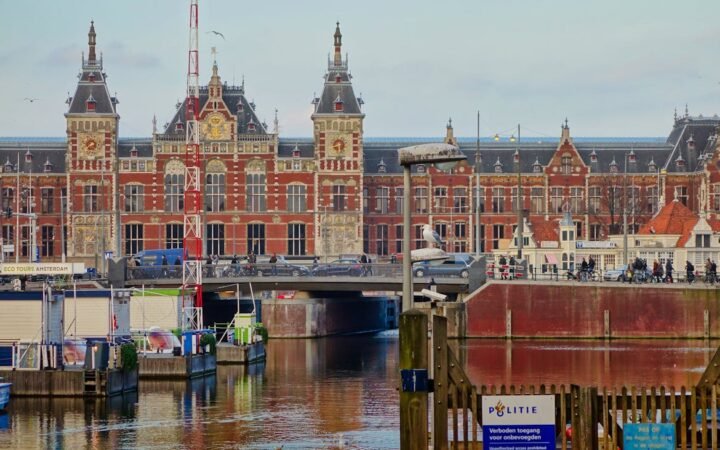
2. Nighttime Canals in Amsterdam
Amsterdam feels most romantic after dark, when the streets quiet down and the canals reflect soft lights. The city’s compact layout makes wandering easy and unplanned. You can move from one neighborhood to another without effort, letting the evening unfold naturally. Mornings are unhurried, with time for coffee and browsing small streets. The overall mood is intimate rather than grand. It’s well suited to couples who like conversation, walking, and a sense of discovery.
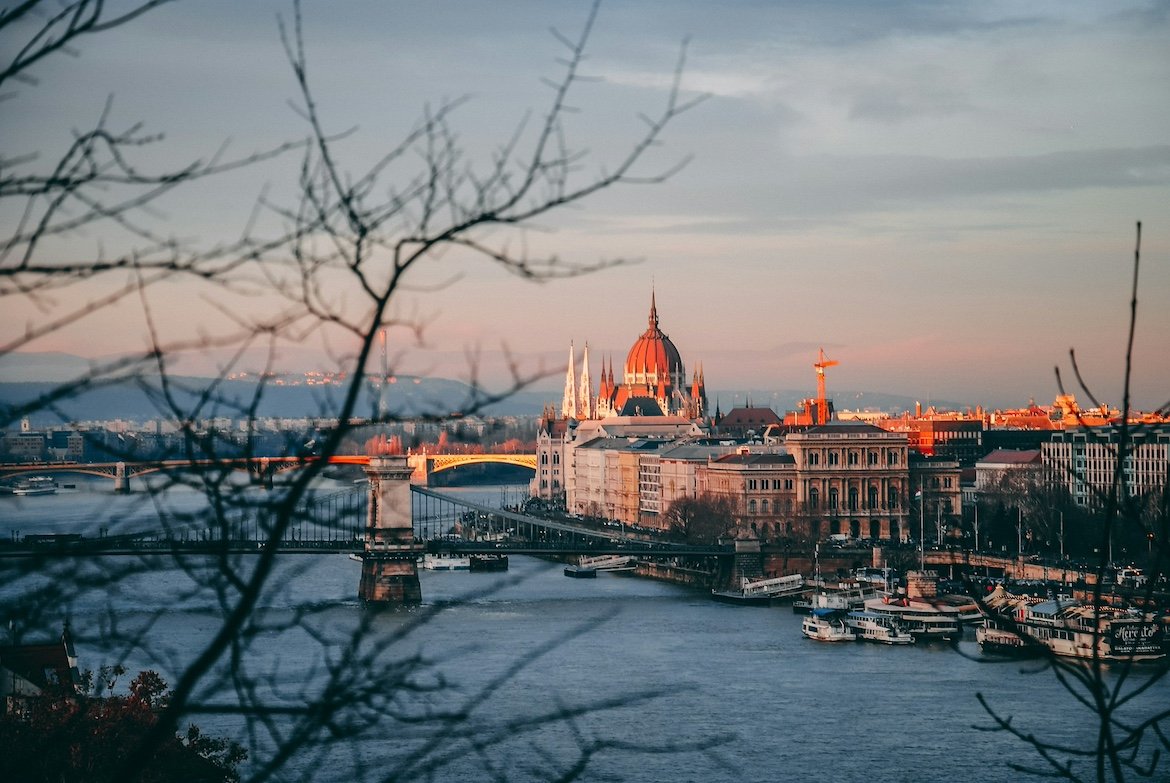
3. Thermal Baths and Winter Evenings in Budapest
Budapest is built around the idea of warmth and contrast. Winter days spent moving between hot water and cold air feel grounding and indulgent at the same time. The city’s architecture adds drama, especially at night when buildings are softly lit. Evenings tend to slow down, encouraging long dinners and quiet walks. It’s romantic without being precious. This is a great option if you want relaxation mixed with a sense of place.
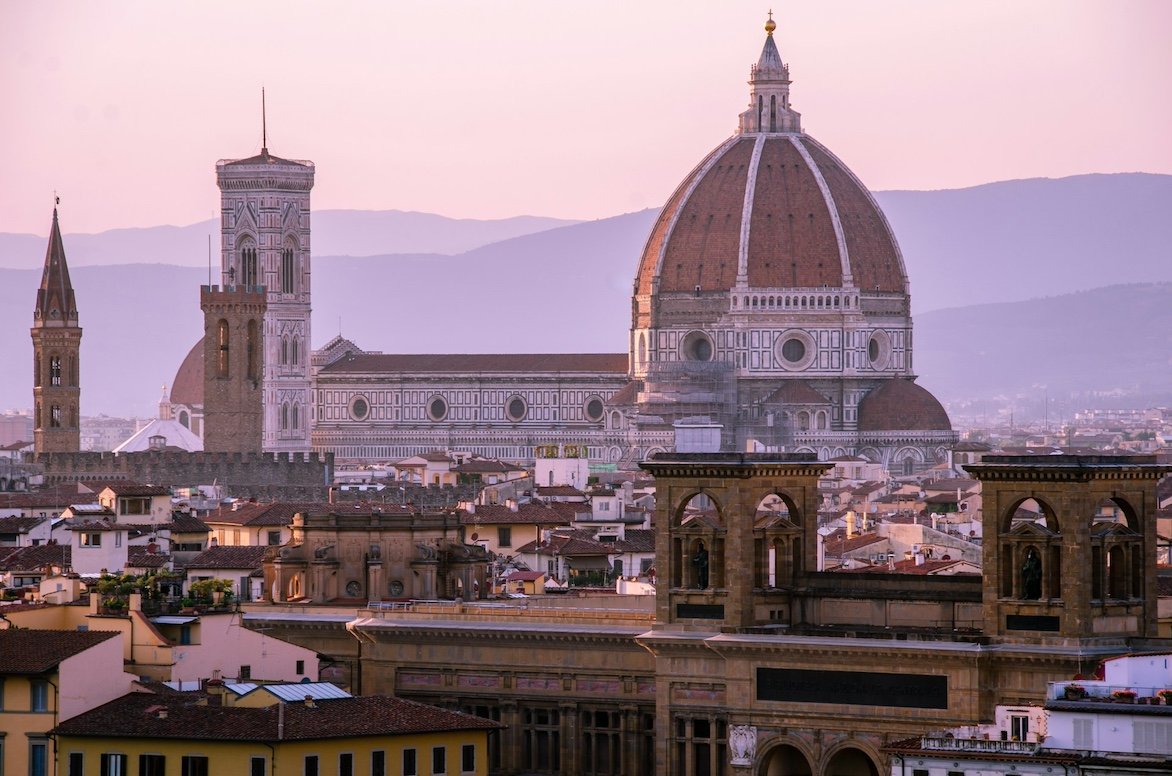
4. A Focused Cultural Escape in Florence
Florence rewards couples who resist the urge to do too much. Choosing just one cultural highlight and giving it your full attention changes the experience entirely. The city feels more intimate when you move slowly through it. Sunset walks and shared meals become the real highlights of the trip. There’s a natural rhythm to days here that suits Valentine’s travel well. Florence works best when you let it breathe.
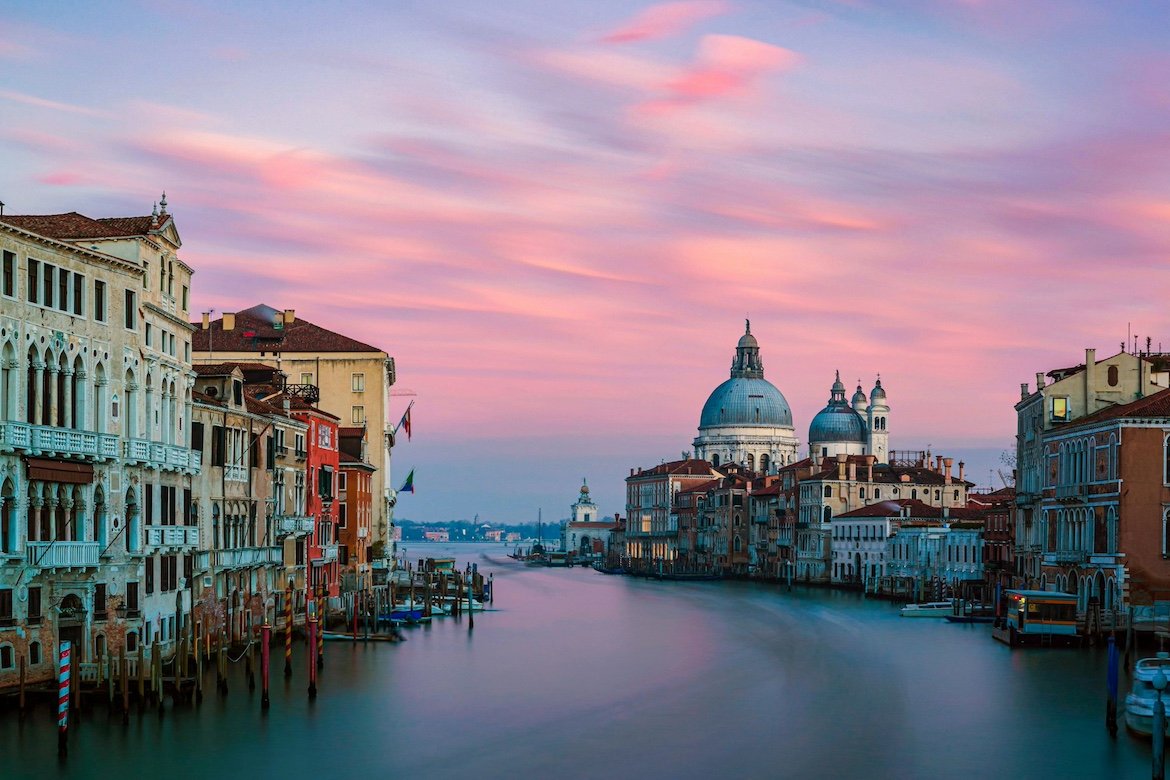
5. Quiet Mornings in Venice
Venice reveals its most romantic side early in the day. Without crowds, the city feels almost private, with empty bridges and echoing footsteps. Wandering without a plan is part of the charm. Small moments, like crossing a canal or sitting in a quiet square, become meaningful. Evenings are best kept simple and unstructured. Venice rewards couples who appreciate atmosphere over activity.
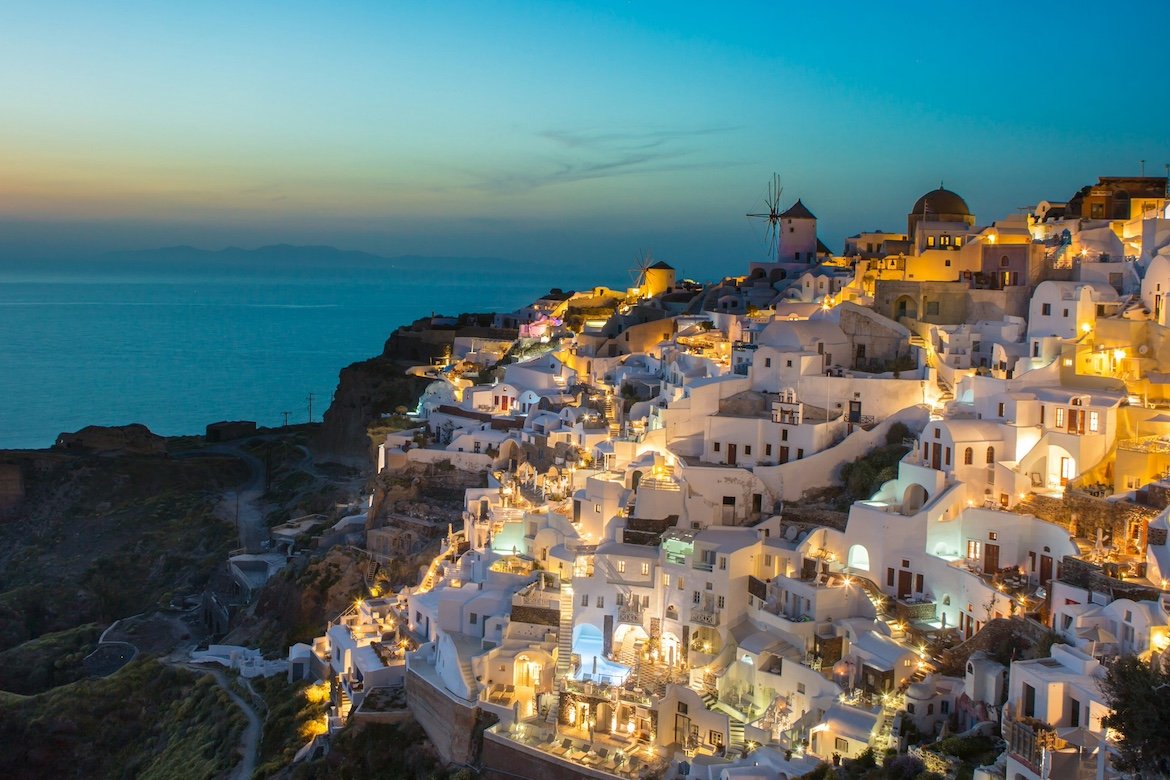
6. Winter Calm in Santorini
Santorini outside peak season feels dramatic and introspective. The landscape is raw, with wind, sea, and light shaping the mood. Days are slower, often built around walks and long views rather than plans. Evenings feel cozy and quiet, ideal for conversation. The island becomes more about space and silence than spectacle. It’s a strong choice for couples who enjoy moody settings and minimal distractions.
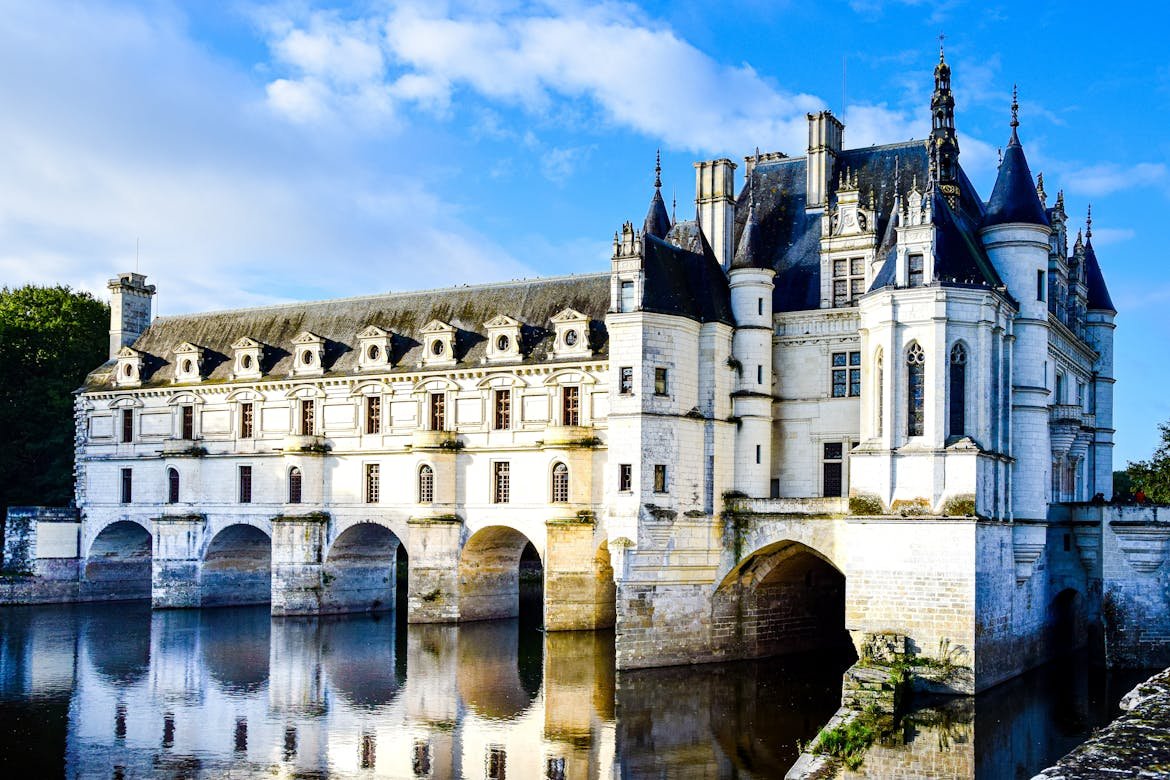
7. Château Towns in the Loire Valley
The Loire Valley in winter feels timeless and unhurried. Smaller towns become the focus rather than major attractions. Days revolve around architecture, landscape, and simple meals. The absence of crowds makes everything feel more personal. Evenings are quiet and reflective. This kind of trip suits couples who want elegance without intensity.
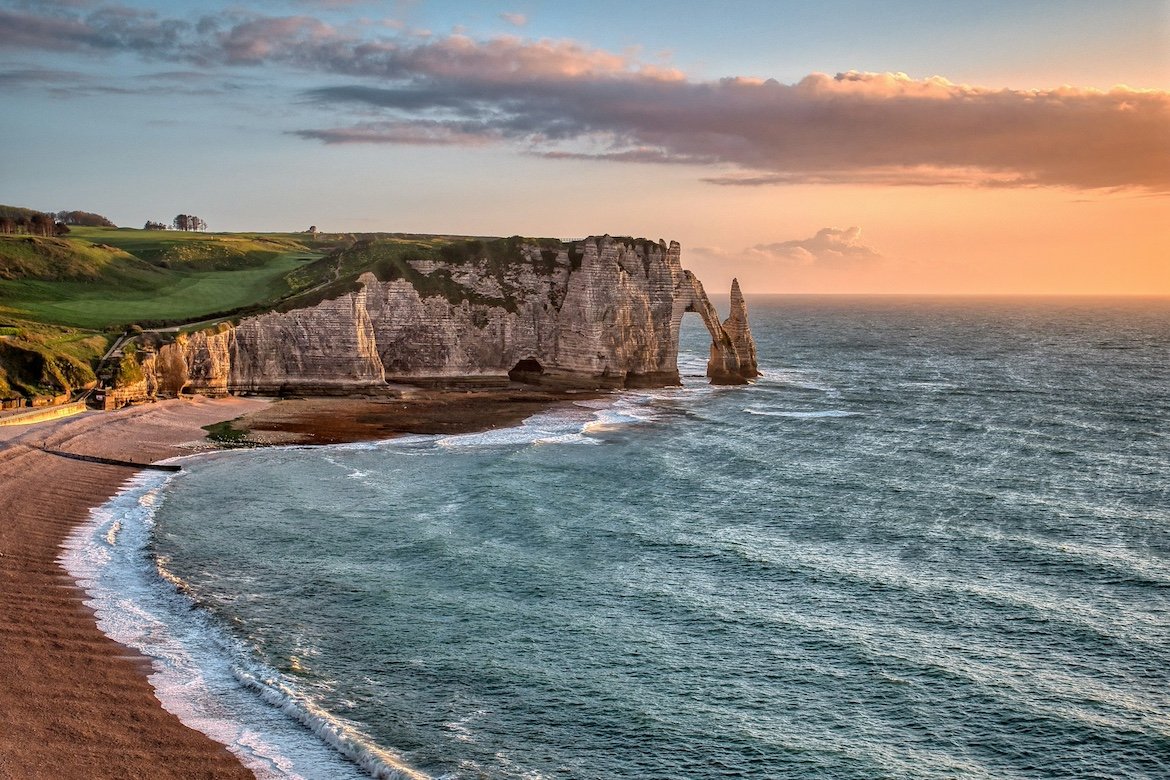
8. Clifftop Walks and Sea Air in Étretat
The white cliffs of Étretat offer a kind of romance that feels raw and cinematic rather than polished. Long walks along the edge of the cliffs encourage quiet conversation and shared pauses, especially in winter when the landscape feels more dramatic and less crowded. The sound of the sea and the changing light create a natural rhythm to the day. There is little pressure to plan or perform here, just space to be together. Even simple moments, like watching waves crash below, feel memorable. Étretat suits couples who prefer nature-driven romance over traditional city escapes.
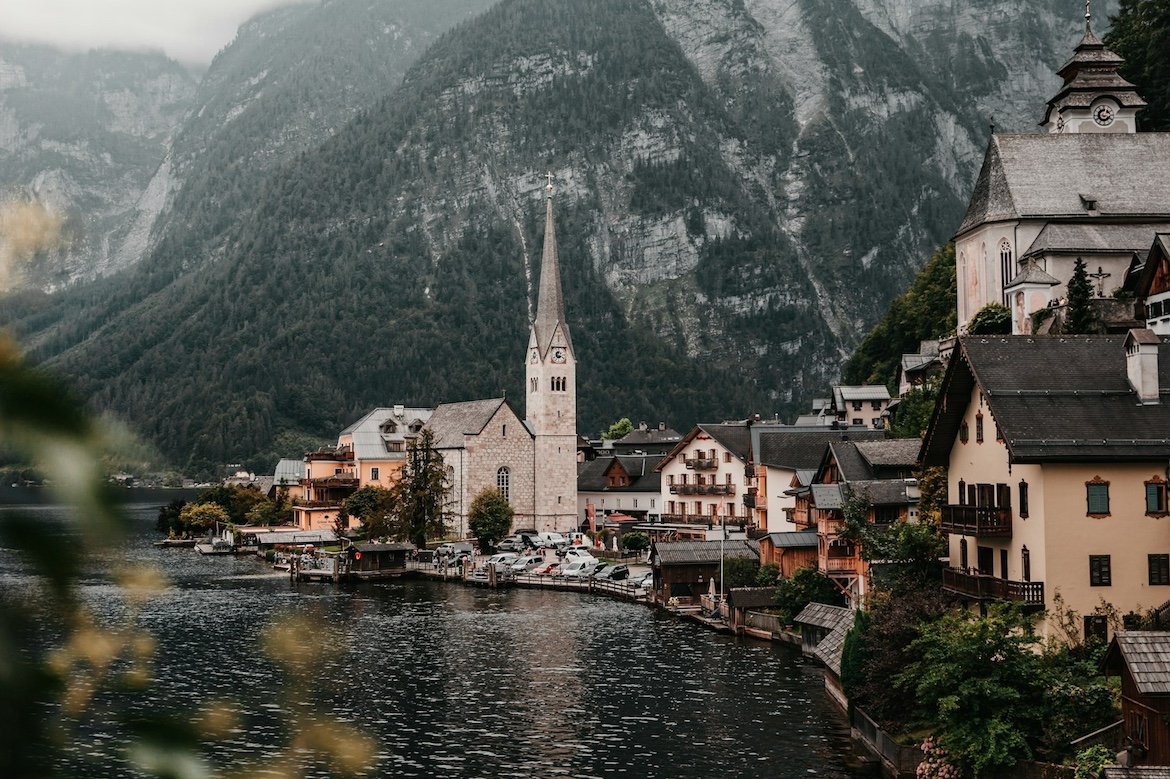
9. Winter Stillness in Hallstatt
Hallstatt in winter feels almost unreal, especially when snow settles on rooftops and the lake goes still. The village is small enough to explore entirely on foot, making every walk feel intimate and unhurried. Views across Lake Hallstatt change constantly with the light, turning simple moments into shared pauses. Without summer crowds, the town feels quieter and more personal. Afternoons naturally slow down, encouraging time indoors and long conversations. Hallstatt suits couples who want visual beauty, silence, and a setting that feels removed from everyday life.
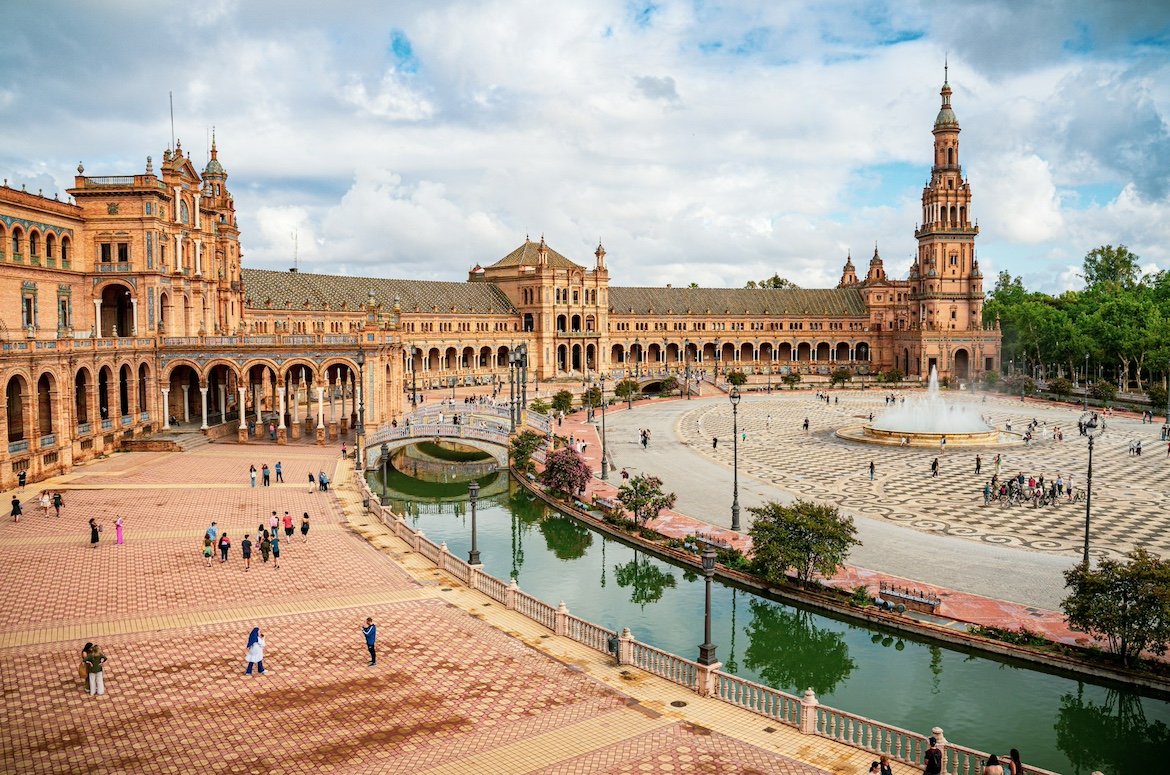
10. Winter Sun and Slow Days in Andalusia
Andalusia offers one of the most comfortable winter climates in mainland Europe, making it ideal for a Valentine’s escape without cold weather. Cities like Seville, Cordoba, and Granada are compact, atmospheric, and easy to explore on foot. Days naturally revolve around wandering historic streets, pausing in courtyards, and sitting in the sun with no urgency. The rhythm is slow and human, encouraging conversation rather than sightseeing marathons. Evenings stay mild, perfect for long walks after dinner. Andalusia suits couples who want warmth, culture, and a sense of place without the logistics of long travel.
11. Train Journeys Across Swiss Alps
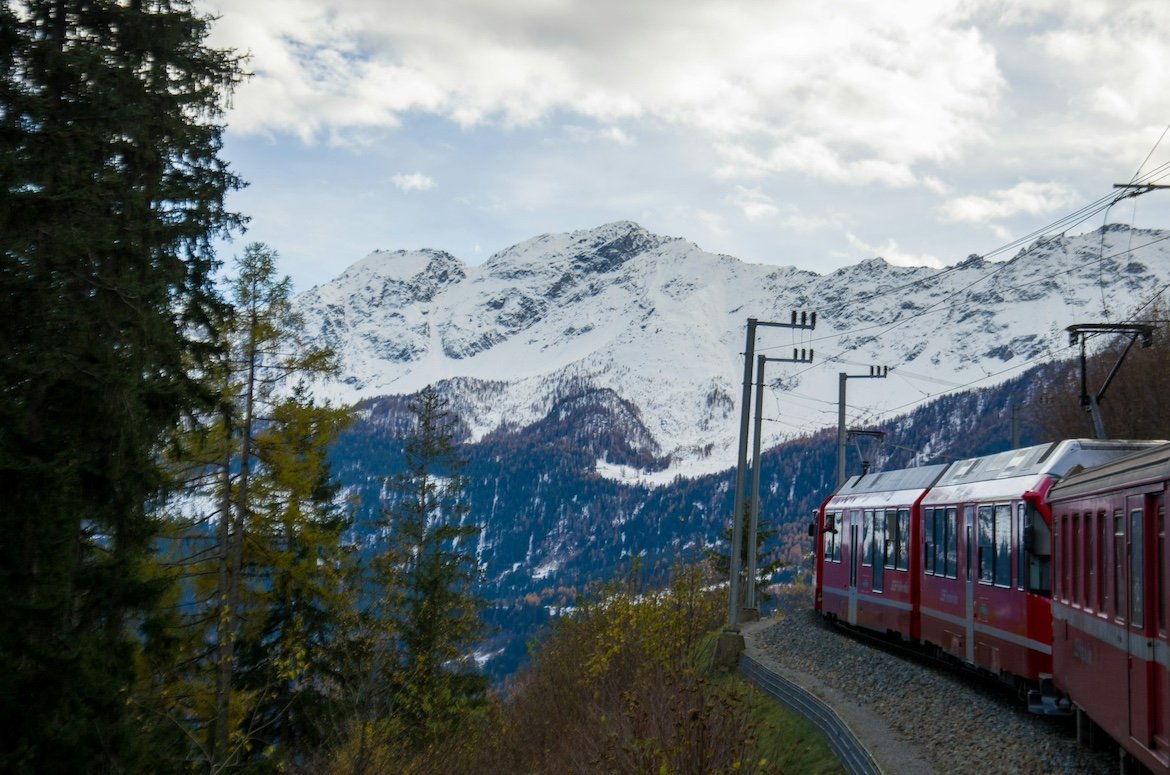
A scenic train journey through the Swiss Alps turns travel itself into the main experience. Routes connecting places like Zermatt, St. Moritz, and Lucerne offer constant views of mountains, valleys, and frozen lakes. Sitting side by side, watching the scenery change, creates shared quiet moments that feel surprisingly intimate. Stops are purposeful rather than rushed, encouraging shorter walks and relaxed evenings. Winter adds clarity and contrast to the landscapes. This idea suits couples who enjoy observation, conversation, and a slower pace.
12. Off-Season Coastal Days in Algarve
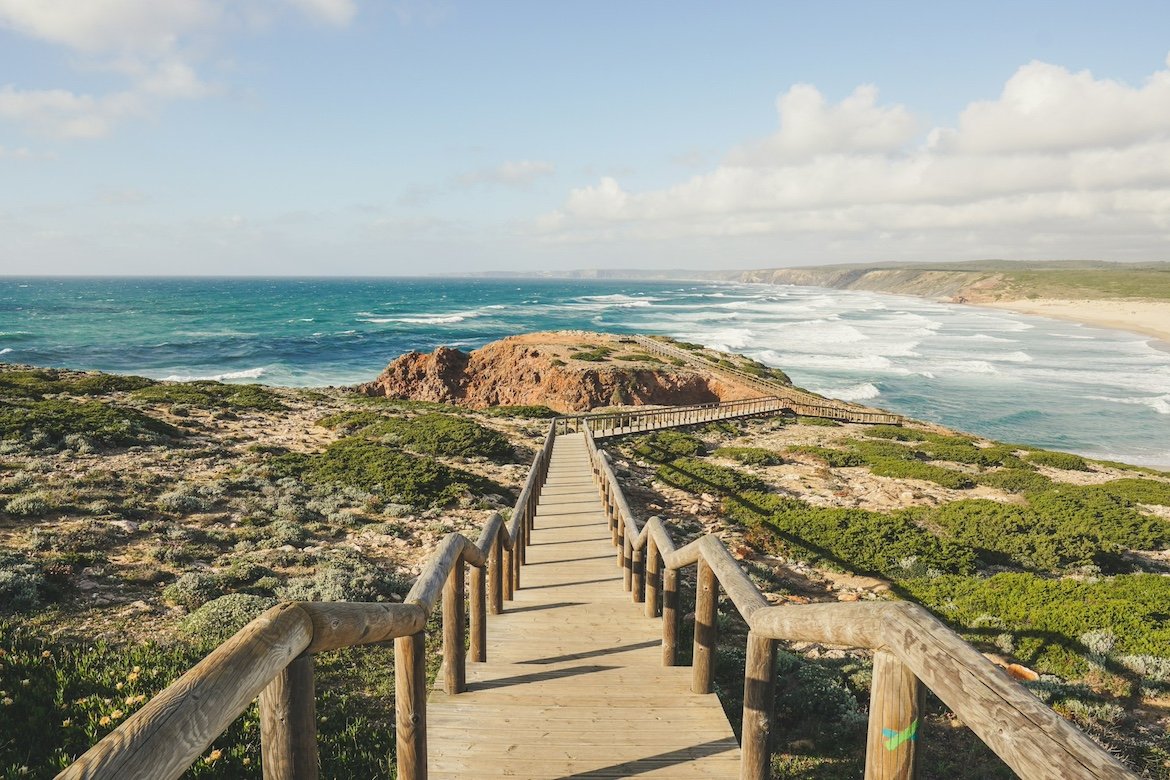
The Algarve in winter offers a softer, calmer version of the coast. Towns like Lagos or Tavira feel more local and less touristic outside peak season. Long coastal walks along cliffs become the focus of the day, followed by slow afternoons indoors. The light is bright but gentle, making even simple moments feel elevated. Evenings are quiet and unstructured. It’s a strong choice for couples who want warmth, sea air, and simplicity rather than constant activity.
13. A Winter Mountain Stay in Chamonix Without Skiing
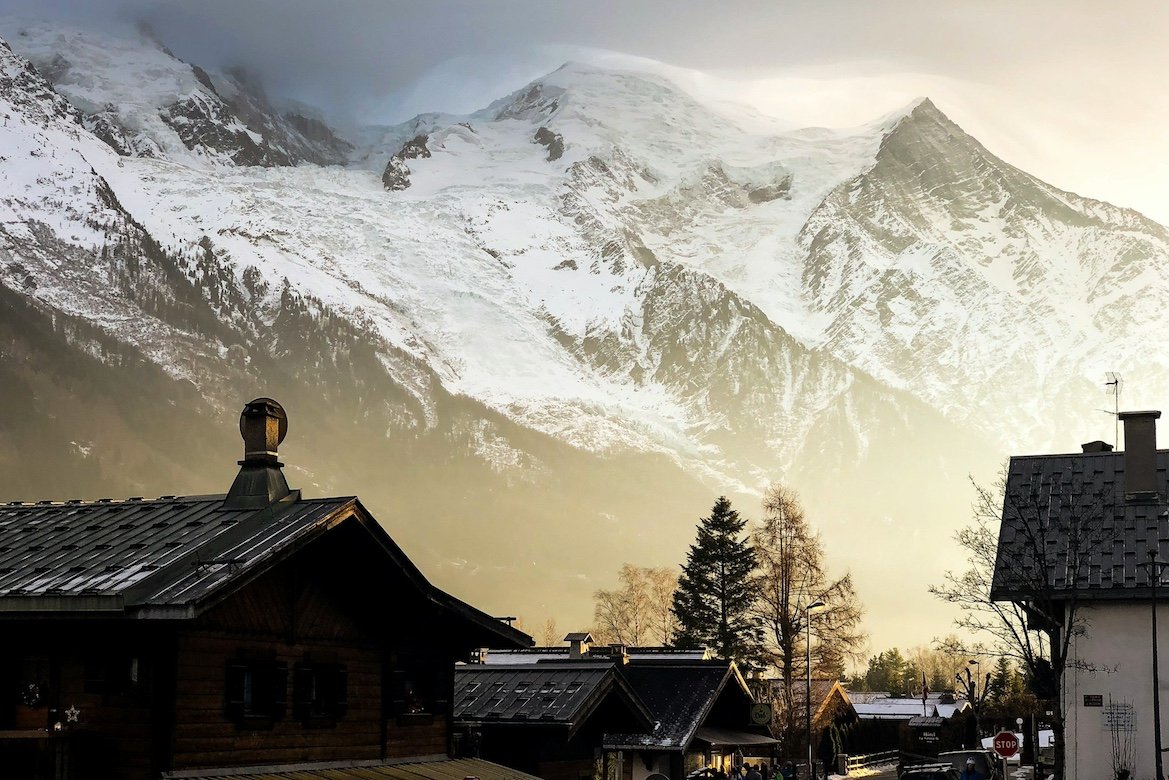
Chamonix offers winter romance even if you never touch the slopes. The town sits beneath dramatic peaks, making scenery unavoidable and ever-present. Cable cars and viewpoints provide access to high-altitude landscapes without physical effort. Days naturally alternate between short outings and long periods of rest. Snow creates a sense of enclosure that draws attention inward, toward shared time. This is ideal for couples who want a winter atmosphere without a packed schedule.
14. Living Inside a Neighborhood in Paris
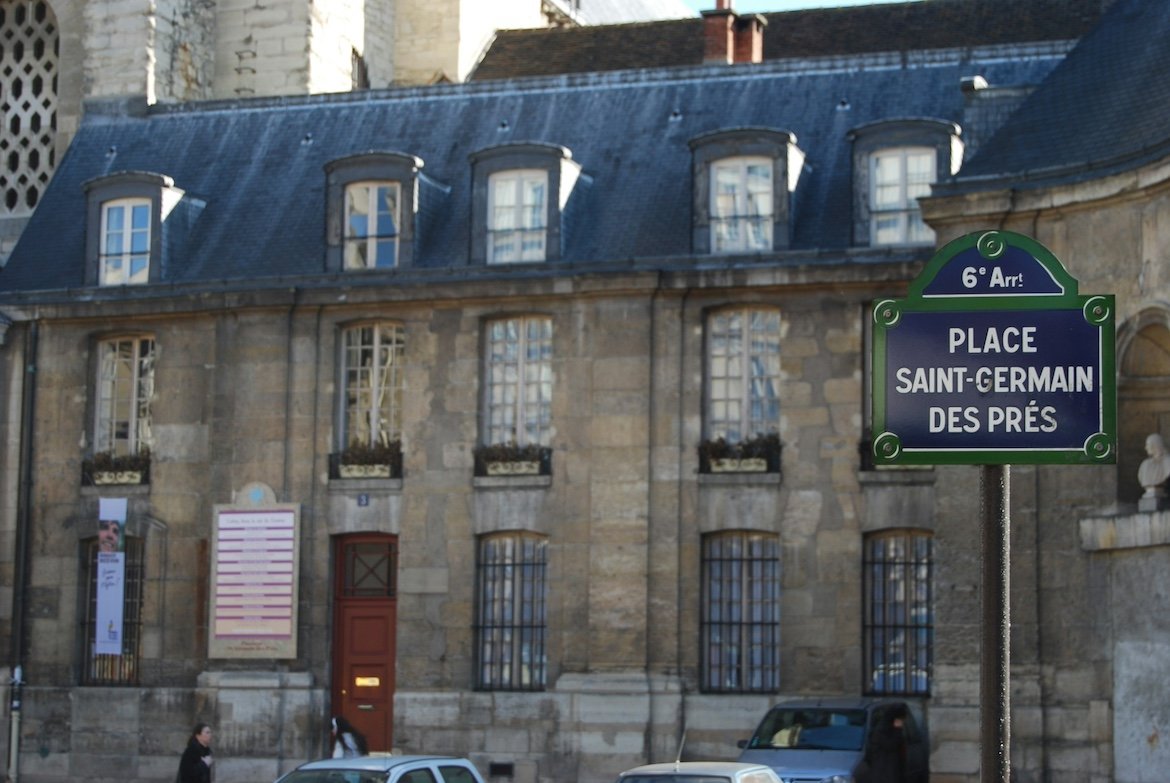
Paris becomes far more romantic when you limit your radius. Choosing a neighborhood like Canal Saint-Martin or Saint-Germain-des-Prés shifts the focus from sightseeing to daily life. Days revolve around walking familiar streets, returning to the same corners, and noticing small details. Without rushing between landmarks, the city feels personal rather than performative. Valentine’s Day here is about routine made special. Paris works best when it feels lived in, not consumed.
OpenAI has begun testing ads inside ChatGPT, opening a new channel for travel brands to reach consumers during trip planning conversations.
By Yuliya Karotkaya
Published:
Updated:
ChatGPT’s ad pilot introduces sponsored travel recommendations inside conversations, reshaping how travelers discover destinations, hotels, and flights. Photo: OpenAI
The way travelers search for information is shifting again. In early 2026, OpenAI began testing advertisements inside ChatGPT, marking a significant change in how commercial content may appear within conversational AI.
For the travel industry, the move opens a new and potentially powerful channel, placing sponsored offers directly into trip planning discussions rather than alongside traditional search results or social feeds.
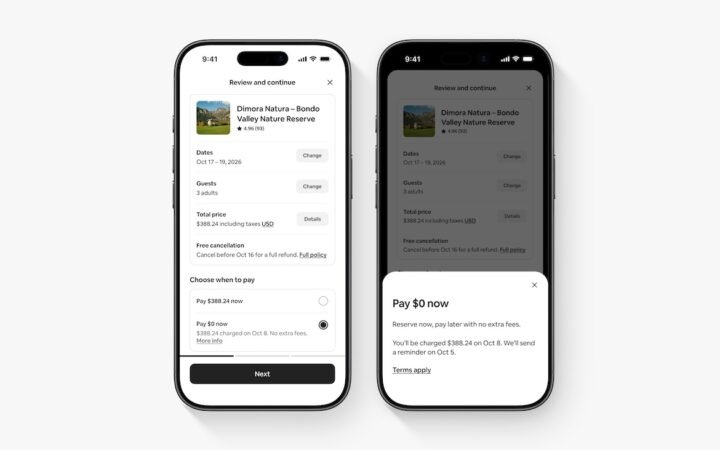
Unlike classic digital advertising, ads in ChatGPT are designed to appear as part of an ongoing conversation. When users ask about destinations, hotels, or flights, sponsored placements may surface that match the context of the query. Early examples shown by OpenAI include lodging suggestions appearing while users plan a trip, blurring the line between neutral guidance and paid promotion.
For travel brands, the appeal lies in timing. These ads reach users at a moment of high intent, when decisions are actively being shaped rather than casually explored.
Why Conversational Ads Matter for Travel
Travel planning is naturally conversational. People compare options, ask follow-up questions, and refine preferences as they go. ChatGPT already plays the role of an advisor, helping users draft itineraries, compare destinations, or understand logistics. Introducing ads into that flow gives travel companies a chance to appear precisely when users are most receptive.
Major platforms such as Booking.com and Expedia already integrate inventory into AI-driven environments, and advertising adds another layer of visibility. Instead of interrupting browsing with banners or pop-ups, sponsored content can be woven into recommendations, comparisons, or next-step suggestions. For tour operators and hotels, this could mean fewer impressions but stronger relevance, potentially improving conversion rates despite higher costs.
At the same time, conversational ads raise questions about transparency and trust. Users tend to place a high level of confidence in AI-generated responses, often treating them as impartial guidance. If sponsored placements are not clearly distinguished, brands risk benefiting in the short term while undermining long-term credibility of the platform. OpenAI has signaled that ads will be clearly labeled, but how users perceive and react to them will shape adoption.
Risks, Costs, and the Need for Balance
As with any emerging advertising channel, uncertainty remains. Pricing models for ChatGPT ads are still evolving, and costs may rise quickly if demand outpaces supply. Smaller travel operators could struggle to compete if bidding dynamics resemble those of mature search platforms. There is also the risk of commoditization, where AI prioritizes price-driven offers, making it harder for experience-led brands to communicate value.
Dependence on a single platform is another concern. Visibility within ChatGPT will likely be influenced by internal algorithms beyond advertisers’ control, making performance vulnerable to sudden changes. For this reason, many industry observers stress experimentation rather than full commitment. Testing conversational ads alongside existing channels allows brands to learn without overexposure.
In the broader picture, ads in ChatGPT reflect a deeper change in how travel discovery works. Planning is becoming more guided, more personalized, and less reliant on lists of links. For travel brands willing to adapt, conversational advertising offers access to engaged audiences at decisive moments. The challenge will be finding the balance between relevance, trust, and cost as AI-driven travel planning continues to mature.
A new Nickelodeon-branded resort planned for Oman signals a shift toward family-oriented luxury travel as the country expands its tourism ambitions.
By Yuliya Karotkaya
Published:
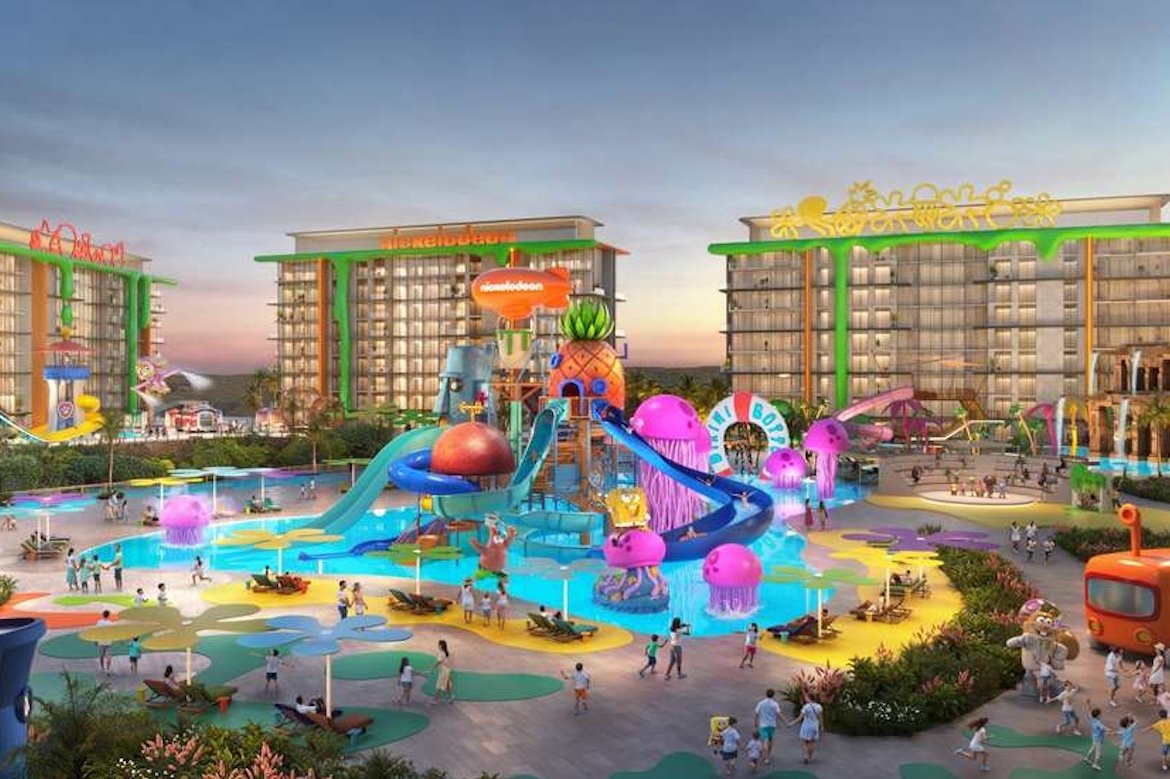
A new Nickelodeon-branded resort in Oman reflects the country’s push toward family-focused luxury tourism and large-scale destination development. Photo: Dar Global
Oman is preparing to welcome a new kind of resort experience as Nickelodeon expands its global footprint with a family-focused hotel planned for the outskirts of Muscat.
The project will form part of the AIDA development, a large mixed-use destination led by Dar Global, and marks one of the most high-profile entertainment-branded hotel announcements in the country to date.
For Oman, the arrival of a globally recognized family brand highlights how its tourism strategy is evolving beyond traditional luxury and heritage travel.
The Nickelodeon Hotel & Resorts Oman will feature 120 accommodations, ranging from one-bedroom units to expansive three-bedroom residences designed with families in mind.
The resort’s amenities are built around immersive entertainment, including an Aqua Nick waterpark with slides and splash zones, themed dining venues, and a dedicated Club Nick kids clubhouse. Live entertainment will be a central part of the experience, with interactive game shows, character appearances, and Nickelodeon’s signature slime moments woven into the daily program.
The first phase of the wider AIDA project is expected to be completed next year, placing the Nickelodeon hotel among the early attractions within the development.
A New Direction for Family Travel in Oman
Nickelodeon’s arrival reflects a broader shift in Oman’s tourism ambitions toward more diversified visitor profiles. Traditionally known for its landscapes, culture, and understated luxury, the country is increasingly positioning itself as a destination for families seeking resort-style experiences. By integrating a playful, entertainment-driven concept into a luxury setting, the project introduces a different tone to Oman’s hospitality offering while remaining aligned with its premium aspirations.
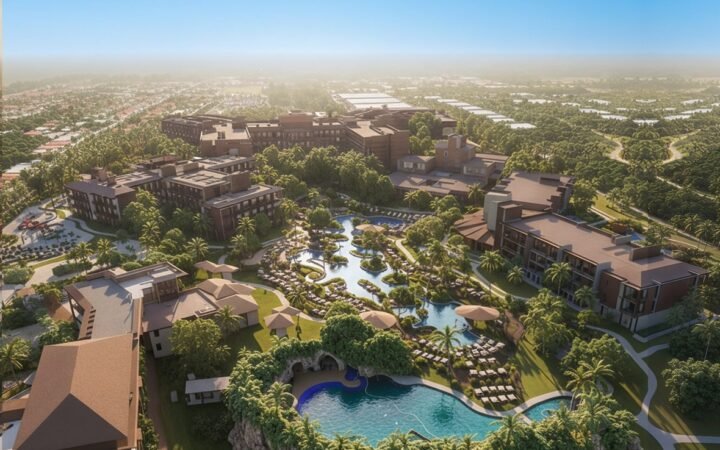
The resort will sit within AIDA’s clifftop community, roughly 130 meters above sea level, offering views over the surrounding coastline and access to a wider network of leisure, residential, and golf facilities. The master-planned development spans millions of square meters and blends hospitality with high-end living, reinforcing the idea of long-stay and repeat visitation.
For travelers, the Nickelodeon resort provides a familiar global brand in a destination that may feel less obvious for family-focused vacations, potentially lowering barriers for first-time visitors.
Investment, Branding, and Long-Term Vision
Beyond tourism, the project carries a strong investment narrative. The Nickelodeon hotel forms part of a joint venture between Dar Global and Omran Group, tying it closely to national development goals. Oman Vision 2040 places tourism at the center of economic diversification, and large-scale branded projects like AIDA are designed to attract international capital alongside visitors.
Globally, Nickelodeon already operates resorts in the Caribbean, Mexico, and Turkiye, with additional openings planned elsewhere. The Oman property adds the Middle East to that portfolio, signaling confidence in the region’s long-term family travel demand. For Oman, the partnership offers international visibility while keeping development anchored in a controlled, master-planned environment.
As construction progresses, the Nickelodeon Hotel & Resorts Oman stands as a clear indicator of how the country’s tourism landscape is changing. It blends global entertainment branding with local development strategy, aiming to create a destination that appeals equally to families, investors, and a new generation of travelers discovering Oman for the first time.
Air France is significantly increasing capacity between Paris and New York for summer 2026, adding frequencies to both JFK and Newark as demand rises.
By Yuliya Karotkaya
Published:
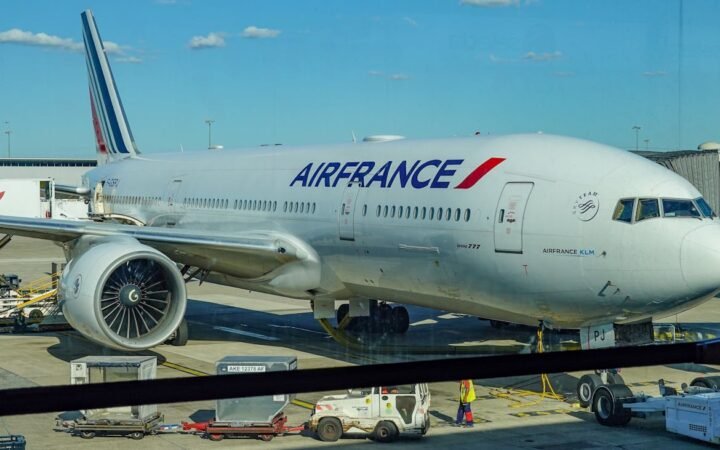
Air France prepares for a busy summer 2026 with expanded Paris–New York service, adding frequencies, premium cabins, and improved connectivity. Photo: Magda Ehlers / Pexels
Air travel between Europe and the United States is set to intensify in summer 2026, with Air France announcing a major capacity increase on its flagship Paris–New York routes. The airline plans to operate up to 11 daily flights between Paris Charles de Gaulle and the New York metropolitan area at the height of the season, reflecting sustained demand across both business and leisure segments. The expansion further reinforces the transatlantic corridor as one of the carrier’s most strategically important long-haul markets.
On the Paris to New York route, Air France will operate up to six daily flights to JFK Airport throughout the summer schedule. Four of these services will be flown using Boeing 777-300ER aircraft equipped with the airline’s La Première first class, alongside updated business and economy cabins. These flights will be complemented by three daily services operated by joint venture partner Delta Air Lines, providing travelers with a wide range of departure options across the day.
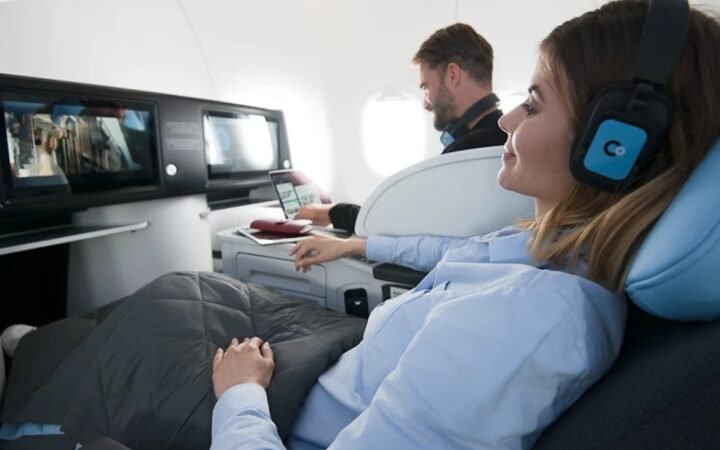
A notable change for summer 2026 is the increased focus on Newark Liberty International Airport. From 1 June through October, Air France will double its Paris–Newark service from one daily flight to two. The route will be operated by Airbus A350-900 aircraft featuring the airline’s newest cabin interiors, including its latest business class seat with a sliding door. The expanded schedule is designed to balance daytime and evening departures in both directions, offering greater flexibility for travelers connecting onward or managing tight schedules.
Beyond frequency increases, Air France is continuing to upgrade the onboard experience on its New York-bound fleet. Aircraft serving the route are progressively being fitted with complimentary high-speed Wi-Fi powered by Starlink, positioning the airline among the first major European carriers to roll out this technology. The airline aims to complete the rollout across its fleet by the end of the year, enhancing connectivity for both corporate and leisure passengers.
Seasonal demand drivers are also shaping the expanded schedule. New York is expected to see increased international traffic during June and July as one of the host cities for the FIFA World Cup, adding pressure to already busy transatlantic routes. In addition, Air France will operate special nonstop flights between JFK and Nice in June for the Cannes Lions International Festival of Creativity, supplementing existing seasonal services tied to major cultural events.
Taken together, the additional frequencies, premium aircraft deployment, and onboard upgrades underline Air France’s strategy for summer 2026. The airline is positioning itself to capture high-yield demand while offering greater choice and comfort on one of the world’s most competitive air travel corridors.
In 2026, Barcelona enters a defining chapter shaped by architecture, global events, and large-scale urban projects that place culture and city life at the center of its international identity.
2026 is shaping up to be one of the most consequential years in the modern history of Barcelona. A rare convergence of architectural recognition, cultural anniversaries, global events, and long-term urban projects will place the city at the center of international attention while directly affecting daily life for residents. Rather than focusing on a single moment or festival, the year unfolds as a sustained transformation that blends heritage, innovation, and civic ambition.
At the core of this shift is Barcelona’s designation as World Capital of Architecture, a title that sets the tone for the year ahead. For ten months, architecture becomes a public conversation rather than a niche discipline, with activities spread across all ten districts.
Exhibitions, workshops, debates, and guided routes highlight how design intersects with housing, sustainability, public space, and quality of life. The program is deliberately decentralized, encouraging both visitors and locals to engage with neighborhoods beyond the historic center and see how architecture continues to shape the city’s social fabric.
Architecture and the Gaudí Legacy
The architectural focus gains added depth through Gaudí Year 2026, marking the centenary of the death of Antoni Gaudí. The program extends far beyond traditional exhibitions, offering academic congresses, concerts, public installations, and newly accessible spaces within some of the architect’s most iconic works.
A defining milestone will be the completion of the Tower of Jesus Christ at the Sagrada Família, a moment that symbolically completes Gaudí’s vision and reshapes Barcelona’s skyline.
Together, the World Capital of Architecture program and the Gaudí commemorations position the city as a living laboratory for architectural thought. The emphasis is not only on preservation, but also on reinterpretation, showing how historical ideas can inform contemporary design challenges. For architecture-minded travelers, 2026 offers an unusually layered way to experience the city, combining scholarship, public participation, and everyday urban life.
Global Events and Cultural Momentum
Architecture is only one part of the story. In July, Barcelona becomes the starting point of the Tour de France for the first time, turning the city into a temporary global sports stage. The route linking architectural landmarks reinforces the year’s central theme: the dialogue between urban space and collective experience. At the same time, a packed concert calendar and the anniversary edition of Primavera Sound underline Barcelona’s continued influence as a global music destination.
Cultural exchange also takes center stage at La Mercè, where Shanghai joins as guest city, reflecting Barcelona’s international outlook and long-standing tradition of cultural partnerships. These events add energy to the calendar while reinforcing the city’s role as a connector between cultures.
Urban Transformation and Long-Term Vision
Beyond festivals and headlines, 2026 marks visible progress on projects that will define Barcelona for decades. The transformation of Montjuïc begins to reshape the area into a more accessible cultural and sporting park, while the Ciutadella of Knowledge advances as a hub for science, research, and public outreach. Recognition as European Capital of Christmas and European Capital of Small Retail further highlights the city’s emphasis on community life and neighborhood-scale commerce.
Taken together, these milestones show a city balancing international visibility with local priorities. In 2026, Barcelona is not simply hosting events. It is redefining how culture, architecture, and urban planning can work together to shape a more inclusive and resilient future.
A new international airport under construction near Machu Picchu could transform travel to Peru’s Sacred Valley, bringing economic growth alongside environmental and cultural concerns.
By Yuliya Karotkaya
Published:
Updated:
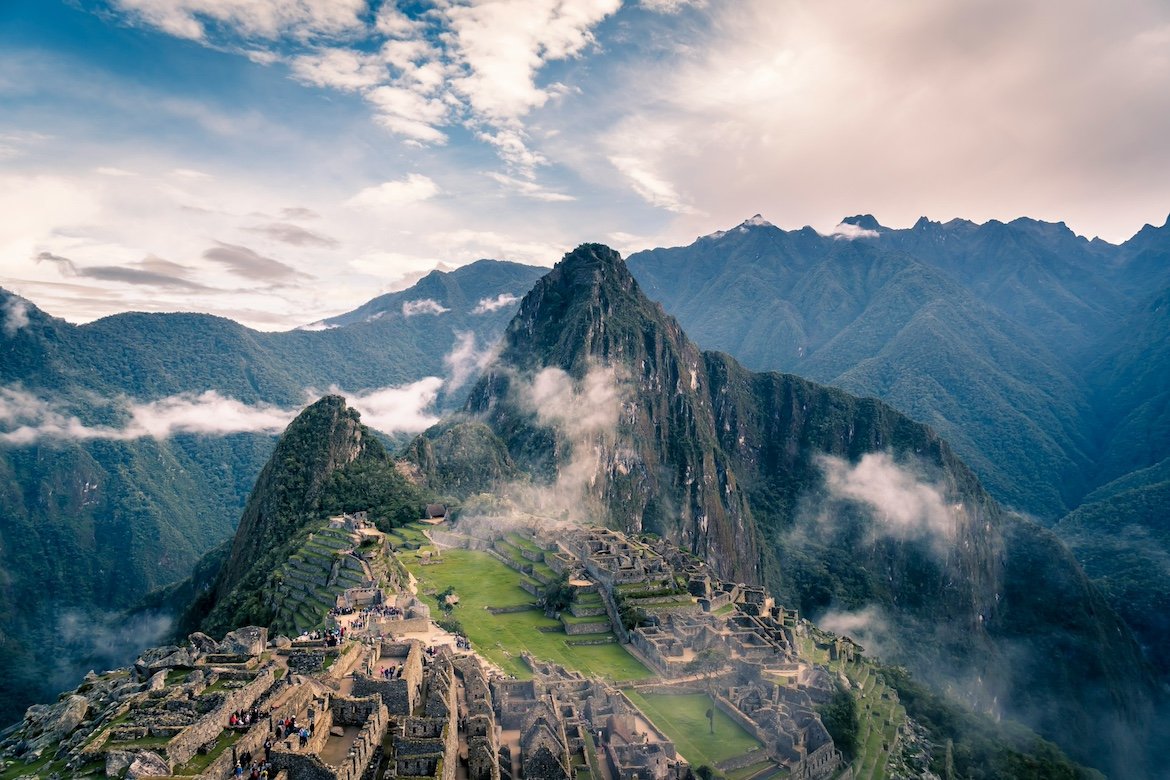
A view of Machu Picchu in Peru’s Sacred Valley, as the region prepares for major tourism changes linked to the construction of Chinchero International Airport. Photo: Willian Justen de Vasconcellos / Unsplash
For centuries, reaching Machu Picchu has been intentionally difficult. The Incas chose its remote, high-altitude location in the Andes to keep the city hidden, and modern travelers have long followed a multi-step journey through Lima and Cusco before arriving at the famous citadel.
That experience could soon change dramatically. A long-planned airport near Chinchero is now under construction, promising faster access to Peru’s most famous attraction – and igniting a fierce debate about the future of the Sacred Valley.
Supporters of the project argue that improved infrastructure is essential for economic development, while critics warn that easier access could overwhelm a region already struggling with capacity, environmental protection, and cultural preservation.
A Faster Route to Machu Picchu and Economic Opportunity
The Chinchero International Airport is designed to significantly simplify travel to the Sacred Valley. Instead of flying into Lima and connecting to Cusco, travelers would eventually be able to land much closer to Machu Picchu itself, reducing travel time by hours – or even days. After years of delays, the airport is now expected to open in late 2027, with construction costs estimated at around $683 million.
According to Peru’s Ministry of Transport and Communications, the airport has already generated more than 5,000 construction jobs. Once operational, officials estimate it could benefit up to one million people working in tourism and related industries. Designed to handle as many as eight million passengers annually, the airport could increase visitor numbers to the Sacred Valley by as much as 200 percent.
Proponents believe this growth could help spread tourism revenue beyond Cusco and into smaller rural communities that have historically been bypassed. Hotels, guides, transportation services, and local artisans could all see increased demand, potentially reshaping the region’s economy and improving livelihoods.
Environmental, Cultural, and Capacity Concerns
Despite the economic promise, opposition to the airport remains strong. Indigenous communities, archaeologists, conservation groups, and local tourism operators argue that the Sacred Valley’s fragile ecosystems and cultural landscapes are already under strain. Carved by the Urubamba River and surrounded by the Andes, the valley is home to ancient irrigation systems, roads, and agricultural terraces that have been used continuously for centuries.
Critics warn that airport construction and the resulting tourism boom could threaten watersheds, wildlife habitats, and undiscovered archaeological sites. Local residents also point to practical challenges: water shortages in some communities, overwhelmed waste systems, and roads that are already heavily congested during peak travel periods. A comprehensive heritage impact assessment for the project was still incomplete as of 2025.
UNESCO has been closely monitoring developments, cautioning that unmanaged growth could put Machu Picchu’s World Heritage status at risk. Peru currently limits daily visitors to the site to between 4,500 and 5,600 people, depending on the season – limits that may come under pressure as access becomes easier.
As Peru moves forward with the Chinchero airport, the challenge will be finding a balance between accessibility and preservation. The project has the potential to transform travel to Machu Picchu, but its long-term success will depend on whether growth can be managed without sacrificing the cultural and environmental heritage that makes the Sacred Valley unique.
Sri Lanka has officially launched a digital nomad visa, allowing remote workers to live on the island for up to a year while working for employers or clients abroad.
By Yuliya Karotkaya
Published:
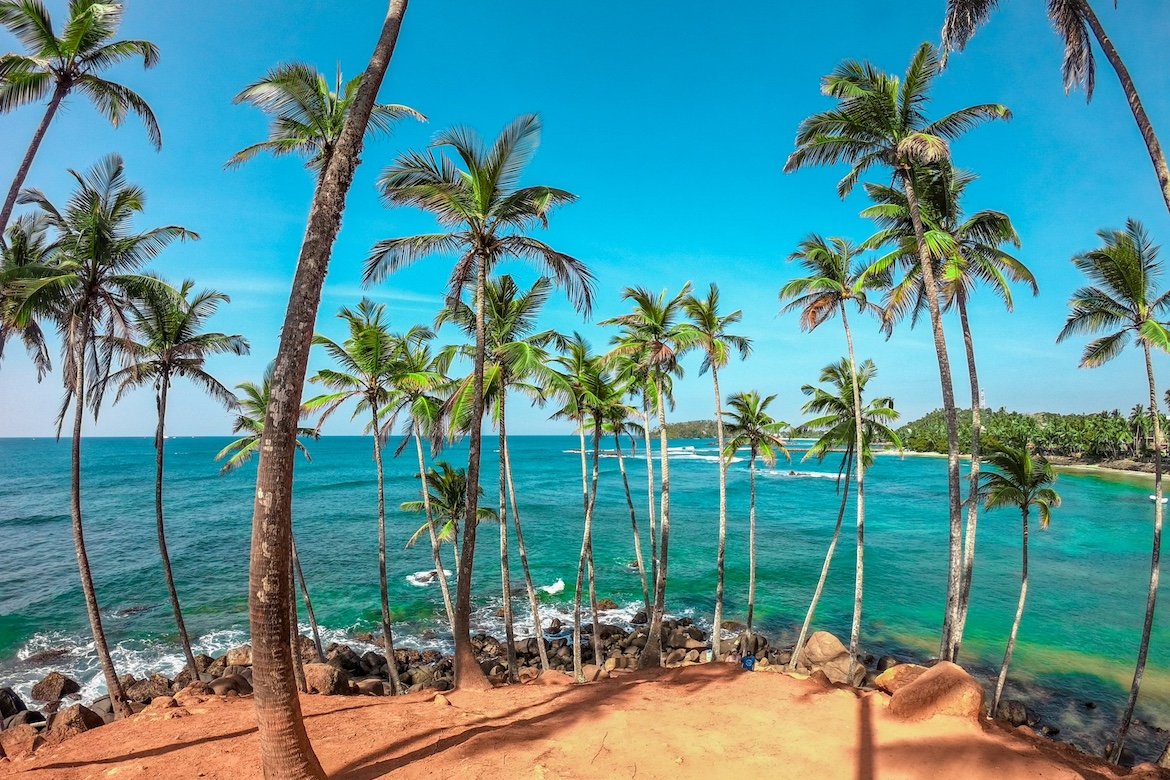
Coastal Sri Lanka highlights the island’s appeal for long-term remote living. Photo: Dinuka Lankaloka / Unsplash
Sri Lanka has officially joined the growing list of destinations courting remote workers, launching its long-awaited digital nomad visa in February 2026.
Often described as the “pearl of the Indian Ocean,” the island has long appealed to travelers drawn to its beaches, biodiversity, spiritual heritage, and slower pace of life. With the new visa now in effect, that short-term escape can be extended into a full year of living and working remotely from one of South Asia’s most diverse destinations.
The visa is designed for people employed by companies or clients outside the country, reinforcing Sri Lanka’s aim to attract foreign income without affecting the domestic job market.
For digital nomads who value affordable living, strong cultural identity, and varied landscapes within short travel distances, the launch formalizes what had already become an informal trend across the island’s surf towns, hill country, and historic cities.
How Sri Lanka’s Digital Nomad Visa Works
To qualify for the digital nomad visa, applicants must be at least 18 years old and demonstrate a minimum monthly income of €1,700, or roughly $2,000. This income threshold also applies to applicants relocating with up to two children. For families with more than two dependents, the requirement increases by an additional €425, or $500, per child. The visa itself costs €425, or $500, per person, including dependents.
Successful applicants are granted permission to live in Sri Lanka for up to one year while continuing to work remotely. Visa holders must earn their income exclusively from foreign sources and are prohibited from engaging in local employment, political activity, or actions deemed disruptive. Provided these conditions are met, the visa can be renewed annually, offering the possibility of longer-term residence without repeated short-term extensions.
The application process requires a comprehensive set of documents, including proof of income, a valid passport, health insurance coverage, medical and police clearance certificates, and security screening forms. Applicants must also demonstrate that their work aligns with the country’s digital economy framework. Applications are submitted through the official immigration system, where final approval is assessed by Sri Lankan authorities.
Beyond the administrative details, Sri Lanka’s appeal lies in its lifestyle advantages. Remote workers can balance professional routines with sunrise train rides through the hill country, surf sessions along the east coast, wildlife encounters near national parks, or quiet evenings in historic cities like Kandy and Galle. The country’s reputation for hospitality and community life adds to its attractiveness for longer stays.
By launching this visa, Sri Lanka signals its intent to compete in the global digital nomad market while encouraging slower, more sustainable travel. For remote professionals seeking a destination that blends cultural depth with natural beauty, the new digital nomad visa positions Sri Lanka as a compelling base for living and working abroad in 2026 and beyond.
Air India has revealed its first flagship Maharaja Lounge in New Delhi, a 16,000-square-foot space built to reset the airline’s ground experience. The lounge opens Feb. 16 and is designed for premium flyers and top-tier loyalists.
By Yuliya Karotkaya
Published:
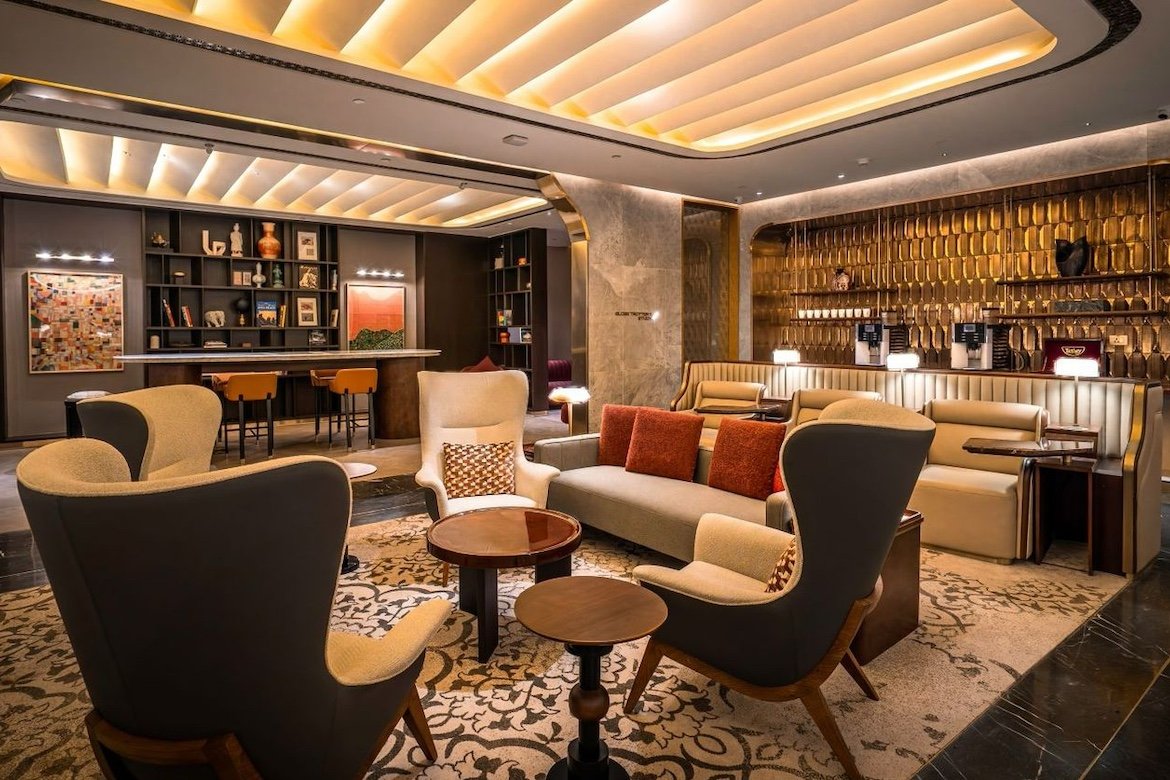
Air India’s new Maharaja Lounge at Delhi Airport showcases modern Indian-inspired design and premium zones for business and first-class travelers. Photo: AirIndia
Air India has pulled back the curtain on a new flagship lounge at Indira Gandhi International Airport in New Delhi, signaling a sharper push into premium ground hospitality as the carrier continues its broader turnaround.
The Maharaja Lounge, located at the international pier of Terminal 3 in Delhi, spans 16,000 square feet and is designed to accommodate around 300 guests across business and first-class zones. Air India said eligible access will follow standard rules for premium cabins and status, including travelers in First and Business Class, Gold and Platinum Maharaja Club members, and qualifying Star Alliance Gold flyers, with entry beginning February 16, 2026.
A Flagship Built Around Zones, Heritage, and Work-Friendly Space
The lounge was conceptualized by design studio Hirsch Bedner Associates (HBA), with Air India framing the space as a balance of heritage cues and modern luxury. The airline highlighted distinct zones intended to match different traveler needs – quieter corners for downtime, more social areas for meeting and conversation, and work-friendly seating for travelers trying to stay productive between flights.
Among the signature areas is the Aviator’s Bar, positioned as a speakeasy-style hideaway that nods to JRD Tata and his historic 1932 flight from Karachi to Bombay. Air India said the ceiling design echoes the propeller of a Puss Moth aircraft, tying a specific piece of airline history to a highly contemporary lounge feature.
Another focal point is the Globetrotter’s Study, described as a dedicated space for reading and work, with a curated library spanning fiction and non-fiction and practical amenities like power access and connectivity. The carrier also called out a Serenity Area designed around individual recliners for rest and recovery.
Dining, First-Class Extras, and Sleep Suites for Long-Haul Travelers
Air India is repositioning lounge dining as more than a buffet stop. The Maharaja Lounge includes a range of Indian and international options, supported by live cooking stations. It also introduces two service concepts meant to bring a premium feel to the room: a Tea Programme served from a trolley with snacks and savories, and a “Beverage on Wheels” cocktail service inspired by traditional gueridon presentation, with drinks delivered directly to guests in their seats.
For first-class travelers, the lounge adds more separation and more perks. Air India highlighted the Crystal Bar – a champagne and cocktail venue styled with crystal elements – and seating and dining areas with tarmac views for travelers who want to watch aircraft movements while they wait.
The biggest differentiator, though, is a set of Sleep Suites reserved for first-class guests, positioned as private spaces for preflight rest before long-haul departures. Air India also said it has added a small “Mail Service” touch: Maharaja-designed postcards intended as souvenirs from the lounge visit.
Fairmont Hotels & Resorts has officially entered the Vietnamese market with the opening of Fairmont Hanoi, a landmark luxury hotel in the heart of the capital’s Old Quarter.
By Yuliya Karotkaya
Published:
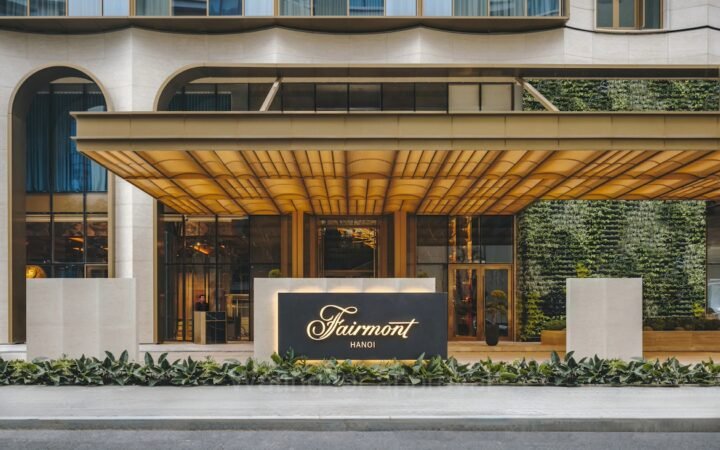
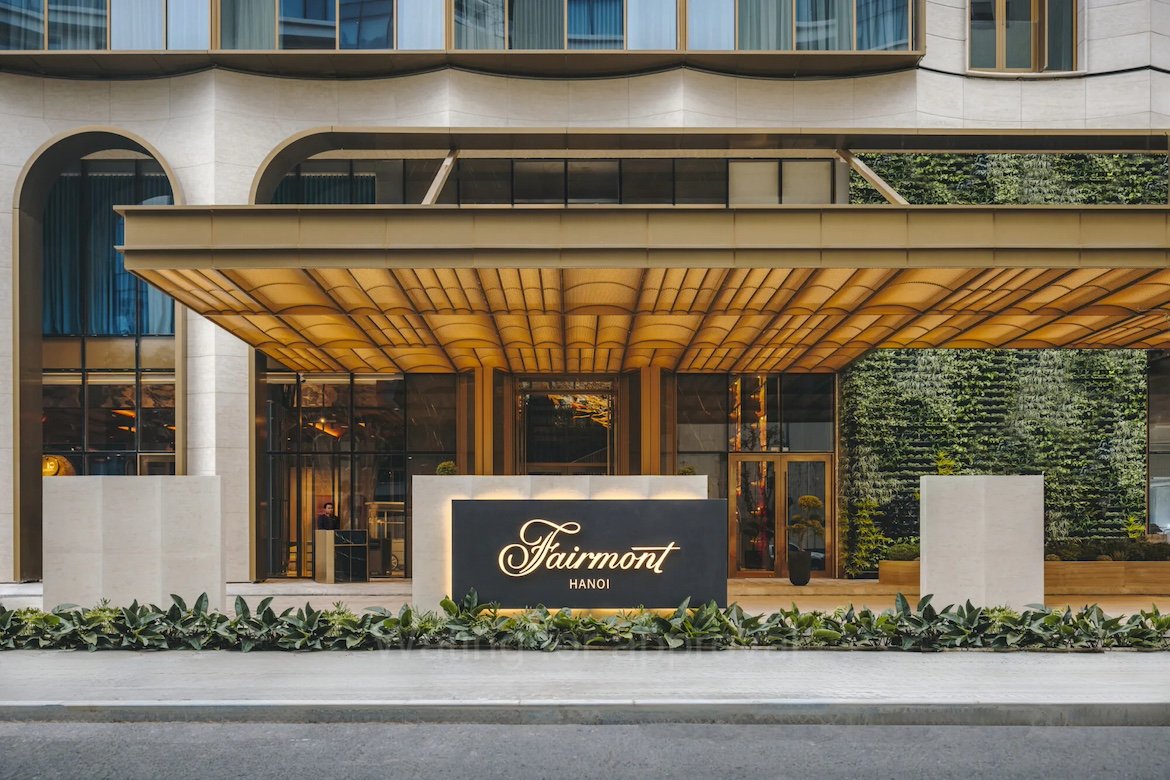
Fairmont Hanoi blends contemporary luxury with Vietnamese design in the heart of the Old Quarter. Photo: Accor
Fairmont Hotels & Resorts has officially opened Fairmont Hanoi, marking the luxury brand’s first property in Vietnam and a significant milestone in its global expansion.
Located in the heart of Hanoi’s historic Old Quarter, just steps from Hoàn Kiếm Lake, the hotel introduces Fairmont’s century-old hospitality heritage to one of Southeast Asia’s most culturally layered capitals. Designed to reflect the dialogue between Hanoi’s past and present, the opening positions the property as both a destination hotel and a new social focal point for the city.
The arrival of Fairmont Hanoi reinforces Vietnam’s growing appeal as a luxury travel destination while signaling Accor’s continued investment in high-end, design-driven hospitality across Asia. With its scale, location, and breadth of offerings, the hotel sets out to redefine contemporary luxury in Hanoi by blending international standards with local artistry and cultural depth.
A New Luxury Landmark in Hanoi’s Old Quarter
Fairmont Hanoi features 241 guestrooms, including 38 Fairmont Gold rooms and 12 suites, each designed with a calm, refined aesthetic inspired by Hanoi’s relationship with the Red River and the surrounding Old Quarter.
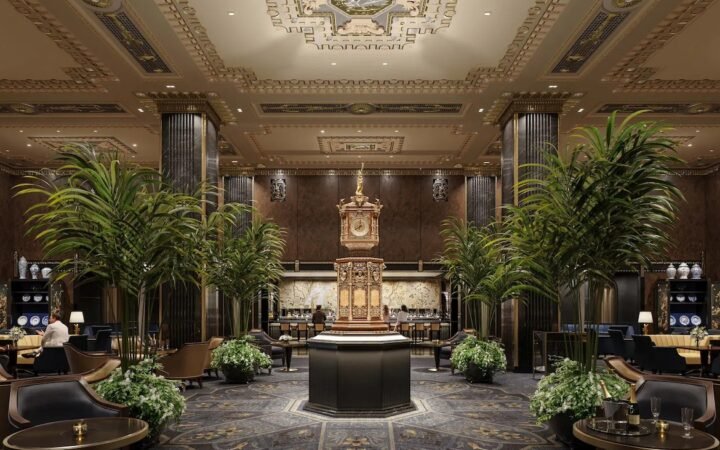
Rooms offer views of the historic neighborhood, the city skyline, or an inner garden, providing a sense of retreat within the capital’s constant movement. The Presidential Suite combines Art Deco influences with Vietnamese design elements, creating one of the city’s most distinctive luxury accommodations.
The hotel is also home to Hanoi’s largest pillarless ballroom, a 12,000-square-foot venue designed to host large-scale social events, conferences, and celebrations. In total, the property offers more than 43,000 square feet of meeting and event space, making it a major addition to the city’s MICE landscape. This focus on gatherings reflects Fairmont’s long-standing tradition of positioning its hotels as centers of social life within their destinations.
Architecturally, the hotel balances contemporary lines with handcrafted Vietnamese details. Designed by Perkins Eastman and Aston Design, the interiors emphasize flow, light, and proportion, drawing inspiration from spiritual rituals, historical landmarks, and everyday life in Hanoi.
Dining, Wellness, and Social Life at Fairmont Hanoi
Fairmont Hanoi launched with an extensive food and beverage program spanning eight restaurants, bars, and lounges, reinforcing its ambition to become a culinary destination in its own right.
Dining venues include Tran Dynasty, where chef Luke Nguyen presents a modern interpretation of Vietnamese cuisine; Hiryu, a Japanese restaurant featuring sushi, teppanyaki, and private dining; and Bacco, led by Michelin-starred chef Nicolas Isnard, offering Italian and Mediterranean dishes with theatrical table-side elements. Additional venues include 10 Central Café, YY Bar, the Fairmont Gold Lounge, and a forthcoming Pool Terrace & Bar overlooking the city.
Wellness plays a central role in the hotel’s positioning. Fairmont Hanoi introduced the city’s inaugural Fitness & Wellness Club, a 38,000-square-foot urban retreat anchored by the Circa Spa. Facilities include a signature bathhouse with hydrotherapy and thermal experiences, plunge pools, saunas, steam rooms, ten private treatment rooms, and a fully equipped fitness studio designed for both physical recovery and mental balance.
With its opening, Fairmont Hanoi establishes itself as a defining new address in Hanoi, combining global luxury with a deeply rooted sense of place and signaling a new chapter for high-end hospitality in Vietnam.
Investment firm Gencom has acquired The Ritz-Carlton New York, Central Park, reinforcing its growing focus on iconic luxury hospitality assets in Manhattan.
By Yuliya Karotkaya
Published:
The Ritz-Carlton New York, Central Park, located along Central Park South in Manhattan. Photo: Gencom
The 253-room property, located at 50 Central Park South at the corner of Sixth Avenue, represents Gencom’s third major luxury hotel acquisition in Manhattan within the past 16 months, following the purchase of Thompson Central Park in 2024 and the InterContinental New York Times Square in December 2025. The transaction was financed by Banco Inbursa.
The acquisition underscores Gencom’s continued confidence in New York City as a long-term investment market, particularly for globally recognized luxury assets with prime locations. The Ritz-Carlton New York, Central Park is widely regarded as one of the city’s most iconic hotels, benefiting from direct Central Park frontage and proximity to Manhattan’s high-end retail, dining, and cultural attractions. Gencom leadership described the property as a cornerstone asset within the city’s luxury ecosystem, aligning with the firm’s broader hospitality strategy.
The hotel offers a range of high-end amenities designed to appeal to both leisure and business travelers. These include Contour, an all-day lounge, the Ritz-Carlton Club Lounge with elevated culinary programming, the La Prairie Spa, and a recently renovated fitness center equipped with Technogym machines, Peloton bikes, and a dedicated Movement Studio offering on-demand digital classes. These features position the property firmly within the upper tier of New York’s competitive luxury hotel landscape.
Guest accommodations at The Ritz-Carlton New York, Central Park emphasize space and comfort, a distinguishing factor in Midtown Manhattan. Rooms and suites feature separate seating areas and marble bathrooms with soaking tubs and walk-in showers. The hotel’s 47 suites, which average more than 1,000 square feet, include distinct living spaces, with select suites offering full kitchens and dining areas, catering to extended stays and high-net-worth travelers seeking residential-style comfort.
With this acquisition, the hotel becomes part of Gencom’s expanding global hospitality portfolio, which spans multiple luxury and upper-upscale brands. Gencom maintains longstanding relationships with major operators, including The Ritz-Carlton, Four Seasons Hotels and Resorts, St. Regis, Rosewood, Thompson Hotels, InterContinental Hotels, Andaz, Fairmont, and Auberge Resorts. The Central Park acquisition also marks Gencom’s 11th Ritz-Carlton property worldwide.
As luxury travel demand continues to rebound and evolve, Gencom’s recent activity signals a strategic focus on landmark properties in gateway cities. The addition of The Ritz-Carlton New York, Central Park further consolidates the firm’s position as a major player in the luxury hospitality investment space in the United States.
TSA reports strong early results from the rollout of ConfirmID, a paid identity verification option for travelers without REAL ID, as airport compliance rates rise nationwide.
By Yuliya Karotkaya
Published:
Updated:
TSA security checkpoint operations as REAL ID enforcement enters a new phase. Photo: TSA
As REAL ID enforcement moves from policy to practice, the Transportation Security Administration (TSA) reported early success with TSA ConfirmID, a new alternative identity verification system designed for travelers who arrive at airports without compliant identification.
The program, officially implemented in early February, has already coincided with a sharp increase in REAL ID compliance at U.S. airport security checkpoints, signaling a smoother-than-expected transition for travelers and airports alike.
According to TSA data released this week, between 95% and 99% of passengers are now presenting REAL ID-compliant licenses or other acceptable forms of identification, such as passports. That figure marks a notable improvement from late 2025, when compliance rates were lower as enforcement approached.
TSA officials credited extensive preparation, airline coordination, and public communication efforts for minimizing disruption during the rollout.
How TSA ConfirmID Works for Non-Compliant Travelers
TSA ConfirmID was introduced as a temporary solution for travelers who have not yet obtained a REAL ID or do not possess another acceptable form of identification. Under the system, passengers can complete an online identity verification process by paying a $45 fee, which covers a 10-day travel period. Once completed, travelers receive a digital or printed receipt that must be presented at airport security.
The verification process allows TSA officers to confirm identity through additional checks, ensuring security standards are upheld without automatically denying access to air travel. TSA has emphasized that ConfirmID is not intended to replace REAL ID but to serve as a fallback option during the transition period. Travelers are encouraged to complete the process in advance, as identity verification at the airport can take 10 to 15 minutes and, in some cases, up to 30 minutes or longer during busy travel periods.
TSA officials have also been clear that the ConfirmID fee is designed to recover the cost of additional identity verification, shifting that expense from taxpayers to travelers who are not compliant with federal identification requirements.
REAL ID Enforcement and What Travelers Should Expect
After more than two decades of delays, REAL ID enforcement is now fully in effect, following legislation originally passed on the recommendation of the 9/11 Commission. TSA leadership described the implementation as a critical step in closing long-standing gaps in identity standards and strengthening aviation security nationwide.
Despite concerns that enforcement could cause widespread delays, TSA reported negligible operational impact so far, even as the rollout coincided with a partial government shutdown. Officials attributed the smooth execution to months of planning and close coordination with airports and airline partners.
With spring break approaching, TSA is urging infrequent flyers and leisure travelers to confirm their ID status well before arriving at the airport. While ConfirmID provides flexibility, agency officials continue to stress that obtaining a REAL ID remains the best option for a seamless airport experience. Appointments at state motor vehicle departments are strongly encouraged for travelers who expect to fly regularly in the future.
As compliance rates climb and ConfirmID absorbs the remaining non-compliant travelers, TSA views the early results as validation that the long-anticipated REAL ID transition is finally settling into place.
Super Bowl LX once again proved to be a powerful marketing stage, with major travel brands using the game to spotlight innovation, transformation, and emotional storytelling.
By Yuliya Karotkaya
Published:
Updated:
Travel brands used Super Bowl LX advertising to showcase innovation, transformation, and emotional storytelling. Photo: Super Bowl broadcast still. Photo: Expedia
Super Bowl LX, which aired yesterday, once again demonstrated that the event is as much a global advertising spectacle as it is a sporting final.
With premium ad slots reportedly approaching $10 million depending on timing and placement, the game remained one of the most influential platforms for brands seeking mass exposure.
While the travel sector was not as dominant as in some previous years, several high-profile companies still used the occasion to reinforce brand positioning, reflect strategic changes, and connect travel with broader cultural narratives.
Expedia, Southwest And United Spotlighted Industry Shifts
Among travel brands, Expedia stood out with its campaign “Going Places with Ken.” The ad leaned heavily into pop culture by featuring Mattel’s Ken character as he experiences global travel for the first time.
Framed with humor and simplicity, the spot positioned Expedia as a one-stop platform that removes friction from travel planning. By focusing on ease and discovery, the company reinforced its long-standing message of accessibility at a time when travelers are increasingly seeking streamlined digital experiences.
Southwest Airlines took a notably self-reflective approach. Its Super Bowl-related advertising poked fun at the airline’s former open seating policy, depicting exaggerated chaos as passengers scrambled for seats in an outdoor parody setting.
The scene then contrasted sharply with the calm of assigned seating onboard an aircraft. The ad marked a symbolic turning point for Southwest, acknowledging its past while clearly signaling a future shaped by changing customer expectations.
Technology took center stage for United Airlines, which used its Super Bowl exposure to highlight the rollout of Starlink-powered inflight connectivity. The creative showed passengers testing the system by streaming video, browsing content, and even checking home security feeds at cruising altitude.
By focusing on real-world use cases rather than abstract promises, United reinforced its push to make high-speed connectivity a core part of the onboard experience.
Universal Orlando Focused On Emotional Transformation
Outside the airline and booking space, Universal Orlando Resort used Super Bowl LX to debut its new brand campaign, “This Changes Everything.”
The first spot, titled “Lil’ Bro,” aired just before halftime and followed a younger sibling who gains confidence while navigating rides and shared moments at the resort. Rather than emphasizing individual attractions, the ad focused on emotional growth and family dynamics.
The campaign positioned Universal Orlando as a destination capable of delivering personal transformation, not just entertainment. By centering its narrative on relationships and self-discovery, the resort aligned its marketing with its recent expansion and broader ambition to be seen as a full-scale vacation experience rather than a single-day theme park visit.
A Leaner But More Intentional Travel Presence
Compared with earlier Super Bowls, travel brands appeared in fewer numbers during Super Bowl LX, but their messaging was notably more deliberate. The focus shifted away from generic destination promotion toward themes of identity, technological progress, and emotional resonance.
Even brands without official in-game ads benefited from the cultural momentum surrounding the event by launching timely campaigns that echoed Super Bowl storytelling conventions.
Overall, Super Bowl LX highlighted how travel marketing is evolving. Rather than relying solely on spectacle, brands used one of television’s biggest stages to underline meaningful changes in how people plan trips, experience journeys, and connect emotionally through travel.
Universal Orlando Resort launches a new brand campaign debuting during Super Bowl LX, positioning the destination as a transformative, weeklong vacation experience rather than a traditional theme park visit.
Universal Orlando Resort has launched a new global brand campaign titled “This Changes Everything,” signaling a strategic shift in how the destination presents itself to travelers. The campaign is set to debut during NBC and Peacock’s broadcast of Super Bowl LX and is designed to emphasize Universal Orlando as a complete, weeklong vacation experience rather than a single-day theme park visit.
Developed in partnership with creative agency Lucky Generals and directed by Ben Quinn of Superprime, the campaign leans into cinematic storytelling and emotional resonance.
At the center of the campaign are four short films, each following a different group of guests during their time at Universal Orlando. The stories focus on personal moments and quiet emotional shifts rather than rides or attractions alone.
One spot follows a younger brother frustrated by being treated as “the little one,” another centers on a blended family navigating their first vacation together, while a third highlights a teenager struggling with self-confidence.
The fourth story features a group of devoted fans, including one traveler who finds it difficult to fully let go and enjoy the experience. Each narrative shows how time spent at the resort gradually alters the characters’ perspectives.
Emotional Storytelling Over Traditional Theme Park Marketing
Unlike conventional theme park advertising, “This Changes Everything” avoids fast-paced montages of rides and instead highlights how shared experiences can create meaningful change.
The campaign positions Universal Orlando as a place where guests can relax, be themselves, and form deeper connections with friends and family. The first spot, titled “Lil’ Bro,” will air just before the Super Bowl halftime show, with the remaining stories rolling out over the following weeks to extend the campaign’s impact.
This approach reflects a broader industry shift toward storytelling that prioritizes emotional connection. By focusing on relatable situations and subtle transformations, Universal Orlando aims to appeal to families, groups, and multigenerational travelers looking for more than surface-level entertainment.
Positioning Universal Orlando as a Complete Vacation Destination
The campaign also highlights the full scope of the resort’s offerings, including its four theme parks, 11 on-site hotels, and entertainment districts. Universal Studios Florida, Universal Islands of Adventure, Universal Volcano Bay, and the upcoming Universal Epic Universe are presented as parts of a unified experience rather than individual attractions. Together, they form the foundation of a destination designed for longer stays and deeper immersion.
According to Universal Orlando’s leadership, the campaign represents a new chapter for the brand and reflects what guests already experience during their visits. Additional elements of “This Changes Everything” will appear across social and digital platforms throughout the year, reinforcing the message beyond its Super Bowl debut. With this campaign, Universal Orlando is redefining how it connects with travelers, focusing on transformation, connection, and lasting memories.
American Airlines will launch nonstop summer flights between Philadelphia and Porto in 2027, expanding its Portugal network and showcasing the long-range capabilities of the Airbus A321XLR with Flagship Suites.
By Yuliya Karotkaya
Published:
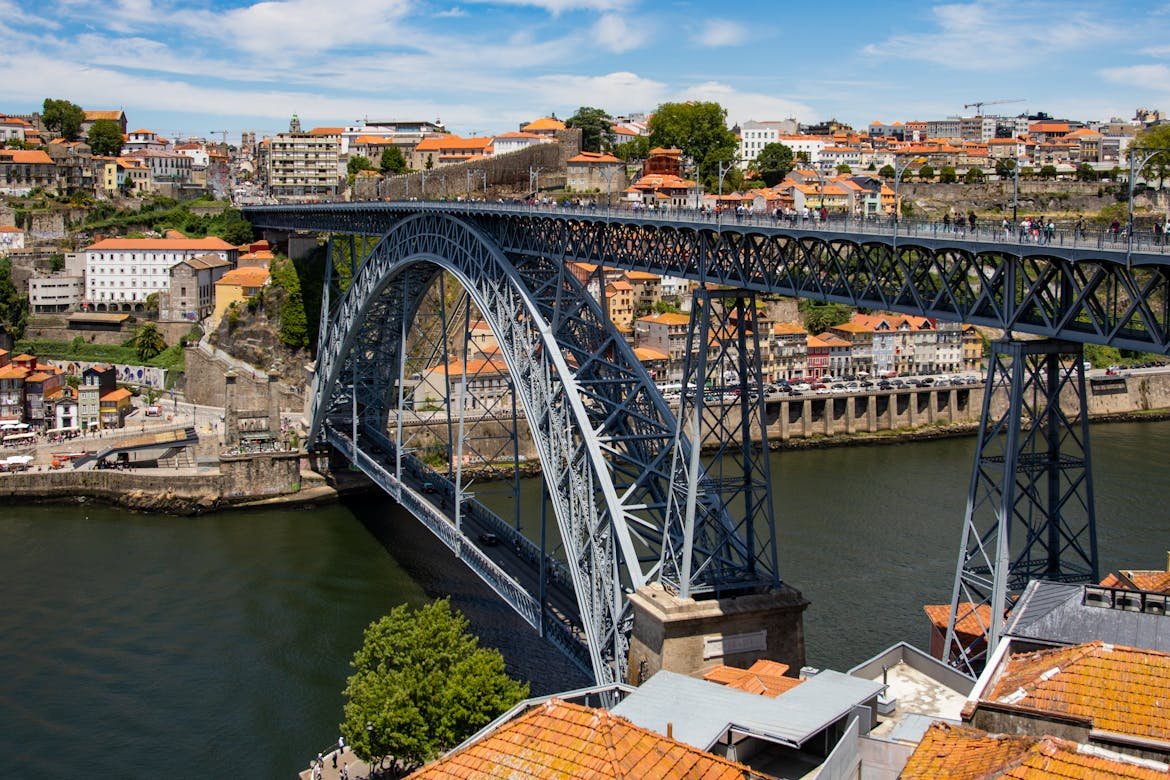
Porto’s historic riverside and wine cellars will soon be connected to the U.S. East Coast via a new American Airlines nonstop route from Philadelphia. Photo: Magda Ehlers / Pexels
American Airlines has announced plans to launch a new transatlantic route linking the U.S. East Coast with northern Portugal, adding Porto to its long-haul network in summer 2027.
The airline intends to operate daily, seasonal nonstop flights between Philadelphia and Porto, subject to final government approval. The move further reinforces the carrier’s strategy of expanding its European footprint while using new-generation aircraft to open thinner long-haul routes.
Porto, Portugal’s second-largest city, has grown in popularity among international travelers thanks to its UNESCO-listed historic center, colorful tiled architecture and deep ties to the country’s wine culture. Located at the mouth of the Douro River, the city also serves as a gateway to river cruises and vineyard tours through the Douro Valley, making it a natural complement to American’s existing service to Lisbon.
A New Market Enabled by the A321XLR
The new Philadelphia–Porto service will be operated using the Airbus A321XLR, a long-range, single-aisle aircraft that has become central to American’s international growth plans. The aircraft will be fitted with the airline’s latest Flagship Suites business class cabin, offering 20 private suites with sliding doors, lie-flat seats and upgraded bedding designed to improve rest on overnight transatlantic flights.
Beyond the premium cabin, the aircraft will also feature Premium Economy and Main Cabin seating, allowing American to cater to a broad mix of leisure travelers heading to Portugal during the busy summer season. The A321XLR’s range and efficiency allow the airline to serve destinations like Porto profitably without relying on larger widebody aircraft, opening new possibilities across Europe.
According to the airline, Porto fits precisely the type of market the A321XLR was designed to unlock – popular with travelers, but traditionally underserved by nonstop U.S. routes. The aircraft’s entry into service has already enabled American to rethink its route map and extend its reach deeper into Europe.
Strengthening Philadelphia as a Transatlantic Hub
The Porto announcement is also part of a broader effort to grow Philadelphia into a major transatlantic gateway. In recent years, American has steadily added long-haul routes from the city, positioning it as a key hub for connecting traffic from across the United States to Europe.
New nonstop services from Philadelphia to Edinburgh and Milan launched in 2025, and additional routes to Budapest and Prague are scheduled to begin in 2026. The addition of Porto in 2027 continues this trajectory, giving travelers more direct access to secondary European cities without routing through larger hubs.
On the ground, premium passengers departing Philadelphia will benefit from American’s Flagship Lounge, which offers dining, shower suites and dedicated relaxation areas designed to enhance the pre-flight experience. Combined with the onboard upgrades of the A321XLR, the new Porto route reflects a broader push to pair network expansion with improved passenger comfort.
As Portugal continues to attract growing numbers of U.S. visitors, the new Porto service positions American Airlines to capture demand beyond Lisbon, while further cementing Philadelphia’s role in its long-haul strategy.
Airbnb unveils a free, immersive “Wuthering Heights” stay in West Yorkshire, timed for Valentine’s Day and inspired by Emerald Fennell’s highly anticipated film adaptation.
By Yuliya Karotkaya
Published:
Updated:
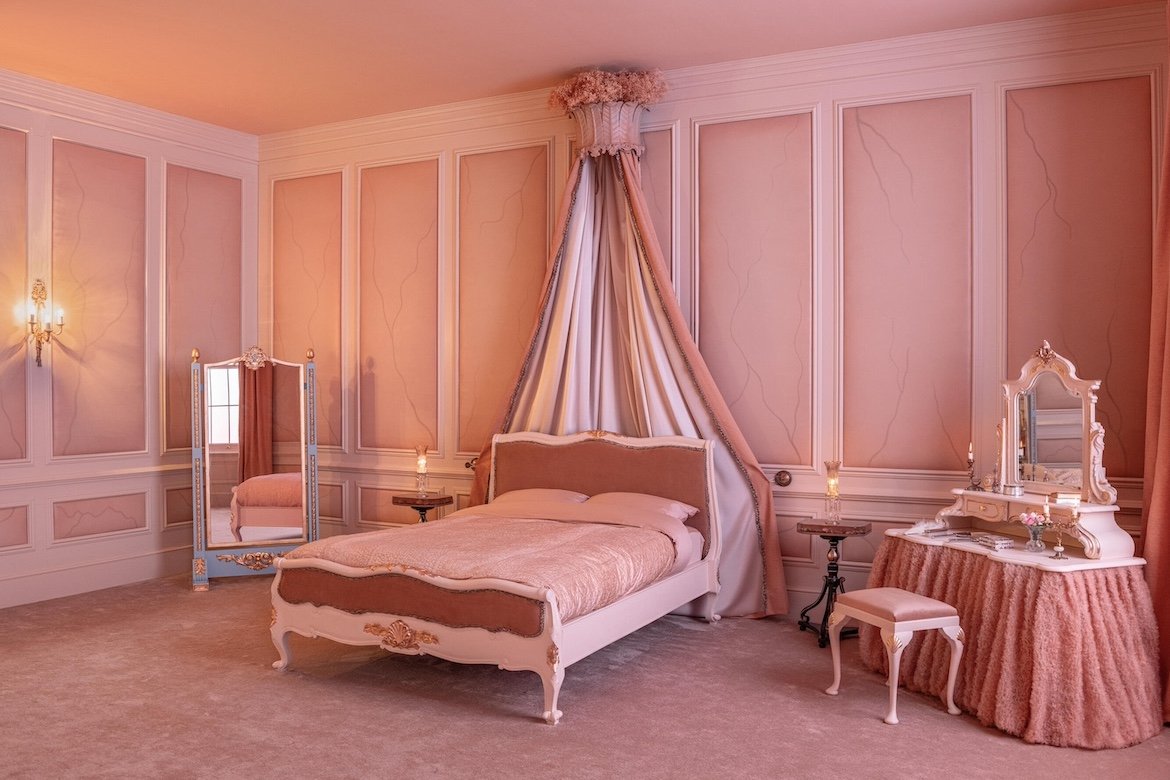
Cathy Earnshaw’s Thrushcross Grange bedroom recreated by Airbnb in Brontë Country, inspired by Emerald Fennell’s “Wuthering Heights.” Photo: Airbnb
Airbnb has unveiled one of its most cinematic and romantic experiences to date, inviting couples to step directly into the world of Wuthering Heights with a free overnight stay inspired by Emerald Fennell’s upcoming film adaptation. Timed to coincide with Valentine’s Day and the film’s cinema release, the experience places guests inside Cathy Earnshaw’s bedroom at Thrushcross Grange, recreated in meticulous detail in the heart of West Yorkshire.
The launch taps directly into the growing trend of set-jetting, where travelers seek destinations connected to film and television. According to Airbnb data, interest in Valentine’s stays in West Yorkshire has surged sharply, driven by renewed fascination with the dark, obsessive romance at the center of Emily Brontë’s story.
Among Gen Z travelers, searches for romantic getaways in the region are up by nearly 60 percent globally, positioning Brontë Country as an unexpected new hotspot for romance-led travel.
Stepping Inside Cathy Earnshaw’s World
The overnight stay is designed as a fully immersive journey into Emerald Fennell’s reimagining of the Gothic classic. Cathy’s Bedroom has been recreated as it appears on screen, with skin-toned walls, layered textures, and unsettlingly intimate details that make the space feel like an extension of the character herself. From hair woven subtly into furniture to vein-like patterns running through soft furnishings, the room blurs the line between set design and emotional storytelling.
Beyond the bedroom, guests are invited to experience a curated itinerary that draws directly from the film’s atmosphere and setting. This includes a candlelit dinner inspired by Thrushcross Grange, served in a dining room styled to echo the film’s opulent yet tense aesthetic. The experience also features an intimate listening session of Charli xcx’s “Wuthering Heights,” written specifically for the film, complete with an exclusive vinyl record gifted to guests.
Romance, Landscape and Literary Legacy
The stay extends beyond interiors, grounding the cinematic fantasy in the rugged landscapes that shaped Brontë’s story. Guests will explore the moorlands on horseback, take part in a traditional Yorkshire afternoon tea, and visit the Brontë Parsonage, connecting the film’s vision with its literary origins. A playful “eggs and soldiers” breakfast rounds out the stay, offering a subtle nod to the film’s themes of restraint and smoldering desire.
Only three overnight stays are available, each for up to two guests, taking place between late February and early March. The experience is entirely free, with meals and activities included, though travel is not. By offering the stay at no cost, Airbnb reinforces its strategy of using once-in-a-lifetime experiences to generate cultural buzz while spotlighting emerging travel trends.
As Emerald Fennell’s “Wuthering Heights” prepares to ignite debate and devotion among audiences, Airbnb’s collaboration transforms fiction into lived experience, turning West Yorkshire into a destination defined by longing, landscape and cinematic romance.
Join our list to receive latest Blockchain, Crypto & Fintech news:
WordPress database error: [Table 'u752143311_aXVuj.wp_coingecko_coins' doesn't exist]
SELECT coins.*, meta.post_id as post_id
FROM `wp_coingecko_coins` coins
INNER JOIN wp_postmeta meta ON (meta.meta_key = 'wpcf-coin-main-tag' AND meta.meta_value = coins.slug )
ORDER BY market_cap_usd
DESC LIMIT 9