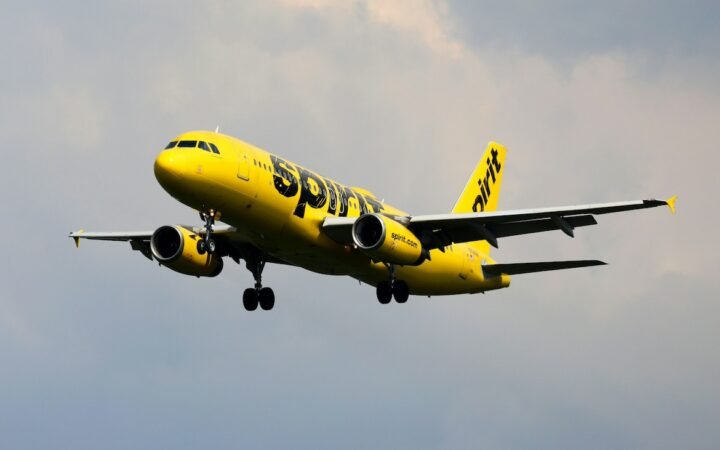
Spirit Airlines has shut down after 34 years, bringing a sudden end to one of the most recognizable ultra-low-cost carriers in the U.S. airline industry. The company said it had begun an orderly wind-down of operations effective immediately, canceling all flights and leaving passengers, employees, and industry observers confronting the collapse of a brand that for years symbolized both the promise and the chaos of bare-bones air travel.
The closure follows months of mounting financial distress, but the final blow appears to have come from soaring fuel prices tied to the Iran war. Spirit had already gone through bankruptcy twice in a short period and was struggling with debt, weak demand, and a sharply reduced network. But the latest surge in oil costs pushed an already fragile balance sheet beyond its limit. The airline said high oil prices made it impossible to keep operating, despite last-minute discussions around a possible government-backed rescue.
A Sudden End for a Budget Airline Giant
Spirit’s shutdown was immediate enough that some passengers still arrived at airports expecting to fly, only to discover canceled departures and no active customer service. The airline said customers who booked directly would be eligible for refunds through a reserve fund, while those who booked through third-party channels would need to pursue those refunds elsewhere.
The company offered no assistance with rebooking on other airlines, though Transportation Secretary Sean Duffy said several carriers, including United, Delta, JetBlue, and Southwest, were offering limited $200 one-way rescue fares to stranded Spirit passengers.
The final Spirit flight reportedly landed at Dallas Fort Worth from Detroit, closing the book on a carrier that once operated hundreds of daily departures and employed about 17,000 people. The company said it was working to return more than 1,300 crew members to their home bases, but the scale of the disruption extends far beyond logistics. Thousands of workers are now facing sudden uncertainty, and unions had argued that a collapse would remove jobs and reduce competition in important domestic leisure markets.
Why Spirit Mattered to Budget Travelers
For years, Spirit represented an airline model that many travelers mocked but millions still relied on. It was known for bright yellow aircraft, provocative advertising, fees for nearly everything, and a stripped-down onboard experience that often turned into a social media punchline. But that same model also gave price-sensitive travelers access to flights they might not otherwise have been able to afford.
That reality explains the public reaction. Many former customers pointed out that Spirit remained one of the last truly cheap options in a market where budget travel has become harder to find. Families, especially, often used the airline as a way to make vacations or family visits possible when legacy carriers were far more expensive.
What Happens After Spirit
Spirit’s disappearance will likely be felt most strongly in places where it had a significant footprint, including Fort Lauderdale, Orlando, Las Vegas, and parts of the Caribbean and Latin America. The broader airline industry may now face less price pressure in those markets, which could mean higher fares over time, especially for leisure travelers.
The shutdown also closes a long chapter in U.S. aviation. Spirit was not simply another airline. It helped force competitors to respond to the ultra-low-cost model, changed how Americans thought about no-frills flying, and proved there was real demand for the cheapest possible seat. Its end leaves a major gap in the lower end of the market – one that may be difficult to fill quickly.
Disclaimer: TravelCapybara is an independent media brand owned and operated by NuvexMedia LLC, publishing travel news, destination guides, research, and insights. NuvexMedia LLC may invest in or collaborate with companies across the travel, hospitality, technology, and digital media sectors. These relationships do not influence TravelCapybara’s editorial coverage. While we strive for accuracy, travel requirements, prices, schedules, availability, and local conditions may change without notice. Readers should independently verify information before making travel or purchasing decisions. This content is for informational purposes only and does not constitute professional advice. © 2026 NuvexMedia LLC. All rights reserved.