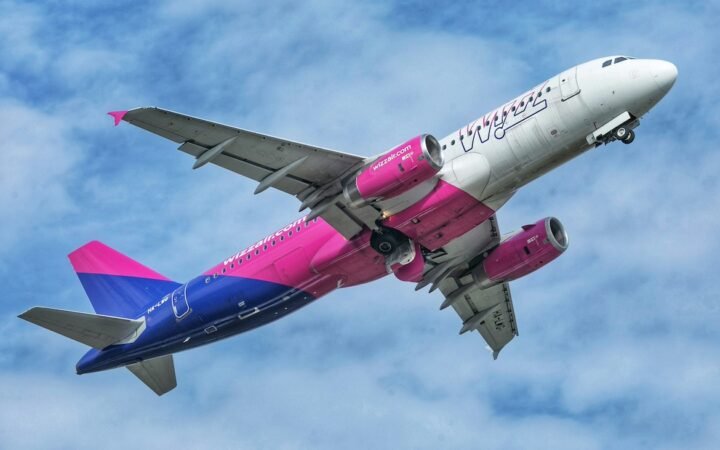
Wizz Air is expanding its ancillary strategy into one of the most stressful parts of flying: same-day disruptions. The airline has partnered with Hopper Technology Solutions to launch Disruption Assistance, a new paid add-on available through Wizz Air’s direct booking channels that gives passengers proactive rebooking support when their flight is delayed by two hours or more or cancelled on the day of travel. In doing so, Wizz Air says it has become the first European airline to introduce this type of service across its network.
The timing is not accidental. European aviation is heading into what is expected to be a busy summer, with traffic demand forecast to rise again and operational strain likely to increase across the region. In that context, a service that steps in before traditional compensation frameworks become relevant is easy to understand from a customer perspective. Wizz is also using it to deepen its ancillary portfolio, turning disruption support into another bookable product rather than limiting it to reactive customer service.
Passengers who buy the add-on during the booking process will be monitored by HTS on the day of travel. If a qualifying disruption occurs, they receive proactive notification and access to a self-serve rebooking flow. The headline feature is that travelers can be rebooked to their final destination on any airline, free of charge up to a cap. If the alternatives offered are not satisfactory, the customer can opt for a full refund of the booking while still keeping the original flight reservation in place. The refund can also include purchased Wizz extras such as seats, baggage, and Wizz Priority.
A New Kind of Airline Product, Not a Replacement for Passenger Rights
Wizz Air is careful to position the service as an enhancement, not a substitute, for the obligations airlines already have under European rules. The carrier says it remains fully responsible for supporting passengers in line with applicable regulations and that the new tool does not interfere with EC261 rights. That distinction is important because the product is aimed at moments where a traveler may still be highly inconvenienced even if formal compensation rules are not yet triggered or do not provide an immediate practical solution.
In that sense, Disruption Assistance reflects a wider shift in travel retail. Airlines are increasingly trying to monetize certainty, flexibility, and convenience, not just the core seat. In the past, that mostly meant baggage, seating, and priority services. Now it also includes products built around disruption management, areas where passengers are willing to pay for speed and reduced friction rather than wait for traditional service channels to catch up.
Why This Matters for Wizz Air’s Commercial Strategy
For Wizz Air, the product sits at the intersection of customer experience and revenue generation. HTS says the same product has already shown high attach rates, very strong customer satisfaction, and repeat purchase behavior in other markets. That makes it attractive not only as a passenger support tool, but as a loyalty driver and a new source of incremental revenue.
The launch also supports Wizz Air’s broader Customer First Compass positioning, which the airline has been using to frame service improvements. Even if the product is optional and paid, it helps Wizz present itself as more proactive in moments of disruption, a space where ultra-low-cost carriers are often criticized.
The bigger question is whether this becomes a broader European trend. If passengers respond positively, disruption assistance may quickly spread beyond Wizz Air. In that case, the market could start to treat proactive rebooking support much like bags or seat selection – another optional layer travelers increasingly expect to be offered at checkout.
Disclaimer: TravelCapybara is an independent media brand owned and operated by NuvexMedia LLC, publishing travel news, destination guides, research, and insights. NuvexMedia LLC may invest in or collaborate with companies across the travel, hospitality, technology, and digital media sectors. These relationships do not influence TravelCapybara’s editorial coverage. While we strive for accuracy, travel requirements, prices, schedules, availability, and local conditions may change without notice. Readers should independently verify information before making travel or purchasing decisions. This content is for informational purposes only and does not constitute professional advice. © 2026 NuvexMedia LLC. All rights reserved.