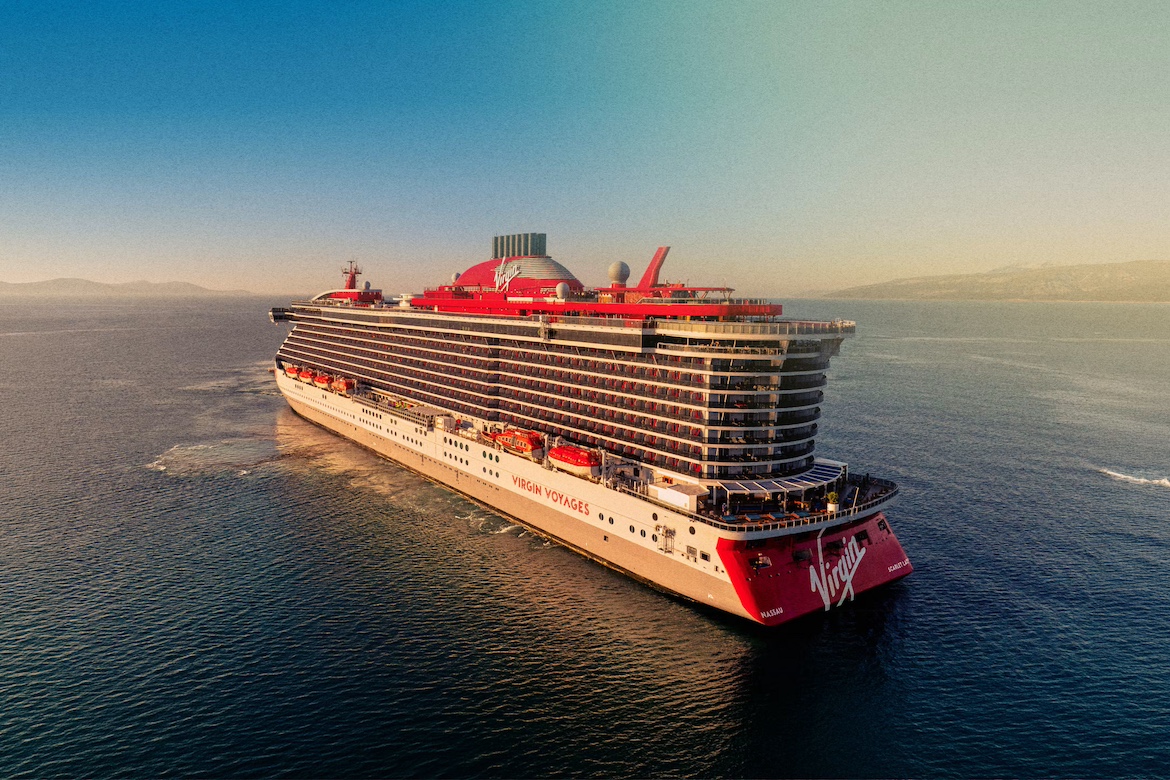
Virgin Voyages Is Heading to Northern Europe With Fjords, Baltic Cities and Midnight Sun
Virgin Voyages will deploy Valiant Lady from Amsterdam in summer 2028 for its first cruises through Scandinavia, the Baltics and Norwegian fjords.

Virgin Voyages operates in cruise travel and passenger shipping and is known for adults-only cruise holidays with contemporary onboard hospitality.
Virgin Voyages is a privately held company active in cruise travel and passenger shipping. Headquartered in Plantation, Florida, United States, it is known for adults-only cruise holidays with contemporary onboard hospitality. The business serves travelers, travel suppliers, corporate clients, public authorities, or commercial partners according to the structure of its market. Its position has been built through a combination of brand recognition, distribution, operational capability, and access to products or data that support travel decisions and transactions.
The organization was established in 2014. Its current leadership is headed by Nirmal Saverimuttu. Since its formation, the business has expanded or adapted its original proposition as travel purchasing moved toward direct websites, mobile applications, digital marketplaces, connected enterprise systems, and data-led operations. The resulting organization reflects both its historical market and the consolidation, regulation, and technological change that have shaped the wider travel industry.
Its principal activities center on adults-only cruise holidays with contemporary onboard hospitality. The broader product portfolio includes ocean and expedition cruises, onboard hospitality, shore excursions, vacation packages, and loyalty programs. These services require coordination between commercial teams, suppliers, inventory or capacity systems, payments, customer identity, and support. Product availability and delivery can vary by geography because the organization may depend on local operators, franchisees, public infrastructure, contracted properties, marketplace participants, or separately managed business units.
The business generates revenue through cruise fares, onboard spending, packages, excursions, travel protection, and partner distribution. This model influences its exposure to transaction volume, pricing, utilization, advertising demand, subscription retention, or long-term contracts. Organizations that own or finance physical assets carry different cost structures from marketplaces, agencies, media businesses, and software providers. In each case, profitability depends on maintaining sufficient customer demand while controlling acquisition, labor, technology, support, financing, supplier, and regulatory costs.
The company operates within a market where scale can improve selection, purchasing power, brand awareness, partner access, and the quality of operational data. Scale also creates coordination costs. Languages, currencies, taxes, consumer protections, labor rules, accessibility requirements, and service expectations differ across jurisdictions. Management must therefore combine central standards and technology with local execution, particularly when the product is delivered by third parties rather than directly by the company.
Customers and partners interact with the organization through a combination of digital and operational channels. These commonly include websites, mobile applications, reservation or ordering systems, payments, account management, customer service, partner portals, and performance reporting. Reliability becomes especially important during seasonal peaks and disruptions, when inaccurate availability, delayed communications, or a system failure can affect many transactions and create additional costs for customers, suppliers, and the company itself.
Competition is based on more than headline price. Product breadth, geographic coverage, brand trust, customer service, loyalty, supplier terms, data quality, operational resilience, and the usability of digital tools all influence purchasing and partnership decisions. Established companies may benefit from scale and distribution, while specialist competitors can challenge them through local knowledge, differentiated inventory, lower costs, or technology designed around a narrower customer problem.
The organization is also exposed to structural risks associated with travel demand. Economic cycles, geopolitical events, weather, regulation, cybersecurity, privacy, labor availability, supplier performance, and changes in transport capacity can affect operations. The importance of each factor varies by business model, but service failures can weaken customer retention and partner confidence. Effective disruption handling, accurate information, financial discipline, and secure systems are consequently important parts of long-term performance.
Virgin Voyages’s market position is tied to its ability to keep its products relevant while preserving viable economics for the parties that deliver them. Investment priorities typically include digital distribution, automation, data quality, customer support, product development, and geographic or segment expansion. For asset-intensive businesses, capital allocation and utilization are central; for marketplaces and software companies, platform reliability, partner participation, and transaction growth carry greater weight.
Future development will depend on leadership execution under Nirmal Saverimuttu, the strength of the organization’s balance sheet or funding base, and its response to changing traveler behavior. Artificial intelligence, mobile commerce, connected inventory, alternative payments, sustainability requirements, and new distribution channels are changing how travel products are created and sold. The company’s ability to adopt useful technology without reducing transparency, reliability, or service quality will influence its competitive position over time.
adults-only cruise holidays with contemporary onboard hospitality
Web, mobile, partner, data, and operational systems
cruise fares, onboard spending, packages, excursions, travel protection, and partner distribution
Virgin Voyages will deploy Valiant Lady from Amsterdam in summer 2028 for its first cruises through Scandinavia, the Baltics and Norwegian fjords.

Google and Virgin Voyages are using travel as a high-profile test case for agentic AI, with Rovey designed to guide cruise customers from discovery through booking with more context-aware support.

Virgin Voyages will bring all four of its ships together for the first time in 2027 with a large-scale Caribbean event.
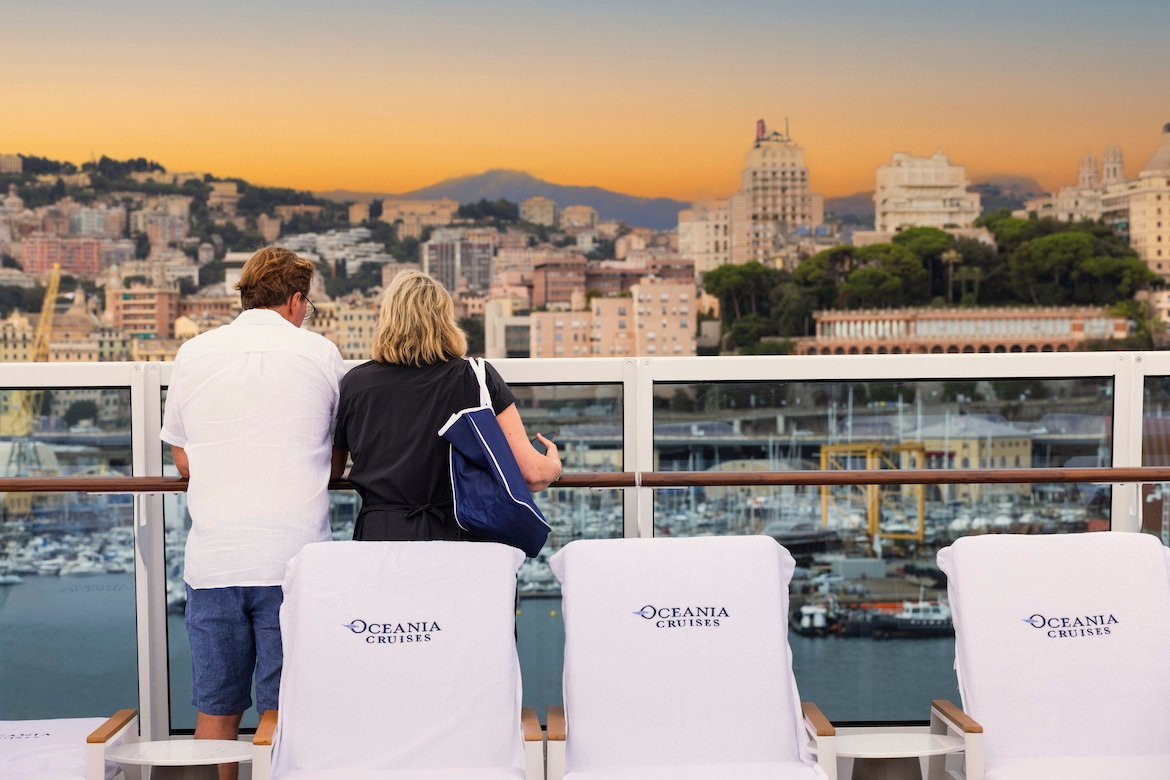
Oceania Cruises has officially adopted an adults-only policy for all new bookings, reinforcing its focus on calm, refined travel experiences for mature guests.
Virgin Voyages has launched a new status match program, offering instant elite recognition to travelers with top-tier status across more than 35 airline, hotel and cruise loyalty programs.
Virgin Voyages has introduced a 30-day Alaska Summer Season Pass for 2026, giving travelers extended access to the region aboard Brilliant Lady with premium perks.