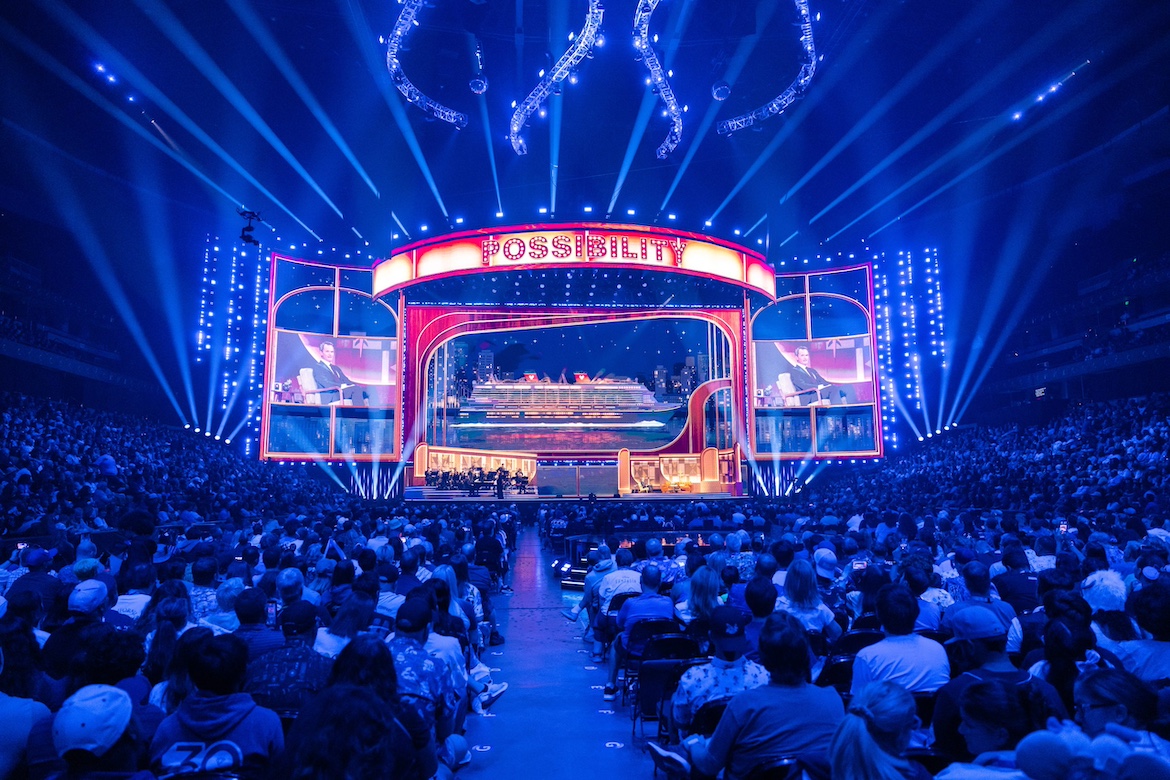
Disney Cruise Line Is Building a New Class of Ships to Reach More Destinations
Disney Cruise Line has revealed the first look at a new class of three ships launching from 2029, designed to reach more destinations as its fleet grows to 13 vessels.

Disney Experiences operates in tours, attractions, and travel experiences and is known for theme parks, resorts, cruise vacations, vacation ownership, and consumer experiences.
Disney Experiences is a corporate subsidiary active in tours, attractions, and travel experiences. Headquartered in Celebration, Florida, United States, the organization is best known for theme parks, resorts, cruise vacations, vacation ownership, and consumer experiences. Its business connects travelers, suppliers, corporate customers, destination partners, or public authorities according to the structure of the market in which it operates. The Disney Experiences name is associated with a defined operating model rather than a general travel label, and its commercial position reflects the reach of its distribution, brands, services, physical network, or technology.
The organization was established in 1971. Its current leadership is headed by Josh D’Amaro. The company developed during a period in which travel demand, transport capacity, accommodation supply, and consumer distribution changed substantially. Expansion has come through a mixture of organic growth, geographic development, new products, technology investment, partnerships, acquisitions, or brand extensions. The balance among those methods differs by company, but each has required management to integrate commercial priorities with the practical delivery of travel or hospitality services.
Disney Experiences’s principal activities center on theme parks, resorts, cruise vacations, vacation ownership, and consumer experiences. Its wider operating field includes attraction tickets, guided tours, activities, events, city passes, destination venues, and entertainment experiences. Those activities often require coordination among inventory, capacity, pricing, customer identity, payments, fulfillment, support, and supplier relations. For businesses with physical locations or transport assets, service quality also depends on property, fleet, maintenance, safety, staffing, and local operating discipline. For digital businesses, the equivalent priorities include data accuracy, platform reliability, secure transactions, and consistent partner connectivity.
The business earns income through ticket sales, booking commissions, venue spending, supplier fees, advertising, sponsorship, and commercial partnerships. Revenue recognition and margin therefore depend on the role the company plays in a transaction. An operator may retain the full selling price while carrying the direct cost of service; an intermediary may record a commission or merchant margin; a software company may combine subscriptions with transaction charges; and a destination organization may rely on public or industry funding. These distinctions influence reported scale, capital requirements, cash flow, and sensitivity to changes in demand.
Geographic reach is an important part of the company’s competitive position. Travel markets differ in language, currency, regulation, labor conditions, infrastructure, seasonality, consumer protection, and preferred methods of payment. A centralized brand or technology platform can produce consistency and purchasing power, but local execution remains necessary. Companies operating across borders must also manage tax, data protection, accessibility, licensing, safety, and commercial rules that can vary significantly between jurisdictions.
Customers generally encounter Disney Experiences through websites, mobile applications, physical locations, partner channels, travel advisers, corporate systems, or direct operational contact. The mix depends on the product. Search, booking, payment, confirmation, service delivery, disruption handling, and post-purchase support form a connected customer journey even when different organizations control individual stages. A weakness in any one stage can increase service costs and reduce trust, particularly when a traveler is away from home or working within a fixed itinerary.
Competition is based on more than price. Selection, schedule or location, brand recognition, loyalty, reliability, customer service, supplier terms, digital usability, and the ability to respond during disruption all affect purchasing decisions. Large companies may benefit from scale, marketing resources, and broad distribution, while focused competitors can challenge them with specialist inventory, local knowledge, simpler products, or lower operating costs. Maintaining differentiation becomes harder when search tools make offers easier to compare.
The organization is exposed to the wider risks of the travel economy. Economic cycles, fuel and energy costs, weather, geopolitical events, public-health restrictions, labor availability, cybersecurity, privacy obligations, and supplier performance can affect demand or operations. Asset-heavy companies face additional financing and utilization risk, while marketplaces and software providers depend on partner participation and transaction volume. Regulatory investigations, service failures, or inaccurate information can also weaken customer and commercial relationships.
Disney Experiences’s long-term position depends on disciplined investment and the ability to adapt without undermining its core service. Important priorities commonly include digital distribution, automation, data quality, direct customer relationships, loyalty, operational resilience, and product development. Sustainability requirements are also affecting fleet decisions, buildings, supply chains, reporting, and consumer communications. The financial return from these investments may take time, particularly when implementation must occur across many properties, markets, brands, or legacy systems.
Future development will be shaped by execution under Josh D’Amaro, access to capital or institutional support, and the pace at which traveler behavior changes. Artificial intelligence, connected inventory, alternative payments, mobile commerce, and new retailing systems are altering how travel products are discovered and sold. The company must decide where technology improves efficiency or relevance and where human judgment remains essential. Its ability to combine reliable operations with commercially useful innovation will influence market share, partner confidence, and financial performance over time.
theme parks, resorts, cruise vacations, vacation ownership, and consumer experiences
Web, mobile, partner, data, and operational systems
ticket sales, booking commissions, venue spending, supplier fees, advertising, sponsorship, and commercial partnerships
Disney Cruise Line has revealed the first look at a new class of three ships launching from 2029, designed to reach more destinations as its fleet grows to 13 vessels.
Disney Experiences has named new presidents for Walt Disney World Resort, Disney Signature Experiences, and Disneyland Paris. The changes come as the company pushes through a broad expansion phase across its global…
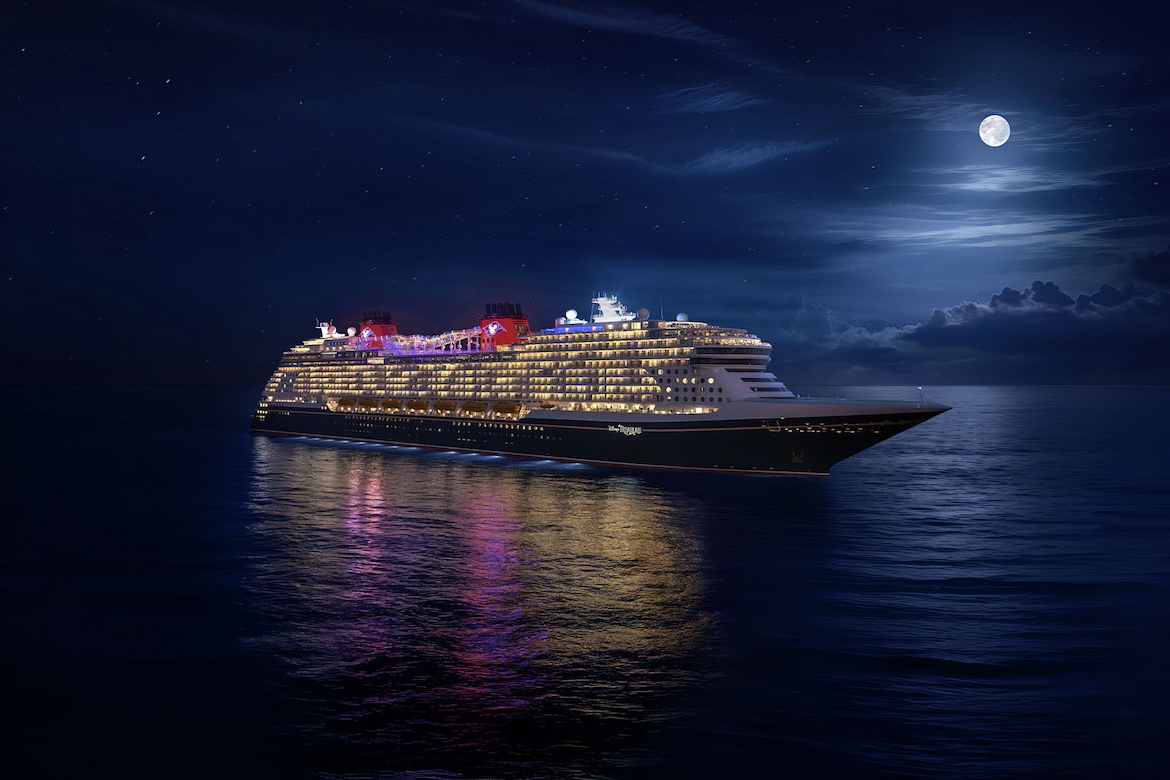
Disney Cruise Line has launched a new advertising campaign, “Midnight Magic,” highlighting the emotional connections and lifelong family memories created on its voyages.
The Walt Disney Company has appointed Thomas Mazloum as Chairman of Disney Experiences, overseeing the company’s global theme parks, cruise line, resorts, and adventure travel businesses.