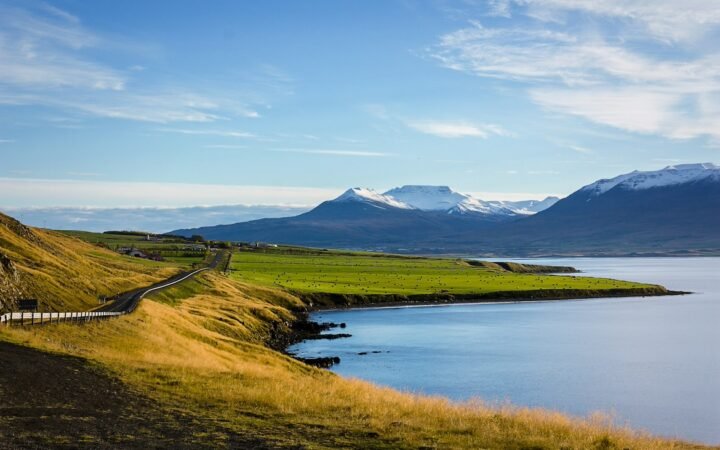
Iceland has overtaken Switzerland to become the world’s most expensive country, according to new calculations by the Icelandic trade union Viska. The finding places the North Atlantic island ahead of a country long used as the benchmark for high prices in Europe and puts fresh attention on the cost pressures facing one of the world’s most in-demand nature destinations.
Viska economist Vilhjálmur Hilmarsson said Icelandic prices are now about 3% higher than those in Switzerland, based on data from Eurostat and the Central Bank of Iceland. It marks the first time since 2018 that Iceland has moved ahead of Switzerland in the European price rankings.
The shift does not mean every item is more expensive in Iceland. Switzerland has traditionally remained particularly costly for categories such as food, clothing and services. But Iceland’s overall price level has risen enough to move ahead when measured across a wider basket of goods and services adjusted for purchasing power.
For travelers, the ranking confirms what many visitors already feel on the ground. Iceland has become one of the world’s most expensive places for hotels, restaurants, rental cars, tours and everyday purchases. Local media have pointed to examples such as beer and coffee prices that can feel steep even for visitors used to other high-cost European destinations.
The cost issue is becoming more visible as Iceland continues to attract large numbers of visitors. More than 2 million tourists visited the country last year, a significant figure for a nation of around 400,000 people. Tourism remains one of Iceland’s most important economic engines, supporting jobs, wages and business activity across accommodation, dining, transport and leisure.
Tourism and Housing Drive Iceland’s Price Pressure
Tourism is also one of the forces pushing prices higher. Strong visitor demand supports service-sector wages, but it can also raise costs for residents and travelers alike. Hotels, restaurants, transport providers and tour operators all operate in a small, high-wage economy where labor-intensive services are structurally expensive.
Housing adds another layer of pressure. Short-term rentals and visitor demand have affected the housing market, especially in and around Reykjavík. Tourists and residents can end up competing indirectly for space through platforms such as Airbnb, while broader housing shortages, high borrowing costs and limited supply make affordability a persistent political issue.
Food costs are also high. Viska’s data showed food prices in Iceland exceed those in other Nordic countries by a wide margin, with dairy, eggs and meat especially expensive. Import dependence plays a role, as Iceland’s geography and small domestic market make many goods costlier to bring in and distribute.
The tourism board has already found that high prices are starting to deter some visitors. That creates a delicate balance for Iceland’s travel economy. The country benefits from demand for glaciers, volcanoes, hot springs, waterfalls and Arctic landscapes, but the very popularity of those experiences can add to the pressures that make the destination harder to afford.
The broader question is whether Iceland can reduce its dependence on labor-intensive sectors that keep inflation and service prices elevated. Hilmarsson has argued that the country needs to build more productive economic pillars beyond tourism.
For now, Iceland’s new ranking is both a headline and a warning. The country remains one of the world’s most spectacular destinations, but its price level is becoming part of the travel decision. For visitors, that may mean shorter stays, tighter budgets and more careful planning. For Iceland, it means managing success without letting high costs weaken the long-term appeal of the destination.
Disclaimer: TravelCapybara is an independent media brand owned and operated by NuvexMedia LLC, publishing travel news, destination guides, research, and insights. NuvexMedia LLC may invest in or collaborate with companies across the travel, hospitality, technology, and digital media sectors. These relationships do not influence TravelCapybara’s editorial coverage. While we strive for accuracy, travel requirements, prices, schedules, availability, and local conditions may change without notice. Readers should independently verify information before making travel or purchasing decisions. This content is for informational purposes only and does not constitute professional advice. © 2026 NuvexMedia LLC. All rights reserved.