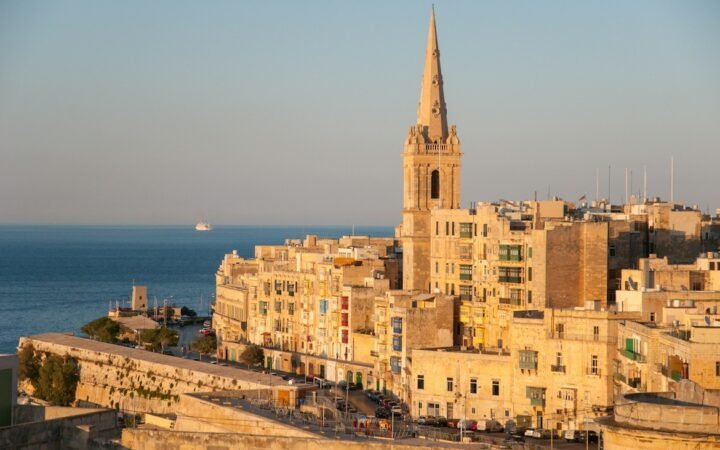
Valletta has been named the sunniest capital in Europe, adding another strong selling point to Malta’s growing appeal as a year-round city-break destination. According to a ranking by Civixplorer, the Maltese capital records an average of 2,957 hours of sunshine annually, putting it ahead of other popular southern European capitals and reinforcing its reputation as one of the continent’s most dependable warm-weather escapes.
View this post on Instagram
The ranking is based on average annual sunshine hours measured over a 30-year period, which gives the result more weight than a short-term snapshot. In practical terms, it confirms what many travelers already associate with Malta: a destination where sunshine is not just a seasonal bonus, but a defining part of daily life. For visitors, that consistency matters. It shapes everything from how a city feels to how much can be packed into a short trip, whether that means outdoor dining, harbor walks, cultural sightseeing, or simply choosing a destination with a better chance of blue skies.
Valletta’s lead over Lisbon and Athens is especially notable because both cities are already strongly associated with sunshine and Mediterranean-style travel. Lisbon ranked second with 2,799 sunshine hours, while Athens followed with 2,771. Valletta’s advantage may not seem huge at first glance, but in travel terms it strengthens Malta’s position as a destination that can compete with bigger, more internationally dominant capitals while offering a similar climate appeal in a more compact setting.
The ranking also highlights the contrast across Europe. At the other end of the list, Reykjavík registered the fewest sunshine hours at 1,268, followed by London at 1,410 and Dublin at 1,424. That gap helps explain why southern capitals continue to attract travelers looking for a reliable weather upgrade, particularly outside peak summer months. In that context, Valletta benefits not only from its sunshine total, but from its broader profile as a walkable historic capital with sea views, layered architecture, and easy access to the rest of Malta.
For tourism, this kind of recognition has real marketing value. Weather remains one of the strongest decision-making factors in European short-haul travel, especially for travelers planning shoulder-season breaks in spring, autumn, and even winter. A city that can combine culture, coastline, and nearly 3,000 hours of sunshine has a clear advantage.
Valletta has long been admired for its baroque streets, fortifications, and waterfront setting, but rankings like this give it an even simpler message to sell. For travelers who want history and atmosphere without giving up the promise of sun, Malta’s capital now has a new title that is easy to understand and hard to ignore.
Disclaimer: TravelCapybara is an independent media brand owned and operated by NuvexMedia LLC, publishing travel news, destination guides, research, and insights. NuvexMedia LLC may invest in or collaborate with companies across the travel, hospitality, technology, and digital media sectors. These relationships do not influence TravelCapybara’s editorial coverage. While we strive for accuracy, travel requirements, prices, schedules, availability, and local conditions may change without notice. Readers should independently verify information before making travel or purchasing decisions. This content is for informational purposes only and does not constitute professional advice. © 2026 NuvexMedia LLC. All rights reserved.