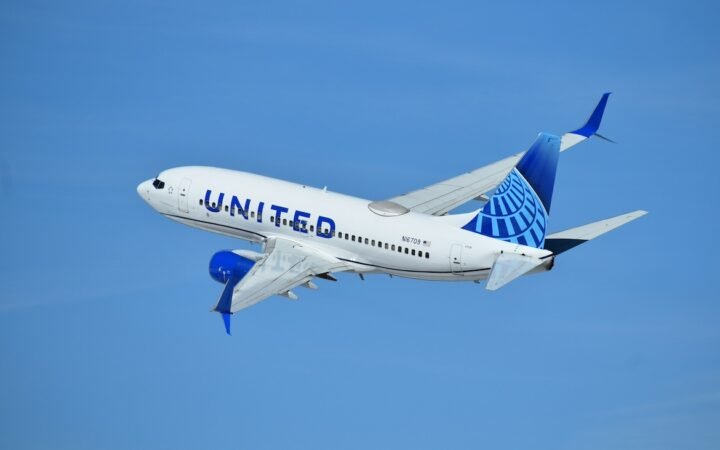
The reported idea of a merger between United Airlines and American Airlines may never reach a formal deal stage, but it has already done something important: it has exposed how unsettled the U.S. airline industry has become.
According to reports, United CEO Scott Kirby raised the possibility of a tie-up with American in a February meeting with President Donald Trump. Neither airline has commented publicly in detail, and there is no sign that a formal transaction process is underway. Even so, the fact that the idea was floated at all is enough to put the industry on notice.
A merger of those two airlines would be the biggest U.S. airline consolidation move in more than a decade and would create an operator of enormous scale, both domestically and internationally. It would also test the limits of what regulators, unions, airports, and travelers would tolerate in a market that is already highly concentrated. The U.S. industry is effectively dominated by four major players, and combining two of them would redraw the competitive map overnight.
Why the Idea Surfaced Now
Timing is a large part of the story. American has been under financial pressure, trailing Delta and United on profitability and carrying significantly more debt than its larger rivals. At the same time, higher oil and jet fuel costs are widening the gap between stronger and weaker airlines. United has taken a more confident line on that environment, with Kirby arguing publicly that prolonged cost pressure could create opportunities for stronger carriers to gain share or absorb weaker assets.
From that perspective, the logic behind even discussing American is easy to understand. American still has enormous strategic value: a large network, major hubs, strong brand recognition, and an important place in the corporate and long-haul travel markets. But it is also more financially constrained than its biggest peers. That combination makes it look vulnerable at exactly the moment when scale is again being presented as a competitive advantage.
There is also a network argument. A United-American merger would deepen reach across important hubs and strengthen international positioning. Supporters could argue that a bigger carrier would be better able to compete with global rivals and respond to long-term shifts in demand. But that argument becomes much harder to sustain once the domestic competition issue is considered.
Why Approval Would Be So Difficult
The regulatory path would be the real obstacle. A deal between United and American would almost certainly face accusations that it would reduce consumer choice, increase pricing power, and weaken competition on overlapping routes and hub markets. Chicago O’Hare and Dallas-Fort Worth would become especially sensitive points, and lawmakers would likely face immediate pressure from unions, airports, corporate travel buyers, and consumer groups.
That is why many industry observers see the chances of approval as slim, even under a more merger-friendly administration. At a time when travelers are already dealing with high fares, added fees, and operating disruption, a mega-merger would be difficult to sell politically. Fewer major competitors usually means less pressure to hold down prices, and that alone may be enough to stop the idea before it goes much further.
Even if nothing comes of this, the episode still matters. It shows that parts of the airline industry are beginning to think again in consolidation terms. That may be the most important signal of all. The question is no longer whether bigger carriers are stronger. It is whether regulators are prepared to let them become even bigger.
Disclaimer: TravelCapybara is an independent media brand owned and operated by NuvexMedia LLC, publishing travel news, destination guides, research, and insights. NuvexMedia LLC may invest in or collaborate with companies across the travel, hospitality, technology, and digital media sectors. These relationships do not influence TravelCapybara’s editorial coverage. While we strive for accuracy, travel requirements, prices, schedules, availability, and local conditions may change without notice. Readers should independently verify information before making travel or purchasing decisions. This content is for informational purposes only and does not constitute professional advice. © 2026 NuvexMedia LLC. All rights reserved.