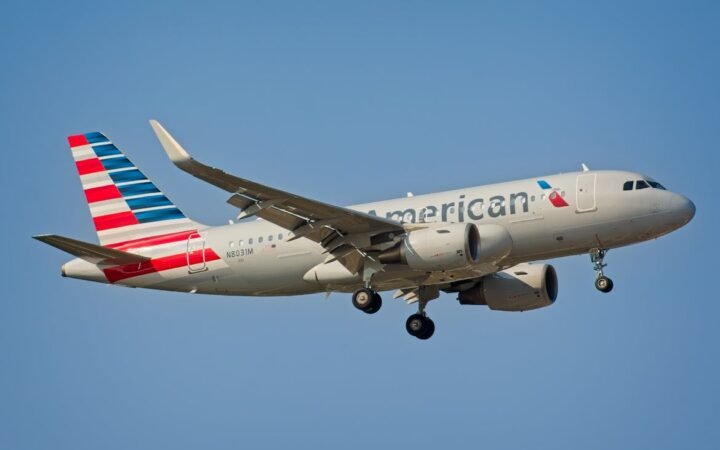
American Airlines plans to install Starlink Wi-Fi on more than 500 narrowbody aircraft beginning in the first quarter of 2027, making it the latest major U.S. carrier to upgrade in-flight connectivity through SpaceX’s satellite internet service. The rollout will cover more than 500 Airbus aircraft, including new A321XLR and A321neo deliveries.
The deal comes as fast, reliable Wi-Fi becomes a more visible part of airline competition. Passengers increasingly expect in-flight internet to support the same habits they rely on at home or in the office: streaming, messaging, browsing, file access, gaming and real-time collaboration. For business travelers, the ability to remain connected during a flight is becoming less of a bonus and more of a baseline expectation.
American said Starlink can deliver multigigabit connectivity to aircraft, with its Aero Terminal supporting up to 1 Gbps per antenna. Once installed, the system is expected to improve streaming, browsing and real-time communication across the airline’s domestic and short-haul international network.
The move places American alongside other U.S. airlines that have already chosen Starlink or announced related upgrades. United Airlines debuted Starlink Wi-Fi last year, while Southwest said earlier this year that it would install the service on some aircraft. Alaska Airlines is also rolling out Starlink, and Hawaiian Airlines introduced free Starlink Wi-Fi in 2024. Delta, meanwhile, has chosen Amazon Leo for satellite Wi-Fi service.
American had already moved toward broader in-flight connectivity earlier this year by launching free Wi-Fi for members of its loyalty program. The Starlink plan adds a hardware and network upgrade to that broader customer experience strategy, especially on aircraft used heavily for domestic and near-international flying.
The timing also reflects how much the Wi-Fi race has changed. For years, in-flight internet was often slow, expensive or inconsistent, making it useful mainly for basic messaging and email. Airlines are now treating connectivity as part of their premium positioning, particularly as they compete for corporate travelers and loyalty members.
American Chief Customer Officer Heather Garboden said the airline is seeking world-class partners to deliver what customers need and want, adding that Starlink’s high speed and low latency should make the Wi-Fi more reliable. The airline said passengers should be able to stay connected without downloading documents before a flight or worrying about lag time.
For travelers, the most noticeable change will likely be consistency. Faster aircraft Wi-Fi matters not only for entertainment, but for practical travel needs such as checking connections, changing plans, communicating with colleagues or family and staying productive on shorter flights.
For American, the decision is also defensive. As rivals move toward faster and often free in-flight connectivity, older systems risk becoming a weakness in the customer experience. By committing to Starlink across a large portion of its narrowbody fleet, American is signaling that high-speed Wi-Fi is now part of the standard airline product, not a niche upgrade.
Disclaimer: TravelCapybara is an independent media brand owned and operated by NuvexMedia LLC, publishing travel news, destination guides, research, and insights. NuvexMedia LLC may invest in or collaborate with companies across the travel, hospitality, technology, and digital media sectors. These relationships do not influence TravelCapybara’s editorial coverage. While we strive for accuracy, travel requirements, prices, schedules, availability, and local conditions may change without notice. Readers should independently verify information before making travel or purchasing decisions. This content is for informational purposes only and does not constitute professional advice. © 2026 NuvexMedia LLC. All rights reserved.