
Spain is moving closer to a symbolic new tourism threshold in 2026 after a record 2025 and a fresh shift in global travel demand. The country welcomed about 97 million international visitors last year, while visitor spending climbed to roughly 135 billion euros, reinforcing tourism’s role as a major pillar of the economy. Analysts now see a credible path to 100 million foreign arrivals this year if current booking patterns hold.
Part of that momentum is structural. Spain has spent years building a broad tourism base that reaches far beyond peak summer beach demand, with cities, islands, and shoulder-season travel all contributing to growth. But the latest acceleration is also being shaped by instability outside Europe, particularly in the Gulf and around major Red Sea corridors, where conflict and higher energy prices are changing how travelers think about distance, cost, and risk.
For many European travelers, that shift favors Spain almost by default. Rising fuel costs make long-haul holidays more expensive, while uncertainty around Middle East routes pushes some consumers toward short- and medium-haul options that feel easier to book and easier to justify.
Spain benefits from both dynamics because it offers scale, dense air connectivity, and a long-established image as a stable Mediterranean destination. The country’s biggest source markets, including the UK, Germany, and France, are especially important in that context because they already supply a large share of inbound demand.
Why Spain Is Gaining From the Rerouting Effect
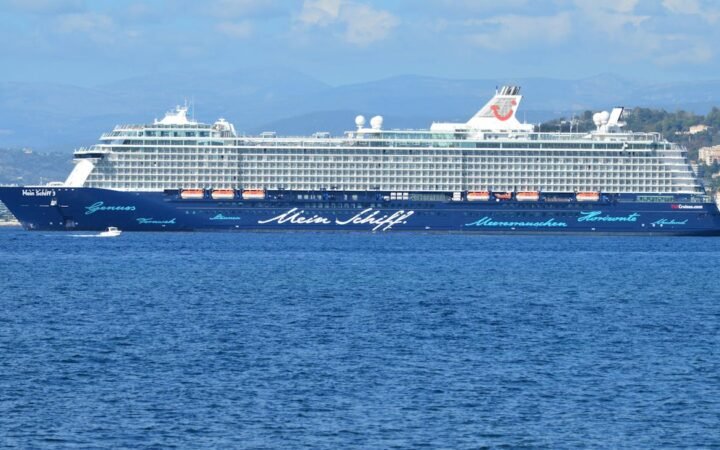
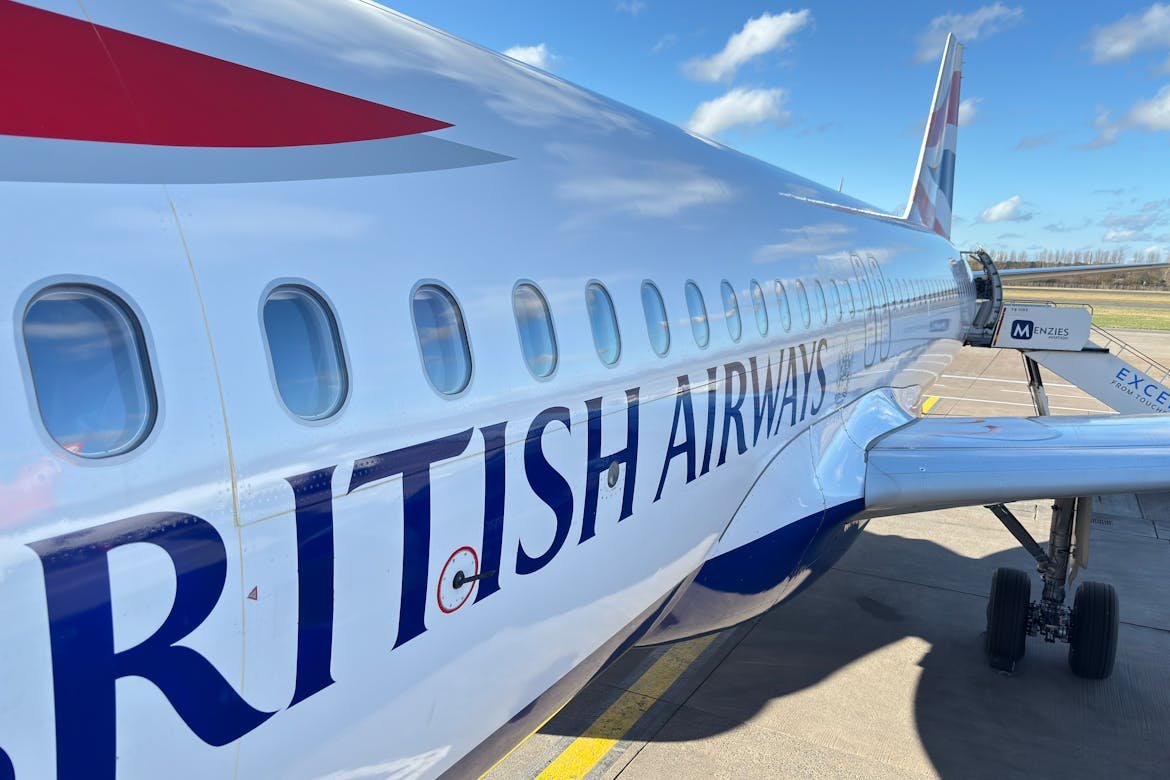
The biggest gain may come from demand that was not originally headed to Spain. Airlines and cruise operators have been forced to reconsider routes because of the conflict’s impact on fuel costs and transport corridors. That has made parts of the Western Mediterranean more attractive relative to destinations closer to the disruption. Industry reporting has already pointed to bookings shifting away from parts of the Eastern Mediterranean toward countries such as Spain and Portugal.
Spain’s appeal is strongest where it can combine familiarity with flexibility. Travelers can still choose large cities such as Madrid and Barcelona, but the real beneficiaries may be coastal and island destinations that absorb redirected leisure demand more quickly. Places such as Malaga, Valencia, Palma de Mallorca, Alicante, and the Canary Islands fit the current market mood: close enough for European travelers, large enough to scale, and established enough to reassure buyers who want predictability.
Growth Brings Revenue, but Also More Strain
The commercial upside is straightforward. Tourism spending has been rising faster than arrivals, which suggests Spain is not just attracting more visitors but also capturing more value from each trip. That supports hotels, airlines, restaurants, local transport, and retail, and helps explain why tourism remains such a large contributor to Spanish growth.
The harder question is whether the system can absorb another jump without worsening the strains already visible in popular destinations. Spain has spent years managing complaints about congestion, housing pressure, and the environmental cost of concentrated tourism in cities and islands. If the country captures even more diverted demand this year, those tensions are likely to become sharper, not weaker.
That is why the 100 million figure matters beyond the headline. It would confirm Spain as one of the clearest winners from the current reordering of travel demand, but it would also make capacity management harder. The opportunity is real. So is the test of whether Spain can turn another tourism surge into something more durable than a record season.