Hyatt has pushed the reopening of nearly all of its major Montego Bay-area resorts to the first quarter of 2027, extending the timeline for one of the most closely watched recovery stories in the Caribbean. The affected properties have been closed since Hurricane Melissa hit Jamaica in October 2025, and the latest delay means a substantial share of upscale all-inclusive room inventory will remain offline for another year.
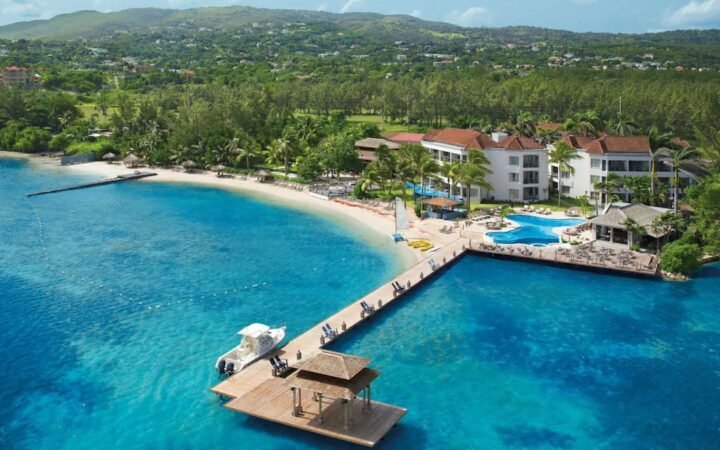
The list is significant. It includes Breathless Montego Bay, Dreams Rose Hall, Hyatt Zilara Rose Hall, Hyatt Ziva Rose Hall, Secrets St. James Montego Bay, Secrets Wild Orchid Montego Bay, and Jewel Grande Montego Bay. Another property in the broader portfolio, Zoetry Montego Bay Jamaica, is also not currently bookable, though no reopening date has been announced. Taken together, these resorts represent a major part of the Montego Bay and Rose Hall lodging base, particularly in the upper-upscale and luxury all-inclusive segments.
For travelers, the immediate meaning is simple: anyone hoping for a near-term return of these brands to Jamaica will have to wait longer or book elsewhere. For the destination, the implications are broader. Montego Bay and Rose Hall form one of Jamaica’s core resort corridors, helped by proximity to Sangster International Airport and a concentration of large beachfront properties. When so many rooms stay dark for so long, the impact goes beyond one company’s booking channels. It changes capacity, shifts demand to other parts of the island, and raises pressure on the inventory that remains open.
Hyatt has framed the delay around the scale of restoration work and a clearer understanding of what is required as projects move deeper into recovery. That language is important because it suggests this is no longer just about repair. Across the Caribbean, major storm damage increasingly becomes an opportunity for owners and operators to go beyond rebuilding and into repositioning. The extra time often points to more extensive upgrades to guestrooms, public areas, food and beverage concepts, and back-of-house infrastructure. In other words, these resorts are unlikely to return exactly as they were before Melissa.
That approach may prove valuable in the long run. The Caribbean all-inclusive market remains highly competitive, and travelers now expect fresher design, stronger dining, and better overall product consistency. A delayed reopening can therefore be commercially painful in the short term but strategically useful if it results in a stronger relaunch. The risk, of course, is that long closures also weaken customer loyalty and redirect repeat guests toward competing resorts in Jamaica, Mexico, the Dominican Republic, or elsewhere in the region.
For now, the Montego Bay and Rose Hall story remains one of absence rather than comeback. Hyatt’s Jamaica portfolio was expected to be a major part of the island’s recovery narrative. Instead, that return is now firmly a 2027 story, and one of Jamaica’s most important resort clusters remains in transition.
Disclaimer: TravelCapybara is an independent media brand owned and operated by NuvexMedia LLC, publishing travel news, destination guides, research, and insights. NuvexMedia LLC may invest in or collaborate with companies across the travel, hospitality, technology, and digital media sectors. These relationships do not influence TravelCapybara’s editorial coverage. While we strive for accuracy, travel requirements, prices, schedules, availability, and local conditions may change without notice. Readers should independently verify information before making travel or purchasing decisions. This content is for informational purposes only and does not constitute professional advice. © 2026 NuvexMedia LLC. All rights reserved.