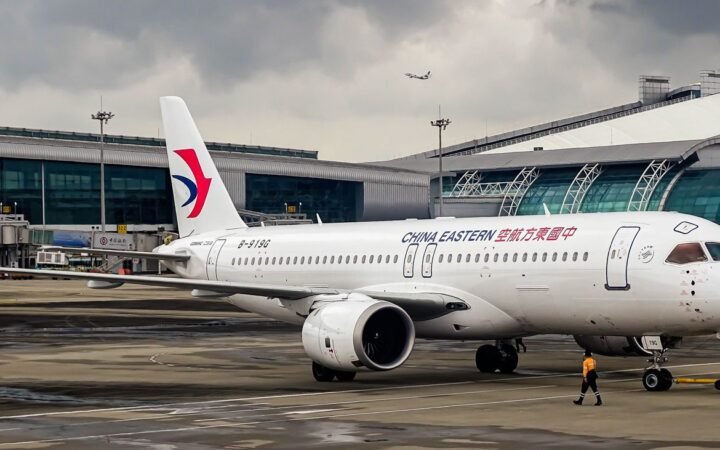
China Eastern Airlines is making inflight Wi-Fi free on all wide-body aircraft operated by the airline and its subsidiary Shanghai Airlines, marking a major step in the global shift toward complimentary onboard connectivity. The policy applies regardless of route length, flight region or cabin class, bringing free internet access to many of the carrier’s long-haul and international services.
The upgrade extends China Eastern’s free wide-body Wi-Fi across global routes covering the Americas, Europe, Africa, the Middle East, Central Asia and South Asia. For passengers, the change means that connectivity will no longer be treated as a premium extra on wide-body flights. Travelers in economy, premium economy, business and first class will all be able to access the service without an additional fee.
The move is especially important on long-haul flights, where being disconnected for several hours can be a real inconvenience. Business travelers may need to send emails, approve documents, coordinate with overseas teams or respond to urgent client requests. Leisure travelers may want to message family, browse online, check arrival plans or simply make a long journey feel shorter.
China Eastern has been building toward this shift for several years. In 2023, the airline moved toward full-flight Wi-Fi availability, including during takeoff and landing, making it one of China’s early movers in gate-to-gate-style connectivity. In 2025, it expanded free Wi-Fi access on domestic Air Express routes from premium cabins to premium economy and selected economy seats. The latest wide-body rollout pushes that strategy onto a much larger international stage.
Free Wi-Fi Becomes a Long-Haul Expectation
The airline industry is moving quickly toward a new standard in which inflight internet is judged less as a luxury and more as part of the basic travel experience. Delta Air Lines began rolling out free Wi-Fi in 2023, while United Airlines has been expanding Starlink across its fleet. Air Canada, Air France, Lufthansa and other carriers are also moving toward broader connectivity upgrades.
For China Eastern, the competitive pressure is clear. Long-haul international routes bring it into direct comparison with major U.S., European and Middle Eastern airlines, many of which are using free or high-speed Wi-Fi to improve passenger satisfaction and loyalty. If one carrier offers complimentary connectivity and another charges for it, that difference can influence booking decisions, especially among high-value travelers.
There is also a loyalty dimension. Reports from China Eastern’s earlier international Wi-Fi pilot indicated that free connectivity helped drive new member growth, suggesting that passengers may respond strongly when digital access is tied to a better onboard experience. Free Wi-Fi can make an airline feel more modern, more practical and more aligned with how travelers live on the ground.
The timing also fits China Eastern’s wider long-haul ambitions. The airline recently announced plans to purchase 25 Airbus A330neo aircraft to support intercontinental expansion from Shanghai Pudong and replace older wide-body jets over time. More aircraft, more international routes and free onboard connectivity point to a strategy focused on making China Eastern more competitive beyond China’s domestic market.
The challenge will be performance. Free Wi-Fi only matters if it is reliable enough for real use. Passengers will judge the service by whether they can message, browse, work and stream without frustration. Still, the direction is clear: on long-haul flights, internet access is becoming part of the fare, not an optional add-on.
Disclaimer: TravelCapybara is an independent media brand owned and operated by NuvexMedia LLC, publishing travel news, destination guides, research, and insights. NuvexMedia LLC may invest in or collaborate with companies across the travel, hospitality, technology, and digital media sectors. These relationships do not influence TravelCapybara’s editorial coverage. While we strive for accuracy, travel requirements, prices, schedules, availability, and local conditions may change without notice. Readers should independently verify information before making travel or purchasing decisions. This content is for informational purposes only and does not constitute professional advice. © 2026 NuvexMedia LLC. All rights reserved.