Caesars Entertainment has agreed to be acquired by Tilman Fertitta’s Fertitta Entertainment in a take-private deal valued at about $17.6 billion, including debt, in one of the most significant transactions in the U.S. gaming and leisure sector in years. The agreement includes a $5.7 billion cash component, or $31 per share, along with the assumption of roughly $11.9 billion in Caesars debt.
The transaction would remove one of the largest public casino operators from major stock exchanges and place it under the control of Fertitta, whose hospitality empire includes Golden Nugget casinos, restaurant brands and the NBA’s Houston Rockets. Fertitta had previously built a stake in Caesars, and the deal marks the culmination of a years-long effort to expand his position in gaming and hospitality.
The $31 per share offer represents a 49% premium to Caesars’ Feb. 25 share price, when reports of deal talks first emerged. That premium signals both the scarcity value of major casino platforms and Fertitta’s strategic interest in expanding across Las Vegas and other U.S. gaming markets.
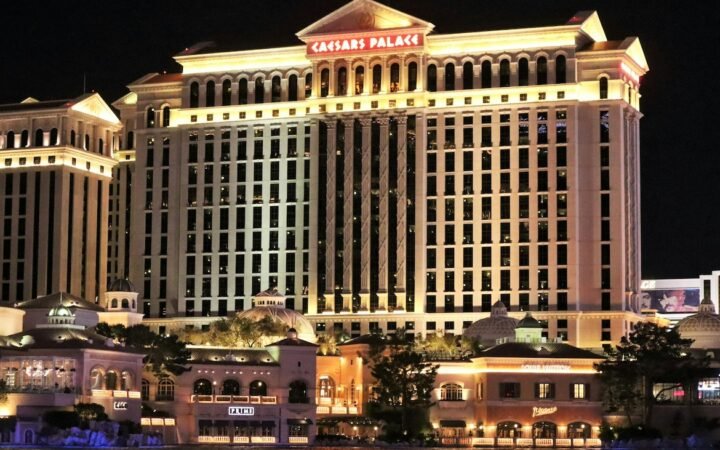
Caesars operates 52 domestic properties across 18 U.S. states, including well-known Las Vegas Strip assets such as Caesars Palace, The Flamingo and Planet Hollywood. The company’s portfolio spans casinos, hotels, entertainment venues and loyalty-driven leisure products, giving Fertitta Entertainment a much broader national footprint if the deal closes.
The transaction also comes at a time when the casino and hospitality sectors are navigating mixed demand signals. Las Vegas remains a powerful entertainment market, but operators are watching consumer spending, labor costs, debt levels and competition from regional gaming, sports betting and digital platforms. Taking Caesars private could give Fertitta more control over long-term asset strategy, but the debt burden will remain a key issue.
Caesars has a go-shop period until July 11, allowing the company’s board to seek competing offers. Any rival proposal would need to exceed the agreed valuation and navigate Fertitta’s matching rights under the merger terms. The window gives shareholders some protection, though large alternative bids for a company of Caesars’ scale may be difficult given the financing required.
Regulatory approval is another major hurdle. Gaming authorities across 18 states will need to review and approve the transaction, a process that could take months and potentially push the closing timeline into 2027. Shareholders are also expected to vote on the deal later this year after proxy filings are completed.
For the broader travel and leisure industry, the deal underscores the continued appeal of integrated gaming, hotel and entertainment assets. Caesars is not only a casino company. It is a major hospitality platform tied to conventions, nightlife, restaurants, live entertainment, loyalty programs and destination travel.
If completed, the takeover would consolidate two prominent gaming and hospitality businesses under one private owner. It would also mark a major bet that traditional casino resorts still have long-term value as leisure companies compete to capture more of the traveler’s full spending cycle.
Disclaimer: TravelCapybara is an independent media brand owned and operated by NuvexMedia LLC, publishing travel news, destination guides, research, and insights. NuvexMedia LLC may invest in or collaborate with companies across the travel, hospitality, technology, and digital media sectors. These relationships do not influence TravelCapybara’s editorial coverage. While we strive for accuracy, travel requirements, prices, schedules, availability, and local conditions may change without notice. Readers should independently verify information before making travel or purchasing decisions. This content is for informational purposes only and does not constitute professional advice. © 2026 NuvexMedia LLC. All rights reserved.