
Food & Wine has released its 2026 Global Tastemakers ranking, naming the best cities in the world for food and drink after polling more than 400 chefs, travel experts, food writers, and wine professionals. The list reflects more than famous dishes or luxury restaurants.
It focuses on cities where markets, street food, neighborhood eateries, cooking traditions, and high-end dining all work together to create a complete travel experience. These are the first 10 cities on the ranking, and each offers a different reason to plan a trip around what is on the plate.
Hong Kong
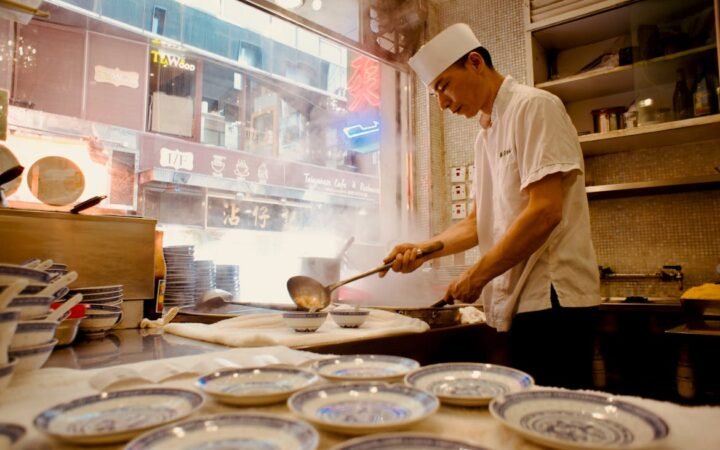
Hong Kong took the top spot thanks to its extraordinary range. Few cities move so naturally between dim sum parlors, night markets, Cantonese classics, and polished international fine dining. It is dense, fast, and constantly rewarding for travelers who want to eat from morning until late at night.
London
London ranked second overall and first in Europe. Its strength lies in variety: Indian, Middle Eastern, Caribbean, Chinese, Italian, and modern British food all sit side by side. Borough Market, neighborhood pubs, and ambitious restaurants in Soho and Shoreditch make it one of the easiest cities in the world to eat well at any level.
Tokyo
Tokyo remains a city of precision and depth. Whether it is ramen, omakase, yakitori, kaiseki, or a simple market breakfast, the standard is consistently high. The city’s food culture is shaped by seasonality, restraint, and an almost unmatched attention to ingredients.
Mexico City
Mexico City combines street food energy with serious culinary innovation. Tacos, markets, mezcal, and deep regional traditions define the experience, but the city also keeps evolving through contemporary neighborhoods like Roma Norte and Condesa. It is one of the strongest food destinations in the Americas.
Bangkok
Bangkok continues to stand out for its explosive street food culture and broad flavor range. Floating markets, night markets, casual local restaurants, and Michelin-recognized dining all coexist here. It is a city where a traveler can build an entire trip around snacking, wandering, and eating late.
Lima
Lima has become a destination people now travel to specifically for food. Its cuisine blends indigenous Peruvian traditions with Japanese, Chinese, and Spanish influences, creating a scene that feels distinctive and globally relevant. Ceviche, tiradito, potatoes, and pisco all give the city a strong culinary identity.
Barcelona
Barcelona remains one of Europe’s most appealing food cities because it feels both refined and easygoing. Seafood, vermouth, tapas, anchovies, grilled fish, and market culture all shape the city’s rhythm. It is the kind of place where a casual lunch can feel just as memorable as a formal dinner.
Paris
Paris continues to prove that culinary prestige and everyday pleasure can exist in the same place. Michelin-starred restaurants matter, but so do bistros, bakeries, cheese shops, and neighborhood markets. In Paris, eating well rarely requires much planning because the city is built around food as daily culture.
Copenhagen
Copenhagen brings a more thoughtful, seasonal, and design-led approach to dining. Its food scene is tied to local ingredients, sustainability, and a strong sense of aesthetic restraint. Beyond famous restaurants, neighborhoods like Nørrebro and Vesterbro offer bakeries, breweries, and places that reflect the city’s philosophy as much as its taste.
Istanbul
Istanbul rounds out the top 10 with one of the richest culinary identities anywhere. Ottoman traditions, Mediterranean influences, bazaars, meyhanes, kebabs, mezze, and simit all contribute to a city that connects food with history at every turn. At the same time, contemporary Turkish restaurants are pushing the cuisine forward in ambitious new ways.