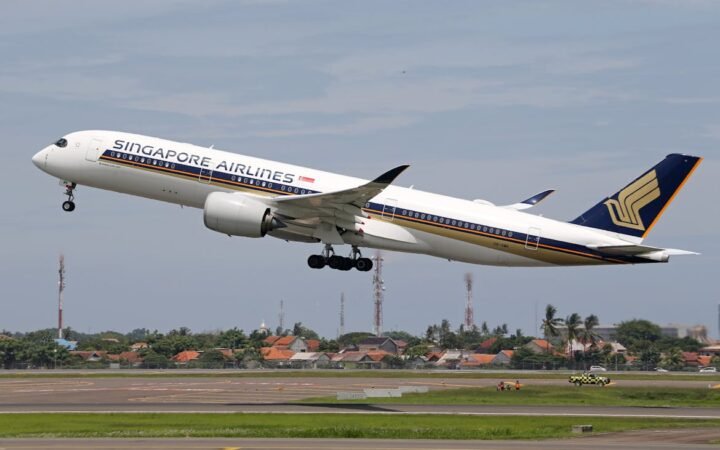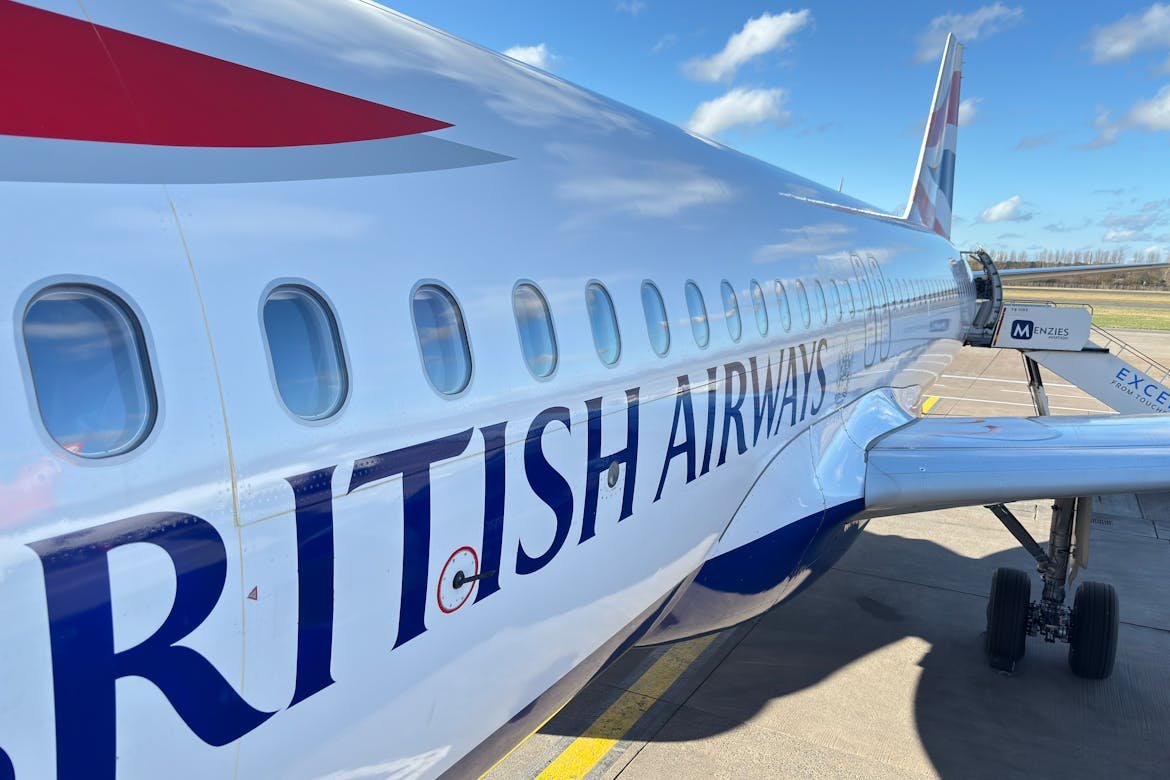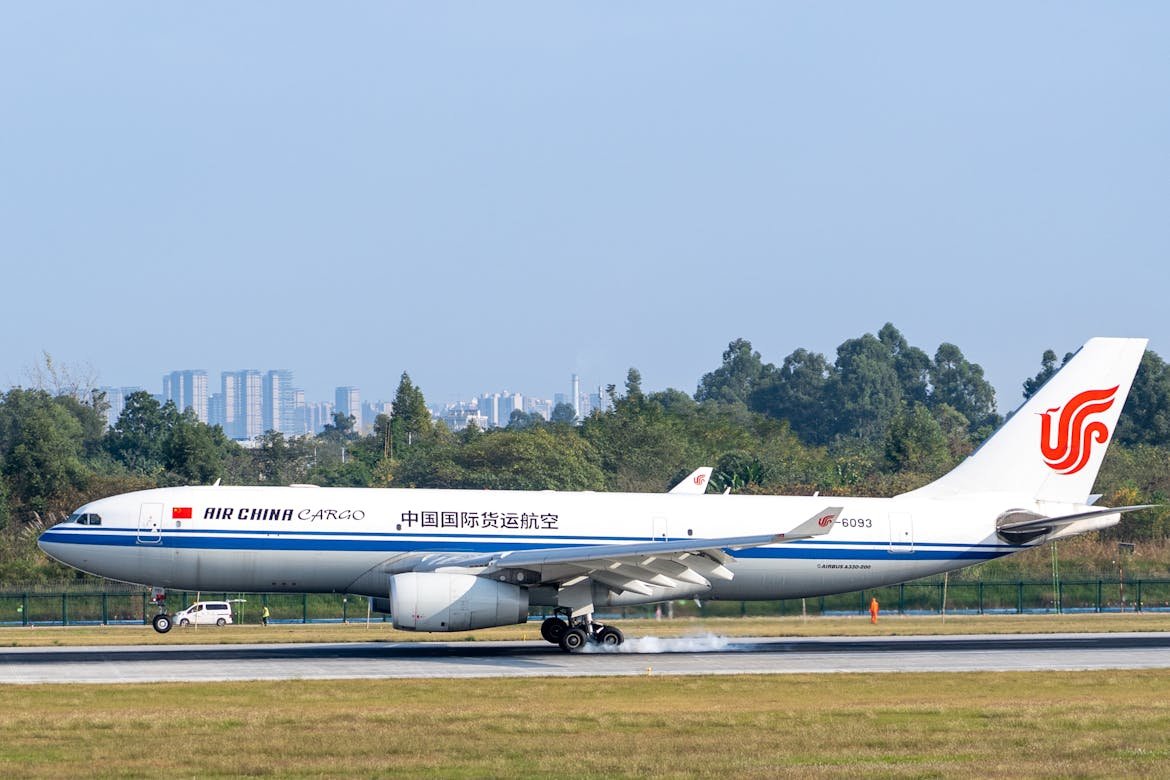

Air China resumed direct passenger flights between Beijing and Pyongyang on March 30, restoring a route that had been suspended since the start of the pandemic in 2020. According to the airline’s published schedule, flight CA121 departed Beijing Capital International Airport at 8:05 a.m. and was due to arrive in Pyongyang around 11 a.m. local time. The restart came just weeks after passenger train services between the two capitals resumed, marking another step in the gradual normalization of transport links between China and North Korea.
The significance of the move lies less in the route itself than in what it suggests about North Korea’s reopening strategy. International travel links with China were largely frozen during the pandemic, and their return has been slow and selective. Air Koryo, North Korea’s state carrier, had already resumed flights between the two capitals in 2023, but the return of China’s flag carrier adds a stronger commercial signal and points to a broader effort to restore regular cross-border movement.
That does not yet amount to a full tourism reopening. Current reporting indicates that while train and flight connections are returning, Pyongyang still has not broadly reopened to Chinese tourists. That matters because Chinese travelers accounted for about 90% of all foreign visitors to North Korea before the pandemic. The delay in fully restoring that market has stood out to observers, especially given China’s role as North Korea’s biggest trading partner and closest major ally.
The timing also fits with signs that North Korea is trying to rebuild tourism in a controlled way rather than through a rapid reopening. A Russian tour group was allowed into the country in 2024, and North Korean leadership has recently emphasized tourism development as part of broader economic activity. In that context, the resumed Beijing flights look less like an isolated airline decision and more like part of a phased effort to reintroduce foreign arrivals while maintaining tight control over access.
For the travel industry, the immediate commercial impact remains limited. There is still no indication that large-scale international tourism into North Korea is returning in the near term, and transport access alone does not mean the visitor market is fully open. Even so, the restart of Air China’s service is significant because it reestablishes a visible and regular commercial corridor between the two capitals.
For Beijing and Pyongyang, that makes the resumed route both a practical transport step and a diplomatic signal. It suggests that cross-border ties are being rebuilt gradually, with transport links restored first and broader tourism policy potentially following later. For now, the reopening remains narrow, but the direction of travel is becoming clearer.