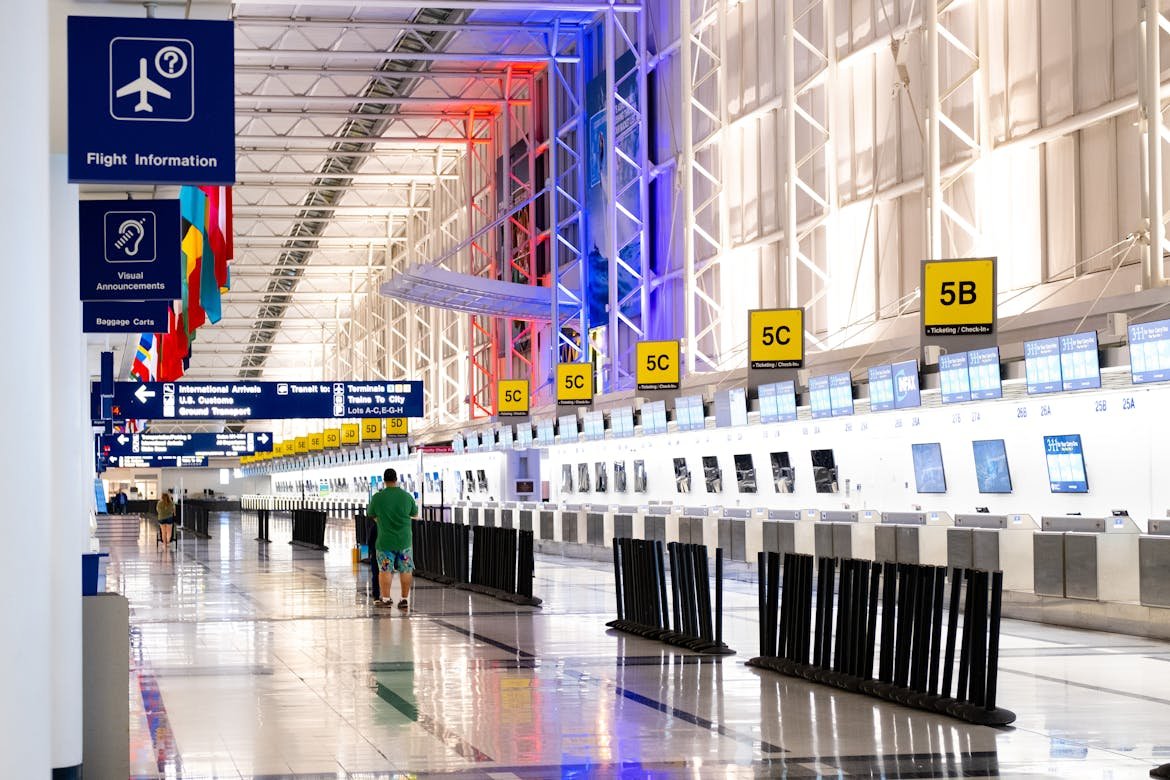
Chicago O’Hare International Airport has overtaken Atlanta to become the busiest airport in the United States, marking a major milestone for U.S. aviation in 2025.
By Yuliya Karotkaya
Published:
Updated:
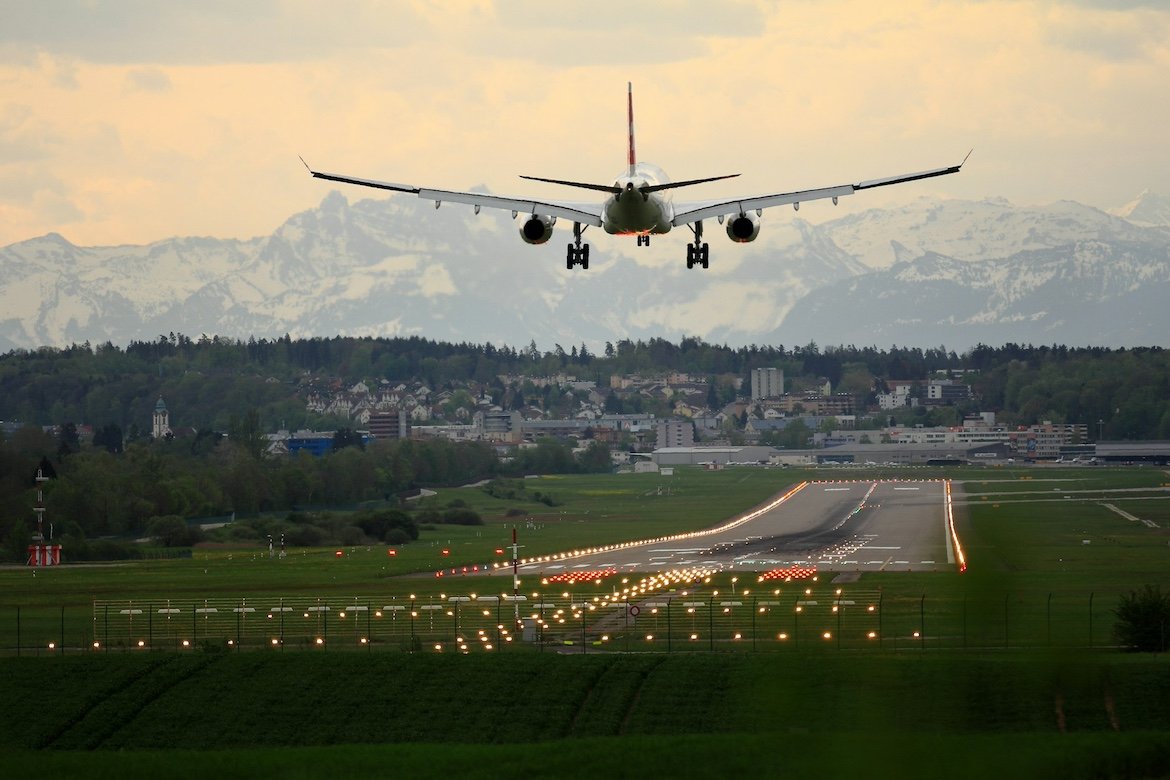
Chicago O’Hare International Airport reclaimed its position as the busiest airport in the United States in 2025. Photo: Matthew Turner / Pexels
Chicago O’Hare International Airport has officially reclaimed its position as the busiest airport in the United States, according to preliminary data released by the Federal Aviation Administration (FAA).
In 2025, nearly 857,400 aircraft took off or landed at O’Hare, pushing the Chicago hub ahead of Atlanta’s Hartsfield-Jackson International Airport, which recorded just over 807,600 aircraft movements during the same period. The shift marks the first time since 2019 that O’Hare has held the top spot, signaling a renewed surge in air traffic through the Windy City.
The milestone reflects a sharp rebound in flight activity at O’Hare, which saw more than a 10 percent increase in takeoffs and landings compared with 2024. As a major hub for both American Airlines and United Airlines, O’Hare plays a central role in domestic and international connectivity, linking travelers across North America and beyond. City officials have framed the achievement as evidence of Chicago’s growing momentum as a global center for business, tourism, and transportation.
The impact is even more striking when viewed alongside activity at Chicago Midway International Airport. Located about 30 miles southeast of O’Hare, Midway ranked 38th nationally with more than 210,900 aircraft movements in 2025. Combined, the two airports handled so much traffic that, on average, a plane was taking off or landing somewhere in Chicago roughly every 30 seconds throughout the year. This level of activity underscores the city’s unique role in the U.S. aviation network.
While O’Hare took the top position, several other major airports also posted significant traffic numbers. Dallas-Fort Worth International Airport ranked third nationally, followed by Denver International Airport and Las Vegas’s Harry Reid International Airport. Together, these hubs highlight the continued strength of air travel demand across the country, particularly in cities that serve as key transfer points for both leisure and business travelers.
Looking ahead, O’Hare’s dominance may only grow. A major expansion project is already underway, including a $1.3 billion new concourse expected to open in late 2028. The addition will increase gate capacity and is designed to support future growth as airlines add routes and frequencies. With more than 200 gates and a vast network of retail and dining options, the airport is positioning itself to handle rising passenger volumes more efficiently.
Despite its scale and intensity, O’Hare has not been ranked as the most stressful airport in the country, a title that has gone elsewhere. Still, its return to the top of the traffic rankings highlights a broader trend: U.S. air travel is not only recovering but reshaping itself, with Chicago once again standing at the center of the nation’s aviation map.
Carnival Cruise Line has unveiled Carnival Sunshine’s 2027-28 deployment, featuring Mediterranean classics, first-ever African ports, and a rare solar eclipse sailing.
By Yuliya Karotkaya
Published:
Updated:
Carnival Sunshine will offer Mediterranean and North African cruises in 2027-28, including new ports and a solar eclipse sailing. Photo: Carnival Cruise Line
Carnival Cruise Line is significantly expanding its European footprint with the announcement of Carnival Sunshine’s 2027-28 itineraries, marking one of the brand’s most diverse seasonal deployments to date.
From May through October 2027, the ship will be based in Europe, offering a wide range of Mediterranean and North African cruises departing from Barcelona in Spain and Civitavecchia near Rome in Italy.
The season reflects Carnival’s strategy of combining familiar destinations with new ports and special-event sailings designed to attract both repeat cruisers and first-time European travelers.
The itineraries span Southern and Western Europe while extending into North Africa for the first time in the cruise line’s history. Carnival Sunshine will call at destinations across Italy, Spain, France, Turkey, Montenegro, Tunisia, and Morocco, creating a mix of iconic cities and less-visited ports.
Among the highlights are Carnival’s inaugural African stops in La Goulette, the port serving Tunis in Tunisia, and Tangier in Morocco. These calls represent a milestone for the brand and signal growing confidence in demand for North African cruise tourism.
New ports, returning favorites, and a rare eclipse at sea
Alongside its African debut, Carnival Sunshine will introduce several new European ports to the company’s network. These include Bari in southern Italy, Bar in Montenegro, and Ajaccio on the French island of Corsica. Each offers a distinct cultural angle, from Adriatic coastal towns to historic Mediterranean islands.
At the same time, the ship will revisit destinations that have been absent from Carnival itineraries for several years, such as Genoa, Salerno, Palermo, and Catania in Italy, Palma de Mallorca in Spain, and Izmir in Turkey. The combination of new and returning ports allows Carnival to refresh its European offerings while maintaining broad appeal.
One of the standout moments of the season will be a special solar eclipse sailing departing on July 25, 2027. This voyage is timed to place Carnival Sunshine directly in the path of totality for the solar eclipse on August 2, 2027, offering guests a rare celestial experience at sea.
In addition to the eclipse viewing, the itinerary includes stops in Marseilles in France, Genoa, Salerno, and Catania in Italy, Valletta in Malta, and La Goulette in Tunisia. The sailing is positioned as a once-in-a-lifetime experience that blends science, spectacle, and classic Mediterranean cruising.
Carnival Cruise Line has emphasized that the 2027-28 deployment is about variety and exploration, catering to travelers seeking both well-known European highlights and new cultural horizons. The season also aligns with a broader trend in cruising toward longer deployments, unique itineraries, and event-driven voyages that go beyond standard port rotations.
With Carnival Sunshine serving as the centerpiece, the cruise line is clearly signaling its intent to compete more aggressively in the European and Mediterranean market while expanding into new regions.
A new interactive Pokémon attraction is set to debut at Universal Studios Japan, marking a major moment for theme park travel and fan-driven tourism.
By Yuliya Karotkaya
Published:
A new interactive Pokemon attraction is set to debut at Universal Studios Japan, blending theme park entertainment and fan-driven travel. Photo: The Pokemon Company/Universal Studios Japan
Japan’s position as a global hub for pop culture tourism is set to strengthen further with the announcement of a new interactive Pokémon experience debuting at Universal Studios Japan.
The project, developed through a long-term partnership between Universal and The Pokémon Company, will premiere in Osaka before expanding to other Universal parks worldwide. While details remain closely guarded, both companies describe the experience as immersive, interactive, and unlike anything previously offered in the franchise’s theme park history.
The announcement arrives at a pivotal moment for Pokémon, which is celebrating its 30th anniversary in 2026. For decades, the franchise has been a powerful driver of travel, drawing fans to Japan for events, pop-up stores, cafés, and themed attractions. Universal Studios Japan has already tested that demand through Pokémon-themed parades and seasonal shows, but this new project signals a far deeper commitment to location-based entertainment built around the brand.
A New Driver of Theme Park Travel in Japan
Universal has positioned the upcoming experience as a “global development project,” suggesting the Osaka debut is only the first step in a broader rollout. While it is still unclear whether the attraction will take the form of a full themed land, a standalone ride, or a multi-attraction zone, the emphasis on interactivity points to an experience that goes beyond passive viewing. Guests can expect technology-driven elements designed to bring the Pokémon world to life in a more personal and participatory way.
For Japan’s travel industry, the timing is significant. Theme parks remain one of the strongest magnets for inbound visitors, especially families and younger travelers. Universal Studios Japan has already seen major success with IP-based expansions, most notably its Nintendo-themed areas, which reshaped travel patterns to Osaka and boosted multi-day stays. A permanent or semi-permanent Pokémon experience could have a similar effect, reinforcing Osaka as a must-visit destination alongside Tokyo and Kyoto.
The project also fits into a wider trend of experiential travel, where visitors plan trips around specific cultural moments rather than traditional sightseeing alone. Pokémon’s global fan base spans generations, making the attraction appealing not just to children but to adult fans who grew up with the franchise. That broad demographic reach is especially valuable in a market where travelers are increasingly seeking nostalgia-driven and interactive experiences.
Beyond Universal Studios Japan, the broader Pokémon tourism ecosystem continues to expand. A separate Pokémon-themed park is scheduled to open in the Tokyo area, underscoring how the franchise is becoming a sustained pillar of domestic and international travel. Together, these developments point to a future where pop culture attractions play an even larger role in shaping travel demand, itineraries, and destination choice.
For travelers planning trips to Japan over the next few years, the debut of Pokémon’s most ambitious theme park experience yet is likely to become a defining highlight, blending entertainment, technology, and fandom into a new reason to visit.
Ryanair CEO Michael O’Leary says a public online clash with Elon Musk has delivered a noticeable boost in ticket sales, turning controversy into effective marketing.
By Yuliya Karotkaya
Published:
Updated:
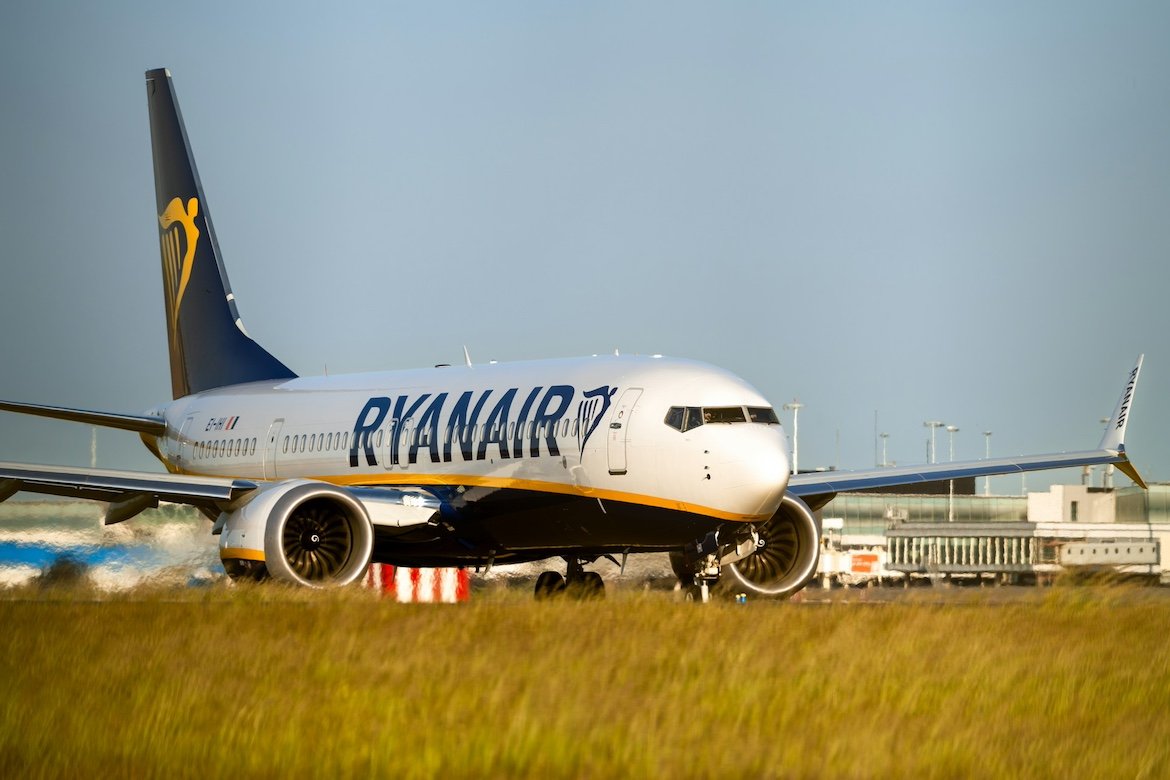
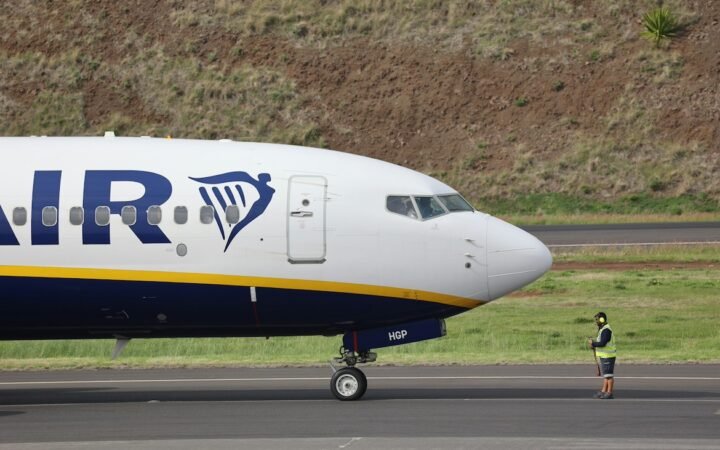
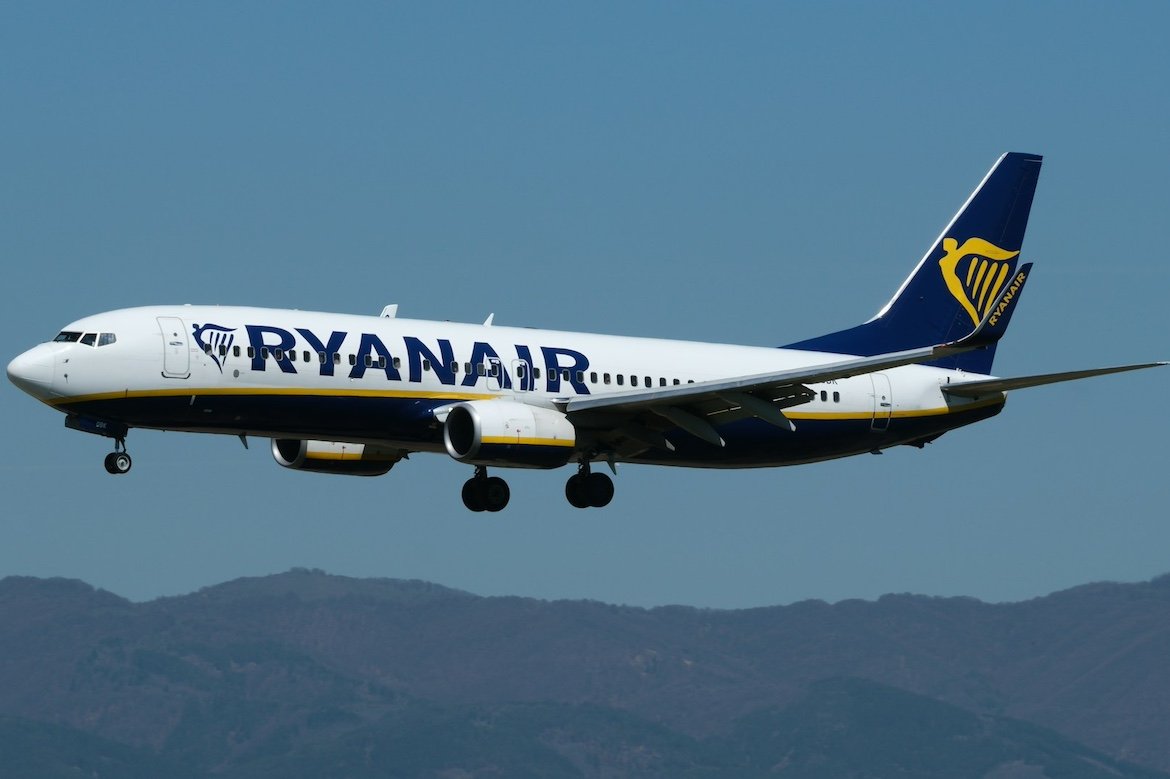
Ryanair says a public online feud with Elon Musk has driven higher bookings and fresh attention to the airline. Photo: Niels Baars / Unsplash
Ryanair has credited a highly publicized online feud with tech billionaire Elon Musk for delivering a short-term boost in ticket sales, underlining how controversy can translate into commercial momentum in the travel industry. According to Ryanair CEO Michael O’Leary, bookings have risen by between two and three percent in recent days following the very public exchange between the two outspoken executives.
The clash began after O’Leary rejected the idea of installing Musk’s satellite internet service, Starlink, on Ryanair aircraft. O’Leary argued that the technology would not make financial sense for a low-cost carrier, citing high installation costs, increased fuel consumption, and limited willingness among passengers to pay for onboard connectivity. Musk responded with personal insults and floated the idea of buying Ryanair, escalating the exchange across social media.
Rather than backing away, O’Leary embraced the attention. At a press conference in Dublin, he said he took no offense at Musk’s remarks and joked that being called an idiot was hardly unusual for him. More importantly, he said the publicity had been “wonderful” for Ryanair’s visibility and had directly translated into higher sales. The airline even launched a themed seat promotion tied to the spat, reinforcing its long-standing reputation for provocative and unconventional marketing.
O’Leary acknowledged that social media can be a hostile environment, but said it remains a powerful promotional tool. Ryanair has frequently used humor, mockery, and controversy to stand out in a crowded European aviation market, often leaning into criticism rather than avoiding it. In this case, the airline’s leadership appears to view the exchange as a mutually beneficial spectacle that boosted engagement on both sides.
The dispute also touched on broader industry trends. Several airlines have begun rolling out free onboard Wi-Fi, but O’Leary has remained skeptical that such services align with Ryanair’s ultra-low-cost model. He estimates that fitting Starlink across the fleet would cost hundreds of millions of euros annually and that only a small fraction of passengers would be willing to pay for access, making the investment difficult to justify.
While Musk has repeatedly joked about buying the airline, O’Leary pointed out that European regulations prevent non-European investors from owning a majority stake in EU-based carriers. Still, he said Musk would be welcome to invest if he chose to do so.
For Ryanair, the episode reinforces a familiar lesson. In an era where attention can be as valuable as advertising spend, a well-timed controversy can move bookings just as effectively as a fare sale.
Etihad Rail has unveiled details of the UAE’s first national passenger railway network, promising faster intercity travel and a new chapter in domestic mobility starting in 2026.
By Yuliya Karotkaya
Published:
Updated:
Etihad Rail’s passenger trains will connect major UAE cities with fast, modern, and congestion-free travel from 2026. Photo: Irma Sjachlan / Pexels
Etihad Rail has revealed new details about the UAE’s first fully integrated national passenger railway network, marking a major milestone ahead of the service’s planned launch in 2026.
The network is designed to connect 11 cities and regions across the country, offering a fast, reliable alternative to road travel while supporting long-term economic growth, tourism, and sustainability goals.
The first phase of passenger services will link Abu Dhabi, Dubai, and Fujairah, three of the country’s most important urban and economic centers. Travel times are expected to be transformational, with journeys between Abu Dhabi and Dubai taking around one hour, and trips to Fujairah completed in approximately 90 minutes. Trains will operate at speeds of up to 200 kilometers per hour and carry up to 400 passengers each, easing pressure on increasingly busy highways.
Beyond the initial routes, Etihad Rail has confirmed station locations across a wider national footprint, including communities in Al Dhannah, Al Mirfa, Madinat Zayed, Mezaira’a, Al Faya, Al Dhaid, and Al Sila’. These stations will be introduced in phases, forming the backbone of a passenger system designed to grow alongside population centers and future developments.
Designed for Comfort, Speed, and Seamless Travel
The passenger trains have been developed with a strong focus on comfort and convenience. Interiors will feature modern design, ergonomic seating, onboard Wi-Fi, and power outlets at every seat, positioning rail travel as a practical alternative for commuters, business travelers, and tourists. Services will operate on a regular and precise schedule, offering predictability that is often difficult to achieve by road during peak hours.
Integration with existing transport networks is a key part of the project. Stations are being designed to connect smoothly with metro lines, buses, taxis, and ride-hailing services, ensuring that first- and last-mile travel is as efficient as the rail journey itself. Parking facilities and future transport connections are also being factored in to accommodate evolving travel patterns.
A National Project with Long-Term Impact
Etihad Rail’s passenger network builds on the success of the UAE’s freight rail operations, which began in 2023. The passenger system is expected to deliver wide-ranging benefits beyond mobility, including reduced emissions, improved road safety, and stronger social and economic ties between the Emirates. By making intercity travel faster and more accessible, the network is also expected to stimulate domestic tourism and regional development.
The scale of the project reflects years of planning and coordination, involving thousands of specialists and millions of working hours. Each station and route has been selected based on population density, travel demand, and future growth potential, ensuring the network remains relevant for decades to come.
As anticipation builds ahead of the 2026 launch, Etihad Rail’s passenger services are set to redefine how people move across the UAE. With speed, comfort, and national connectivity at its core, the network represents a significant step toward a more integrated and sustainable transport future.
Japan welcomed a record number of international visitors in 2025, even as arrivals from China fell sharply late in the year amid rising diplomatic tensions.
By Yuliya Karotkaya
Published:
Updated:
Japan welcomed a record number of international visitors in 2025 as travel demand diversified beyond China. Photo: Matt Cramblett / Unsplash
Japan recorded its highest-ever number of international visitors in 2025, welcoming 42.7 million tourists and surpassing the previous year’s total by a wide margin. The milestone reflects the country’s continued appeal as a global travel destination, supported by a weak yen, expanded air connectivity, and sustained demand from long-haul markets.
The strong performance came despite a sharp downturn in arrivals from China toward the end of the year, underscoring how Japan’s inbound tourism base is becoming more diversified.
According to official data from the transport ministry and the Japan National Tourism Organization, arrivals from the Chinese mainland fell by more than 45 percent year over year in December, dropping to roughly 330,000 visitors. The decline followed diplomatic tensions after remarks by Sanae Takaichi on Taiwan prompted Beijing to advise its citizens against traveling to Japan.
China had been Japan’s largest source market, accounting for nearly a quarter of all foreign visitors during the first nine months of 2025.
Strong Growth From Other Markets Offsets Decline
Despite the sudden drop from China, overall visitor numbers continued to rise thanks to increased arrivals from Australia, Europe, and the United States. Officials described the record-breaking year as a significant achievement, noting that demand from other regions was strong enough to offset the shortfall. Spending by international visitors also remained robust, supported by favorable exchange rates and longer stays, particularly among travelers from Western markets.
Chinese tourists, when present, continued to outspend other visitor groups, with higher average spending on shopping, accommodation, and dining. The sudden contraction therefore had noticeable effects on businesses catering specifically to Chinese travelers, including retail and tour operators in major cities. Some agencies reported severe declines in bookings late in the year, highlighting the economic sensitivity of tourism flows to geopolitical developments.
Overtourism Pressures and Policy Responses
The surge in overall visitor numbers has intensified concerns about overtourism, particularly in popular destinations such as Kyoto, where residents have voiced frustration over crowding, congestion, and visitor behavior. Complaints have ranged from littering to tourists harassing local cultural figures for photographs, prompting calls for stronger management measures.
In response, authorities have begun introducing controls aimed at balancing tourism growth with quality of life for residents. Measures include caps on hikers at Mount Fuji, entry fees for certain attractions, and efforts to redirect visitors toward lesser-known regions. The government has also promoted rural destinations and regional travel to spread economic benefits more evenly across the country.
Japan has set an ambitious target of welcoming 60 million international visitors annually by 2030, but officials have emphasized that future growth must be more sustainable. Forecasts suggest that overall arrivals in 2026 could dip slightly if Chinese demand remains subdued, though tourism revenue may continue to rise due to higher prices and increased spending by repeat visitors.
The record-breaking year highlights both the resilience and the complexity of Japan’s tourism sector. While diversified demand has helped cushion geopolitical shocks, managing growth responsibly remains a central challenge as the country navigates its next phase of inbound travel expansion.
Atlas Ocean Voyages is building its first-ever luxury expedition sailing yacht, combining wind power, hybrid technology, and boutique hospitality for global exploration starting in 2028.
By Yuliya Karotkaya
Published:
Updated:
Atlas Adventurer will blend wind power, hybrid propulsion, and luxury design for a new generation of expedition cruising. Photo: Atlas Ocean Voyages
Atlas Ocean Voyages has announced plans for its first-ever luxury expedition sailing yacht, marking a major step in the brand’s evolution beyond traditional expedition ships. The new vessel, named Atlas Adventurer, is currently under construction and is scheduled to debut in late 2028.
Designed as a next-generation platform, the yacht aims to combine advanced maritime technology with elevated comfort while expanding Atlas’ reach into new regions around the world.
At 26,000 gross tons and nearly 690 feet long, Atlas Adventurer will become the largest ship in the company’s fleet, significantly larger than its existing expedition vessels. The yacht will accommodate up to 400 guests, supported by a crew of 275, maintaining a boutique atmosphere despite its increased scale. All accommodations will be suites, reinforcing Atlas’ focus on premium experiences even as it grows capacity.
A New Approach to Sustainable Expedition Cruising
Atlas Adventurer has been engineered with sustainability at the core of its design. The yacht will feature three carbon-fiber masts equipped with solid sails, allowing it to operate under wind power when conditions permit. Combined with electric-hybrid propulsion and dual-fuel engines, this setup enables near-silent sailing and the potential for zero-emission cruising during certain segments of a voyage.
A large marine battery system supports the hybrid configuration, providing additional power when wind conditions are light and allowing for smooth transitions between propulsion modes. The reinforced hull and Ice Class 1B rating will allow the yacht to navigate a wide range of environments, including open polar waters and icy conditions. This flexibility is intended to give Atlas access to remote and environmentally sensitive destinations while aligning with future zero-emission port regulations.
Expanded Onboard Experiences and Global Itineraries
Beyond propulsion, Atlas Adventurer is designed to significantly expand the onboard experience. The yacht will feature seven dining venues, including specialty restaurants and a culinary studio focused on hands-on learning and destination-inspired programming. Five lounges and cocktail bars, two of them outdoors, will offer a range of social spaces, while a larger fitness and wellness center and swimming pool will support longer voyages in warm and remote regions.
Purpose-built expedition features include Zodiacs, luxury motorboats, and a marina platform with an ocean pool, allowing guests to explore coastlines and marine environments directly from the ship. These elements reflect Atlas’ goal of blending traditional expedition cruising with the lifestyle elements more commonly found on luxury yachts.
When it enters service, Atlas Adventurer will sail itineraries across Asia and Africa, including destinations such as Japan, Southeast Asia, and parts of East and Southern Africa. These regions represent new territory for the brand and signal Atlas’ intention to broaden its geographic footprint. With Atlas Adventurer, the company is positioning itself at the intersection of sustainability, exploration, and high-end hospitality, redefining what luxury expedition cruising can look like in the coming decade.
Ryanair has launched a tongue-in-cheek flash sale tied to a public spat between its CEO and Elon Musk, once again using controversy as a marketing tool.
By Yuliya Karotkaya
Published:
Updated:
Ryanair used humor and controversy to promote a limited-time seat sale during a public spat with Elon Musk. Photo: Sevcan Alkan / Unsplash
Ryanair has once again leaned into controversy as part of its marketing playbook, launching a flash fare promotion tied directly to a public feud between its chief executive and tech billionaire Elon Musk. The airline announced a limited-time sale of 100,000 seats priced at €16.99 one-way, framing the promotion as a tongue-in-cheek celebration of what it described as the “idiots of X.”
Don’t thank us, thank that big “IDIOT” @elonmusk 👀
The sale follows a heated exchange on social media between Musk and Ryanair CEO Michael O’Leary, which began after O’Leary dismissed the idea of installing Musk’s satellite internet service, Starlink, on Ryanair aircraft. O’Leary publicly argued that the cost of rolling out the technology across the airline’s fleet would outweigh any benefit, claiming passengers would not be willing to pay even a small fee for onboard connectivity.
Musk responded in kind, and the back-and-forth quickly escalated into personal insults exchanged in front of millions of online followers. Rather than stepping back, Ryanair leaned into the moment, announcing the sale with deliberately provocative language and promotional graphics that caricatured both men. The airline also teased a press conference in Dublin, promising further commentary on what it described as Musk’s latest online outburst.
The episode highlights Ryanair’s long-standing approach to brand visibility. Under O’Leary’s leadership, the airline has repeatedly used blunt language, public feuds, and humor that borders on offensive to dominate headlines. While the tone often draws criticism, it also keeps the airline firmly in the public conversation, particularly among price-sensitive travelers who associate Ryanair with low fares above all else.
From a business perspective, the timing of the sale is notable. Ryanair has reported strong financial performance over the past year, benefiting from high demand for short-haul European travel as many travelers opt for closer-to-home holidays. The airline’s ability to pair ultra-low fares with viral attention helps reinforce its image as both disruptive and unapologetically different from more conservative carriers.
Musk’s side of the exchange included joking suggestions about buying Ryanair or installing new leadership, but there has been no indication that the airline is for sale or that discussions are taking place. For Ryanair, the comments appear to have served their purpose regardless, generating widespread coverage far beyond traditional aviation media.
The incident underscores how modern airline marketing increasingly blurs the line between promotion and spectacle. In an industry defined by tight margins and fierce competition, Ryanair continues to show that attention itself can be a valuable currency, especially when it can be converted into sold-out seats.
American Airlines is rolling out new mobile app features designed to give travelers faster, clearer options when flights are disrupted, reducing stress and dependence on airport lines.
By Yuliya Karotkaya
Published:
Updated:
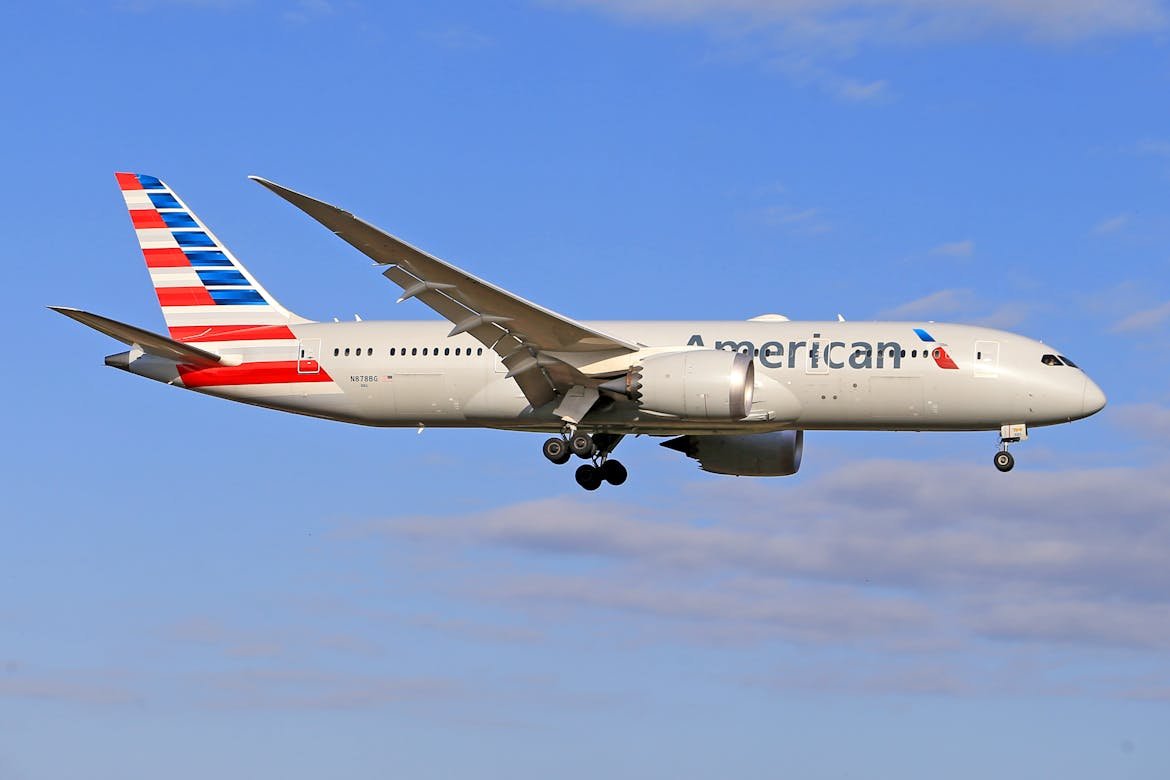
American Airlines is expanding its mobile app to help travelers manage flight disruptions more easily and independently. Photo: Jeffry Surianto / Pexels
American Airlines is enhancing its mobile app and website with new self-service tools aimed at making flight disruptions easier for travelers to manage. The updates focus on giving customers faster access to information and clearer choices when plans change, shifting more control directly into passengers’ hands at moments that are often stressful and time-sensitive.
With the new features, customers can see disruption-related updates tied to their specific reservation as soon as an issue occurs. Instead of searching through multiple screens or waiting for announcements, travelers are presented with a single, dedicated view that explains what is happening and what actions are available. This includes whether the airline is already working on an automated rebooking solution, helping to reduce uncertainty during delays or cancellations.
From that same screen, eligible travelers can rebook flights through a guided self-service flow, often in just a few steps. The app also allows customers to track checked bags in real time, providing reassurance when itineraries change unexpectedly. For overnight delays or extended disruptions, hotel, meal, and transportation vouchers can be accessed directly via QR codes within the app, removing the need to stand in line or speak with an agent.
Ground transportation has also been integrated more seamlessly into the experience. Ride-hailing options are built directly into the disruption workflow, helping travelers move beyond the airport without switching between multiple apps. The goal, according to the airline, is to create a clearer path forward rather than simply sending more notifications that leave customers unsure of what to do next.
These changes reflect a broader shift in airline customer service, where digital tools are increasingly expected to handle tasks once managed exclusively by airport staff. For travelers, especially frequent flyers, the ability to resolve issues independently can save significant time and reduce frustration. It also helps airlines manage high volumes of disrupted passengers more efficiently during weather events or operational challenges.
American has indicated that this is not the final stage of its self-service rollout. Later this year, the airline plans to introduce additional options such as self-service standby selection, expanded rebooking flexibility, and enhanced support for hotels and meals. These future updates are intended to further reduce reliance on call centers and airport desks during irregular operations.
The app enhancements are part of a wider investment in technology across the customer journey, from booking to boarding and beyond. As travelers increasingly expect real-time solutions and transparency, airlines that offer clear, centralized tools during disruptions may gain an edge in customer satisfaction. For American, the latest updates signal a continued push toward a more connected, customer-first digital experience.
The announcement of BTS’s comeback world tour has triggered a surge in flight and hotel searches worldwide, highlighting the growing power of live music to drive travel.
By Yuliya Karotkaya
Published:
Updated:
BTS’s comeback tour is influencing global travel behavior months before the first concert takes place. Photo: Bighit Music
The return of BTS is already reshaping travel patterns, even though tickets for the group’s comeback world tour have yet to go on sale.
Within hours of the tour announcement, fans across multiple continents began locking in flights and accommodations, turning anticipation into immediate travel action. The response underscores how large-scale music events have evolved into powerful drivers of tourism rather than simple entertainment experiences.
Travel platforms reported dramatic spikes in demand almost instantly. Searches for cities hosting early tour dates surged year over year, with some destinations seeing exponential growth. According to Booking.com, interest in South Korean cities tied to the tour rose sharply, while destinations in North America, Latin America, and Europe also experienced sudden increases.
Similar patterns were observed by Agoda, which noted a sharp rise in accommodation searches from regional markets across Asia.
Live Music Becomes a Catalyst for Early Travel Planning
What makes the BTS effect notable is the timing. Fans did not wait for ticket confirmations, seating charts, or even final tour branding before committing to travel. Instead, many secured hotels near stadiums and booked flights as soon as tour cities were revealed. This behavior reflects a growing confidence among travelers that securing logistics early is essential for high-demand events, even if attendance is not yet guaranteed.
The tour spans dozens of cities across multiple continents, with stadium-scale venues planned throughout Asia, North America, and beyond. Early data shows that fans are willing to travel internationally, often combining concerts with extended stays or multi-city itineraries. This has immediate implications for airlines, hotels, and destination marketers, particularly in cities that may not traditionally rely on concert-driven tourism.
From a travel industry perspective, the surge highlights how fandom-led travel differs from traditional leisure demand. These travelers are less price-sensitive, more date-specific, and highly motivated by the event itself. Hotels near venues are often the first to sell out, and flight demand spikes well ahead of the concert date, compressing booking windows and pushing prices upward earlier than usual.
Event Tourism Expands Beyond the Concert Night
The BTS comeback tour also reinforces a broader trend toward event-led travel, where the destination becomes secondary to the experience. Fans are traveling across borders not just for a show, but for the shared cultural moment surrounding it. Social media plays a key role, amplifying urgency and encouraging fans to act collectively and quickly.
For destinations, this kind of demand offers both opportunity and challenge. While it can deliver sudden economic boosts, it also requires coordination around accommodation availability, transportation, and crowd management. Cities that successfully anticipate these surges may benefit long after the final encore, as visitors extend their stays or return for non-event travel.
The early travel response to BTS’s tour announcement shows how live entertainment now shapes travel behavior months in advance. As major tours grow larger and more global, the travel industry is increasingly tied to the rhythms of pop culture. In this new landscape, a concert announcement can move markets long before the music begins.
A new analysis suggests the widespread use of weight-loss drugs could reduce airline fuel costs, highlighting how passenger health trends may influence aviation economics.
By Yuliya Karotkaya
Published:
Passenger weight trends may begin to influence airline fuel efficiency and operating costs. Photo: Kelly / Pexels
Airlines have spent decades obsessing over weight. From lighter seats to smaller catering portions, reducing aircraft load has long been one of the most reliable ways to cut fuel consumption. A new analysis suggests an unexpected factor may soon contribute to those efforts: the growing use of weight-loss drugs among passengers.
According to research by Jefferies, the increasing popularity of GLP-1 medications could translate into meaningful fuel savings for airlines. These drugs, which are widely used for weight management, are becoming more accessible across the United States. While airlines have no control over passenger weight, the analysis argues that a population-level shift could still have measurable financial effects.
Fuel consumption is directly linked to how much weight an aircraft carries, including passengers, baggage, and cargo. Even small reductions can scale into significant savings when applied across large fleets flying thousands of routes daily. Jefferies estimates that if society becomes roughly 10 percent slimmer, total passenger weight on flights would drop by about 2 percent, leading to approximately 1.5 percent savings in fuel usage.
Why Passenger Weight Matters to Airlines
To illustrate the impact, the analysis modeled a narrow-body aircraft commonly used on domestic routes. When passenger weight is reduced across a full flight, the total takeoff weight declines enough to affect fuel burn over time. While the difference per flight may seem minor, multiplied across an entire year and across hundreds of aircraft, the numbers grow quickly.
Jefferies estimates that the four largest U.S. carriers – American Airlines, Delta Air Lines, Southwest Airlines, and United Airlines – could collectively save around $580 million annually in fuel costs. Fuel remains one of the largest operating expenses for airlines, often accounting for roughly one-fifth of total costs. Even modest efficiency gains can improve margins in an industry known for thin profits.
Airlines have historically pursued weight savings in unconventional ways. Industry lore includes stories of removing a single olive from onboard salads or reducing paper stock on magazines to shave ounces. Passenger weight, however, has always been outside their control, making this potential shift particularly notable.
Savings, Trade-Offs, and the Bigger Picture
While fuel savings sound attractive, analysts caution that benefits may not flow directly to travelers. Airlines could see reduced revenue elsewhere, particularly from onboard food and beverage sales if passengers feel less inclined to snack. If ancillary revenue declines offset fuel savings, airlines may look to adjust pricing or fees in other areas.
The trend also raises broader questions about how lifestyle and health shifts can ripple through the travel industry. From aircraft design assumptions to long-term fuel forecasting, airlines rely on stable averages when planning operations. A sustained change in passenger weight could eventually factor into future efficiency models, even if subtly.
For now, the idea remains more analytical than operational. Airlines are unlikely to change policies or pricing based on passenger health trends alone. Still, the research highlights how forces far outside aviation can influence airline economics. In an industry built on fine margins and incremental gains, even unexpected changes can add up.
New travel data for 2026 shows travelers rethinking how they plan, pay for, and experience trips, with AI, short getaways, wellness, and flexibility shaping the year ahead.
By Yuliya Karotkaya
Published:
Updated:
Travel in 2026 reflects a move toward smarter planning, shorter trips, and more meaningful travel experiences. Photo: The Lazy Artist Gallery / Pexels
Travel in 2026 is less about ticking boxes and more about making trips fit real life. According to WTF: What the Future Report 2026 by KAYAK, travelers are still prioritizing travel, but they are adjusting how they plan, spend, and choose destinations. The result is a year shaped by flexibility, authenticity, and a growing desire for balance.
AI as a Travel Companion
AI has become a central part of how travelers plan trips in 2026. Rather than relying solely on friends, blogs, or social media, many travelers now use AI to compare prices, understand travel rules, and assess destinations quickly. Trust in AI recommendations is growing because they are perceived as more current and data-driven. For many, AI is no longer a novelty but a practical planning partner.
Not-Yet-Viral Destinations
Crowded, overexposed destinations are losing their appeal. Travelers increasingly want places that feel undiscovered, quieter, and less shaped by social media trends. Visiting somewhere unfamiliar is now seen as a positive signal, not a risk. This shift benefits smaller cities, emerging regions, and destinations that offer authenticity over instant recognition.
Nanocations
Short trips are becoming a dominant travel format. One- to three-night getaways allow travelers to reset without taking long vacations or extensive time off work. These nanocations require less planning and fit more easily into busy schedules. Travelers value the freedom to travel more often, even if each trip is shorter.
Buy Now, Pay Later Travel
Payment flexibility is playing a bigger role in travel decisions. Installment plans and credit-based payment options are helping travelers manage budgets without cutting back entirely. For younger travelers especially, how a trip can be paid for influences how many trips they take each year. Travel is still a priority, but spending is becoming more strategic.
Gasp-Worthy Experiences
Travelers are chasing moments that inspire awe rather than traditional sightseeing. Natural wonders, rare events, and visually striking landscapes are driving destination choices. These experiences offer emotional impact that feels more meaningful than collecting photos of familiar landmarks. In 2026, memorable moments often matter more than famous locations.
Wellness Becomes the New Luxury
Luxury travel is being redefined around rest and recovery. Travelers increasingly associate high-end experiences with better sleep, spa treatments, quiet environments, and mental reset. Fine dining and premium amenities still matter, but only when they support overall well-being. Luxury is less about status and more about feeling restored.
Small Towns Over Big Cities
Large cities are no longer the default choice for many travelers. Smaller towns and rural destinations offer lower prices, fewer crowds, and a slower pace that many find more appealing. Travelers are drawn to places where local life feels accessible and personal. This trend favors charm, walkability, and a sense of place.
Event-Led Travel
Trips built around major events are on the rise. Concerts, sports tournaments, festivals, and cultural moments are increasingly the main reason for choosing a destination. Travelers are willing to plan entire itineraries around a single experience. In 2026, the event itself often matters more than the city hosting it.
Slow Travel Mindset
Travelers are intentionally slowing down. Rather than packing schedules, many prefer fewer activities, longer stays, and more unstructured time. This approach reduces burnout and makes trips feel more restorative. Quality is replacing quantity as the guiding principle.
Soft Adventure
Adventure travel is becoming more comfortable. Travelers want outdoor activities like hiking or cycling paired with good hotels, quality meals, and downtime. Roughing it is no longer required to feel adventurous. Soft adventure blends nature with comfort, making it accessible to a broader audience.
Together, these ten trends show that travel in 2026 is not about doing more, but about doing things better. Travelers want trips that feel efficient, flexible, and genuinely rewarding, proving that the future of travel is increasingly thoughtful rather than impulsive.
The collapse of a long-running UK travel company has left customers scrambling for answers, highlighting gaps in consumer protection for certain types of travel bookings.
By Yuliya Karotkaya
Published:
Updated:
The collapse of a UK travel agency has left customers facing cancelled trips and limited refund options. Photo: Pascal Meier / Unsplash
The sudden collapse of Regen Central Ltd has left many UK travelers facing cancelled holidays and uncertain refund prospects. The company, which sold package holidays including flights and hotels, entered liquidation in mid-January after more than a decade in operation.
Founded in Hertfordshire, the firm had built a solid reputation among customers and operated across destinations in Europe, Southeast Asia, and the Middle East.
Regen Central traded under several names, including One Haji and Umrah, Regen Travels, and Oneworld Travels. Despite positive online reviews praising its service and communication, the company ceased trading abruptly.
All bookings were cancelled, and customers were advised to stop making payments immediately. For many travelers, the announcement came just weeks or even days before planned departures.
Why Refunds Are Not Guaranteed
The situation has caused confusion because the company previously held an Air Travel Organiser’s Licence, commonly known as ATOL. Managed by the Civil Aviation Authority, ATOL is designed to protect consumers who book package holidays that include flights. In cases where an ATOL holder collapses, customers are typically entitled to refunds or repatriation.
In this case, however, the CAA confirmed that Regen Central had no outstanding ATOL-protected bookings at the time it ceased trading. This means that customers who purchased accommodation-only packages, non-flight holidays, or flight-only bookings are not covered by the ATOL scheme. As a result, no automatic refunds will be issued through the protection program, leaving affected customers to pursue alternative routes such as credit card chargebacks or travel insurance claims.
The distinction between protected and non-protected bookings is often misunderstood by travelers. While ATOL offers strong safeguards for certain package holidays, it does not extend to every type of travel purchase. This collapse has once again highlighted how travelers can be exposed when booking arrangements fall outside regulated protection schemes.
A Pattern of Closures in the UK Travel Market
Regen Central’s failure is not an isolated case. Over the past year, several UK-based travel companies have ceased trading, reflecting ongoing pressures within the travel sector. Rising operational costs, changing consumer behavior, and lingering financial strain from recent global disruptions have made survival more challenging for smaller and mid-sized agencies.
Other companies that have closed recently include Ickenham Travel Group Ltd, Great Little Escapes LLP, and Jetline Travel Ltd. Each collapse has left customers navigating complex refund processes and underscored the importance of understanding booking protections before committing to a trip.
For travelers, the lesson is not necessarily to avoid independent or specialist agencies, but to pay close attention to how holidays are structured and protected. Knowing whether a booking is covered by ATOL or other schemes can make a critical difference if a company fails.
As the UK travel market continues to adjust, consumer awareness remains one of the strongest safeguards against unexpected disruption.
The Philippines has launched a one-year visa-free entry program for Chinese nationals, allowing short stays for tourism and business as the country looks to revive regional travel demand.
By Yuliya Karotkaya
Published:
Updated:
The Philippines is opening its doors to Chinese travelers with a new 14-day visa-free entry policy. Photo: Cris Tagupa / Unsplash
The Philippines has introduced a new visa-free entry policy for Chinese nationals, marking a significant step in its efforts to revive tourism and strengthen regional travel ties. Effective January 16, 2026, holders of mainland Chinese passports can enter the country without a visa for stays of up to 14 days. The initiative is being rolled out as a one-year trial and applies exclusively to arrivals through Ninoy Aquino International Airport in Manila and Mactan-Cebu International Airport.
The policy allows visa-free travel strictly for tourism and business purposes and does not permit extensions or changes to another visa category once in the country. Travelers must present a passport valid for at least six months beyond their stay, confirmed accommodation, and a return or onward ticket. Authorities have emphasized that standard security checks will continue to apply, ensuring that the easing of entry requirements does not compromise border control.
The move aligns the Philippines more closely with other Southeast Asian destinations that already offer visa-free access to Chinese visitors. Before the pandemic, China was one of the country’s largest tourism source markets, generating significant visitor arrivals and spending. While numbers dropped sharply in recent years, officials see the new policy as a way to stimulate recovery and make the Philippines more competitive in the regional travel landscape.
Beyond leisure travel, the visa waiver is expected to support short-term business activity. A two-week entry window makes it easier for corporate travelers to conduct meetings, site visits, and preliminary project work, particularly in sectors such as infrastructure, construction, and renewable energy. However, authorities have stressed that any form of paid employment beyond the 14-day limit still requires appropriate work authorization under existing immigration rules.
Airlines have responded positively to the announcement, signaling potential capacity increases if demand rebounds. Improved air connectivity between major Chinese cities and Philippine hubs could further accelerate travel recovery, especially during peak holiday and business travel periods. The policy may also encourage more spontaneous travel, as reduced paperwork lowers barriers for short trips.
The visa-free arrangement will be reviewed in the final quarter of 2026, with officials assessing its impact on arrivals, tourism revenue, and border management. Depending on the outcome, the program could be extended, adjusted, or discontinued. For now, the initiative reflects the Philippines’ broader strategy to rebuild international travel flows and reinforce its position as a welcoming destination in Asia’s increasingly competitive tourism market.
Haneda Airport is piloting an automatic clothing compression service that allows travelers to shrink worn clothes to palm size, aiming to reduce luggage stress and improve airport convenience.
By Yuliya Karotkaya
Published:
Updated:
An automatic clothing compression machine is being tested at Haneda Airport to help travelers save luggage space. Photo: SJOY Co., Ltd.
Travelers passing through Haneda Airport in Japan this January may notice an unusual new service designed to solve a familiar problem. For four days in mid-January 2026, an automatic clothing compression machine will be tested in Terminal 3, allowing passengers to compress worn clothes and small items into palm-sized bundles before departure. The trial reflects growing interest in airport-based services that reduce travel stress and improve the overall passenger experience.
The demonstration is being led by SJOY Co., Ltd., which has developed a system that automatically compresses clothing in about one minute. Travelers simply place their clothes inside the machine, with no special packing skills required. Depending on the garment, items can be reduced to as little as one-seventh of their original size, freeing up valuable suitcase space at a moment when many travelers are struggling to fit souvenirs or last-minute purchases.
The test is open to all passengers and requires no reservation or fee, making it easy to try while reorganizing luggage near the check-in area. The timing and location are deliberate. Packing and repacking at the airport is a common source of frustration, especially for international travelers navigating weight limits, security procedures, and crowded terminals. By offering compression on the spot, the service aims to streamline that process and reduce the need for hurried rearranging at boarding gates.
Previous trials suggest strong interest from travelers. Earlier demonstrations at other Japanese airports attracted hundreds of participants, with most users reporting noticeable space savings and a desire to use the service again. Many travelers also compressed their clothing more than once during a single visit, suggesting practical value rather than novelty appeal. Feedback from these tests has already led to improvements such as faster compression times and multilingual touch-screen controls.
Beyond individual convenience, the trial also addresses broader airport challenges. Bulky luggage and discarded suitcases have become an issue at busy hubs, particularly as inbound tourism continues to rise. Compressing clothes at the airport can reduce the temptation to abandon older bags or clothing, contributing to cleaner terminals and more efficient waste management.
The experiment forms part of a wider initiative to turn airports into testing grounds for new travel technologies. If successful, automatic clothing compression could become a standard amenity, not only at airports but also at nearby hotels and public facilities. For travelers, it represents a small but potentially meaningful shift toward smarter, less stressful journeys, where even packing becomes part of a more seamless travel experience.
Join our list to receive latest Blockchain, Crypto & Fintech news:
WordPress database error: [Table 'u752143311_aXVuj.wp_coingecko_coins' doesn't exist]
SELECT coins.*, meta.post_id as post_id
FROM `wp_coingecko_coins` coins
INNER JOIN wp_postmeta meta ON (meta.meta_key = 'wpcf-coin-main-tag' AND meta.meta_value = coins.slug )
ORDER BY market_cap_usd
DESC LIMIT 9