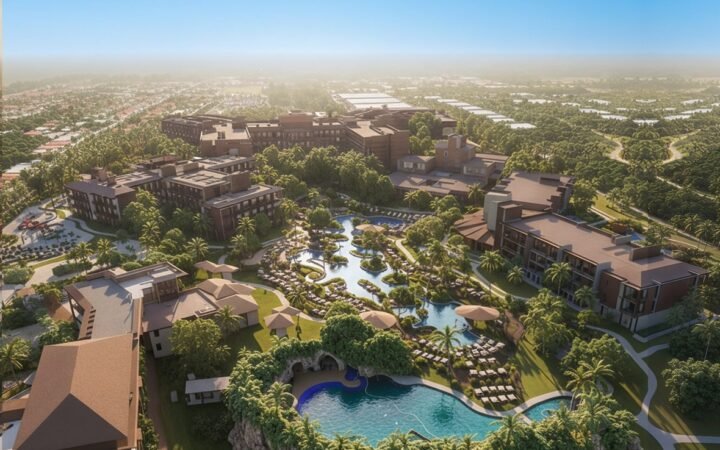
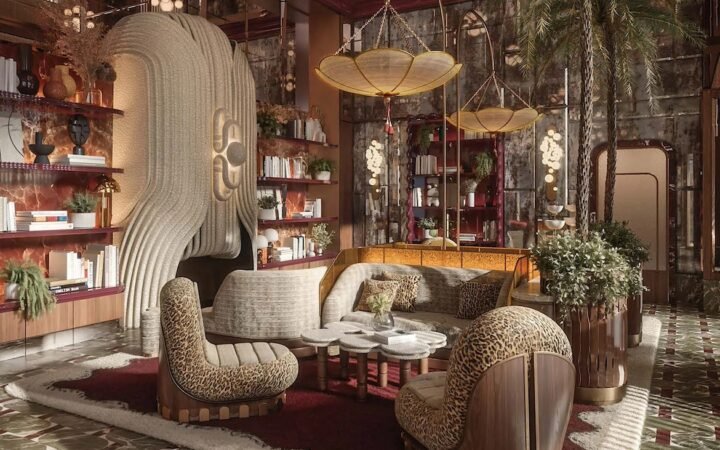
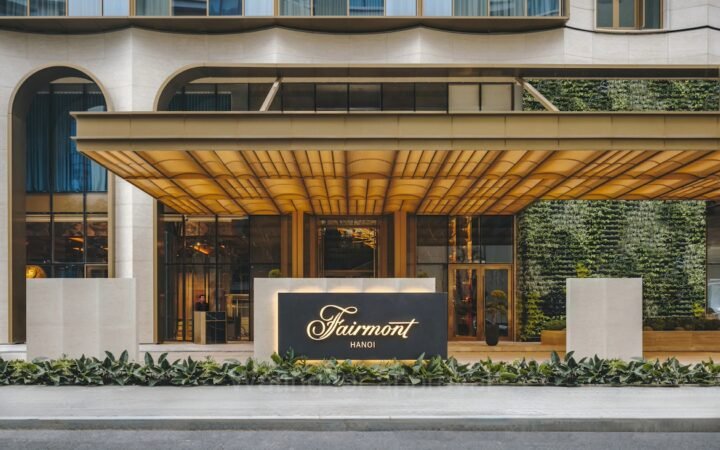
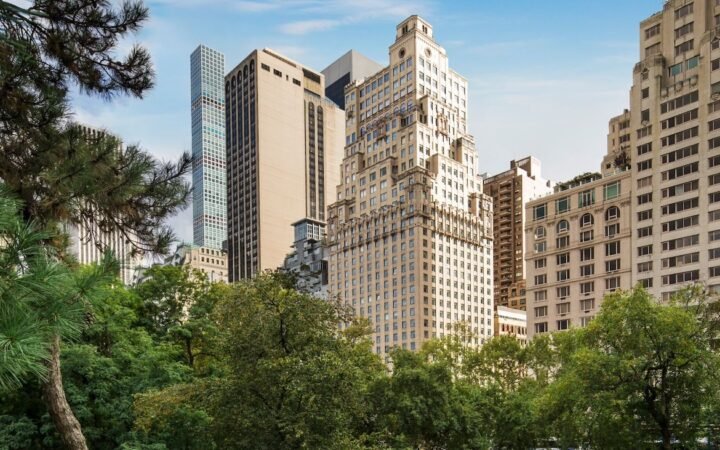
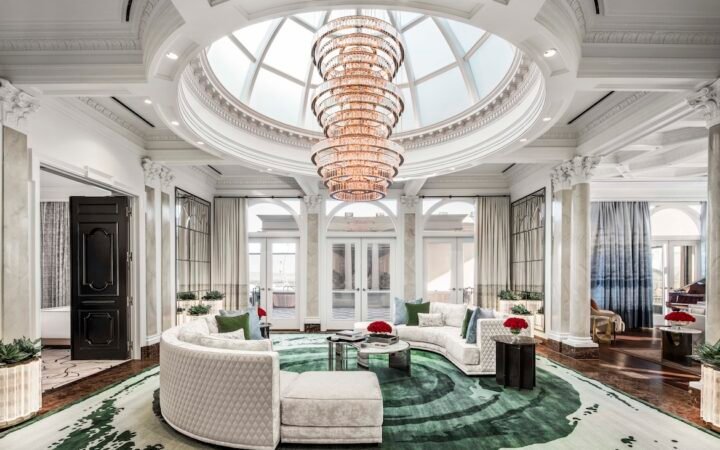
IHG Hotels and Resorts is introducing its Vignette Collection brand to India, signaling growing confidence in the country’s luxury travel market and evolving guest expectations.
By Yuliya Karotkaya
Published:
Updated:
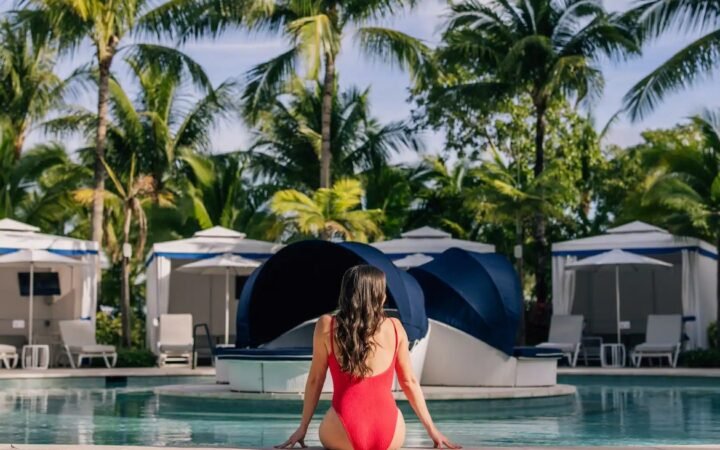
IHG is expanding its luxury footprint in India with the debut of its Vignette Collection brand in Panchkula. Photo: IHG Hotels and Resorts
IHG Hotels and Resorts is set to introduce its Vignette Collection brand to India, marking a notable shift in how international hotel groups view the country’s luxury travel potential.
Scheduled to open in early 2026, the 145-room property in Panchkula will become the first Vignette Collection hotel in the Indian market. The move reflects growing confidence in demand for high-end, experience-driven stays beyond India’s largest gateway cities.
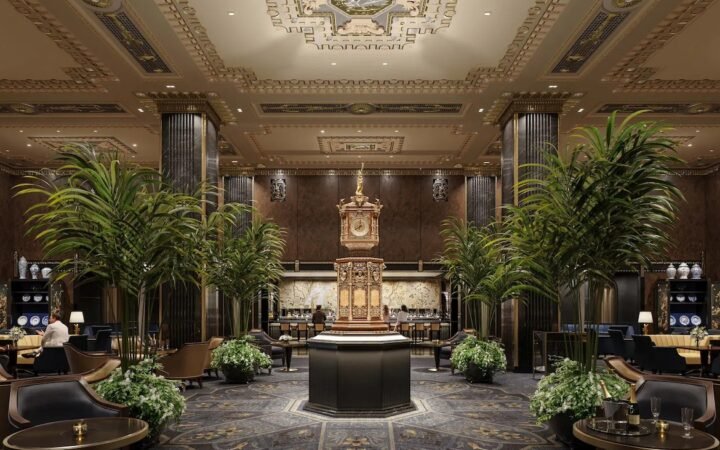
Vignette Collection is positioned as a portfolio of one-of-a-kind hotels, designed to retain a strong sense of individuality while benefiting from IHG’s global systems and loyalty platform. Rather than focusing on standardization, the brand emphasizes locally rooted design, distinctive rituals, and purposeful luxury.
This approach allows converted or independently styled hotels to maintain character while operating under a recognized luxury umbrella.
A Strategic Entry Point in North India
The debut property will be located in Panchkula, part of the fast-growing Chandigarh Metropolitan Region. The area has emerged as a regional economic hub, supported by IT parks, manufacturing clusters, pharmaceutical companies, and major public sector institutions. Its year-round business activity, combined with strong demand for social events and destination weddings, makes it a strategic location for a luxury lifestyle hotel.
The hotel will feature 145 rooms, including 11 suites, and will offer four dining venues spanning casual and signature concepts. Planned amenities include a spa, swimming pool, fitness center, curated retail spaces, and extensive meeting and event facilities. With more than 2,200 square meters dedicated to events, the property is expected to appeal to both corporate travelers and leisure guests seeking upscale venues for celebrations and retreats.
Executives at IHG have described the brand’s arrival as a response to changing traveler expectations in India. As domestic travel continues to grow and infrastructure improves, travelers are increasingly seeking experiences that feel personal, design-forward, and connected to place. Vignette Collection is intended to meet that demand without replicating the formulaic feel of traditional luxury hotels.
What Vignette Signals for India’s Hotel Market
The launch of Vignette Collection also reflects a broader evolution in India’s hospitality landscape. For years, growth was driven primarily by midscale and upper-midscale hotels serving domestic business travel. Today, stronger financing options, improved connectivity, and rising disposable incomes are creating space for luxury and lifestyle brands to expand alongside mainstream offerings.
For hotel owners, collection-style brands offer a flexible pathway into the luxury segment. Conversions allow existing properties to elevate their positioning without the cost and complexity of a full luxury build. For global operators like IHG, this model supports faster expansion while diversifying the guest experience.
India remains a key growth engine for IHG, which currently operates more than 50 hotels across multiple brands in the country and has a robust pipeline under development. The addition of Vignette Collection strengthens the group’s luxury and lifestyle portfolio, complementing established brands across premium and mainstream segments.
As more global brands look beyond traditional metros, the arrival of Vignette Collection suggests that secondary markets like Panchkula are becoming part of India’s luxury travel conversation. The move underscores a shift from volume-driven growth toward more nuanced, experience-led hospitality across the country.
As OpenAI begins testing ads inside ChatGPT, travel brands may gain access to a powerful new channel where trip planning, discovery, and commercial intent converge in real time.
By Yuliya Karotkaya
Published:
Updated:
ChatGPT ads could introduce a new way for travelers to discover hotels, destinations, and travel services. Photo: OpenAI
OpenAI is preparing to test advertising inside ChatGPT, a move that could have meaningful implications for the travel industry. While the company frames ads as a way to expand access to its AI tools, the decision also positions ChatGPT as a new kind of discovery platform, one that sits directly inside the travel planning process rather than alongside it.
Ads will initially appear for logged-in adult users in the United States on ChatGPT’s free and low-cost Go tiers, with premium subscriptions remaining ad-free. Sponsored placements will be shown at the bottom of responses when relevant to the conversation and clearly separated from the AI’s main answers. OpenAI has emphasized that ads will not influence how responses are generated and that user conversations will remain private.
For travel brands, this matters because ChatGPT is increasingly used to plan trips from the earliest stages. Travelers ask the platform where to stay, which neighborhoods to choose, how to structure itineraries, and what experiences are worth prioritizing. Ads appearing in that context would reach users at moments of high intent, when decisions are still forming rather than after they have already narrowed their options.
Travel Discovery Moves Inside the Conversation
Unlike traditional search or social media ads, ChatGPT placements would live inside an active conversation. A traveler planning a weekend in London or a road trip through New Mexico might see a sponsored hotel, tour, or lodging option presented alongside practical advice. The format suggests less interruption and more contextual relevance, especially if users can ask follow-up questions directly within the sponsored placement.
This shift could alter how travel discovery works. Instead of bouncing between search engines, booking sites, and review platforms, travelers may increasingly stay within a single interface while moving from inspiration to evaluation. For hotels, destinations, and booking platforms, ChatGPT could become a high-stakes distribution channel that rewards clear positioning and strong relevance rather than sheer ad spend.
OpenAI has set guardrails that may reassure both users and advertisers. Ads will not appear near sensitive topics, will be limited to adults, and will never use personal conversation data for targeting. Users will also be able to dismiss ads or opt out entirely through paid plans. These controls suggest a cautious rollout designed to protect trust, which remains central to ChatGPT’s appeal.
For the travel industry, the broader implication is that intent is becoming embedded in interfaces rather than platforms. When planning, comparison, and recommendations happen in one place, visibility at the right moment becomes critical. If ChatGPT succeeds in blending utility with advertising without eroding trust, it may quietly become one of the most influential gateways in digital travel discovery.
One of New York City’s most in-demand restaurants is expanding west, with The Corner Store set to open its first Las Vegas location at The Cosmopolitan.
By Yuliya Karotkaya
Published:
Updated:
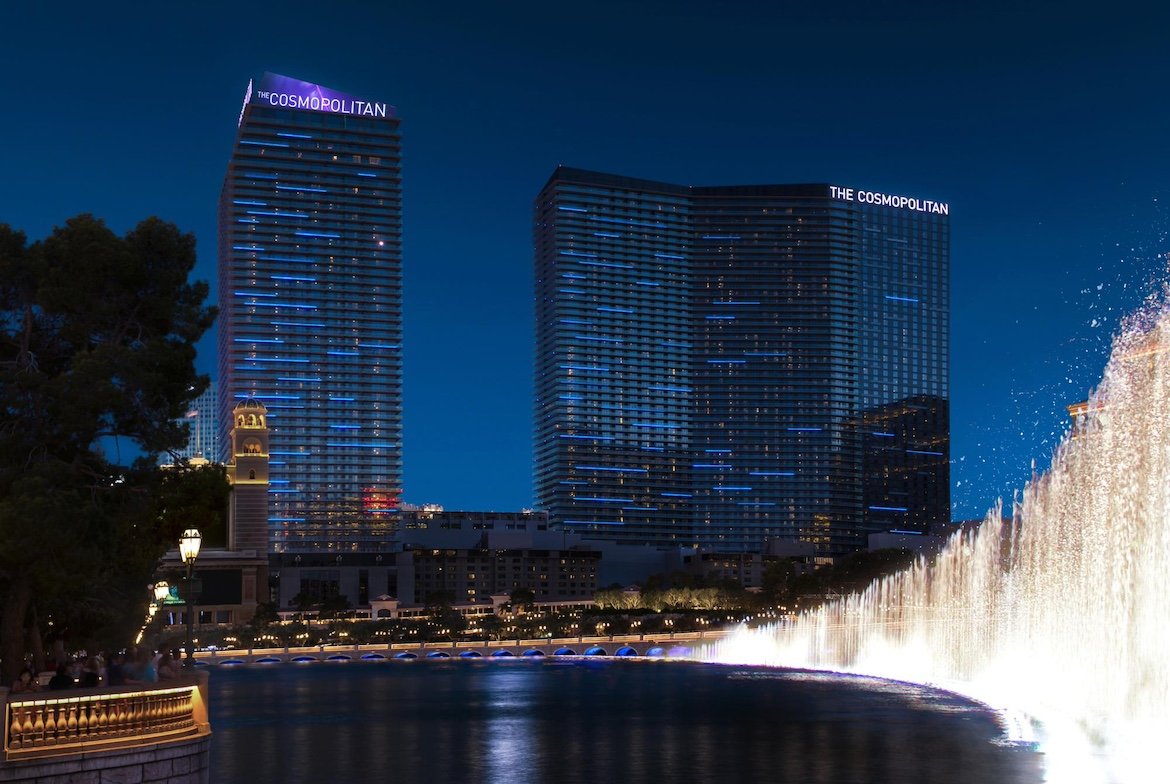
The Corner Store is bringing its high-energy New York dining style to The Cosmopolitan of Las Vegas. Photo: The Cosmopolitan of Las Vegas
One of New York City’s most talked-about dining destinations is preparing for its first expansion beyond Manhattan. The Corner Store, a SoHo restaurant known for its hard-to-get reservations and celebrity following, is set to open a new location at The Cosmopolitan of Las Vegas.
The move places the buzzy concept directly on the Las Vegas Strip, where demand for high-profile dining experiences continues to grow.
Since opening in late 2024, The Corner Store has built a reputation for blending upscale comfort food with a lively, social atmosphere. The restaurant quickly became a favorite among celebrities and tastemakers, including Taylor Swift, helping elevate its status as one of New York’s most exclusive reservations.
Its appeal lies in a mix of playful creativity and polished execution, offering familiar dishes with unexpected twists that photograph as well as they taste.
The Las Vegas location will open inside The Cosmopolitan of Las Vegas, marking the restaurant’s first outpost outside New York. The resort, known for its fashion-forward image and food-driven identity, sees the addition as a natural fit.
Executives from MGM Resorts have described the concept as aligning closely with what Cosmopolitan guests seek – energetic dining paired with a strong sense of place and personality.
A Playful Take on Classic American Dining
At its core, The Corner Store is a modern reinterpretation of a classic American joint. The menu leans into nostalgia while adding luxurious upgrades and whimsical touches. Signature items include Lobster and Caviar Rolls, Wagyu French Dip sandwiches, and indulgent desserts like the Samoa Sundae. The beverage program plays an equally important role, with creative martinis that have become social media standouts and a defining part of the brand’s identity.
The Las Vegas expansion is being developed by Catch Hospitality Group, the team behind several high-profile dining concepts across major cities. For the group, the move represents confidence in The Corner Store as a scalable brand without losing its sense of exclusivity. Rather than opening multiple locations at once, the focus appears to be on carefully chosen destinations that can sustain the same energy and demand as the original.
The new restaurant will replace an existing dining space at the resort, signaling a shift toward more trend-driven concepts on the Strip. Las Vegas has increasingly positioned itself as a destination for restaurants that first earn credibility in cities like New York before expanding west. The Corner Store follows that pattern, offering visitors a taste of Manhattan nightlife culture without boarding a plane.
As Las Vegas continues to compete on culinary reputation as much as entertainment, the arrival of The Corner Store adds another name to a growing list of restaurants redefining Strip dining. For fans of the original, it offers a new chance to experience a coveted reservation. For the city, it reinforces Las Vegas’s role as a stage for the country’s most influential restaurant brands.
Norwegian Cruise Line has revealed details of Norwegian Aura, a next-generation ship debuting in 2027 with expanded outdoor spaces, family-focused attractions, and Caribbean itineraries from Miami.
By Yuliya Karotkaya
Published:
Updated:
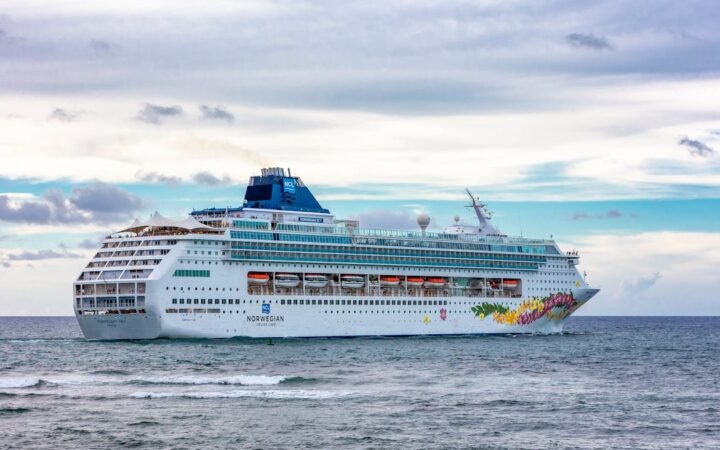
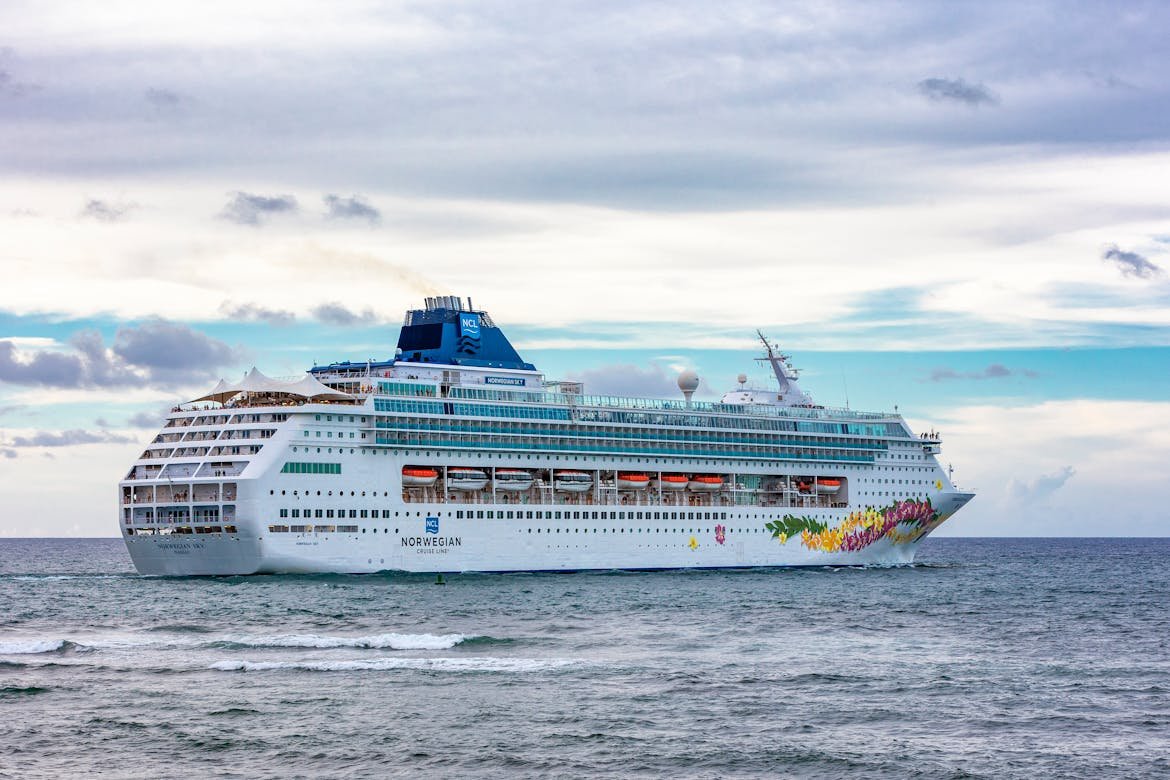
Norwegian Aura is set to become the largest ship in Norwegian Cruise Line’s fleet when it launches in 2027. Photo: Norwegian Cruise Line
Norwegian Cruise Line has announced new details about Norwegian Aura, a Prima Plus-class ship scheduled to debut in May 2027.
Designed as the largest vessel in the company’s fleet, the ship reflects a continued focus on open-air spaces, active entertainment, and multigenerational cruising. With room for 3,840 guests at double occupancy, Norwegian Aura is positioned as an evolution of the Prima-class concept rather than a complete redesign.
Measuring nearly 1,130 feet in length and around 169,000 gross tons, Norwegian Aura will be approximately 10 percent larger than Norwegian Aqua and Norwegian Luna. After an initial European debut, the ship will homeport in Miami starting in June 2027.
From there, it will operate seven-day Eastern and Western Caribbean itineraries, offering a consistent, easy-to-plan cruise option for travelers looking for a modern Caribbean experience.
Ocean Heights and Outdoor Experiences
One of the defining features of Norwegian Aura is Ocean Heights, a new multi-deck activity zone spanning decks 18 through 21. This open-air complex is designed to anchor the ship’s daytime energy while shifting into a relaxed social space in the evening. It will feature five waterslides, the most ever installed on a Norwegian Cruise Line ship, including dueling mat racers, a free-fall body slide, and a family raft slide.
Beyond the slides, Ocean Heights will include an expansive ropes course, a rock climbing wall, mini-golf, carnival-style games, and overhanging private cabanas with views toward the adults-only Vibe Beach Club. These additions highlight Norwegian’s strategy of layering multiple activities into one area rather than spreading attractions across the ship. The goal is to create a central hub where families and groups naturally spend more time together.
Redesigned Spaces for Families and Adults
Norwegian Aura also expands several signature areas found on previous Prima-class ships. The main pool deck will be about 20 percent larger, offering more seating and an added infinity hot tub. Vibe Beach Club will grow by roughly 15 percent, with additional loungers, infinity-style hot tubs, and a new waterfall feature designed to enhance the adults-only atmosphere.
Families will see notable upgrades across the outdoor promenade, Ocean Boulevard, which will be longer and include new hot tubs and a redesigned Infinity Beach area. Dedicated youth zones will be integrated into this space, including Little Explorer’s Cove for younger children, Adventure Alley for elementary-age guests, and a dedicated Teen Hangout. Additional family-friendly areas include a refreshed Kids’ Aqua Park and Horizon Park, which introduces lawn games at sea.
With larger public spaces, more suites in The Haven, and a clear emphasis on outdoor living, Norwegian Aura signals where the brand sees future demand. The ship is designed to balance scale with flexibility, offering guests a choice between high-energy activities and quieter, resort-style spaces throughout the cruise.
Hilton is entering the growing short-term and extended-stay apartment market with the launch of Apartment Collection by Hilton, blending residential-style living with hotel-level service.
By Yuliya Karotkaya
Published:
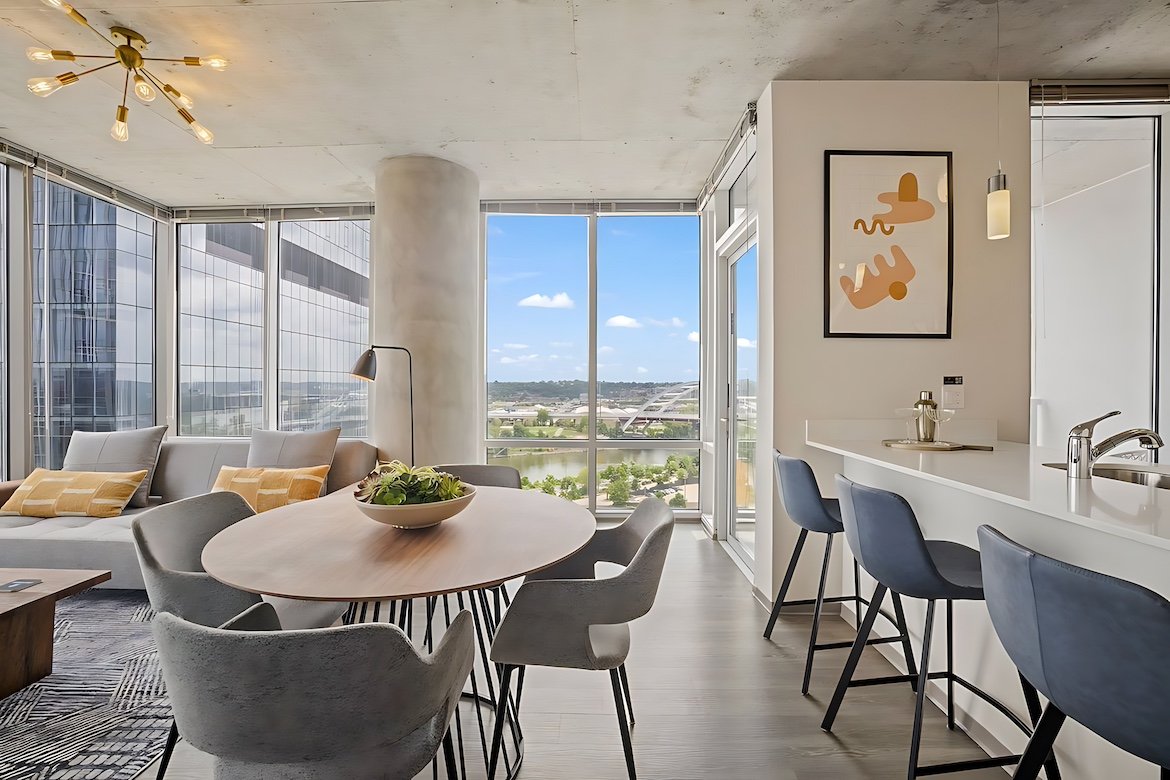
Hilton’s Apartment Collection marks the brand’s move into apartment-style stays, combining residential comfort with hotel service and loyalty benefits. Photo: Hilton
Hilton is kicking off the year with the introduction of Apartment Collection by Hilton, a new lodging category designed to meet rising demand for flexible, apartment-style accommodations.
The move signals Hilton’s most direct push yet into the short-term rental and extended-stay space, as travelers increasingly look for more room, privacy, and home-like amenities without sacrificing professional hospitality standards.
Launching initially in the United States, the new collection will be bookable through Hilton’s direct channels as early as the first half of 2026.
The brand is being introduced through a strategic partnership with Placemakr, an apartment hospitality operator known for blending residential living with hotel-style services in urban and suburban markets.
Early locations will include major U.S. cities such as New York City, Washington, D.C., and Atlanta, with additional markets expected to follow. Units will range from studios to four-bedroom furnished apartments, catering to solo travelers, families, business travelers, and longer-stay guests alike.
Each Apartment Collection by Hilton property is designed to feel residential while maintaining consistency across the portfolio. Guests can expect chef-ready kitchens, separate living and sleeping areas, and on-site laundry facilities, allowing for greater independence during longer stays.
At the same time, Hilton is emphasizing reliability and service, with dedicated team members available on-site 24/7 to support guests throughout their stay.
Blending Apartment Living With Hilton’s Global Ecosystem
The Apartment Collection builds on Hilton’s existing footprint of approximately 10,000 apartment-style units worldwide, with the Placemakr partnership expected to add up to 3,000 additional apartments over time. Hilton has also signaled plans to further expand the concept through future franchise agreements with owners in the multifamily housing sector, positioning the collection as a scalable platform rather than a limited experiment.
Beyond the apartments themselves, many properties will offer shared amenities that mirror upscale residential communities, including fitness centers, communal gathering spaces, and dedicated work areas. Select locations may also feature rooftop pools, terraces, on-site dining, or retail, depending on the market and building configuration. This approach allows Hilton to deliver a more localized, neighborhood-driven experience while maintaining brand standards.
Importantly, Apartment Collection by Hilton will fully participate in the Hilton Honors loyalty program. Hilton’s more than 235 million loyalty members will be able to earn and redeem points on stays, integrating apartment-style accommodations into the company’s broader travel ecosystem. This move differentiates Hilton from many traditional short-term rental platforms by tying flexible lodging directly into a global loyalty network.
Hilton leadership has positioned the launch as a natural evolution of the company’s portfolio rather than a departure from its core identity. With demand growing for longer stays, hybrid travel, and accommodations that support work and daily life, the Apartment Collection reflects Hilton’s strategy to offer “a Hilton for every stay.”
As the line between hotels and residential living continues to blur, Hilton is betting that consistency, service, and loyalty will give it an edge in the increasingly competitive apartment hospitality space.
Italy leads global travel demand in 2025, with Rome among the most booked cities, while Japan, Egypt, and island destinations highlight shifting patterns in luxury, value, and long-stay travel.
By Yuliya Karotkaya
Published:
Updated:
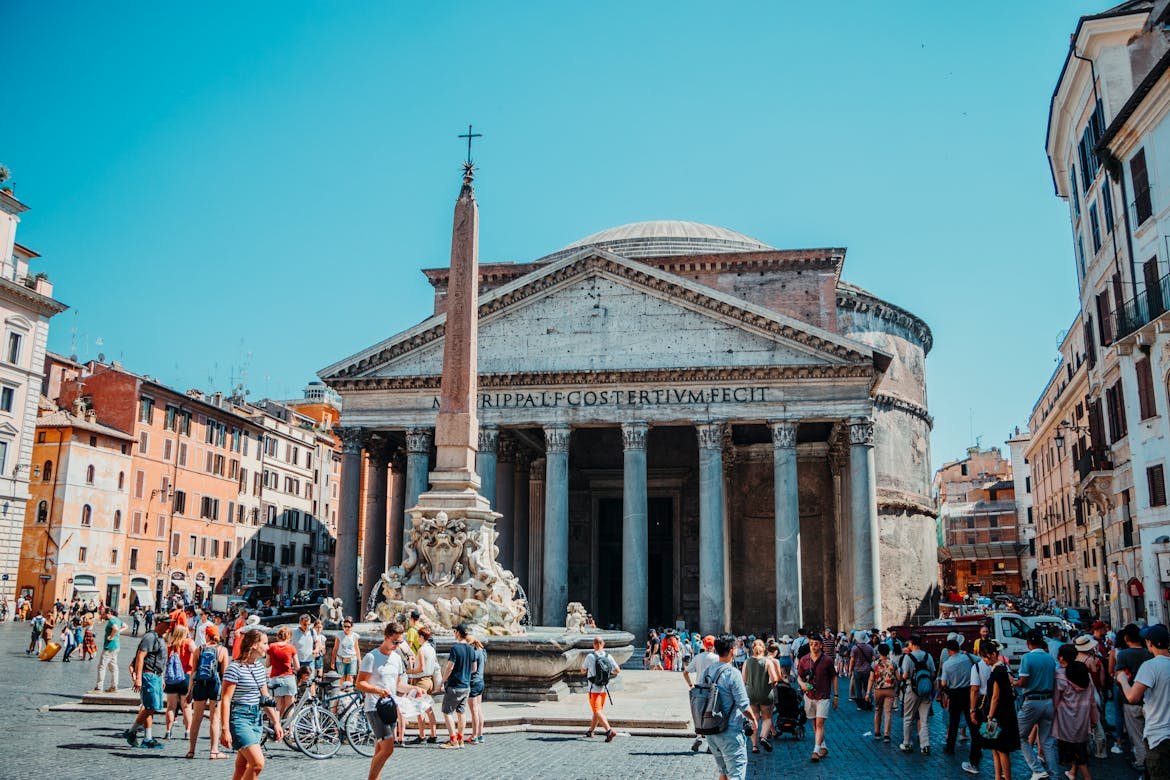
Rome’s Pantheon reflects Italy’s continued dominance in global travel trends, as classic European cities remain top choices for travelers planning trips into 2026. Photo: Griffin Wooldridge / Pexels
RateHawk’s 2025 booking data offers a clear snapshot of how global travel demand evolved over the past year – and where pressure points are likely to emerge in 2026. Based on bookings made by travel professionals rather than consumer searches, the trends highlight not just where travelers wanted to go, but where trips were complex enough to require expert planning.
The result is a practical map of destinations seeing sustained popularity, rapid acceleration, luxury skew, and longer-than-average stays, all of which shape availability, pricing, and trip design going forward.
Italy emerged as the most booked destination overall, reinforcing its position as a perennial favorite rather than a fleeting trend. Japan, meanwhile, recorded the fastest year-over-year growth, signaling how quickly momentum can build when a destination remains culturally prominent for multiple seasons.
Beyond headline destinations, RateHawk’s data also surfaced Bolivia as a budget standout, Egypt as a luxury leader, and island destinations such as Aruba and the Maldives as magnets for extended stays.
Where Demand Accelerated and Concentrated
Italy’s dominance in 2025 bookings was driven by classic city demand, with Rome, Milan, Florence, and Venice accounting for the bulk of stays. These cities continue to anchor short breaks, pre- and post-cruise stays, and first-time European itineraries.
The data also revealed how high-end demand layered on top of volume, including one of the platform’s most expensive bookings of the year: a $311,000, two-week luxury stay in Sardinia. This combination of mass appeal and premium demand suggests Italy will remain highly competitive during peak travel windows.
Japan’s rise was even more striking. Hotel bookings through RateHawk surged 94% year over year, reflecting record inbound tourism that surpassed 30 million arrivals by October. While Tokyo, Osaka, and Kyoto remained the main drivers, travelers increasingly ventured into regions such as Hokkaido and Okinawa.
Rapid growth creates a different kind of pressure than steady popularity, with availability tightening first around centrally located hotels, rail segments, and reservation-based experiences rather than flights alone.
Budget, Luxury, and Long-Stay Signals
Outside the most talked-about destinations, RateHawk’s trends highlight how travelers balanced cost, comfort, and trip length. Bolivia stood out as the most budget-friendly destination, with average nightly rates of $79 and strong interest in La Paz, Santa Cruz, and the Uyuni salt flats.
Egypt, by contrast, skewed heavily toward luxury, with five-star hotels accounting for 60% of all stays. Red Sea resorts, Nile cruises, and Cairo continued to attract travelers willing to book premium accommodations early.
Length of stay was another defining factor. While the global average trip lasted three nights, destinations such as Aruba and the Maldives saw travelers staying around six nights. Longer stays increase exposure to disruptions – from missed connections to delayed transfers – making planning buffers and flexible terms more critical than on short city breaks.
Taken together, RateHawk’s 2025 travel trends show that popularity is no longer just about crowds. Concentrated demand reshapes cancellation policies, pricing spreads, and recovery options when plans change.
For travelers and advisors looking ahead to 2026, the lesson is less about chasing trends – and more about recognizing where flexibility, timing, and early planning will matter most.
These findings align closely with broader destination rankings shaping traveler behavior heading into next year. Tripadvisor’s recently released list of the world’s top travel destinations for 2026 underscores how quickly attention can concentrate around a relatively small group of headline cities and leisure hotspots.
When viewed alongside RateHawk’s booking data, the overlap reinforces a key takeaway for 2026 planning: destinations that dominate rankings tend to experience faster tightening of availability, earlier price escalation, and less room for last-minute flexibility.
For travelers and advisors alike, understanding how these lists interact is becoming just as important as choosing the destination itself.
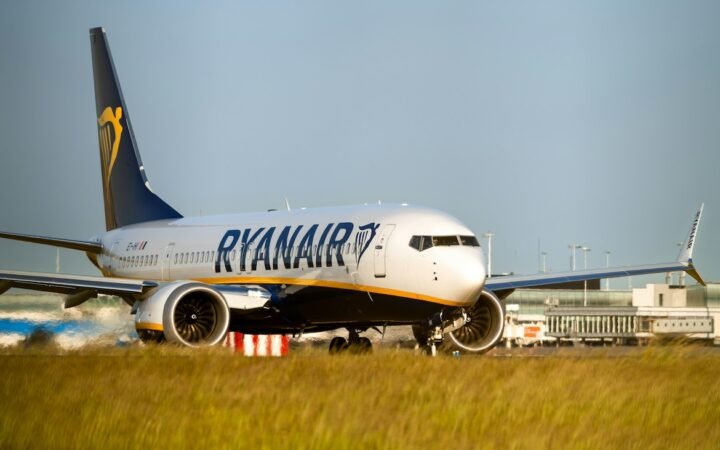
Low-cost carrier Wizz Air has reached a major passenger milestone while signaling a shift toward higher-yield travelers with the launch of its new Wizz Class product.
By Yuliya Karotkaya
Published:
Updated:
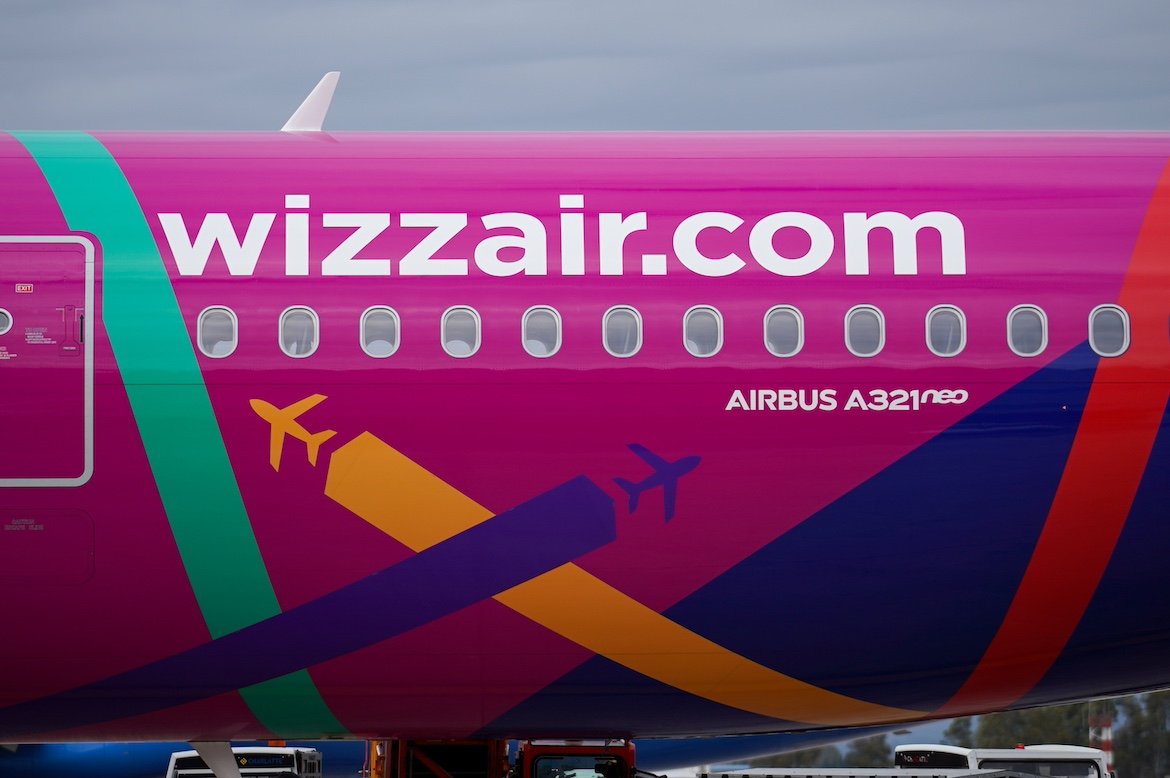
Wizz Air celebrates a major growth milestone while expanding its onboard offering for business travelers. Photo: Wizz Air
Wizz Air has reached a significant milestone, carrying more than 500 million passengers since launching operations just over two decades ago. Founded in 2004, the airline has grown from a small Central European operator into one of the continent’s largest low-cost carriers.
Its expansion has been driven by aggressive route development, a young fleet, and a strong presence in emerging and secondary European markets.
The carrier’s rise has been particularly rapid in the past decade, fueled by demand for affordable point-to-point travel. Wizz Air now operates hundreds of routes across Europe, the Middle East, and parts of Asia, with a fleet centered on Airbus A320 and A321 aircraft.
This scale has allowed the airline to maintain low fares while steadily increasing capacity, even during periods of industry disruption.
From Ultra-Low-Cost Roots to New Ambitions
While Wizz Air remains firmly rooted in the low-cost model, recent moves suggest a broader strategic vision. The airline has introduced a new product called Wizz Class, aimed at attracting business travelers and passengers willing to pay more for comfort and flexibility. This marks a notable shift for a carrier traditionally associated with no-frills flying.
Wizz Class does not represent a traditional long-haul business class, but rather a premium short-haul experience. Passengers receive enhanced seating, additional personal space, priority services, and greater flexibility with ticket changes. The offering is designed to appeal to corporate travelers who still prioritize efficiency and value but expect a higher level of comfort than standard economy seating.
Balancing Scale, Comfort, and Cost
The launch of Wizz Class reflects broader changes in the European aviation market, where distinctions between low-cost and full-service airlines continue to blur. Business travel demand has gradually recovered, and many companies are seeking cost-conscious alternatives to legacy carriers. Wizz Air appears positioned to capture this segment by offering a simplified premium product without the overhead of traditional business class cabins.
At the same time, the airline continues to focus on fleet efficiency and cost control. Its emphasis on high-density aircraft layouts, fast turnaround times, and ancillary revenue remains central to its business model. The challenge will be integrating premium offerings without undermining the operational simplicity that has fueled its growth.
Reaching 500 million passengers underscores the scale Wizz Air has achieved in a relatively short time. Few European airlines have expanded so quickly while maintaining profitability across multiple markets. As the carrier looks ahead, its success may depend on how effectively it balances mass-market affordability with selective upgrades aimed at higher-yield travelers.
The introduction of Wizz Class suggests that Wizz Air sees opportunity beyond pure volume growth. By refining its product mix while continuing to expand its network, the airline is signaling that the next phase of its evolution will focus not just on how many passengers it carries, but on who those passengers are and what they expect from the journey.
Soho House has secured last-minute funding to keep its $2.7 billion go-private transaction alive, overcoming a sudden financing gap just weeks before the expected closing.
By Yuliya Karotkaya
Published:
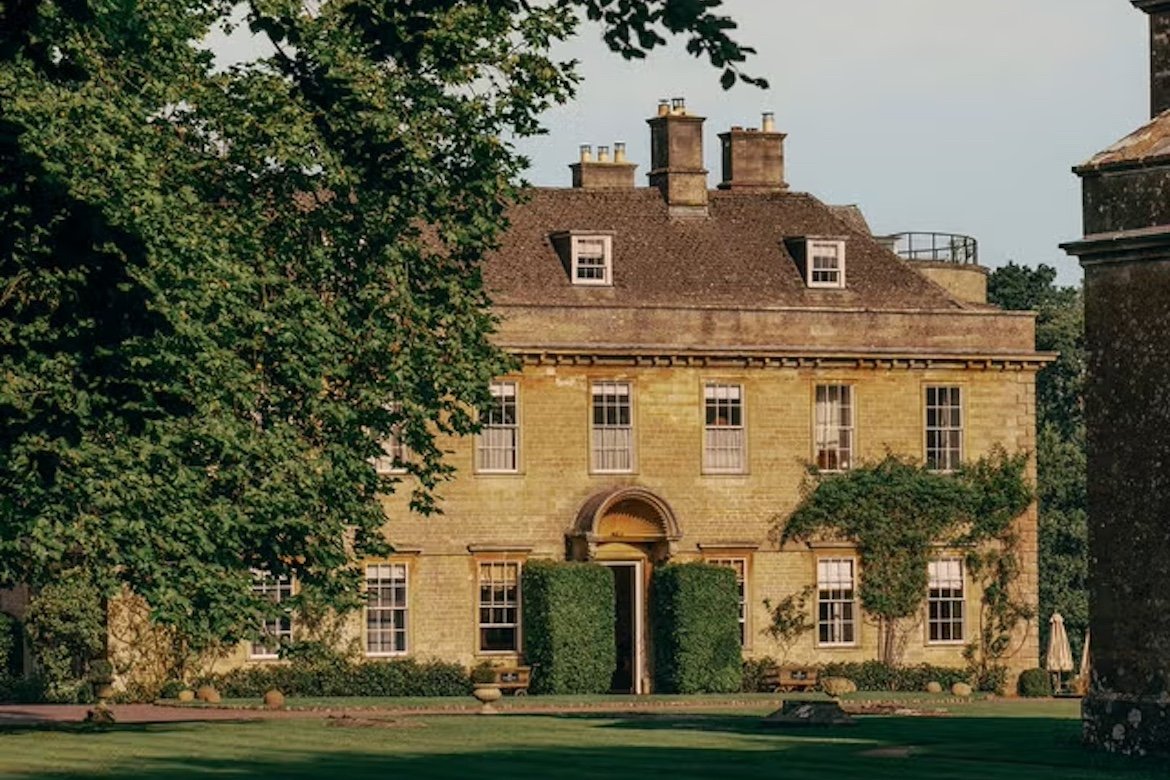
Babington House, one of Soho House’s flagship UK clubs, as the members-only brand secures new funding to save its go-private deal and return to private ownership. Photo: Soho House
Soho House has pulled back from the brink after securing $200 million in alternative financing, clearing the final hurdle to completing its long-planned move back to private ownership.
The deal, valued at approximately $2.7 billion and priced at $9 per share, had been thrown into uncertainty earlier this month when a key investor disclosed it would not be able to meet its original funding commitment by the expected closing date.
The revised financing package replaces the shortfall and is expected to allow the transaction to close by late January 2026. Under the new structure, a venture created by MCR Chairman and CEO Tyler Morse, known as Morse Ventures, has committed $50 million in equity.
MCR itself has added another $50 million, bringing their combined contribution to $100 million. Morse Ventures has arranged a third-party secured note facility to support its investment, strengthening confidence in the funding’s durability.
The new commitments resolve what had become the central risk to the transaction. Just days earlier, disclosures indicated that MCR would not be able to fully fund its previously agreed $200 million contribution, prompting concerns that the deal to take the members-only club private could collapse at the last moment. Instead, the reworked package reshapes the capital stack while preserving the overall valuation and timeline.
Debt Restructuring and Shareholder Rollovers Bridge the Gap
Beyond new equity, Soho House also renegotiated key elements of its debt and shareholder arrangements to reduce the amount of cash required at closing. The company amended its debt commitment with Apollo Capital Management and GS Principal Investors, increasing the size of its senior unsecured notes facility from $150 million to $220 million.
As part of that adjustment, Apollo reduced its equity commitment from $50 million to $30 million, shifting more weight toward debt financing while still supporting the transaction.
Additional relief came through amendments to rollover and support agreements with several major shareholders, including Broad Street Principal Investments, West Street Strategic Solutions funds, and Richard Caring. These parties agreed to roll over a larger portion of their Class A and Class B shares instead of cashing them out at the merger price. That decision reduced the cash required to close the deal by roughly $50 million, playing a critical role in stabilizing the transaction.
Once completed, the go-private deal will leave Soho House Founder Nick Jones, Ron Burkle, and Yucaipa retaining a majority stake of approximately 75% in the business. The ownership structure underscores continued confidence from long-term stakeholders, even as the company exits public markets after four challenging years.
Founded in London in 1995, Soho House has grown into a global network of roughly 50 clubs, along with hotels, restaurants, and lifestyle experiences aimed at creative professionals. While its expansion brought strong brand recognition, operating as a public company exposed the group to market pressures that often conflicted with its long-term, community-driven model.
By returning to private ownership, Soho House is positioning itself to reset strategy, reduce financial scrutiny, and refocus on member experience and disciplined growth. With financing now secured and the final obstacle removed, the deal marks a pivotal turning point for one of hospitality’s most influential lifestyle brands.
Four Seasons is set to open a landmark hotel in Cartagena, Colombia, transforming centuries-old historic buildings into a luxury hospitality destination in the heart of Getsemaní.
By Yuliya Karotkaya
Published:
Updated:
Four Seasons Hotel and Residences Cartagena marks the brand’s third property in Colombia, combining historic architecture with modern luxury in one of the country’s most iconic destinations. Photo: Four Seasons
Four Seasons is expanding its presence in Colombia with the opening of Four Seasons Hotel and Residences Cartagena, now accepting reservations for stays beginning May 15, 2026.
The new property marks the luxury brand’s third location in the country, joining its two existing hotels in Bogotá, and signals a continued focus on culturally rich, historic destinations.
Set in Cartagena’s vibrant Getsemaní neighborhood, the hotel sits just outside the city’s iconic walled center and directly across from the convention center, placing guests at the crossroads of history, art, and contemporary urban life.
The 131-room hotel occupies a remarkable collection of restored historic structures spanning several centuries. These include a 16th-century cloister and temple, former theaters, and the early 20th-century Club Cartagena, a beaux-arts landmark dating to the 1920s. The project blends preservation with modern luxury, offering 27 Spanish colonial-style accommodations alongside 104 contemporary rooms and suites.
Among the standout offerings are the three-bedroom Casa Ambrad suite, complete with a private rooftop plunge pool, and the Catroux Suite, a two-bedroom Presidential Suite named after French designer François Catroux, who played a key role in shaping the property’s interiors.
Design and restoration were led by a wide team of international and local specialists, reflecting Four Seasons’ commitment to authenticity and craftsmanship. Architecture and interiors were handled by firms including WATG, Wimberly Interiors, AvroKO, and SBM, with restoration overseen by Colombian experts.
Local artisans contributed custom furniture, textiles, and garden elements, ensuring the property reflects Cartagena’s layered cultural heritage while delivering the polished aesthetic expected of the brand.
Dining is positioned as a major pillar of the Cartagena opening. The hotel will feature eight restaurant and bar concepts, including Four Seasons’ first collaboration with Major Food Group, the hospitality company behind globally recognized dining brands. Guests can expect a diverse lineup ranging from a steakhouse and speakeasy to a pizzeria, café, and rooftop bar, designed to appeal both to hotel guests and the local dining scene.
Wellness and leisure amenities include two rooftop pool decks overlooking the city, an Umari Spa with six treatment rooms, salon services, and a 24-hour fitness center. The hotel also places strong emphasis on events and celebrations, offering two grand ballrooms and additional meeting spaces housed within restored historic venues. Full-property buyouts are available, positioning the hotel as a premium choice for destination weddings and large-scale cultural events.
With its blend of historic architecture, high-end design, and culinary ambition, Four Seasons Hotel and Residences Cartagena underscores the brand’s strategy of anchoring luxury hospitality in destinations with strong identity and global appeal.
G Adventures and National Geographic Expeditions have unveiled a new collection of high-end Signature itineraries that blend expert-led exploration, rare access, and immersive luxury across 28 global destinations.
By Yuliya Karotkaya
Published:
Updated:
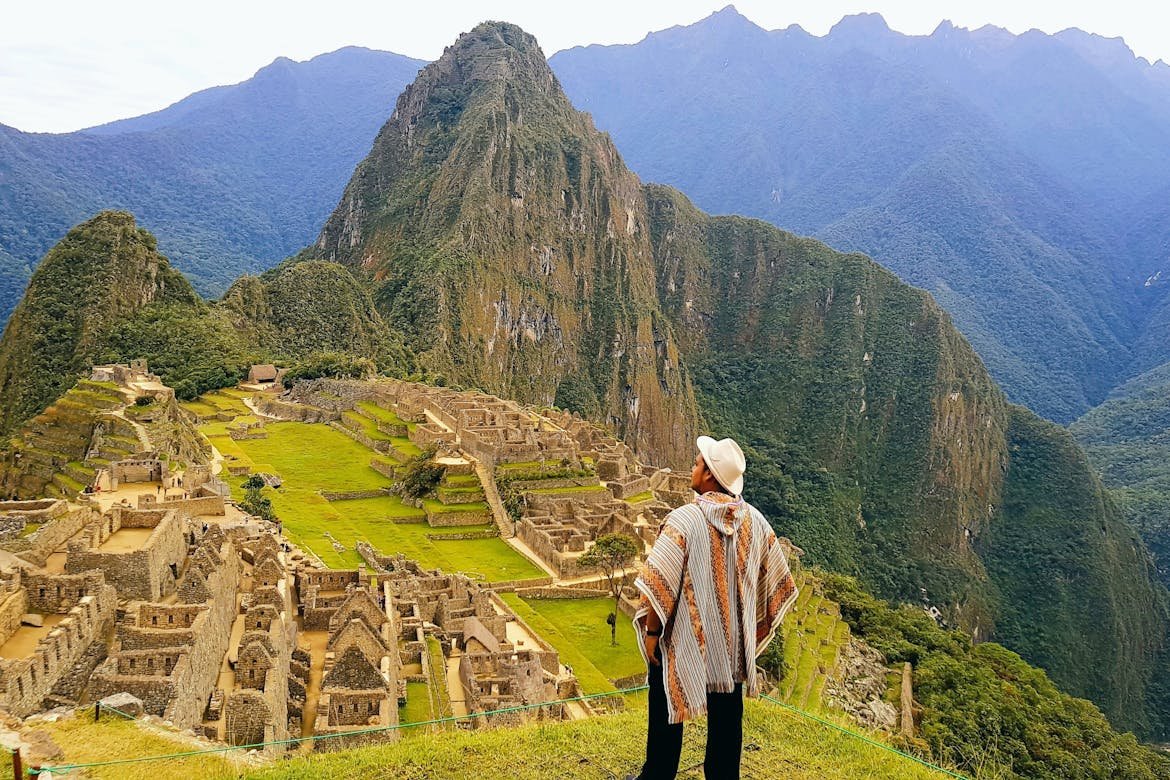
Machu Picchu sets the tone for a new era of high-end, expert-led travel as National Geographic Signature with G Adventures blends immersive exploration, cultural depth, and purpose-driven tourism. Photo: Rishi Ramoutar / Pexels
G Adventures and National Geographic Expeditions have officially launched National Geographic Signature with G Adventures, a new portfolio of premium travel experiences designed for culturally curious travelers seeking depth, purpose, and comfort.
Rolling out from January 2027, the collection features 32 itineraries across 28 destinations, ranging from seven-day journeys to immersive explorations lasting up to 19 days. Destinations span Southern Africa, Peru, Central Asia, Japan, Costa Rica, Morocco, Vietnam, and Palau, which marks a brand-new destination for G Adventures.
The new Signature line brings together National Geographic’s 135-year legacy of exploration, science, and storytelling with G Adventures’ long-standing commitment to community-based tourism. Rather than focusing solely on luxury amenities, the collection emphasizes meaningful access, expert education, and a deeper understanding of the places visited.
Each itinerary supports the nonprofit National Geographic Society, ensuring that every trip contributes directly to research, conservation, and education initiatives around the world.
Accommodations across the collection are intentionally elevated, featuring five-star or best-in-region properties that reflect local character, from boutique safari camps and historic riads to eco-lodges, vineyard retreats, and design-forward city hotels.
The result is a product positioned not as traditional luxury travel, but as immersive, knowledge-driven exploration with comfort woven seamlessly into the experience.
Signature Moments and Rare Access
At the heart of each itinerary are carefully curated Signature Moments designed to bring National Geographic’s spirit of discovery to life. These experiences go beyond standard sightseeing, offering travelers behind-the-scenes access and private encounters rarely available to the public.
In Cambodia, travelers visit restricted conservation centers dedicated to restoring looted antiquities. In Morocco, guests explore ancient medinas alongside expert storytellers and pioneering chefs, gaining insight into centuries-old culinary and cultural traditions.
Many itineraries also include early or after-hours access to landmark sites, allowing for a more intimate and educational experience. Examples include private visits to archaeological ruins at sunset, exclusive access to historic war rooms, and before-hours entry to canopy walkways and protected reserves. These moments are designed not just to impress, but to deepen understanding of history, culture, and conservation.
Travelers are accompanied by National Geographic Expedition Leaders and subject-matter experts such as photographers, historians, conservationists, archaeologists, and biologists. Many of these experts are local to the destination, offering first-hand perspectives and on-the-ground knowledge that transform each journey into a living classroom.
Flagship Journeys Across the Globe
Among the standout itineraries is Peru from Machu Picchu to the Amazon Jungle, a 12-day journey tracing historic expeditions while engaging with Indigenous weaving cooperatives and cutting-edge conservation projects in the Amazon. In The Five Stans & the Heart of the Silk Road, travelers follow ancient trade routes through Central Asia, experiencing nomadic traditions, curator-led museum visits, and after-hours access to historic mausoleums.
Southern Africa features prominently with a route from Cape Town to Victoria Falls that combines wine culture, Indigenous storytelling, private safaris with conservation experts, and stays in iconic safari lodges. Meanwhile, Palau emerges as one of the most distinctive offerings, with a marine-focused itinerary that includes snorkeling in protected ecosystems, kayaking through limestone islands, and hands-on conservation work such as giant clam planting.
Additional journeys explore China’s Great Wall and the Gobi Desert, Japan’s cultural landscapes, Costa Rica’s biodiversity, and Vietnam’s layered history. Together, the Signature collection signals a shift toward travel that prioritizes knowledge, access, and positive impact – positioning G Adventures and National Geographic at the forefront of a new era in experiential luxury tourism.
Marriott International and Al Qimmah Hospitality have signed five new hotel projects in Saudi Arabia, adding more than 2,700 rooms across Jeddah, Makkah, and Madinah as tourism demand accelerates.
By Yuliya Karotkaya
Published:
Marriott International and Al Qimmah Hospitality deepen their partnership with five new hotels in Saudi Arabia, supporting the Kingdom’s fast-growing tourism and pilgrimage travel market. Photo: Marriott International
Marriott International and Al Qimmah Hospitality have announced a major expansion of their collaboration in Saudi Arabia, signing agreements for five new hotel projects that will collectively add more than 2,700 rooms to the Kingdom’s hospitality market.
The developments will be spread across Jeddah, Makkah, and Madinah, three of the country’s most strategically important cities for tourism, business, and religious travel.
The move reflects growing confidence in Saudi Arabia’s long-term tourism outlook and aligns closely with national ambitions to scale accommodation capacity ahead of rising international and domestic demand.
The new hotels will operate under four Marriott brands: JW Marriott, Four Points by Sheraton, Element Hotels, and Four Points Flex by Sheraton. Notably, the agreement marks the debut of the Four Points Flex by Sheraton brand in Saudi Arabia, signaling Marriott’s intent to strengthen its presence in the midscale segment.
The announcement follows Marriott’s recent milestone of reaching 100 combined open and pipeline hotels in the Kingdom, where it has operated for more than four decades and currently manages 44 properties with over 11,000 rooms across 13 brands.
Expanding Capacity in Jeddah, Makkah, and Madinah
One of the flagship projects within the agreement is JW Marriott Jeddah, The Apartments, located along the Jeddah Corniche Road. The development is expected to feature 356 studios and one-, two-, and three-bedroom apartments, each designed with separate living spaces and fully equipped kitchens.
Targeting extended-stay travelers, the property will include multiple dining venues, a fitness center, swimming pool, children’s club, and executive meeting facilities. It will sit adjacent to the previously announced JW Marriott Hotel Jeddah, reinforcing the city’s role as a commercial and leisure gateway on the Red Sea.
In the holy cities, Marriott will significantly expand its footprint near major religious landmarks. Four Points by Sheraton Shesha, Makkah is planned to deliver 1,030 rooms close to Masjid Al Haram, while Four Points by Sheraton Madinah King Fahd Road will add approximately 800 rooms near Masjid Al Nabawi.
Both hotels are expected to offer the brand’s signature balance of comfort and functionality, along with casual dining concepts, meeting facilities, and fitness centers designed to support high-volume pilgrimage travel.
Midscale and Extended-Stay Growth Signals Market Maturity
The agreement also includes Element Madinah Sultana Road, a 136-room property focused on both short- and long-term stays. Featuring in-room kitchens and wellness-oriented amenities, the hotel is positioned to serve travelers seeking flexibility and residential-style comfort in Madinah.
Complementing this is Four Points Flex by Sheraton Madinah Hijrah Road, a 450-room hotel in the Al Amariyah district that will introduce Marriott’s streamlined midscale concept to the Saudi market for the first time.
Together, the five projects highlight a deliberate strategy to diversify accommodation offerings across price points and traveler needs. As Saudi Arabia continues to invest heavily in tourism infrastructure and destination development, the Marriott–Al Qimmah expansion underscores how global hotel groups are positioning themselves early to capture sustained growth across leisure, pilgrimage, and business travel segments.
From global icons to fast-rising hotspots, Tripadvisor’s latest rankings reveal where travelers are heading in 2026 across top, trending, food, honeymoon, and solo travel categories.
By Yuliya Karotkaya
Published:
Updated:
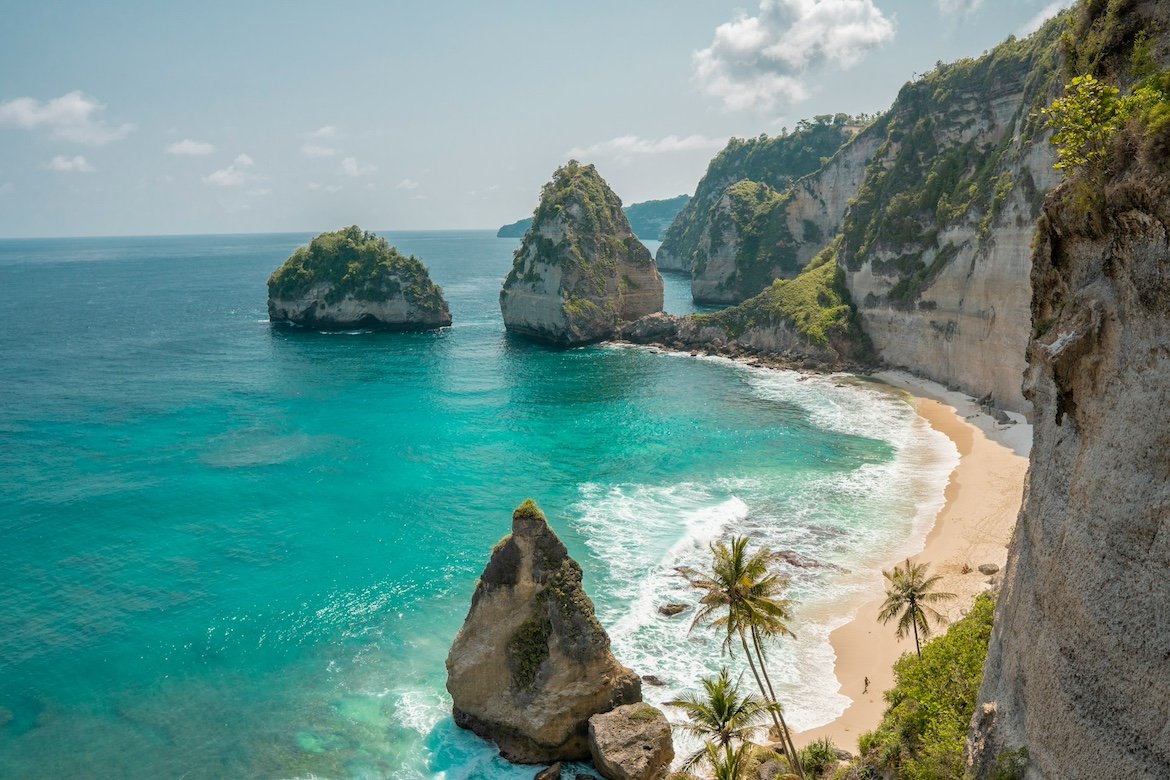
Bali stands out as one of Tripadvisor’s biggest winners for 2026, ranking across multiple categories including top destinations, honeymoons, and solo travel. Photo: Alfiano Sutianto / Unsplash
Tripadvisor has released its latest Travelers’ Choice rankings, offering a clear snapshot of how global travel tastes are evolving for 2026. Based on millions of reviews and booking patterns, the lists highlight both enduring favorites and destinations gaining rapid momentum.
This year’s selections show travelers balancing familiarity with discovery, pairing classic cities with emerging coastal and cultural hubs. Across all categories, flexibility, local experiences, and strong infrastructure continue to shape where people choose to go next.
Top Destinations – World
The Top Destinations list reflects places that consistently deliver across accommodation, attractions, dining, and overall experience. These destinations tend to combine strong global connectivity with a wide range of activities, making them reliable choices for both first-time visitors and repeat travelers.
The mix of major capitals, cultural centers, and leisure destinations shows that travelers are still drawn to places that offer variety and year-round appeal. These cities and regions continue to anchor long-haul and multi-stop itineraries worldwide.
Top 10:
1. Bali, Indonesia
2. London, U.K.
3. Dubai, U.A.E
4. Hanoi, Vietnam
5. Paris, France
6. Rome, Italy
7. Marrakech, Morrocco
8. Bangkok, Thailand
9. Crete, Greece
10. New York City, U.S.
Trending Destinations – World
Trending Destinations capture where interest is accelerating fastest, often driven by new air routes, increased visibility, or shifting traveler priorities. Many of these places are not new, but they are being rediscovered through a fresh lens, whether as alternative city breaks or relaxed coastal escapes.
This category highlights travelers’ appetite for destinations that feel authentic, affordable, or less saturated. It also reflects how social media and word-of-mouth continue to influence travel planning at speed.
Top 10:
1. Madeira, Portugal
2. Tbilisi, Georgia
3. Chicago, U.S.
4. Quy Nhon, Vietnam
5. Puerto Escondido, Mexico
6. Milan, Italy
7. Glasgow, U.K.
8. Abu Dhabi, U.A.E.
9. Recife, Brazil
10. San Carlos de Bariloche, Argentina
Food Destinations – World
Food-focused travel remains a major motivator, with travelers increasingly choosing destinations for their culinary reputation alone. The strongest food destinations combine everyday local dining with high-end restaurants, markets, and food traditions rooted in culture.
These places reward curious travelers who want to explore a destination through taste, whether via street food, regional specialties, or modern interpretations. Culinary credibility is now as influential as landmarks when shaping travel decisions.
Honeymoon destinations emphasize romance, privacy, and a sense of occasion, often blending luxury with natural beauty. Island escapes dominate, but cultural and wine-region destinations also feature strongly for couples seeking depth alongside relaxation.
These locations are defined by memorable settings, elevated hospitality, and experiences designed for slow, shared travel. The list reflects how honeymoons are becoming more personalized rather than one-size-fits-all.
Top 10:
1. Bali, Indonesia
2. Mauritius
3. Maldives
4. St. Lucia
5. Galle, Sri Lanka
6. Hue, Vietnam
7. Napa, U.S.
8. Positano, Italy
9. Watamu, Kenya
10. Antigua
Solo Travel Destinations – World
Solo travel continues to grow, driven by flexibility, remote work, and a desire for independent experiences. The best solo destinations tend to be walkable, socially open, and rich in culture, making it easy to connect with both locals and other travelers.
Safety, public transport, and a strong café or cultural scene play a key role in these rankings. This list reflects destinations that support confidence and freedom without sacrificing depth.
Top 10:
1. Dublin, Ireland
2. Berlin, Germany
3. London, U.K.
4. Santiago, Chile
5. Edinburgh, U.K.
6. New York City, U.S.
7. Hanoi, Vietnam
8. Madrid, Spain
9. Bali, Indonesia
10. Cape Town Central, South Africa
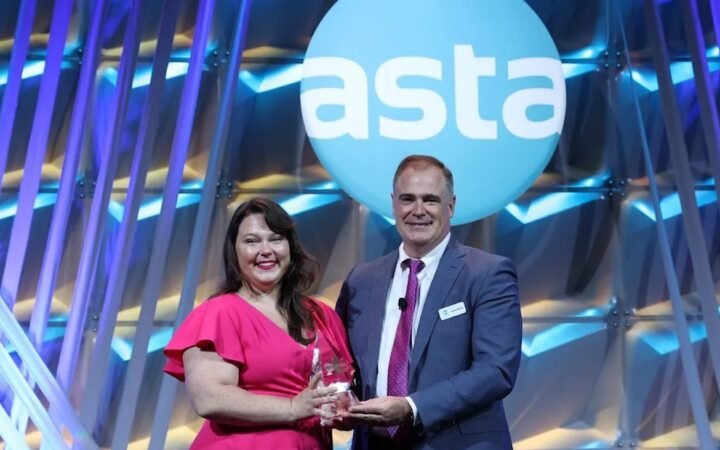
ASTA and major travel industry partners are calling for greater commission transparency after Norwegian Cruise Line eliminated non-commissionable fares, marking a potential turning point for advisor compensation.
By Yuliya Karotkaya
Published:
Norwegian Cruise Line’s decision to eliminate non-commissionable fares has become a catalyst for wider industry calls for commission transparency and fair compensation for travel advisors. Photo: Carlos Corporan / Pexels
The American Society of Travel Advisors (ASTA) has rallied the travel industry around a renewed call for commission transparency, following a landmark decision by Norwegian Cruise Line to permanently eliminate non-commissionable fares.
In a joint statement signed by dozens of major agency groups, networks, and travel companies, ASTA positioned the move as more than a single supplier change, framing it instead as an opportunity to reset how advisors are compensated across the travel ecosystem.
Non-commissionable fares, commonly known as NCFs, have long been a point of contention for travel advisors, particularly in the cruise sector. These fees reduced the portion of a booking on which advisors could earn commission, despite advisors often providing end-to-end service, consultation, and post-booking support.
ASTA’s statement argues that the practice undermined transparency and failed to reflect the true scope of advisor contributions to both travelers and suppliers.
A Turning Point for Advisor Compensation
With Norwegian Cruise Line’s policy change taking effect for sailings departing May 1, 2026 and beyond, the entire cruise fare, excluding taxes and fees, will now be commissionable. That places the brand alongside a small but growing group of cruise companies, including Explora Journeys, Viking, and Virgin Voyages, that have already eliminated NCFs from their fare structures.
ASTA President and CEO Zane Kerby described the move as meaningful leadership, saying that non-commissionable fares have been one of the most persistent and opaque challenges facing advisors.
By removing them entirely, the industry takes a step toward compensation models that are clearer, more equitable, and easier for advisors to explain to clients. According to ASTA, transparency in pricing and commissions is not only a business issue but a trust issue that affects the advisor-client relationship.
The joint statement emphasizes that when advisors are fully compensated, they can reinvest in service, technology, and professional development, ultimately improving the traveler experience. Fair compensation, the organization argues, benefits the entire distribution chain, not just individual agencies.
Industry Unity Sends a Broader Message
What sets this initiative apart is the breadth of support behind it. The statement was signed by ASTA’s Executive Committee and Consortium Council, along with senior leaders from many of the world’s most influential travel networks and agencies, including Virtuoso, Signature Travel Network, Travel Leaders Network, Cruise Planners, Avoya Travel, and Expedia Cruises.
ASTA leadership highlighted that this level of unity is rare in an industry often fragmented by competing commercial interests. By speaking with one voice, advisors and their partners are signaling that transparency and fair compensation are no longer niche concerns but foundational requirements for a healthy travel marketplace.
The organization is also urging travel advisors to actively support suppliers that demonstrate respect for the advisor role through transparent and equitable policies. By prioritizing partnerships with such companies, ASTA argues, advisors can reinforce positive behavior and help raise standards across the industry.
While the immediate focus is on cruising, the implications extend beyond a single sector. ASTA’s call invites airlines, tour operators, and other travel suppliers to reevaluate how their fare structures align with modern expectations of fairness, clarity, and collaboration. As distribution models evolve, the message from advisors is clear: sustainable growth depends on transparency, mutual respect, and compensation that reflects real value delivered.
IHG Hotels & Resorts is opening its first all-inclusive property in the U.S., marking a major milestone for the Voco brand and signaling a new chapter for domestic resort travel.
By Yuliya Karotkaya
Published:
Updated:
IHG’s Voco Sandpiper All-Inclusive Resort marks the brand’s first U.S. all-inclusive opening and a major expansion of the Voco lifestyle concept in Florida. Photo: IHG Hotels & Resorts
IHG Hotels & Resorts is entering new territory with the upcoming opening of Voco Sandpiper All-Inclusive Resort in Port St. Lucie, Florida, its first all-inclusive property in the United States.
Set on the former site of Club Med Sandpiper Bay, the 335-room resort has undergone a $50 million transformation and is scheduled to welcome guests beginning January 30. Located about 45 minutes north of Palm Beach, the resort is positioned as a warm-weather, family-friendly alternative to Caribbean all-inclusive destinations – without requiring a passport.
The newly redesigned rooms and suites are spacious and modern, each featuring either a private balcony or a walkout patio with views of the resort or the St. Lucie River. Dining is a central focus of the experience, with seven restaurant and bar concepts included in the all-inclusive offering.
Highlights include Riverside Market, an international buffet with global flavors ranging from Moroccan tagines to Italian classics, as well as Lucie’s, a beachfront American restaurant, and Solara, a seasonal coastal dining concept. The culinary program is led by executive chef Mark Jones, whose background includes work at Michelin-starred restaurants across Europe.
Bars and lounges are spread throughout the property, from a poolside hideaway to a sports bar and a sunset-focused riverside venue. Guests also have access to three pools, including an adults-only infinity pool overlooking the water, a family pool, and a kids’ splash area. While the resort sits on the river rather than the ocean, nearby Jensen Beach is only a short drive away.
Amenities, Programming, and a Bigger Play for the Voco Brand
Beyond dining and pools, the resort leans heavily into activity-driven programming. Complimentary kayak and paddleboard rentals, fitness classes, waterfront yoga, mixology sessions, dance lessons, and evening entertainment are all part of the experience.
Families are a core audience, with dedicated kids’ programming that includes crafts, games, and scavenger hunts. The property also features tennis and pickleball courts, an arcade, mini-golf, an on-site marina, and 18,000 square feet of meeting and event space, positioning it for both leisure and group travel.
The opening of Voco Sandpiper is significant not just as an all-inclusive debut, but as part of the broader momentum behind IHG’s Voco brand. Launched in 2018, Voco has now surpassed 100 hotels globally in just seven years, reflecting strong demand for flexible, lifestyle-oriented hospitality that blends consistency with local character.
We have previously covered this rapid expansion, as well as recent Voco openings in major urban markets including Berlin, Dublin, and Mexico.
With Sandpiper, IHG is extending that same brand philosophy into the resort space, testing how the Voco identity translates to longer stays, family travel, and all-inclusive pricing. As domestic travelers increasingly look for hassle-free vacations closer to home, the success of this Florida opening could shape how global hotel groups rethink the future of all-inclusive travel in the U.S.
The U.S. government has announced an indefinite pause on immigrant visa processing for citizens of 75 countries, signaling a major shift in immigration policy with broad implications for global travel, migration, and international relations.
By Yuliya Karotkaya
Published:
Updated:
The U.S. decision to suspend immigrant visa processing for 75 countries highlights a broader tightening of immigration policy with significant global travel and mobility implications. Photo: Aditya Vyas / Unsplash
The United States is set to freeze immigrant visa processing for citizens of 75 countries beginning January 21, a move that underscores the Trump administration’s renewed focus on restricting long-term immigration pathways.
The pause, described by the State Department as indefinite, will remain in place while officials reassess screening and vetting procedures tied to the so-called “public charge” provision of U.S. immigration law.
According to internal guidance circulated to U.S. consulates worldwide, officers have been instructed to refuse immigrant visas under existing law while a broader review is conducted. The affected countries span multiple regions, including Africa, the Middle East, Latin America, Eastern Europe, and parts of Asia. Among them are Somalia, Afghanistan, Russia, Iran, Egypt, Nigeria, Thailand, Brazil, and Haiti, alongside dozens of others.
The policy applies strictly to immigrant visas, meaning pathways to permanent residency, and does not extend to non-immigrant visas such as tourist, business, or student travel. However, immigration experts note that immigrant visa suspensions can still have indirect effects on travel behavior, family reunification, workforce mobility, and long-term international engagement with the United States.
At the core of the decision is the administration’s interpretation of the public charge rule, a long-standing element of U.S. immigration law that allows officials to deny entry to applicants deemed likely to rely on government assistance. While the provision has existed for decades, its enforcement has varied significantly between administrations. Under President Trump’s first term, the definition was expanded to include a wider range of public benefits, before being narrowed again under President Biden.
The renewed approach instructs consular officers to assess applicants across a broad set of criteria, including age, health, financial resources, English proficiency, employment prospects, and potential need for long-term medical care. Past use of government cash assistance or institutional care may also weigh against applicants. State Department officials have said that exceptions to the pause will be extremely limited and granted only after applicants clear public charge concerns.
The freeze follows heightened scrutiny of certain immigration pathways, including increased attention on fraud investigations linked to benefit programs. Somalia, for example, has faced additional attention after a high-profile fraud case in Minnesota involving misuse of public funds, though officials stress the visa pause applies broadly and is not limited to any single case.
From a global perspective, the decision reinforces a perception that entering the U.S. is becoming more complex and uncertain for large parts of the world. While tourists and students remain unaffected for now, immigration analysts warn that prolonged pauses and shifting criteria can create confusion, deter long-term planning, and strain diplomatic relationships.
As the reassessment continues with no clear timeline for resolution, the visa freeze stands as one of the most expansive immigration restrictions of Trump’s second term, reshaping the landscape of global mobility and signaling a tougher stance on who can build a future in the United States.
Join our list to receive latest Blockchain, Crypto & Fintech news:
WordPress database error: [Table 'u752143311_aXVuj.wp_coingecko_coins' doesn't exist]
SELECT coins.*, meta.post_id as post_id
FROM `wp_coingecko_coins` coins
INNER JOIN wp_postmeta meta ON (meta.meta_key = 'wpcf-coin-main-tag' AND meta.meta_value = coins.slug )
ORDER BY market_cap_usd
DESC LIMIT 9