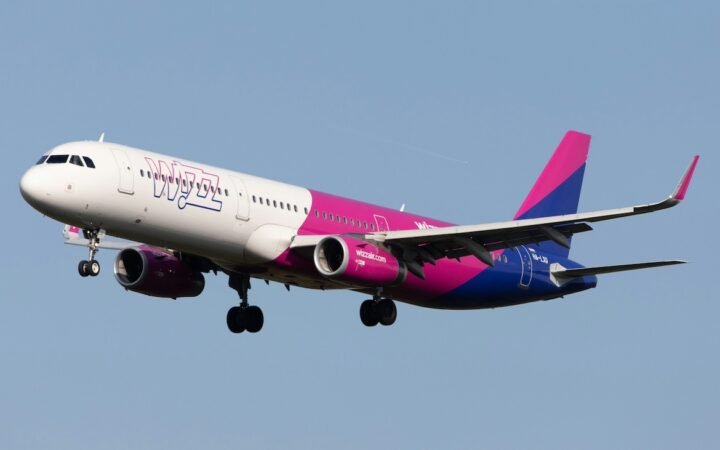
Wizz Air plans to roll out Starlink connectivity across its fleet from 2027, positioning itself as the first ultra-low-cost airline in Europe to bring the satellite internet service to millions of passengers. The airline said installations will begin next year and will be introduced gradually across its next-generation aircraft.
The move marks a notable shift for the low-cost airline sector, where high-speed onboard internet has often been treated as either unavailable, unreliable or reserved for higher-fare travel. Wizz Air is framing the Starlink rollout as part of its broader effort to make flying more accessible without requiring passengers to give up digital connectivity during the journey.
Passengers are expected to receive access to high-speed, reliable and low-latency internet at cruising altitude, including above 9,000 meters. Wizz Air said all of its next-generation aircraft are expected to be equipped with Starlink, creating a more consistent onboard experience across routes and destinations.
The airline has not yet disclosed pricing, package details or whether connectivity will be offered free, bundled or sold as an add-on. That distinction will matter because Wizz Air’s business model depends heavily on low base fares and ancillary revenue. Even so, the decision to install advanced satellite connectivity across the fleet suggests the carrier sees internet access as an increasingly important part of the passenger experience.
Ian Malin, Wizz Air’s chief commercial officer, said ultra-low-cost travel has always been about making opportunities accessible to more people, and that customers should not have to choose between affordable fares and reliable onboard internet. The message points to a competitive shift in which budget airlines may use digital services not only as a convenience but also as a brand differentiator.
For Starlink, the deal adds another airline customer to its aviation connectivity business and extends its presence into the European low-cost market. Jason Fritch, vice president of Starlink Enterprise Sales at SpaceX, said the technology was built to keep passengers and crew connected at altitude, with the goal of delivering high-speed service from departure to arrival.
The announcement comes as airlines increasingly view inflight connectivity as a core expectation rather than a premium novelty. Travelers now work, stream, message and manage trips continuously, and the line between airport and aircraft connectivity is becoming less acceptable to many passengers. That pressure is particularly relevant for airlines serving younger, price-sensitive and highly mobile travelers.
Wizz Air’s decision also raises the bar for other European low-cost carriers. If the rollout is successful, competitors may face stronger pressure to improve onboard connectivity, especially on longer routes where passengers are more likely to value internet access.
For Wizz Air, the Starlink program is not just a technology upgrade. It is a signal that the ultra-low-cost model is evolving. Cheap fares remain central, but the passenger experience is becoming more connected, more digital and more difficult to separate from the expectations travelers already have on the ground.
Disclaimer: TravelCapybara is an independent media brand owned and operated by NuvexMedia LLC, publishing travel news, destination guides, research, and insights. NuvexMedia LLC may invest in or collaborate with companies across the travel, hospitality, technology, and digital media sectors. These relationships do not influence TravelCapybara’s editorial coverage. While we strive for accuracy, travel requirements, prices, schedules, availability, and local conditions may change without notice. Readers should independently verify information before making travel or purchasing decisions. This content is for informational purposes only and does not constitute professional advice. © 2026 NuvexMedia LLC. All rights reserved.