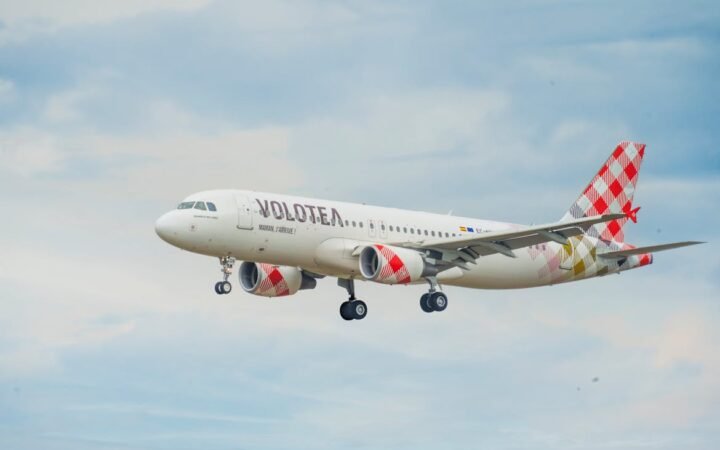

Volotea is facing a customer backlash after asking some passengers to pay an additional fuel surcharge on tickets that had already been bought and confirmed. The amount being discussed is relatively small, generally around 7 to 9 euros per flight, but the reaction has been far larger than the charge itself. What has unsettled travelers is not simply the extra cost. It is the idea that a supposedly completed ticket purchase can still be reopened shortly before departure.
That is unusual in commercial aviation. Airlines regularly raise fares for future bookings when costs increase. They also sometimes pass through changes in government taxes or airport fees after a ticket has been issued. What they do not usually do is come back to passengers and ask for more money because fuel has become more expensive after the booking was made. In Volotea’s case, the airline appears to be relying on a clause in its terms that allows a limited and temporary price adjustment in periods of extraordinary fuel volatility.
The airline’s position is that this mechanism is disclosed during booking and can work both ways, meaning customers could theoretically be refunded if fuel prices fall. On paper, that makes the policy sound more balanced than a simple surcharge. In practice, however, the idea remains controversial because airline fares are generally understood as final once payment is completed. That expectation is central to how people compare prices, budget for travel, and make purchasing decisions.
A Small Fee With Much Bigger Implications
What makes this case important is not the size of the surcharge but the precedent it could set. If airlines begin treating fuel volatility as something that can be passed directly to travelers after purchase, the finality of an airfare becomes weaker. Budget carriers in particular could be tempted to market low headline fares while preserving the right to increase the price days before departure. Even if the adjustment is capped, that would shift more commercial risk from the airline to the passenger.
There is also a transparency issue. Critics argue that if the fare can move later, then the consumer needs a much clearer explanation of how the adjustment is calculated, what threshold triggers it, and how often downward revisions actually happen. Without that, the clause may look less like a neutral formula and more like a one-way protection for the airline’s margins. That is especially sensitive in a low-cost market, where passengers often choose a carrier based on small price differences.
The broader context is the recent surge in oil and jet fuel prices linked to instability in the Middle East. Airlines everywhere are under pressure, and many have already responded by raising future fares, adding surcharges on new sales, or cutting less profitable routes. Volotea’s move stands out because it pushes that response into tickets that were already sold.
Whether the policy proves sustainable may depend less on contract wording than on consumer tolerance and regulatory scrutiny. Travelers are used to airline pricing being complicated, but they are not used to being told that a confirmed fare may no longer be the fare after all. That is why this dispute matters. It is not really about 7 euros. It is about where airlines draw the line between managing their own cost risk and rewriting the deal after the customer has paid.