Escalating geopolitical tensions in the Middle East are rapidly reshaping travel plans for British holidaymakers, with many cancelling trips to destinations such as Turkey, Egypt and Cyprus and redirecting their holidays toward mainland Europe.
Travel industry reports indicate that the ongoing conflict involving Iran, the United States and Israel has disrupted aviation routes and shaken traveler confidence, triggering a new wave of booking changes across the UK travel market. With airspace closures and flight disruptions affecting major transit hubs across the Middle East, travelers are increasingly opting for destinations perceived as safer and easier to reach.
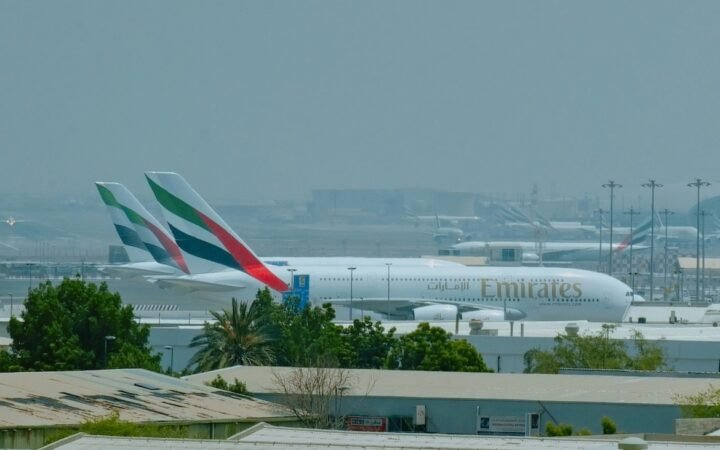
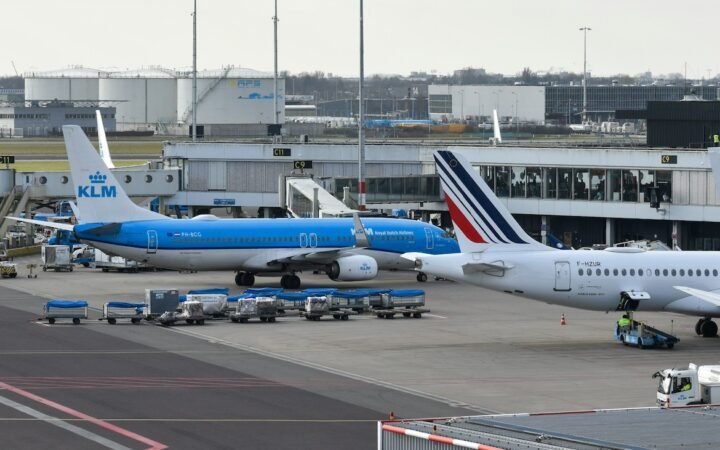
The conflict, which escalated in late February, has forced several countries across the region to close or restrict their airspace, including Iran, Iraq, Kuwait, Bahrain and Israel. The resulting disruption has affected major airline hubs such as Dubai and Abu Dhabi, which serve as critical transit points for long-haul travel.
These hubs are particularly important for routes connecting Europe to destinations across Asia, Africa and the Indian Ocean. When operations at these airports are disrupted, the ripple effects quickly spread to nearby leisure destinations that depend heavily on international flights and regional connectivity.
For British travelers planning spring and early summer holidays, the uncertainty surrounding air routes and security conditions has prompted many to reconsider their plans. Tour operators report a noticeable rise in cancellations or booking amendments for departures to Turkey’s Mediterranean coast, Egypt’s Red Sea resorts and Cyprus.
Even though many of these destinations remain outside the immediate conflict zone, they are being affected by broader regional instability and changing travel advisories. The UK government has issued updated travel guidance warning of heightened tensions across parts of the eastern Mediterranean, contributing to growing caution among travelers.
Mediterranean Destinations See Surge in Demand
As travelers pivot away from the eastern Mediterranean and Middle Eastern travel corridors, demand for European destinations has surged.
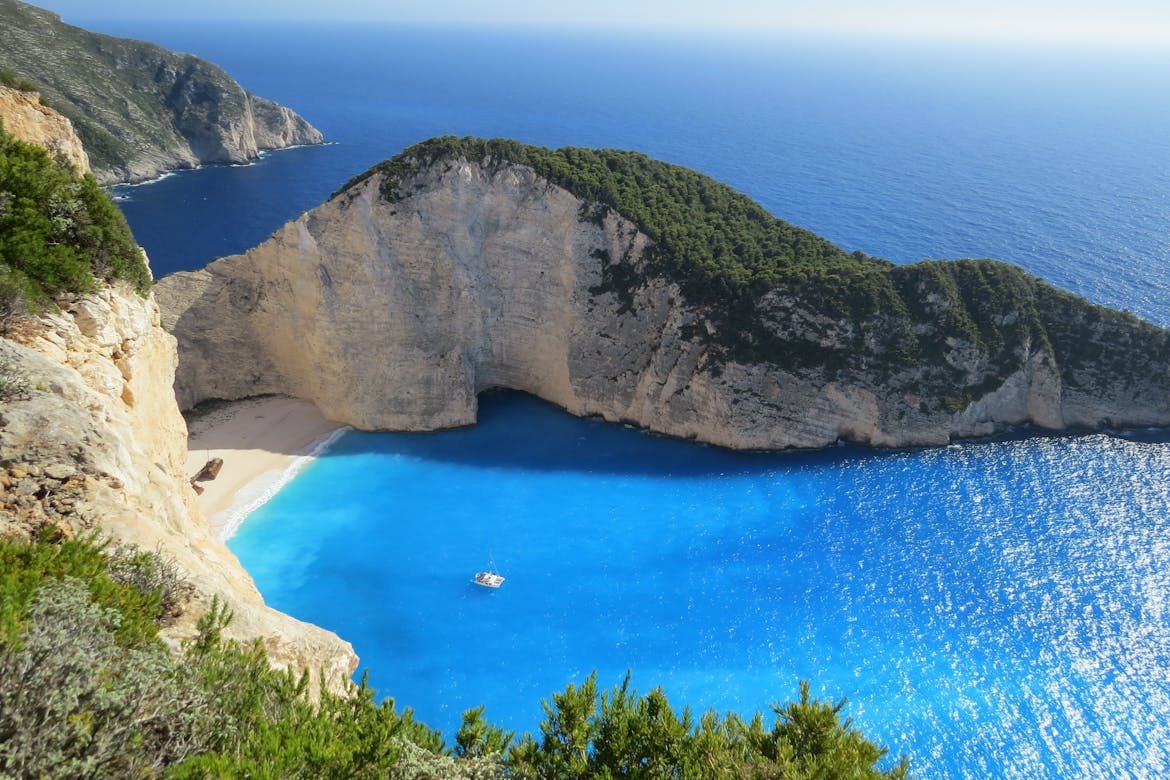
Tour operators report particularly strong booking growth for Mediterranean hotspots such as Spain, Portugal and Greece. Destinations including the Costa del Sol, the Balearic Islands and Portugal’s Algarve region are experiencing increased interest from UK tourists seeking familiar and easily accessible holiday options.
According to travel companies, the shift is being driven largely by a desire for convenience and predictability. Direct short-haul flights from UK airports to southern Europe offer simpler travel logistics and reduce exposure to potential disruptions linked to airspace restrictions or longer flight routes.
Low-cost carriers operating within Europe are also benefiting from the shift. Booking data suggests strong increases in demand for routes connecting the UK to Spain, Italy and Portugal since tensions escalated in early March. Airlines are responding by increasing capacity and deploying larger aircraft on some of these routes.
At the same time, some travelers are looking beyond Europe to long-haul alternatives that avoid the affected region altogether. Travel agencies report growing interest in Caribbean destinations such as the Dominican Republic and Jamaica.
Industry analysts say the trend highlights how quickly geopolitical events can reshape tourism demand. When uncertainty affects key travel corridors, travelers often revert to destinations where infrastructure, flight schedules and safety perceptions are more predictable.
For destinations like Turkey, Egypt and Cyprus, the timing of the disruption is particularly challenging. The late winter and early spring months are typically when British travelers finalize bookings for the peak summer season.
If regional tensions ease and flight networks stabilize, some demand could return later in the year. But if disruptions persist, tourism flows for 2026 could shift significantly toward Europe, reshaping the balance of popular holiday destinations for UK travelers.