A prolonged funding standoff in Washington has turned airport security into one of the clearest operational failures of the partial U.S. government shutdown. With the Department of Homeland Security unfunded since February, tens of thousands of Transportation Security Administration officers have been required to keep working without pay, even as staffing gaps have pushed wait times sharply higher at major airports.
President Donald Trump said he would sign an order directing the Department of Homeland Security to pay TSA officers immediately, framing the situation as an emergency. But he did not explain what legal authority the administration would use, how quickly the money could be distributed, or whether the move would hold if challenged. That uncertainty left the travel sector facing the same problem it has been dealing with for weeks: heavy passenger volumes, reduced checkpoint staffing, and no clear timetable for a durable fix.
The shutdown stems from a broader dispute over DHS funding, with Democrats demanding changes to Immigration and Customs Enforcement operations and Republicans rejecting those conditions. TSA workers have become collateral damage in a fight that was not directly about aviation but has increasingly affected it. Because they are classified as essential employees, officers must continue reporting to work even when their pay is suspended.
Staffing Losses Are Hitting Airport Throughput
The operational effects are now visible across the country. More than 50,000 TSA personnel are tied to the funding breakdown, while hundreds of officers have already quit and thousands more have been absent from shifts. In some airports, absentee rates have climbed far above national averages, leaving fewer checkpoints open during a busy spring travel period.
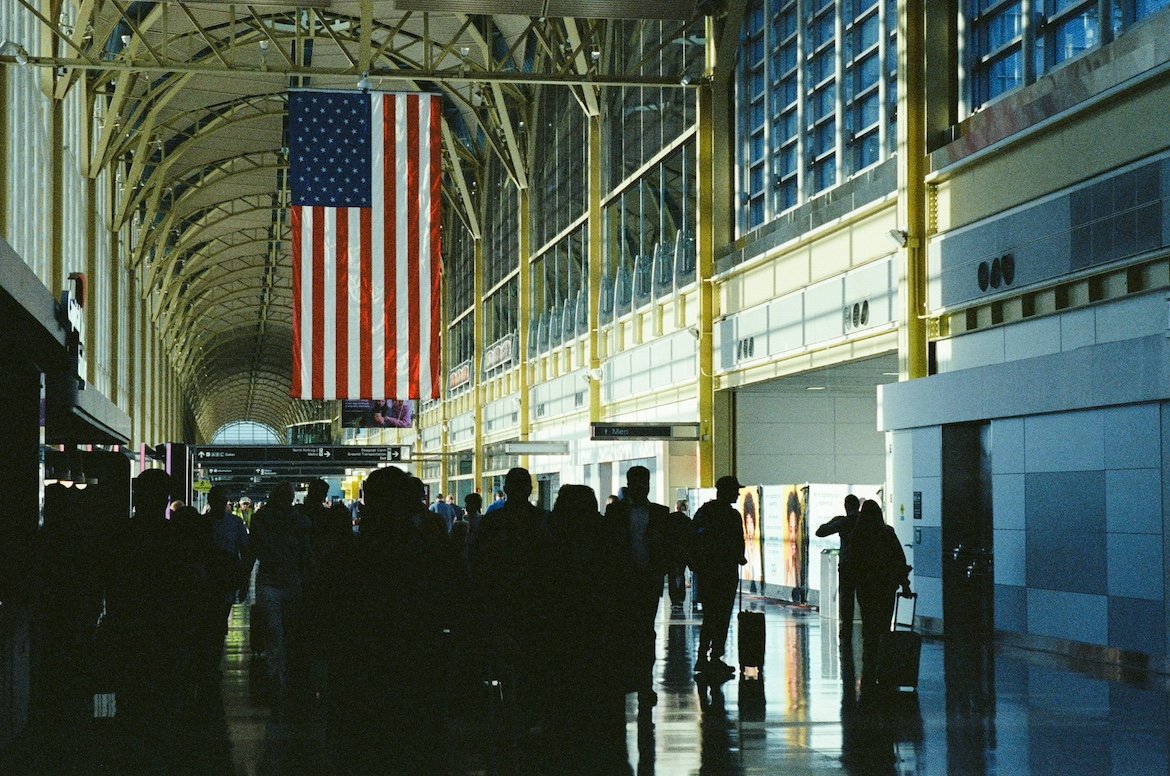
Houston has emerged as one of the clearest examples of the strain. Security waits there stretched past four hours this week, and airport officials said only a fraction of checkpoints were operating. Other large hubs, including airports in New York, New Jersey, Illinois, Atlanta, Baltimore, and New Orleans, have also reported significant disruption as staffing levels fell below what is needed for normal screening flow.
The TSA has warned that smaller airports could face closure if the staffing picture deteriorates further. That matters beyond leisure travel. Airlines, corporate travelers, and airport operators all depend on predictable processing times, and once those timelines break down, missed flights and schedule changes spread quickly through the system.
White House Relief May Not End the Underlying Problem
The administration has tried to stabilize operations in the short term by sending Immigration and Customs Enforcement personnel and other DHS staff to selected airports. As we reported earlier, the administration had already started using immigration personnel to help manage security pressure as TSA staffing shortages worsened. Even so, those officers are not a direct substitute for a fully staffed TSA workforce, particularly at a time when passenger volumes are rising.
Travel groups and airline industry leaders have welcomed the idea of paying TSA workers, but most have made the same point: temporary workarounds do not solve a structural funding problem. Business and airline groups have warned that repeated disruptions undermine confidence in the U.S. travel system and create avoidable friction at a time when airports are expected to support strong domestic and international demand.
Late Senate movement on a funding measure offered a possible path forward, though the bill still faced further action in the House. Until Congress resolves the broader DHS impasse, the TSA pay issue is likely to remain both a legal question and an operational risk. For travelers, that means the most immediate concern is still the same one visible at checkpoints this week – a federal budget fight has become a transportation bottleneck.