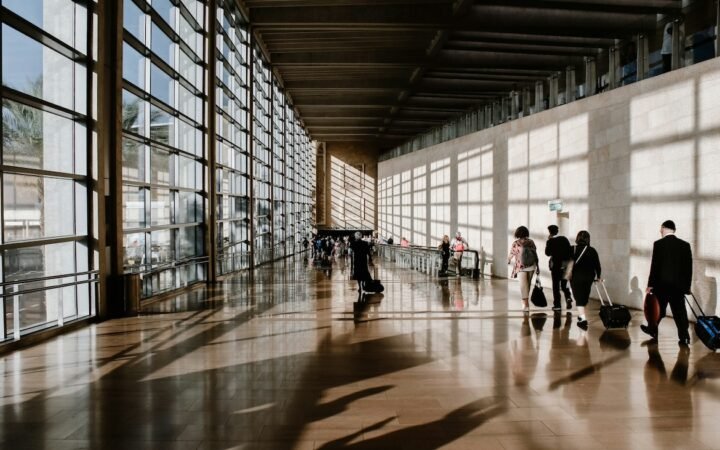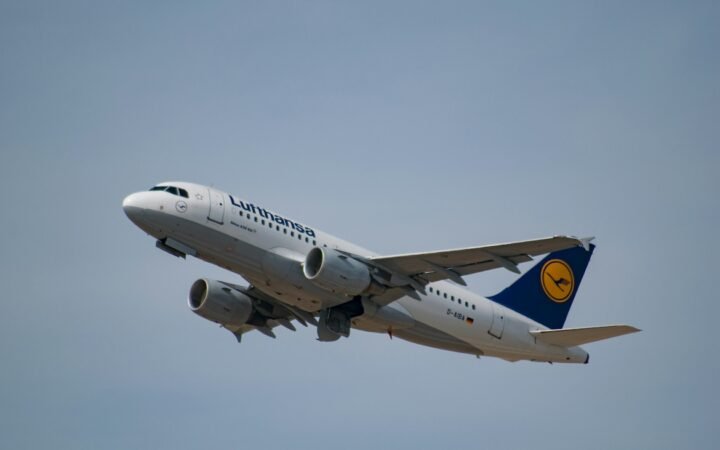
Lufthansa is facing another significant wave of disruption after cabin crew began a one-day strike on Friday, forcing the German airline to cancel hundreds of flights across its network. The walkout, called by the UFO union, covers the main Lufthansa brand as well as Cityline and runs from just after midnight until 10 p.m. The timing is especially difficult because it lands during the Easter travel period, when passenger volumes are already elevated and rebooking options are more limited.
The strike affects departures from Lufthansa’s key hubs in Frankfurt and Munich, along with Cityline operations at several other German airports. Frankfurt appears to be among the hardest hit, with the airline canceling a large share of scheduled departures there in advance. Other airports, including Berlin, Stuttgart, and Leipzig/Halle, are also seeing disruption. Although the industrial action is centered on departures from Germany, the knock-on effects extend further because canceled outbound flights often also lead to missing or delayed return services.
For passengers, the immediate issue is practical rather than political. Lufthansa has warned travelers to check their flight status before going to the airport and says affected customers are being notified directly. The airline is offering rebooking on other Lufthansa Group flights within a defined travel window, while refunds are also available for some disrupted itineraries. Even so, short-notice strikes of this kind tend to create wider pressure on airport operations and alternative capacity, especially when they affect two major hubs at once.
The deeper problem for Lufthansa is that this is not an isolated labor dispute. It is the third major strike episode for the group this year, following earlier pilot actions and a tense first quarter shaped by repeated conflict with employee unions. While the airline reached a pay deal with ground staff in late March, negotiations with cabin crew and pilots have remained more difficult. That leaves the group dealing with a pattern of instability rather than a single labor event.
For business and leisure travelers alike, repeated industrial action also chips away at confidence. Lufthansa remains one of Europe’s most important network carriers, and disruptions at Frankfurt and Munich can quickly spread beyond Germany into connecting traffic across the continent and long-haul routes. At a busy seasonal moment, that makes even a one-day strike more consequential than the duration alone suggests.
The union says the dispute centers on pay and working conditions, while Lufthansa has responded by urging a return to negotiations. The airline’s public message is that viable solutions require dialogue and that strikes should be a last resort. But from a travel perspective, the more important point is that Lufthansa is entering a crucial seasonal period without having fully stabilized labor relations. For now, that means the airline’s operational recovery remains vulnerable just as demand is strongest.