
Japan recorded its highest-ever number of international visitors in 2025, welcoming 42.7 million tourists and surpassing the previous year’s total by a wide margin. The milestone reflects the country’s continued appeal as a global travel destination, supported by a weak yen, expanded air connectivity, and sustained demand from long-haul markets.
The strong performance came despite a sharp downturn in arrivals from China toward the end of the year, underscoring how Japan’s inbound tourism base is becoming more diversified.
According to official data from the transport ministry and the Japan National Tourism Organization, arrivals from the Chinese mainland fell by more than 45 percent year over year in December, dropping to roughly 330,000 visitors. The decline followed diplomatic tensions after remarks by Sanae Takaichi on Taiwan prompted Beijing to advise its citizens against traveling to Japan.
China had been Japan’s largest source market, accounting for nearly a quarter of all foreign visitors during the first nine months of 2025.
Strong Growth From Other Markets Offsets Decline
Despite the sudden drop from China, overall visitor numbers continued to rise thanks to increased arrivals from Australia, Europe, and the United States. Officials described the record-breaking year as a significant achievement, noting that demand from other regions was strong enough to offset the shortfall. Spending by international visitors also remained robust, supported by favorable exchange rates and longer stays, particularly among travelers from Western markets.
Chinese tourists, when present, continued to outspend other visitor groups, with higher average spending on shopping, accommodation, and dining. The sudden contraction therefore had noticeable effects on businesses catering specifically to Chinese travelers, including retail and tour operators in major cities. Some agencies reported severe declines in bookings late in the year, highlighting the economic sensitivity of tourism flows to geopolitical developments.
Overtourism Pressures and Policy Responses
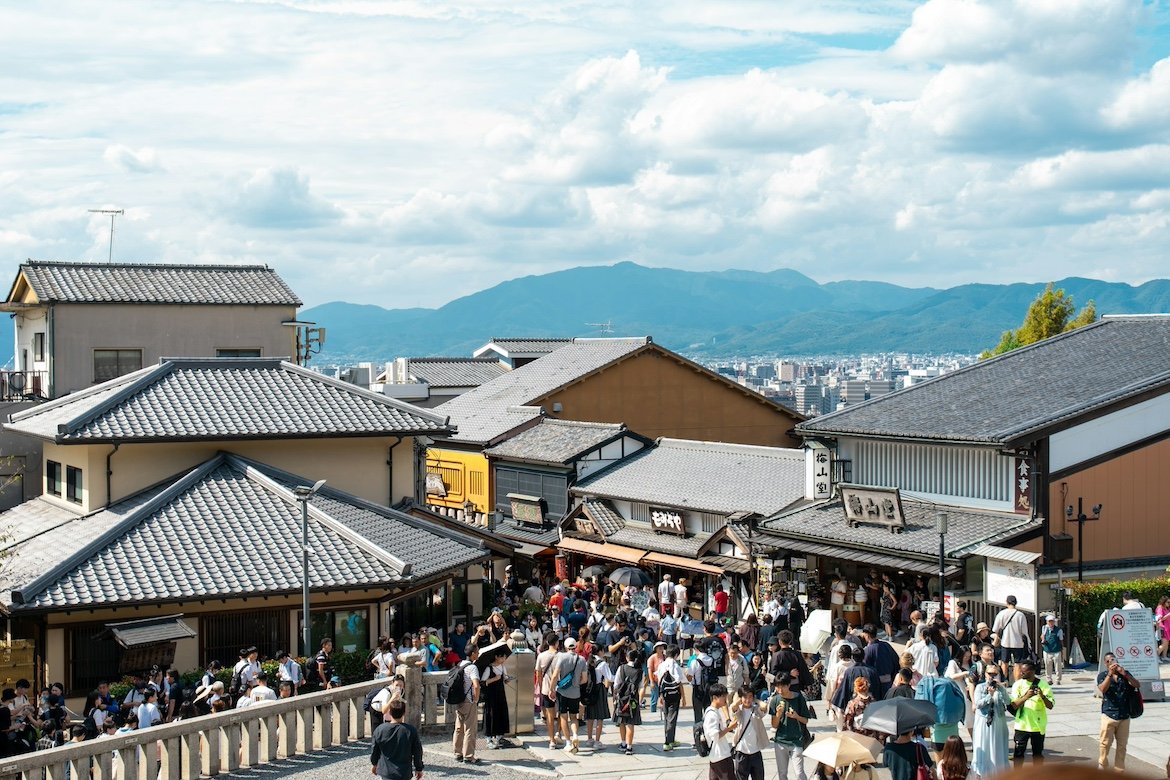
The surge in overall visitor numbers has intensified concerns about overtourism, particularly in popular destinations such as Kyoto, where residents have voiced frustration over crowding, congestion, and visitor behavior. Complaints have ranged from littering to tourists harassing local cultural figures for photographs, prompting calls for stronger management measures.
In response, authorities have begun introducing controls aimed at balancing tourism growth with quality of life for residents. Measures include caps on hikers at Mount Fuji, entry fees for certain attractions, and efforts to redirect visitors toward lesser-known regions. The government has also promoted rural destinations and regional travel to spread economic benefits more evenly across the country.
Japan has set an ambitious target of welcoming 60 million international visitors annually by 2030, but officials have emphasized that future growth must be more sustainable. Forecasts suggest that overall arrivals in 2026 could dip slightly if Chinese demand remains subdued, though tourism revenue may continue to rise due to higher prices and increased spending by repeat visitors.
The record-breaking year highlights both the resilience and the complexity of Japan’s tourism sector. While diversified demand has helped cushion geopolitical shocks, managing growth responsibly remains a central challenge as the country navigates its next phase of inbound travel expansion.