
Portugal Launches EU App to Speed Up Airport Border Controls
Portugal has launched the EU’s “Travel to Europe” app, allowing non-EU travelers to pre-register data and reduce waiting times at border control.
The European Travel Information and Authorization System (ETIAS) is a digital screening and authorization system created by the European Union for travelers from visa-exempt countries entering the Schengen Area. Expected to become operational in the coming years, ETIAS will require eligible travelers to apply online before their trip, providing personal and travel details along with security-related information. The authorization is electronically linked to the traveler’s passport and is valid for multiple short stays of up to 90 days within a 180-day period. ETIAS aims to improve border security, reduce irregular migration, and protect against potential security risks, while still allowing visa-free access for citizens of partner countries. EU citizens and those holding visas or residence permits will not be required to apply.
Portugal has launched the EU’s “Travel to Europe” app, allowing non-EU travelers to pre-register data and reduce waiting times at border control.

Italy will introduce a fully digital visa system and expand biometric border checks from mid-2026, reshaping entry procedures for travelers.

Armenia is offering temporary visa-free entry to eligible residents of 113 countries, aiming to boost tourism and strengthen regional connectivity through mid-2026.
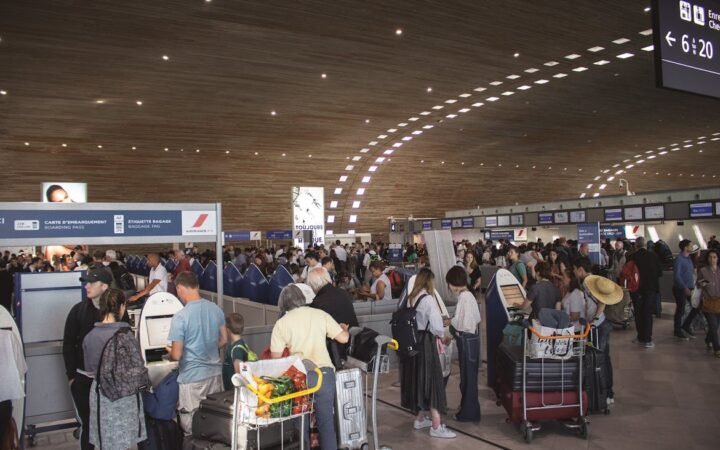
Europe’s leading aviation bodies are urging Brussels to introduce greater flexibility in the Entry-Exit System rollout, warning that airport queues could reach four hours this summer.
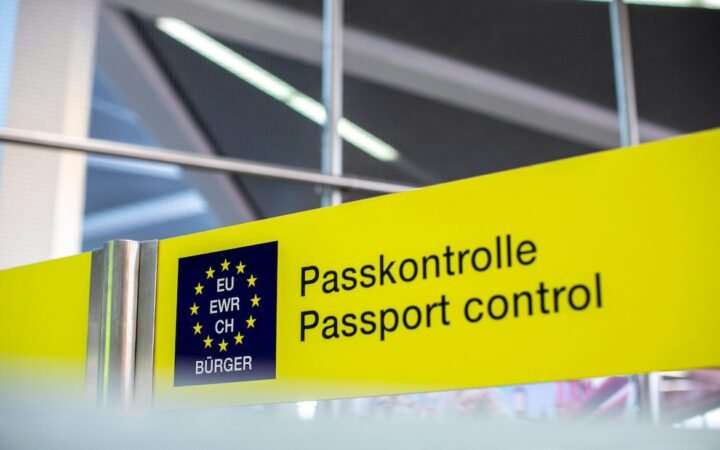
The European Union is allowing Schengen countries to apply flexibility in the rollout of the Entry-Exit System, aiming to reduce border congestion during the busy summer travel season.

The European Union begins rolling out its new Entry/Exit System (EES), replacing passport stamping with biometric registration to enhance border security and simplify travel for non-EU visitors.

European hot spots including Italy, Spain, and Greece are rolling out aggressive anti-overtourism measures – ranging from reservation-only beaches and short-term rental bans to cruise caps and digital border systems – to protect local life and heritage amid surging visitor numbers.

The European Union plans to raise the ETIAS travel fee from €7 to €20 by 2026, impacting millions of international travelers visiting the Schengen Area.