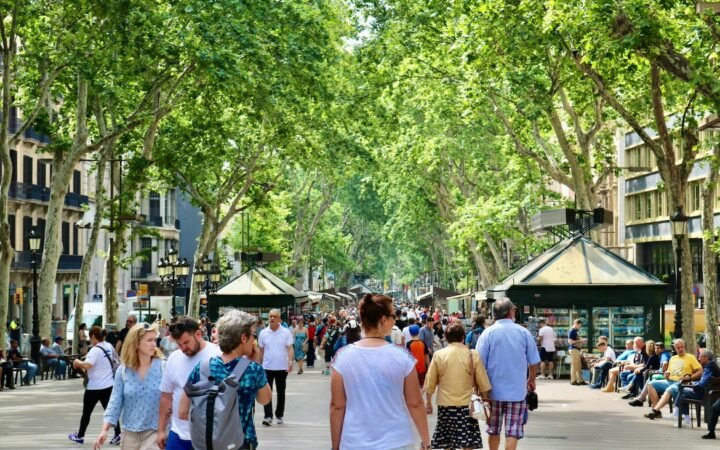

Barcelona is set to impose one of the highest tourist taxes in Europe after Catalonia’s regional parliament approved legislation doubling the levy from April. The move is part of a broader effort to manage overtourism and generate funding to address the city’s housing crisis.
Under the new framework, visitors staying in holiday rentals will pay up to €12.50 per night, double the previous maximum of €6.25. Hotel guests will face combined charges that could reach between €10 and €15 per night, depending on the property’s category. Barcelona’s municipal authority is also authorized to increase its own city surcharge, pushing the total nightly tax burden for some travelers to as much as €15.
For example, a two-night stay for a couple in a typical four-star hotel could now add more than €45 to the overall bill. Guests at five-star properties may pay the highest rates, while cruise passengers will continue to pay around €6 per stay. The Catalan government’s portion of the tax will apply immediately in Barcelona before being progressively rolled out across the rest of the region through 2027.
Officials say one quarter of the revenue generated will be directed toward housing policies, with the remaining funds allocated to the Tourism Promotion Fund. The policy comes amid mounting public pressure over rising rents and property prices, which residents attribute in part to the proliferation of short-term rentals. Authorities have already announced plans to ban all short-term holiday rentals in the city by 2028.
Barcelona welcomes approximately 15.8 million visitors annually and ranks among the world’s leading destinations for conventions and large-scale events. Business travelers will not be exempt from the new levy. The city previously ranked 11th among European destinations for tourist taxes, according to industry comparisons, behind cities such as Amsterdam, which remains one of the most expensive.
Reactions to the increase are mixed. Some visitors have expressed concern that Barcelona is becoming prohibitively expensive, arguing that tourists already contribute significantly through spending in restaurants, shops and cultural attractions. Others see the measure as a reasonable response to the strain tourism places on housing and infrastructure.
Hotel industry representatives have warned that sharp tax increases could undermine competitiveness, particularly if implemented without gradual monitoring. They argue that tourism remains a critical pillar of the local economy and caution against measures that might deter high-value travelers.
The tax increase reflects a broader trend among European cities seeking to balance economic benefits from tourism with social pressures linked to housing affordability and quality of life. Whether the higher levy meaningfully curbs visitor numbers or primarily reshapes travel costs remains to be seen, but Barcelona is signaling that housing concerns now sit at the center of its tourism policy.