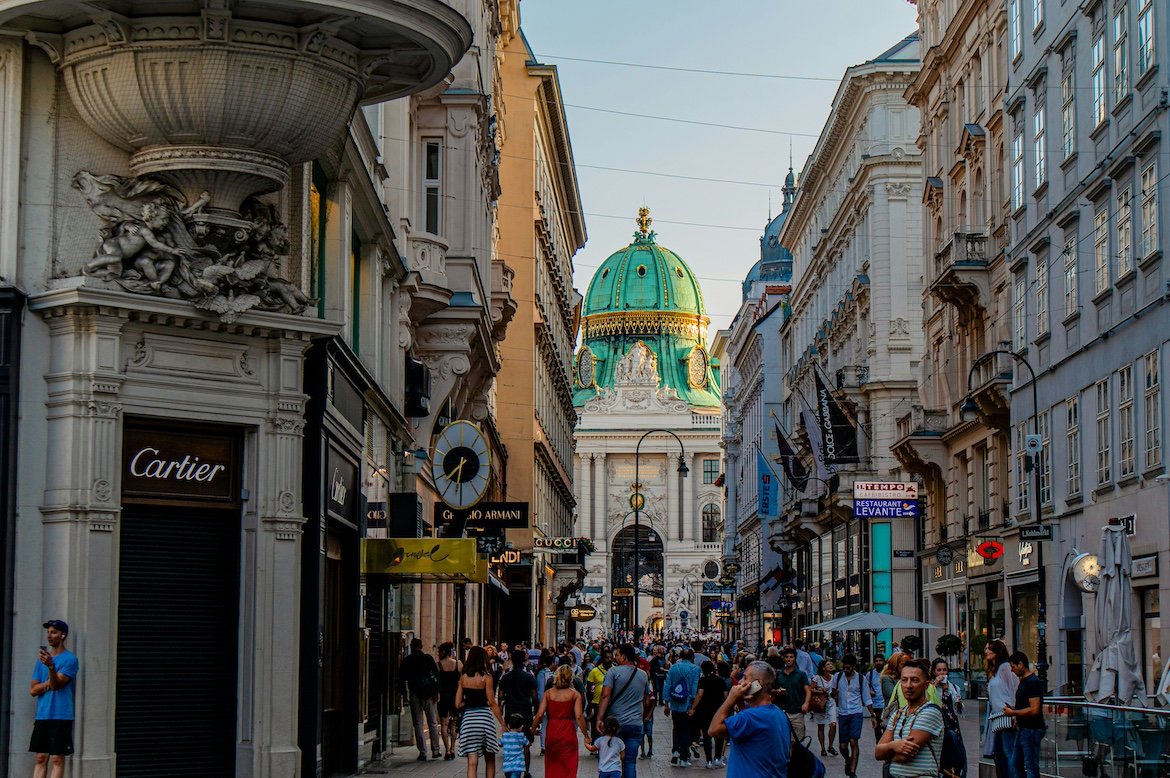
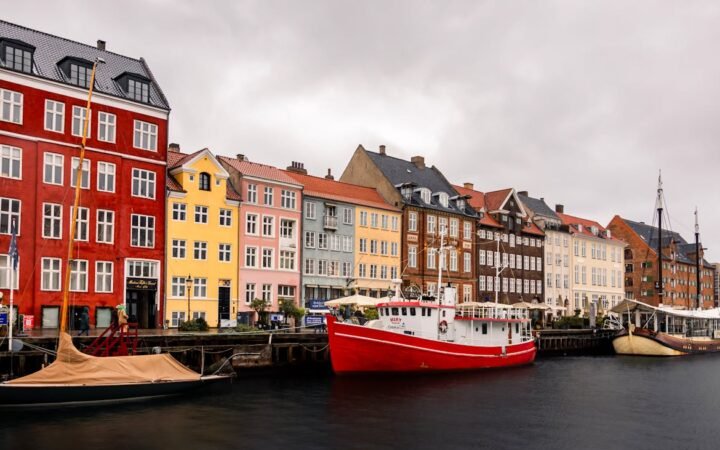
Vienna is preparing for a substantial increase in its tourist tax, with the levy on overnight stays set to jump from 3.2% to 8.5% beginning December 1, 2025. The city estimates this will generate an additional €81 million annually – funds earmarked for infrastructure, schools, and sustainable travel improvements.
While the move reflects Vienna’s commitment to maintaining high-quality urban services, it comes amid vocal criticism from the hotel industry, which warns that the timing and scale of the increase could deter visitors during the festive season.
Double-Digit Tax Shock During Peak Holiday Season
The timing of the tax hike couldn’t be more awkward – just as the holiday season begins. As Vienna’s hotels prepare for their busiest period – adorning for Christmas markets, winter concerts, and twinkling lights – the added levy could disrupt pricing already locked in for months. For example, on a €200 per night booking, the tourist tax climbs from €6.40 to €17, effectively adding over €10 per night.
Hoteliers, represented by the Austrian Hotel Association (ÖHV), have criticized the move, citing challenges in passing on costs or absorbing them without compromising their competitiveness. Moreover, there’s concern that the sudden change may prompt visitor cancellations or resentment, particularly among those expecting steady, transparent pricing during the holidays.
City officials argue the increase is necessary to close a projected €500 million budget gap for 2025. They emphasize that even with the rise, Vienna’s tax remains in line with levels charged by other European capitals, creating a “middle of the pack” scenario that balances both necessity and competitiveness.
A Broader European Trend: Tourism Taxes on the Rise
Vienna’s decision is part of a growing wave of destinations raising tourism-related fees. Countries like Italy, Portugal, the Netherlands, France, and Japan are already augmenting or introducing similar taxes to manage tourism impacts, fund maintenance, and support environmental initiatives. Vienna joins this list, not simply as a trend-following player, but as part of a larger push toward sustainable and equitable tourism financing.
The global trend has become increasingly clear. At TravelCapybara, we covered how New Zealand is preparing to introduce new foreign visitor fees by 2027, aimed at balancing environmental conservation with tourism growth.
Similarly, in the UK, Glasgow is preparing to roll out its own tourist tax by 2027, marking a shift in policy across Britain. These developments show that Vienna is not alone – governments worldwide are rethinking how tourism should contribute to public services and sustainability goals.
At the heart of the debate is the risk of overburdening visitors during peak travel seasons. If many destinations increase costs simultaneously, the incentive to travel may shift toward lesser-known spots or off-peak times.
For now, Vienna remains a bucket-list destination for winter charm and cultural richness – just with a steeper price tag. Travelers and planners may want to book early, weigh accommodation tiers carefully, or consider offsetting the difference with more experiences or longer stays.
Ultimately, while Vienna’s new tourist tax is positioned as an investment in sustainability and urban quality, its success will hinge on how well the city manages industry response and visitor expectations.