Top 5 Best Caribbean Islands to Visit This Summer
The Caribbean is one of the strongest summer travel choices for 2026, offering lower crowds, better seasonal value, warm water, and islands suited to every travel style.
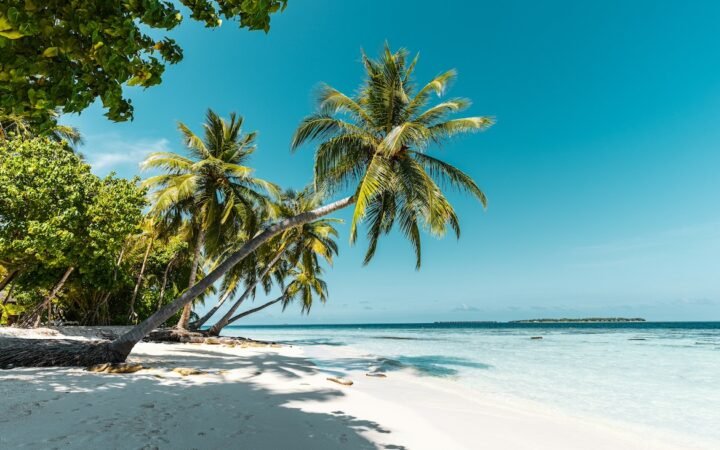
Summer can be one of the most underrated times to visit the Caribbean. While many travelers still think of the region as a winter escape, the warmer months often bring lower hotel rates, fewer crowds, calmer mornings, and a slower pace that suits island travel especially well.
Hurricane season should be taken seriously, and travel insurance is essential for any summer trip to the region. But the Caribbean is not one single weather zone. Some islands sit farther south, some are better positioned for summer conditions, and others offer enough culture, dining, nature, and events to make the season feel like an advantage rather than a compromise.
Barbados
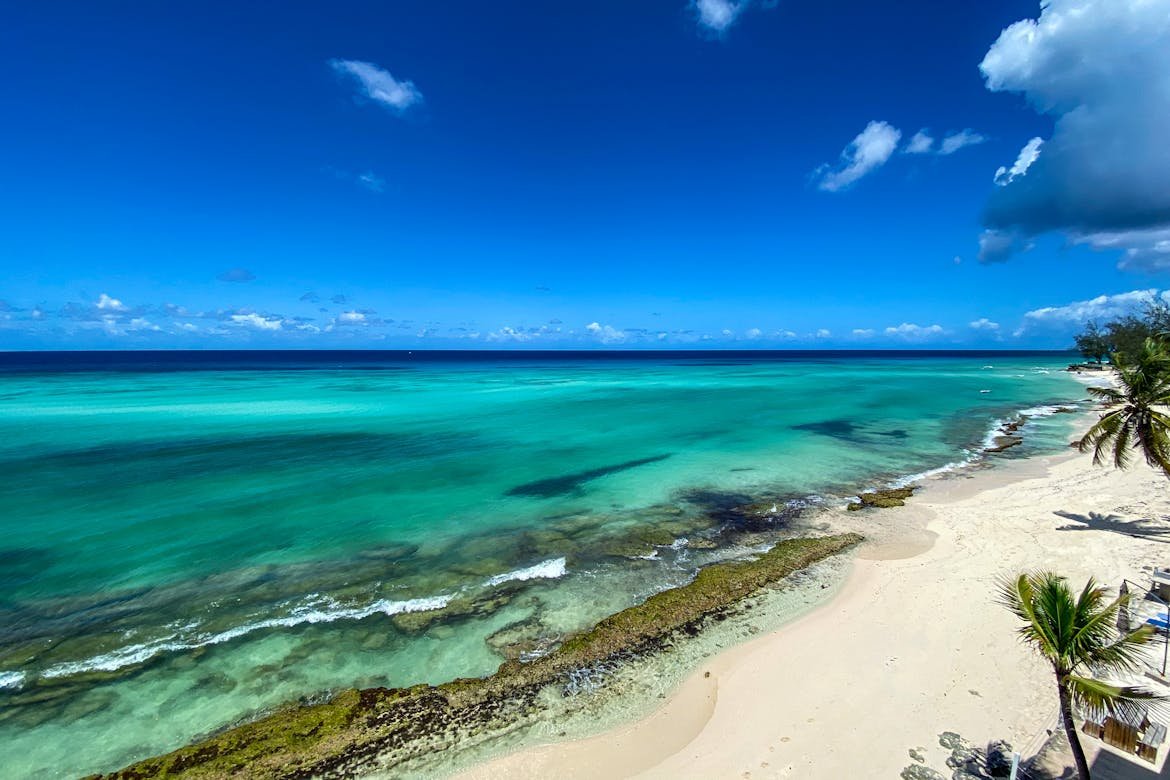
Barbados is one of the best all-around Caribbean islands for summer because it combines beaches, food, festivals, rum culture, and easy movement around the island. It is not the kind of destination where travelers need to stay inside a resort for the entire trip. The island rewards visitors who explore, whether that means driving to the Atlantic-facing east coast, spending a Friday night at Oistins Fish Fry, or touring one of its historic rum estates.
Summer 2026 is especially strong for Barbados because the island is celebrating its 60th anniversary of independence. That gives the season more cultural weight, especially alongside Crop Over, the island’s biggest annual festival. Running from July into early August, Crop Over brings music, parades, food, dancing, and a level of local energy that makes the island feel more alive than during many quieter resort-focused periods.
The beach scene is also varied. The west coast offers calmer Caribbean waters, polished hotels, and easy swimming, while the south coast has more nightlife, restaurants, and surf-friendly conditions. Beaches in Barbados are public, which gives travelers more freedom to explore different parts of the coastline instead of staying tied to one hotel beach.
Barbados is also one of the region’s strongest food destinations. Beyond resort dining, travelers can try flying fish, macaroni pie, rum punch, local bakeries, beachfront grills, and higher-end restaurants that reflect the island’s long hospitality tradition. For travelers who want a summer trip with both beach time and cultural depth, Barbados is one of the Caribbean’s safest recommendations.
Aruba
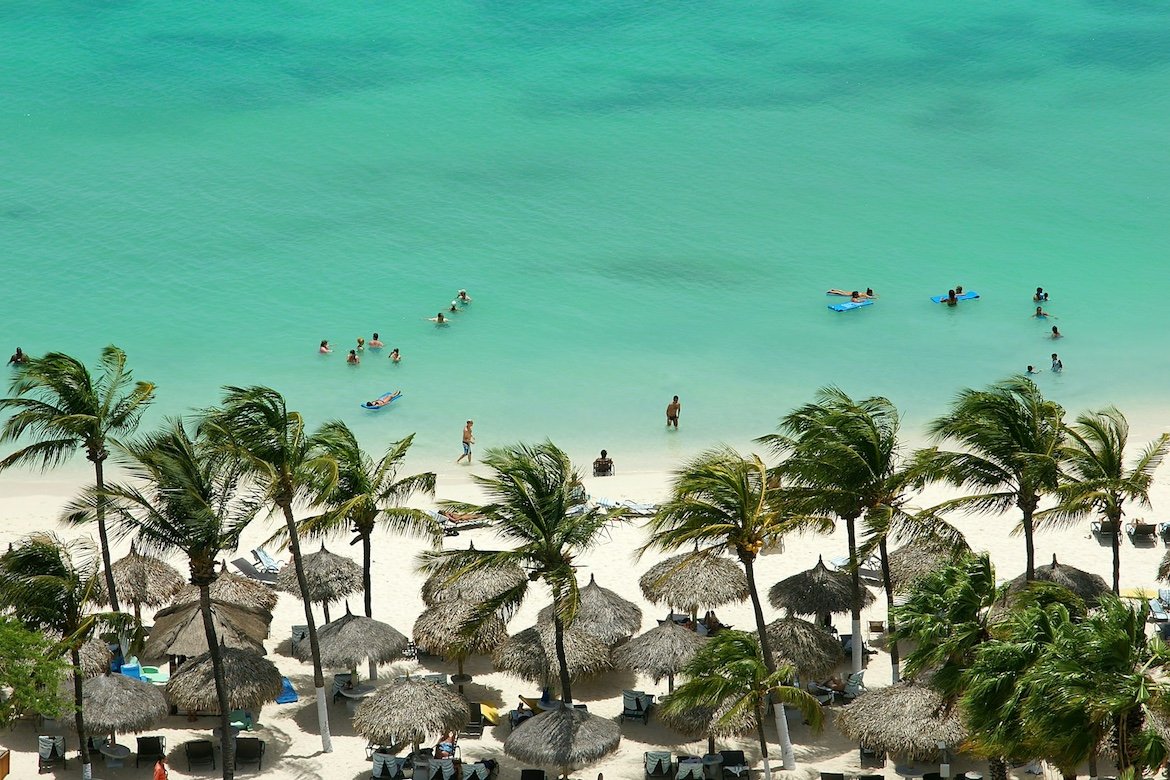
Aruba is one of the most practical Caribbean choices for summer because of its position outside much of the main hurricane belt. Located far south near Venezuela, the island is drier than many other Caribbean destinations and typically sees more consistent sunshine. For travelers worried about summer storms, Aruba offers one of the region’s most reliable weather profiles.
The island’s beaches are the obvious starting point. Eagle Beach is wide, bright, and often ranked among the best beaches in the Caribbean, while Palm Beach is more developed, with resorts, restaurants, water sports, and nightlife close together. Summer can make both feel more relaxed, with fewer peak-season crowds and a better chance of finding value at hotels that are far more expensive in winter.
Aruba is also a strong choice for travelers who want activity rather than only resort time. Arikok National Park gives the island a rugged side, with desert landscapes, caves, natural pools, and coastal scenery that feels different from the lush image many people have of the Caribbean. ATV and jeep tours are popular for a reason: they show how varied Aruba can be in a compact space.
Oranjestad adds another layer with its colorful Dutch-Caribbean architecture, waterfront shopping, markets, and restaurants. The island is easy to navigate and works well for first-time Caribbean visitors, couples, families, and travelers who want a balance of beach comfort and adventure. It may not be the quietest island in the region, but for summer reliability, Aruba is hard to beat.
Grenada
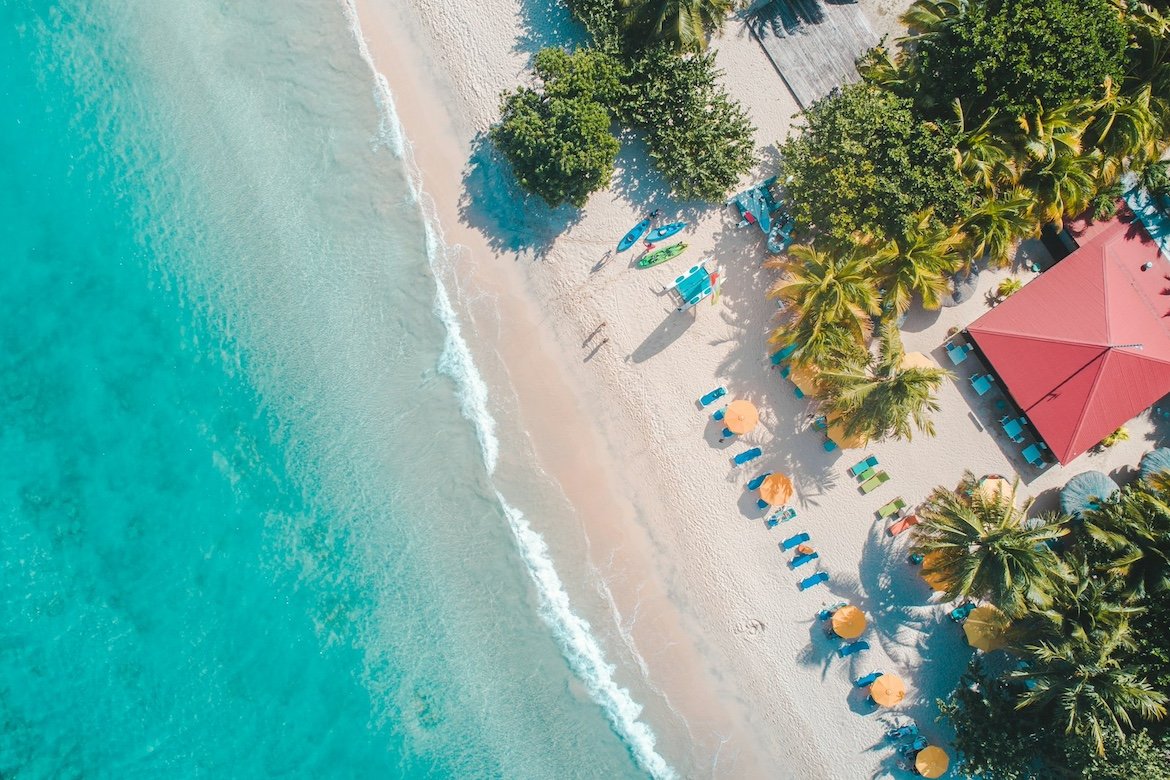
Grenada is the Caribbean island to choose when you want the trip to feel lush, fragrant, and connected to the land. Known as the Spice Island, it is shaped by nutmeg, cinnamon, cloves, cocoa, tropical fruit, waterfalls, and rainforest. It feels less packaged than some larger resort destinations, which is part of its appeal.
Grand Anse Beach gives Grenada its classic Caribbean setting: a long stretch of soft sand, calm water, and enough restaurants and hotels nearby to make it easy without feeling overbuilt. But the island becomes more interesting when travelers move inland. Spice plantation tours, chocolate experiences, local markets, and waterfall hikes show a side of the Caribbean that goes beyond beach photography.
Grenada is also a strong island for travelers who care about food. Its culinary identity is rooted in what grows locally, from cocoa and spices to seafood and produce. That gives meals a sense of place, whether visitors are eating at a refined resort restaurant or trying something simple near the market in St. George’s.
The island also has one of the region’s most distinctive underwater attractions: the Underwater Sculpture Park. It can be explored by snorkeling or diving and adds something unusual to a Caribbean itinerary. For travelers who want nature, food, beaches, and a quieter summer rhythm, Grenada feels like one of the most rewarding choices in the region.
Puerto Rico
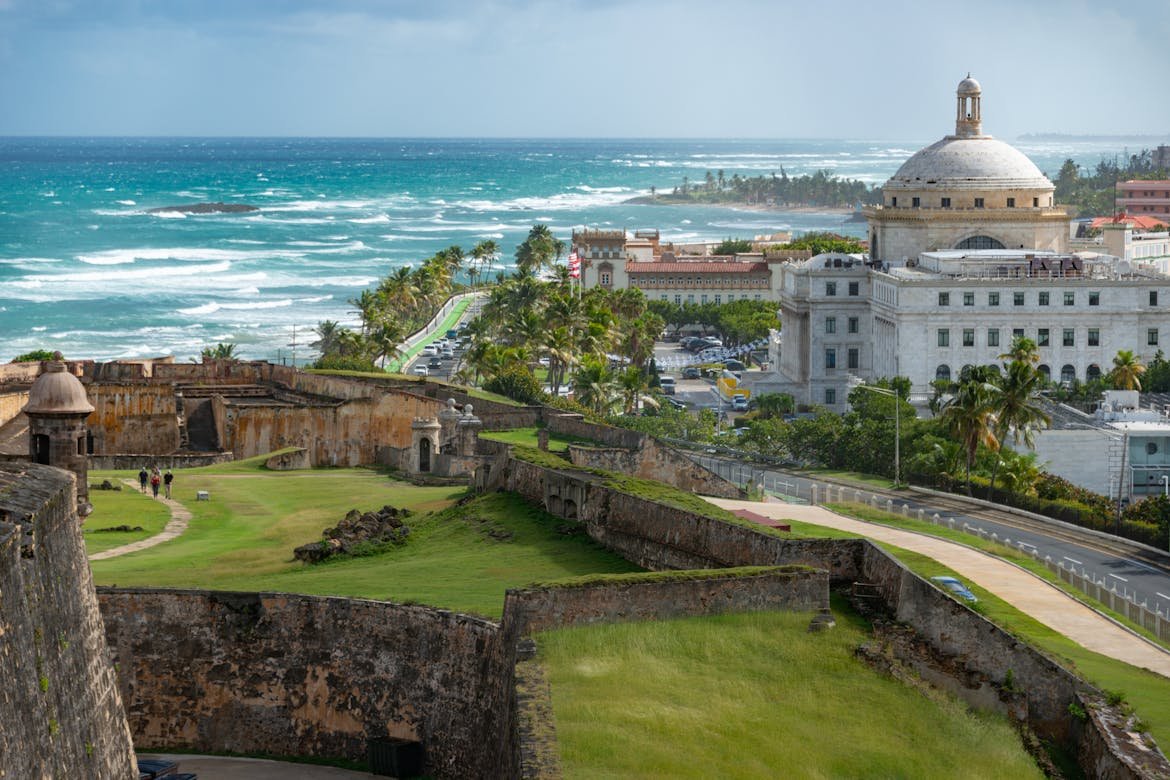
Puerto Rico is one of the smartest Caribbean islands for summer, especially for U.S. travelers. American citizens do not need a passport, flight options are strong, and the island offers enough variety to work for a short city-and-beach escape or a longer trip. In summer, travelers can often find better rates and fewer crowds than during the winter peak.
San Juan is a major advantage. Old San Juan gives the island a cultural and historical center that many beach destinations lack, with colorful streets, Spanish colonial architecture, forts, bars, restaurants, and boutique hotels. It allows travelers to combine a Caribbean beach trip with the feeling of a proper city break.
Beyond San Juan, Puerto Rico offers rainforest, beaches, rum experiences, smaller towns, and nature-focused side trips. El Yunque National Forest is one of the island’s essential experiences, especially for travelers who want hiking, waterfalls, and a greener contrast to the coast. Casa Bacardi and other rum-related experiences add another familiar but still worthwhile part of the island’s tourism identity.
Puerto Rico is also useful for budget-minded travelers who want flexibility. Because it is well connected by air, it can be easier to plan than smaller islands that require limited flights or boat transfers. For first-time Caribbean visitors, families, couples, and travelers who want culture as much as beach time, Puerto Rico is one of the most complete summer options.
British Virgin Islands
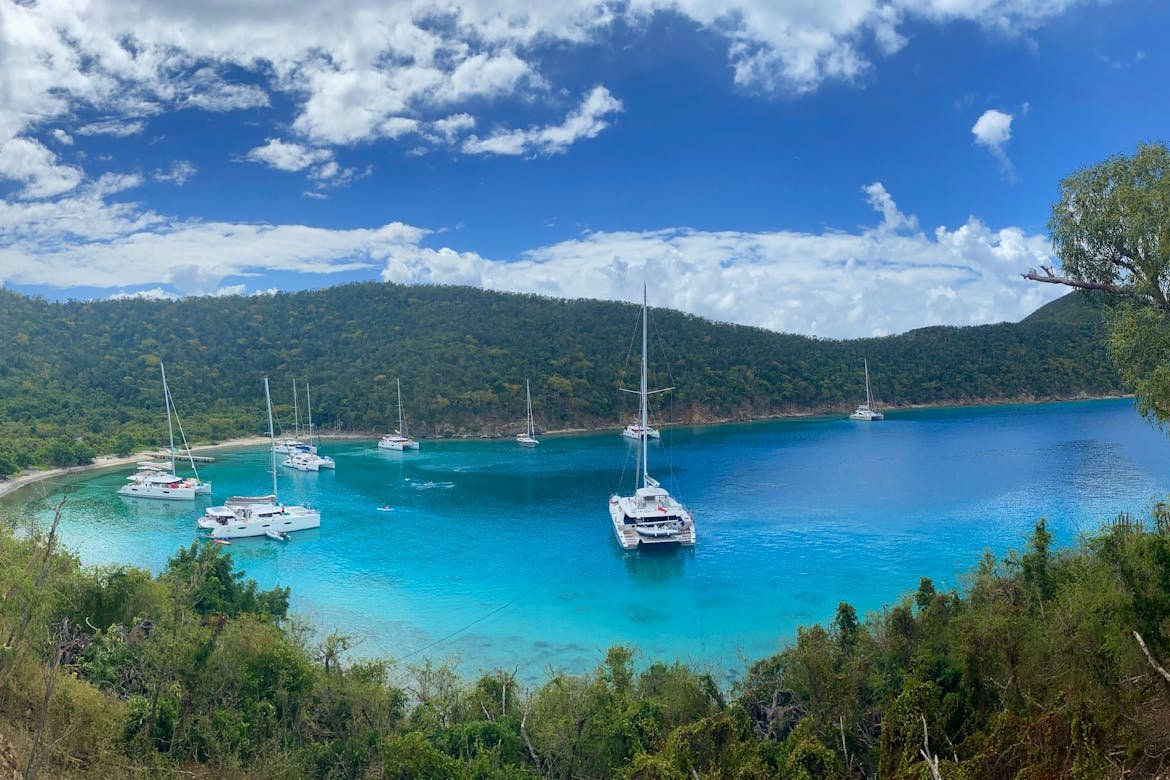
The British Virgin Islands are best for travelers who want to experience the Caribbean from the water. This is not a destination built around one large resort strip. Its appeal comes from moving between islands, coves, beaches, and beach bars, whether by ferry, private boat, or catamaran.
The main islands – Tortola, Virgin Gorda, Jost Van Dyke, and Anegada – each offer something different. Tortola is the main gateway and gives travelers access to restaurants, beaches, and sailing routes. Virgin Gorda is known for The Baths, one of the Caribbean’s most famous natural attractions, where massive granite boulders create pools, passages, and dramatic coastal scenery.
Jost Van Dyke is smaller and more relaxed, with beach bars, casual dining, and a strong boating culture. Anegada feels even more remote, with flat landscapes, reefs, lobster, and beaches that feel far from the busier Caribbean circuit. Together, the islands make the BVI ideal for travelers who want variety without losing the feeling of escape.
The BVI is also becoming more attractive for wellness-focused travelers. Resorts and private-island retreats are leaning into open-air design, oceanfront treatments, quiet settings, and restorative travel. For summer visitors, the territory offers a slower, more personal version of the Caribbean, where the best days are often built around sailing, swimming, eating by the water, and moving at the rhythm of the sea.
Disclaimer: TravelCapybara is an independent media brand owned and operated by NuvexMedia LLC, publishing travel news, destination guides, research, and insights. NuvexMedia LLC may invest in or collaborate with companies across the travel, hospitality, technology, and digital media sectors. These relationships do not influence TravelCapybara’s editorial coverage. While we strive for accuracy, travel requirements, prices, schedules, availability, and local conditions may change without notice. Readers should independently verify information before making travel or purchasing decisions. This content is for informational purposes only and does not constitute professional advice. © 2026 NuvexMedia LLC. All rights reserved.