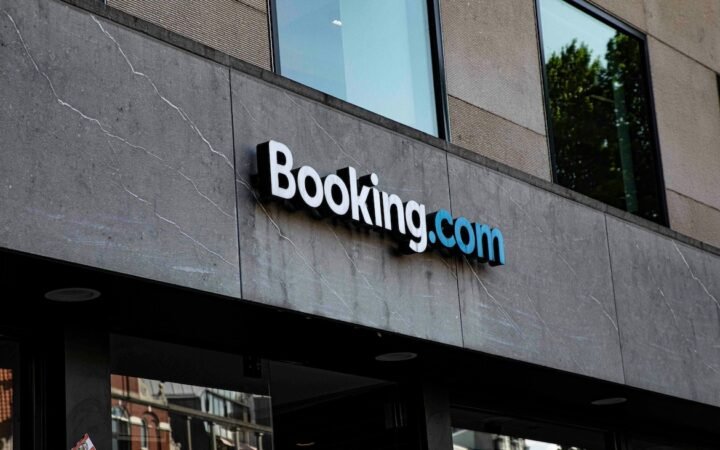

Booking Holdings delivered strong fourth-quarter and full-year 2025 results, underscoring momentum behind its long-term “connected trip” strategy. The company, which owns Booking.com, Priceline, Agoda, Kayak and OpenTable, is increasingly seeing customers book multiple travel components – such as flights, hotels and car rentals – within a single transaction.
In 2025, these multi-vertical bookings grew in the high 20% range year over year, according to CEO Glenn Fogel. While they still represent a low double-digit percentage of Booking.com’s total transactions, the trend signals structural progress toward the company’s vision of becoming a fully integrated travel platform rather than a single-product booking site.
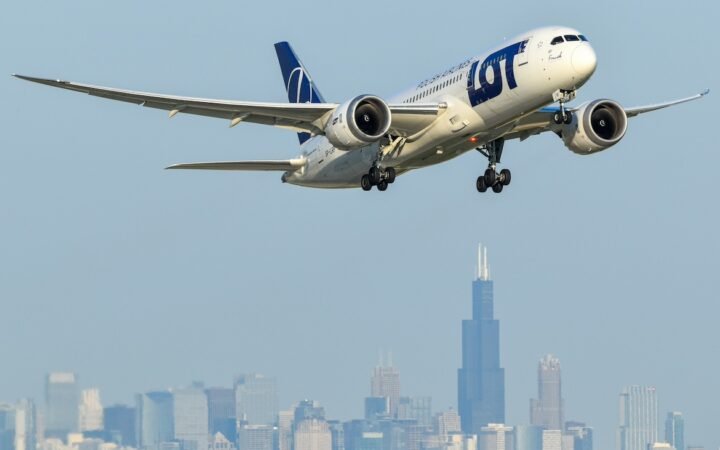
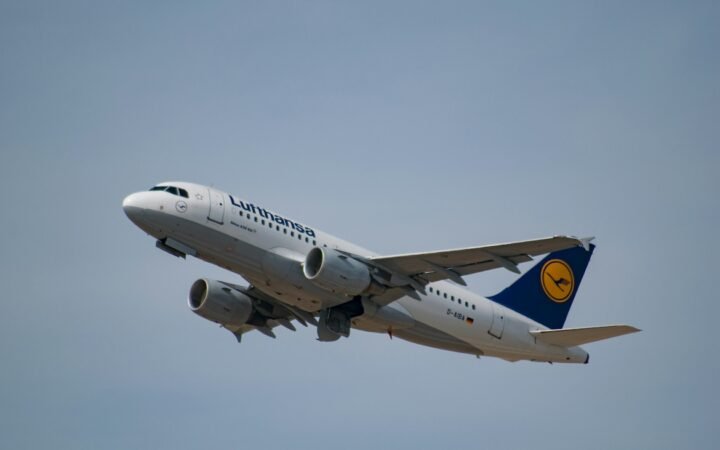
Flights have become a key driver of that evolution. Gross flight bookings reached $16.8 billion in 2025, up 37% year over year. Fogel described flights as a top-of-funnel product that attracts new customers while encouraging existing users to plan more of their trip within the Booking ecosystem.
Partnerships, including a long-term extension with Etraveli for flight technology and content, support this expansion, even as regulatory scrutiny around the previously blocked acquisition continues in Europe.
Regional Momentum and Financial Strength
Geographically, Booking Holdings reported continued growth in Asia and the United States. Both regions delivered low double-digit increases in bookings, while Europe and the rest of the world posted high single-digit growth. Executives cited targeted investments in the U.S., B2B expansion and sustained travel demand across Asia as key contributors.
Financially, the company reported $6.3 billion in fourth-quarter revenue, up 16% year over year, with net income rising 34% to $1.4 billion. Adjusted EBITDA reached $2.2 billion in Q4, reflecting a 19% increase. For full-year 2025, revenue totaled $26.9 billion, up 13%, while gross bookings climbed 12% to $186.1 billion. Room nights reached 1.2 billion, an 8% increase from 2024.
Marketing spend rose to $8.2 billion for the year, reflecting continued competition for demand. However, executives emphasized that savings from the company’s Transformation Program, launched in 2024, will support reinvestment in growth initiatives throughout 2026.
The Genius loyalty program remains a core competitive advantage. Higher-tier Genius members now represent over 30% of the active customer base and account for more than half of room bookings, demonstrating strong engagement and repeat behavior.
AI Integration and the Path Forward
Artificial intelligence is increasingly embedded across Booking’s operations. The company has expanded collaborations with OpenAI, Google, Amazon and Microsoft to strengthen both customer-facing and internal capabilities. In 2025, generative AI tools contributed to improved conversion rates and lower cancellation levels.
Executives also highlighted year-over-year reductions in customer service costs, even as bookings and revenue grew at double-digit rates. AI-driven automation within support functions has improved efficiency, and the company plans to deepen integration of “agentic” capabilities in 2026 to deliver more personalized, unified trip planning experiences.
At the same time, Booking faces regulatory pressure in Europe, where digital market rules have altered pricing parity structures and introduced additional compliance complexity. The broader industry also faces the emerging challenge of AI-powered search tools that could redirect demand away from traditional online travel agencies.
Despite those headwinds, Booking Holdings remains one of the most profitable players in global travel. Its shift toward a merchant-led model, combined with connected trip bundling and AI-driven efficiency, positions the company to capture a larger share of wallet as travelers increasingly look to plan entire journeys within a single digital ecosystem.