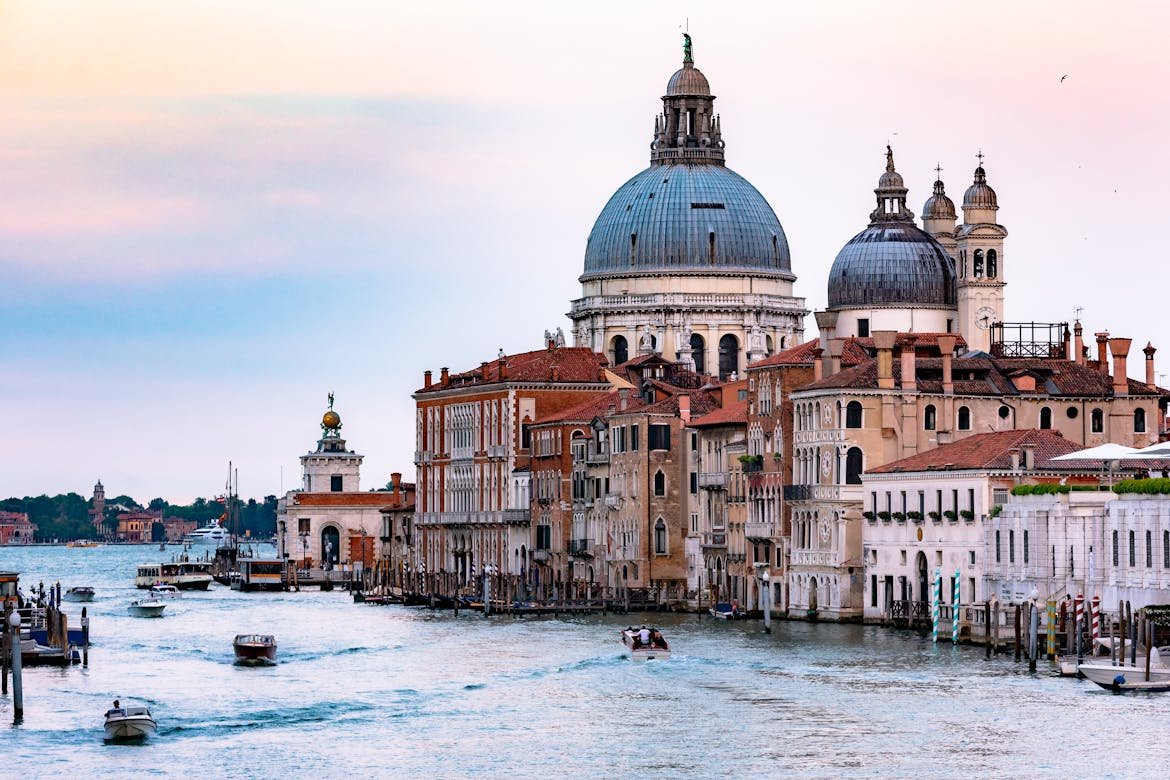
Jeff Bezos and Lauren Sánchez are set to marry in Venice in late June 2025, hosting a lavish, star-studded celebration on the islands of San Giorgio Maggiore and possibly Scuola Grande della Misericordia. The couple have secured around 200 guests, including celebrities like Oprah Winfrey and Katy Perry, and are reportedly utilising high-end venues and superyachts for the festivities.
From the outset, however, the event has provoked a wave of resistance from Venetian activists. Protesters under the slogan “No Space for Bezos” have hung banners from key sites including Rialto Bridge and the bell tower of San Giorgio Maggiore.
More than symbolic gestures, they plan waterborne demonstrations to block guest arrivals in canals and alleyways. Their argument: using Venice as “a private ballroom” for the ultra-rich symbolizes deeper issues of commercialization, inflated living costs, and displacement of residents exacerbated by overtourism.
A City Caught Between Luxury and Livability
Venice is grappling with dramatic population decline—now at around 50,000—and record tourist volumes, often exceeding 4–5 million annual visitors. The influx of superyachts, upscale events, and short-term rentals has pushed living costs and rent higher, threatening the city’s cultural fabric and housing accessibility. Protesters argue that the Bezos wedding crystallises this trend—commercial displays and elite privileges, they say, have overshadowed local needs.
Yet not everyone opposes the wedding. Mayor Luigi Brugnaro and regional officials welcome the event, citing economic benefits for gondoliers, florists, hotels, and tourists—highlighting a delicate balance between heritage protection and financial gains. Organisers have pledged to minimise disruption, using 80 percent local vendors and donating to charities, while water taxi usage is said to be managed to avoid monopolisation.
What the Protests Reveal
The backlash underscores a cultural reckoning over who Venice is for. Activists argue this isn’t about the wedding per se, but about reclaiming civic space from commercialization and ensuring the city remains lived-in, not a spectacle.
Quotes like “Bezos arrogantly believes he can take over the city” and “Venice is now just an asset” reflect a growing sentiment that the city needs genuine constraints on tourism and high-end events.
Whether the protests disrupt the planned celebrations or prompt policy change, the conflict over the Bezos wedding highlights a broader urban challenge: preserving the soul of Venice amid waves of luxury tourism. The question remains—can a UNESCO‑listed city retain its essence while playing host to the world’s elite?