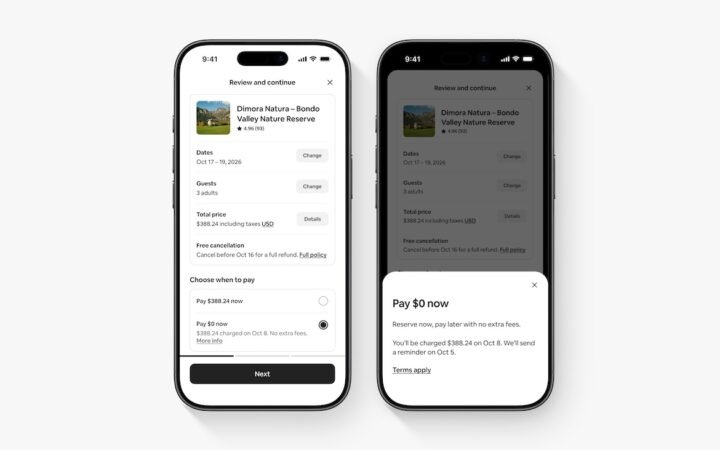
Hotels.com has launched ‘Save Your Way,’ a new loyalty option allowing travelers to choose between instant discounts or saving rewards for future trips.
By Yuliya Karotkaya
Published:
Hotels.com introduces a new loyalty option offering travelers more flexibility in how they use rewards. Photo: appshunter.io / Unsplash
Hotels.com is rolling out a new feature for its loyalty members called “Save Your Way,” designed to bring more flexibility to how travelers redeem their rewards. The update reflects growing demand for customizable loyalty benefits in the hotel and travel booking sector, where travelers increasingly want to control how and when they use their points or discounts.
The new program allows members to decide whether they want to apply rewards instantly at the time of booking or save them to use later on bigger trips. It’s a shift away from rigid loyalty structures and signals Hotels.com’s focus on meeting evolving traveler expectations.
More Flexibility for Frequent Travelers
For many travelers, loyalty programs can feel restrictive, locking them into complicated systems of blackout dates, tier levels, and specific redemption rules. With “Save Your Way,” Hotels.com is offering something simpler and more flexible. Members can use rewards for immediate savings on their current booking, a feature that appeals to those looking for instant value, particularly on shorter stays or last-minute trips.
Alternatively, travelers can hold onto their rewards and apply them toward future travel. This is especially appealing to those planning larger trips where the cumulative savings could make a meaningful difference. By giving users the power of choice, Hotels.com is positioning itself as a traveler-first platform, making it easier for customers to maximize the value of their loyalty benefits.
Industry experts note that flexibility has become one of the most important features in loyalty programs today. As more travelers prioritize personalized experiences, they expect loyalty programs to adapt accordingly. Hotels.com’s new approach is not only a competitive move but also a way to stand out in a crowded hotel booking market.
A Competitive Edge in the Loyalty Market
The launch of “Save Your Way” comes at a time when loyalty programs across the travel industry are undergoing rapid transformation. Competitors are experimenting with dynamic pricing of rewards, partnerships across different travel sectors, and more personalized offers. Hotels.com’s move is designed to ensure it stays relevant to modern travelers who want control and transparency in how they redeem their points.
This shift could also have a ripple effect across the industry. As one of the major online travel platforms, Hotels.com often sets trends that others follow. If the “Save Your Way” program proves popular, rival platforms may be encouraged to revisit their own loyalty structures to keep up.
For Hotels.com, the strategy is also about building stronger connections with customers. By giving members more freedom to choose how to use their rewards, the brand aims to deepen loyalty and encourage repeat bookings.
In the end, “Save Your Way” is a reminder that loyalty today isn’t just about points – it’s about empowering travelers to design their own experience. For anyone booking hotels in the UK, Europe, or beyond, the new option promises more control, more savings, and ultimately, a more rewarding way to travel.
Riyadh Air is set to operate its first flight to London this October, a trial run ahead of its full commercial launch in 2026.
By Yuliya Karotkaya
Published:
Updated:
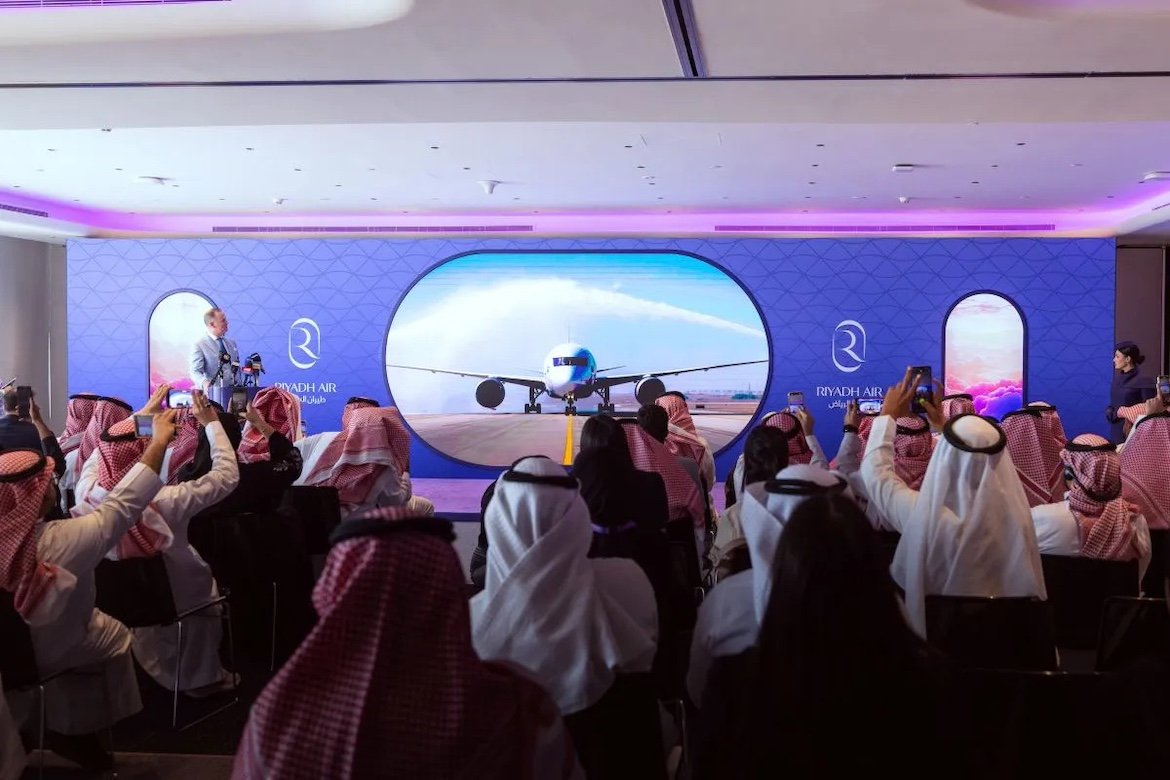
Riyadh Air gears up for its first-ever flight to London as part of its pre-launch strategy. Photo: Riyadh Air
Saudi Arabia’s new national carrier, Riyadh Air, is ready to take a significant step forward with its first-ever flight from Riyadh to London Heathrow on October 26. The flight will serve as a pre-launch milestone, designed to test operations and showcase the brand ahead of its official commercial debut in 2026.
The airline, backed by Saudi Arabia’s Public Investment Fund, has been generating buzz in the aviation world since it was announced as part of the Kingdom’s broader strategy to diversify its economy and strengthen tourism. The inaugural flight to London is invite-only, signaling both exclusivity and the airline’s ambition to present itself as a premium global carrier from day one.
A Strategic Route to London
Choosing London Heathrow for its debut is a deliberate decision. London remains one of the busiest and most competitive aviation markets, making it a prime stage for Riyadh Air to demonstrate its capabilities. With a major Saudi community in the UK and strong business and leisure travel links between the two countries, this trial flight will test demand while giving the airline valuable insights before it fully opens to the public.
Executives at Riyadh Air have stated that the inaugural journey is as much about brand introduction as it is about operations. The flight will allow the airline to refine its onboard service, test its passenger experience, and highlight the luxurious image it aims to project. The company is positioning itself as a carrier that blends innovation with world-class hospitality, hoping to stand out in a highly competitive global market.
Building Toward 2026 and Beyond
Riyadh Air’s official commercial operations are scheduled to launch in 2026, with plans for an extensive network connecting Saudi Arabia to key destinations across Europe, Asia, Africa, and North America. The airline is part of Saudi Arabia’s ambitious Vision 2030 program, which seeks to transform the Kingdom into a leading tourism and transport hub.
The fleet is expected to include state-of-the-art aircraft with a focus on sustainability and passenger comfort. Riyadh Air aims to offer a premium experience across all classes, from high-tech in-flight entertainment systems to a service model designed to rival some of the world’s most established carriers.
The trial flight to London marks the start of what the airline hopes will be a new chapter in Middle Eastern aviation, strengthening Saudi Arabia’s role on the global travel map. By entering the market with a bold statement, Riyadh Air is signaling that it intends not only to compete with regional giants but to set new standards in the industry.
As the countdown to October 26 begins, all eyes are on Riyadh Air to see how this first step shapes its trajectory toward becoming one of the next big names in global aviation.
Disney has announced higher ticket prices for both Walt Disney World and Disneyland, sparking debate among travelers about affordability and value.
By Yuliya Karotkaya
Published:
Updated:
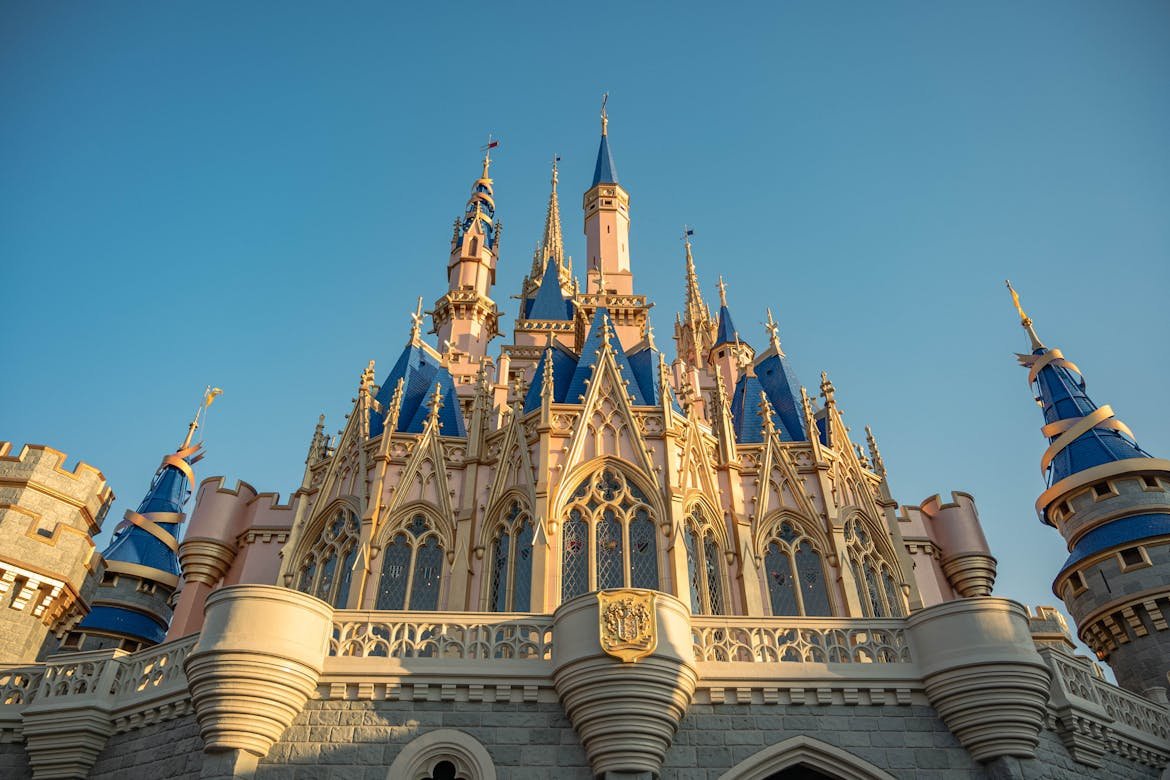
Ticket prices rise at Walt Disney World and Disneyland, reshaping the cost of a family vacation. Photo: David Guerrero / Pexels
Disney has announced a new round of ticket price increases across its two most famous U.S. parks, Walt Disney World in Florida and Disneyland in California. The move, while not unprecedented, is once again sparking conversations about affordability, value, and the balance between exclusivity and accessibility at the world’s most popular theme parks.
The company revealed that both single-day and multi-day passes will see higher costs starting later this year. This adjustment comes amid strong demand for Disney’s theme parks, with record attendance levels reported across major holiday periods. For many families, however, the rising cost raises the question of whether a Disney vacation is becoming more of a luxury than a tradition.
Impact on Families and Travelers
For families planning trips, particularly to Walt Disney World in Orlando and Disneyland in Anaheim, the increased ticket prices add significant expense to an already costly vacation. Between park passes, on-site hotel stays, dining, and merchandise, the total budget for a Disney trip often stretches into the thousands of dollars.
Many park-goers say they understand rising costs, especially as Disney invests in new attractions, park expansions, and immersive experiences. Still, for others, the increases feel like yet another barrier to access, with long-time fans questioning whether Disney’s magic is being priced out of reach.
Analysts point out that Disney’s strategy relies heavily on maintaining a balance: higher prices help manage crowds and fund new projects, but the company risks alienating core visitors if the parks become perceived as unaffordable. That balance is especially important as Disney competes with other global entertainment brands for travelers’ attention and spending power.
Disney’s Strategy Going Forward
While ticket prices climb, Disney continues to emphasize the value of its experiences. Both Disneyland and Walt Disney World have recently introduced new rides and immersive worlds, including expansions tied to popular franchises like Star Wars and Marvel. These attractions remain major draws and help justify higher entry fees in the eyes of many guests.
The company has also been investing in technology-driven tools such as Genie+ and Lightning Lane, which allow guests to optimize their time in the parks for an additional fee. Combined with premium dining experiences and exclusive events, Disney’s approach appears to be leaning more toward a tiered pricing model that maximizes revenue while offering different levels of experience.
For now, travelers must weigh the increased costs against the once-in-a-lifetime memories that Disney parks continue to promise. While the price hikes may limit accessibility for some families, Disney’s reputation for world-class entertainment and storytelling ensures that demand will remain strong.
As the holiday season approaches, both Orlando and Anaheim are expected to welcome millions of visitors despite the price changes, proving that the allure of Disney magic still outweighs its growing costs.
Internova Travel Group has introduced a new AI Center of Excellence to centralize innovation, streamline travel services, and strengthen agent support.
By Yuliya Karotkaya
Published:
Updated:
Internova Travel Group strengthens its focus on innovation with a new AI Center of Excellence. Photo: Tara Winstead / Pexels
Internova Travel Group has announced the creation of its new AI Center of Excellence, a dedicated hub that will lead the company’s efforts in harnessing artificial intelligence across its global network. The move signals Internova’s commitment to pushing innovation forward, ensuring that travel agents and their customers benefit from the latest technological advancements in the industry.
The travel sector is increasingly shaped by digital transformation, and Internova sees AI as a key driver of future growth. By centralizing its AI development, the company intends to accelerate the design and deployment of new tools, streamline operations, and provide clients with more personalized travel solutions.
Improving Services for Travelers and Agents
One of the main goals of the AI Center of Excellence is to improve efficiency in how agents interact with clients. AI-powered tools can help manage bookings faster, anticipate traveler needs, and even resolve disruptions more quickly. For customers, this could mean smoother itineraries, real-time updates, and better recommendations tailored to their preferences.
Internova also emphasizes that the center will focus on supporting travel advisors, not replacing them. The company believes that AI should enhance the human touch in travel planning rather than eliminate it. This approach reflects a broader trend across the travel industry: while automation is valuable, many travelers still want the guidance and reassurance that only an experienced advisor can provide.
For agents, AI could take over repetitive tasks, allowing them to spend more time building stronger client relationships. Whether it’s suggesting destination options, monitoring flight changes, or creating personalized packages, the tools being developed are designed to give agents a competitive edge in an increasingly digital market.
A Step Toward Industry Leadership
Internova’s decision to launch the AI Center of Excellence also positions the company as a leader in travel technology adoption. Many competitors are experimenting with AI, but centralizing these efforts under a dedicated hub demonstrates a long-term strategic commitment.
Industry experts see this as a timely move, as travel companies worldwide are racing to adapt to a market where speed, personalization, and resilience are essential. By investing in AI now, Internova aims to set a new benchmark in how technology can be applied responsibly and effectively in travel services.
As the Center develops, more details are expected on specific AI projects and how they will directly impact both agents and travelers. For now, the initiative highlights the company’s recognition that the future of travel lies in combining advanced technology with human expertise.
With this launch, Internova is not just adapting to change – it is actively shaping the way the next era of travel will be delivered.
Carnival Cruise Line has opened bookings for its 2027–2028 sailings, featuring an exclusive solar eclipse voyage and a wide range of new itineraries across the Caribbean, Alaska, and beyond.
By Yuliya Karotkaya
Published:
Updated:
Carnival Cruise Line unveils new 2027-2028 itineraries, including a rare solar eclipse voyage. Photo: Carnival Cruise Line
Carnival Cruise Line has opened bookings for 2027–2028 with a tighter, destination-forward lineup led by an 11-day Carnival Journeys sailing that times a day at sea for the total solar eclipse on August 2, 2027.
The eclipse cruise departs Dover on July 29 and strings together high-interest European calls: Guernsey in the Channel Islands (UK), Lisbon and Leixões (Porto) in Portugal, La Coruña in Spain, Le Havre for Paris in France, and Zeebrugge for Bruges in Belgium. It’s a compact route portfolio that gives guests multiple countries in less than two weeks with a headline celestial moment built in.
Ahead of summer in Europe, Carnival Miracle schedules spring departures from a U.S. Gulf homeport with short hops and longer combination routes designed for easy linking to countries travelers search for most. Four-day getaways target Cozumel, Mexico, while 10-day Eastern Caribbean programs add Celebration Key and Half Moon Cay in The Bahamas, plus Grand Turk in Turks and Caicos and Amber Cove in the Dominican Republic. The Western Caribbean set rotates through Montego Bay, Jamaica, Grand Cayman in the Cayman Islands, Belize, Cozumel, and Roatán, Honduras.
A dedicated 10-day Panama Canal itinerary brings a different mix, calling at Limón, Costa Rica, Colón (Panama), Roatán, and Cozumel – a practical option for guests focused on transit bragging rights without a lengthy repositioning. For those eyeing a Europe season, Miracle also plots a spring transatlantic to Lisbon with ocean-crossing stops that typically include Bermuda and Portuguese Atlantic islands, positioning the ship for its British-based program.
Florida staples stay in the picture with quick four- to six-day escapes that continue to hit Nassau and Cozumel, keeping price-friendly options open for families who want straightforward beach calls and simple airfare. Together, the schedule reads like a country checklist: UK, Portugal, Spain, France, Belgium, Mexico, The Bahamas, Turks and Caicos, Dominican Republic, Jamaica, Cayman Islands, Belize, Honduras, Costa Rica, Panama, and Bermuda – all covered by a compact set of routes that are easy to scan and book.
The U.S. travel economy has already lost more than $1 billion due to the ongoing government shutdown, with widespread disruptions to tourism, air travel, and national parks.
By Yuliya Karotkaya
Published:
Updated:
The U.S. Capitol in Washington, D.C., amid ongoing discussions affecting the nation’s travel and economic sectors. Photo: Optical Chemist / Pexels
The U.S. travel industry is reeling as the ongoing government shutdown continues to strain the economy, with losses surpassing $1 billion and rising daily. According to the U.S. Travel Association, the prolonged halt in federal operations has disrupted everything from airport security staffing to the management of national parks, directly hitting both domestic and international tourism.
Business travel has been one of the hardest-hit sectors, as uncertainty around federal operations affects conferences, meetings, and corporate travel plans. Many travelers are postponing or canceling trips altogether due to fears of flight delays, reduced air traffic control capacity, and limited federal support services. Leisure travel has also taken a major blow, with popular attractions, monuments, and visitor centers remaining closed or only partially operational.
The ripple effect extends far beyond travelers. Hotels, restaurants, and local businesses that depend on steady tourist activity are seeing sharp declines in revenue. Industry analysts warn that if the shutdown persists, the damage could compound rapidly, especially as the fall travel season approaches its peak. U.S. Travel Association President and CEO Geoff Freeman emphasized that each passing day without resolution drains millions from the economy and erodes confidence in the country’s reliability as a global destination.
Recently, we reported on how the government shutdown threatens to disrupt flights, parks, and the broader tourism sector – and these concerns have now become a harsh reality. Air traffic control centers are operating under immense pressure, with limited staffing and growing fatigue among essential workers.
Travelers are experiencing longer wait times, unexpected delays, and reduced customer service at major airports. National parks, a key draw for both domestic and foreign tourists, are operating with minimal personnel, leading to closures, safety issues, and environmental concerns.
Beyond the travel industry itself, economists warn that the impact of these losses may extend to other sectors, affecting employment and state-level tax revenues. Destinations that rely heavily on federal operations – such as Washington D.C., national park regions, and cities dependent on conference travel – are seeing the steepest declines. Meanwhile, airlines and hospitality companies are attempting to reassure passengers with flexible booking policies, though many travelers remain hesitant to plan new trips until the shutdown ends.
The longer the stalemate continues, the greater the risk that the economic fallout will outlast the shutdown itself. The $1 billion mark may only be the beginning of a much larger financial setback for one of America’s most vital industries. For now, the travel community is left waiting for resolution, hoping federal leaders act quickly to restore stability to an already fragile recovery.
Disney has revealed its most advanced audio-animatronics yet, promising to bring characters like Elsa, Clawhauser, and the Muppets to life with unprecedented realism.
By Yuliya Karotkaya
Published:
Updated:
Disney introduces its next-generation audio-animatronics to enhance theme park experiences, featuring lifelike characters and immersive storytelling innovations. Photo: Disney
Disney has once again set a new benchmark for immersive entertainment with the unveiling of its next-generation audio-animatronics. Designed to bring beloved characters to life with extraordinary realism and emotional depth, these innovations mark a major leap forward in theme park storytelling.
The announcement showcases Disney’s ongoing commitment to blending cutting-edge technology with creativity, giving guests experiences that feel more alive than ever before.
The new figures are being introduced across several Disney parks worldwide, starting with attractions featuring Frozen, Zootopia, and The Muppets. Characters like Elsa, Clawhauser, and Kermit are expected to appear with enhanced facial expressions, fluid movement, and synchronized voice performance, all powered by refined robotics and AI-driven systems.
Disney engineers describe these new animatronics as the most advanced in the company’s history, capable of subtle gestures, natural blinking, and even realistic breathing patterns.
A New Era of Immersive Storytelling
At the heart of this innovation is Disney’s desire to deepen the emotional connection between guests and stories. Imagineers have focused on making characters respond in ways that feel spontaneous – whether it’s Elsa smiling warmly during a song or Clawhauser reacting with humor and charm. These details allow visitors to feel like they’re truly part of the narrative rather than simply observing it.
The debut lineup includes updates to Frozen Ever After, Rock ‘n’ Roller Coaster Starring The Muppets, and Zootopia: Hot Pursuit, each showcasing the next wave of interactive experiences.
For example, Elsa’s new figure in the Frozen ride features more intricate motion, synchronized LED lighting, and a flexible silicone face that captures emotion like never before. Meanwhile, the Muppets attraction promises dynamic humor through responsive character movements and audio coordination that mimics live performance.
Disney Imagineers note that the development of these animatronics represents years of collaboration between robotics engineers, artists, and storytellers. Using machine learning and refined materials, they’ve created figures that not only move naturally but also maintain durability for daily use in high-traffic parks. This blend of art and engineering continues Walt Disney’s original vision of innovation-driven magic.
For Disney fans, this technological leap isn’t just about spectacle – it’s about evolution. The company’s long legacy with animatronics, dating back to the 1960s, has shaped the very concept of modern theme parks. With these new figures, Disney aims to extend that legacy for the next generation, ensuring every visit feels new, inspiring, and unforgettable.
As Disney continues expanding and updating attractions in Orlando, California, and beyond, the latest audio-animatronics symbolize a new standard in immersive entertainment – one where technology and imagination truly come to life.
The U.S. government shutdown has left air traffic control understaffed, triggering widespread delays and uncertainty for travelers across the country.
By Yuliya Karotkaya
Published:
Updated:
Flight delays mount as U.S. air traffic control struggles with staffing shortages during the government shutdown. Photo: Afif Ramdhasuma / Unsplash
The ongoing U.S. government shutdown has entered its second week, and one of its most immediate effects is being felt in the skies. Air traffic control staffing has become stretched to the breaking point, with many controllers working without pay or under mandatory overtime. The result has been mounting flight delays across major airports, leaving travelers frustrated and raising concerns about safety and efficiency in the air travel system.
Industry observers note that while government shutdowns have previously created disruptions, the situation in 2025 is particularly acute. Air traffic control is already an area facing long-term staffing shortages, and the absence of funding and training during this shutdown has only magnified the problem.
Impact on Travelers and Airlines
Airports from New York to Los Angeles have reported delays lasting hours, with ripple effects felt across connecting flights nationwide. Some airlines have been forced to cancel services outright due to insufficient air traffic management capacity.
Passengers caught in the disruption are experiencing extended layovers, missed connections, and, in many cases, additional costs for rebooking. For airlines, the financial impact of grounded planes and disrupted schedules is significant. Analysts suggest that if the shutdown continues, the losses could run into the hundreds of millions of dollars, straining an industry that has already faced turbulent years of recovery.
The Federal Aviation Administration (FAA) is attempting to keep essential services operational, but its ability to train new staff or maintain long-term projects has been halted. This not only affects current travel but also sets back efforts to modernize air traffic control, creating concerns about how quickly the system can recover once the shutdown ends.
A Strain on Tourism and the Wider Economy
The travel sector is particularly vulnerable to prolonged political deadlock. Fewer reliable flight options mean that both domestic and international visitors face uncertainty in their plans. This could discourage tourism at a time when many U.S. destinations rely on strong fall and holiday travel seasons.
Industry groups are urging swift resolution, warning that the damage to consumer confidence could outlast the shutdown itself. With millions of Americans traveling for work, leisure, or family reasons each week, the consequences ripple far beyond airports into the broader economy. Hotels, restaurants, and attractions also feel the downturn when travelers are unable to reach their destinations on time.
We have already highlighted these risks in our earlier coverage of how the U.S. shutdown threatens flights, national parks, and tourism as a whole. The current crisis in air traffic control is a direct extension of those warnings, showing how interconnected the travel ecosystem is with government operations.
Long-Term Concerns
If the shutdown persists, experts predict even more severe impacts. Training programs for new air traffic controllers remain frozen, worsening the staffing pipeline for years to come. Pilots and airline unions have raised safety concerns, arguing that overworked controllers may not be able to manage the demands of peak traffic.
For now, travelers are advised to monitor flight status carefully, build in extra time for delays, and remain flexible in their itineraries. While airlines are doing their best to adjust, much depends on political negotiations in Washington.
The shutdown has made one fact abundantly clear: reliable air travel requires stable government support. Without it, the entire U.S. travel system – from airports to tourism businesses – becomes vulnerable to the turbulence of political gridlock.
Starting March 2026, Kyoto will implement Japan’s highest-ever hotel tax to combat overtourism and protect the city’s cultural heritage.
By Yuliya Karotkaya
Published:
Updated:
Kyoto plans to introduce Japan’s highest-ever hotel tax as part of efforts to tackle overtourism. Photo: Matt Cramblett / Unsplash
Kyoto, one of Japan’s most visited cities, is taking bold measures to address the growing strain of overtourism. Starting in March 2026, the city will implement the highest hotel tax ever introduced in the country. Officials hope the move will help balance the economic benefits of tourism with the need to protect cultural landmarks and ease the pressure on local residents.
Overtourism has been a pressing issue in Kyoto for years. With millions of visitors drawn annually to its temples, shrines, and historic streets, the city has faced rising complaints about congestion, overcrowding on public transport, and disruptions to daily life for residents. The new tax aims to regulate visitor flow while generating revenue for infrastructure and preservation projects.
Details of the New Hotel Tax
The updated tax will apply to both domestic and international travelers staying overnight in Kyoto. While Japan has previously introduced modest lodging taxes in several regions, the rate in Kyoto will surpass all others, signaling how seriously the city views its overtourism challenge.
Revenue from the tax is expected to fund initiatives such as improved waste management in crowded districts, better maintenance of heritage sites, and the development of sustainable tourism programs. Officials also suggest it could support public education campaigns that encourage more respectful visitor behavior.
While the tax will increase the cost of accommodation, authorities argue that the modest price hike is unlikely to deter genuine travelers. Instead, the measure is designed to filter out mass short-stay tourism that contributes heavily to congestion without providing significant economic value.
A Model for Sustainable Tourism in Japan
Kyoto’s decision comes at a time when many destinations worldwide are grappling with the consequences of overtourism. From Venice to Barcelona, cities have experimented with entry fees, tourist caps, and stricter rental regulations to regain control over visitor numbers. Kyoto’s approach positions it as a leader in Asia’s sustainable tourism movement.
The initiative is also being closely watched by other Japanese cities, which face their own visitor management issues. Tokyo, Osaka, and Hokkaido have all seen rapid increases in international arrivals, raising questions about whether similar measures may be adopted nationwide.
Local residents have expressed cautious optimism, hoping the tax will reduce overcrowding and preserve the quality of life in neighborhoods often overwhelmed by visitors. At the same time, business owners are balancing concerns about higher costs with recognition that long-term sustainability is essential for Kyoto’s global appeal.
For travelers, the change highlights the growing importance of responsible tourism. Visitors to Kyoto will be encouraged not only to pay the tax but also to engage more thoughtfully with the city – by exploring lesser-known districts, respecting local customs, and traveling outside peak hours.
By implementing Japan’s highest-ever hotel tax, Kyoto is sending a clear message: the city is determined to protect its cultural heritage while ensuring tourism remains an asset, not a burden. If successful, the initiative could inspire similar action across Japan and beyond.
Los Cabos has unveiled its ‘Where the Land Ends, Your Story Begins’ campaign, inviting travelers to experience the region’s natural beauty, culture, and wellness in new transformative ways.
By Yuliya Karotkaya
Published:
Updated:
Los Cabos promotes transformative travel through its new 'Where the Land Ends' campaign. Photo: Salvador Ortegarrieta / Pexels
Los Cabos, one of the most iconic destinations in Mexico, has introduced a new campaign titled “Where the Land Ends, Your Story Begins.” The initiative is designed to position the destination not just as a beach getaway, but as a place where travelers can embark on transformative journeys that blend adventure, wellness, and cultural exploration.
The campaign emphasizes Los Cabos as more than a picturesque setting. It encourages visitors to see the destination as a canvas for personal stories – whether that means exploring the dramatic landscapes where the desert meets the sea, discovering rich culinary traditions, or finding tranquility in a world-class wellness retreat.
Nature, Wellness, and Cultural Connection
At the heart of the campaign is the idea that travel should be immersive and personal. Los Cabos, with its striking geography at the tip of the Baja California Peninsula, offers the perfect setting for this. From whale watching in the Pacific to hiking through rugged desert trails, the natural environment provides endless opportunities for connection and renewal.
The wellness aspect of the campaign highlights the region’s luxury resorts and spas, many of which integrate local healing traditions and natural ingredients into their treatments. For travelers seeking balance and rejuvenation, Los Cabos is presented as a sanctuary where relaxation and mindfulness are as important as exploration.
Cultural experiences also play a central role. Visitors are encouraged to engage with the local heritage through art galleries, traditional music, and culinary tours. Tasting Baja’s fresh seafood, enjoying farm-to-table dining in organic restaurants, or learning about regional wines allows travelers to immerse themselves in the flavors of Los Cabos while supporting local communities.
Transformative Travel as the Focus
The campaign reflects a broader trend in global tourism: the move toward transformative travel. Rather than focusing solely on sightseeing, destinations are increasingly inviting travelers to connect more deeply with the places they visit. For Los Cabos, this means promoting meaningful experiences that stay with visitors long after they return home.
Adventure travelers can find their story while diving among vibrant reefs or kayaking along dramatic coastlines. Those drawn to creativity may discover inspiration in San José del Cabo’s art district. Families may create lifelong memories together during excursions that blend nature, culture, and fun. The campaign suggests that no matter who you are, Los Cabos offers the chance to write a personal chapter filled with discovery.
This messaging also strengthens Los Cabos’ reputation as a versatile destination. By showcasing its diversity, the region appeals to luxury travelers, adventure seekers, wellness enthusiasts, and culture lovers alike. It positions itself not just as a vacation spot, but as a place that transforms the way people see the world and themselves.
A Destination with Many Stories
Ultimately, the “Where the Land Ends, Your Story Begins” campaign serves as both an invitation and a promise. It invites travelers to step beyond the traditional sun-and-sand image of Los Cabos and promises experiences that resonate on a deeper, more personal level.
As global travelers increasingly seek meaning in their journeys, Los Cabos is aligning itself with this shift – embracing its landscapes, culture, and people to ensure that every visitor leaves with a story worth telling.
Nobu Hospitality has debuted its first Italian property with Nobu Hotel Roma, blending Japanese minimalism with timeless Roman elegance.
By Yuliya Karotkaya
Published:
Updated:
Nobu Hotel Roma introduces a fusion of Japanese minimalism and Roman style in the heart of Italy’s capital. Photo: Nobu
Nobu Hospitality has officially opened its first hotel in Italy, bringing its unique blend of Japanese design and global luxury to the historic center of Rome. Nobu Hotel Roma marks an important milestone for the brand, known worldwide for combining high-end hospitality with world-class dining.
Located in a former grand bank building on the iconic Via Veneto, the property seamlessly merges Roman architectural heritage with Nobu’s signature minimalist aesthetic. The result is a refined yet inviting space that reflects both the city’s timeless beauty and the brand’s modern vision. Guests will be able to experience Rome through a new lens, one that balances tradition and innovation.
With 116 rooms and suites, the hotel also offers a rooftop terrace with sweeping views of the Eternal City. A wellness center, spa facilities, and a state-of-the-art fitness studio make it a destination not just for travelers but also for locals seeking a luxurious escape within Rome.
The Culinary Heart: Nobu Restaurant
As with all Nobu properties, the culinary experience is at the center of Nobu Hotel Roma. The new restaurant is expected to become a highlight of the city’s dining scene, offering Chef Nobu Matsuhisa’s world-renowned fusion of Japanese cuisine with Peruvian influences. Signature dishes like black cod miso and yellowtail jalapeño will be served alongside new creations tailored to Roman tastes.
The restaurant’s design reflects Nobu’s signature atmosphere – stylish, contemporary, and vibrant. With its spacious dining room and elegant bar, it is set to become a hotspot for both international visitors and Rome’s cosmopolitan residents. Guests can also enjoy private dining areas and exclusive menus, making the venue ideal for special events.
The addition of Nobu’s restaurant further enriches Rome’s already diverse culinary scene, positioning the hotel as more than just an accommodation – it is an experience in itself.
Blending Cultures in the Eternal City
The opening of Nobu Hotel Roma is a testament to the growing demand for lifestyle-oriented luxury in Italy. By combining Japanese simplicity with Roman grandeur, the property captures the essence of two rich cultural traditions. Its location on Via Veneto, a street long associated with glamour and history, enhances its appeal to both leisure and business travelers.
For Nobu Hospitality, the Rome project also represents a strategic expansion in Europe. With hotels already in cities like London, Barcelona, and Marbella, the move into Italy deepens the brand’s European footprint and reinforces its reputation as a leader in lifestyle luxury.
For Rome, the arrival of Nobu brings a new dimension to its hospitality sector. While the city is renowned for its classical hotels steeped in tradition, Nobu Hotel Roma offers something different: a cosmopolitan space that merges international sophistication with local authenticity.
With this launch, Nobu Hospitality continues to redefine what modern travelers expect – seamlessly blending fine dining, design, and comfort into a single memorable experience.
Tenerife has introduced a new eco-tax as record-breaking tourism numbers put growing pressure on the Canary Islands’ environment and local communities.
By Yuliya Karotkaya
Published:
Updated:
Mount Teide stands as a symbol of Tenerife, now at the center of new tourism management efforts. Photo: ANA TINCA / Pexels
Tenerife, the most visited of Spain’s Canary Islands, has announced the introduction of a new eco-tax as the region confronts record-breaking levels of tourism and rising concerns about overtourism. The measure reflects growing unease about the environmental and social pressures caused by millions of visitors who flock to Spain’s islands each year for their beaches, mild climate, and natural beauty.
Officials stress that the eco-tax will not discourage travel but instead ensure that tourism revenue helps protect the resources that draw visitors in the first place. The funds are expected to go toward maintaining infrastructure, supporting local communities, and preserving fragile ecosystems across Tenerife and the wider Canary archipelago.
Record Numbers Prompt Policy Changes
Tourism is the backbone of the Canary Islands’ economy, and 2025 has brought unprecedented visitor figures. Hotels, holiday rentals, and local services are reporting full capacity, with international arrivals surging from both European and long-haul markets. While this has created a boost for businesses, it has also heightened pressure on housing, transport, and public services.
The new eco-tax will be applied to overnight stays, with rates depending on the type of accommodation. Authorities believe this will generate significant revenue that can be reinvested in the community, from funding environmental projects to improving local infrastructure strained by the tourist influx. The move mirrors similar policies adopted in Barcelona, Mallorca, and Venice, all of which have introduced tourism-related fees to offset the effects of mass travel.
Balancing Travel Demand and Local Concerns
Residents of Tenerife have voiced increasing frustration over the strain that heavy tourism places on daily life. Rising property prices, congestion, and environmental degradation have become key issues, leading to calls for a more sustainable approach to tourism management.
The eco-tax is seen as a step toward finding balance – ensuring visitors continue to enjoy Tenerife while also addressing the concerns of those who live there year-round. For travelers, the additional fee will be relatively small compared to overall trip costs, but for locals, it could bring meaningful improvements to quality of life and protection of natural landscapes.
This policy also ties into broader conversations happening across Spain. Earlier, we noted how Spain’s shoulder season prices in 2025 are no longer as affordable as they once were, reflecting growing demand that stretches beyond the traditional summer months. Tenerife’s eco-tax complements this trend, showing how popular destinations are reassessing their strategies to manage year-round tourism more responsibly.
What This Means for Future Travel
For visitors planning trips to Tenerife and the Canary Islands, the eco-tax is unlikely to change travel patterns significantly. The islands remain one of Europe’s most appealing destinations, thanks to their mix of sun, culture, and nature. However, travelers may notice a stronger emphasis on sustainability initiatives, from conservation programs to stricter rules around rentals and infrastructure use.
Industry experts suggest this could set an example for other regions facing similar challenges. As global tourism continues to grow, more destinations may adopt eco-taxes or visitor levies to strike a balance between economic benefit and the preservation of local heritage and natural resources.
In Tenerife, the message is clear: tourism is welcome, but it must also contribute to the long-term well-being of the island and its people. The eco-tax is not just about raising money – it is about reshaping how visitors and residents coexist in one of Spain’s most iconic destinations.
Air Canada will introduce free beer, wine, and snacks in economy cabins starting this fall, aiming to elevate passenger experience on select routes.
By Yuliya Karotkaya
Published:
Updated:
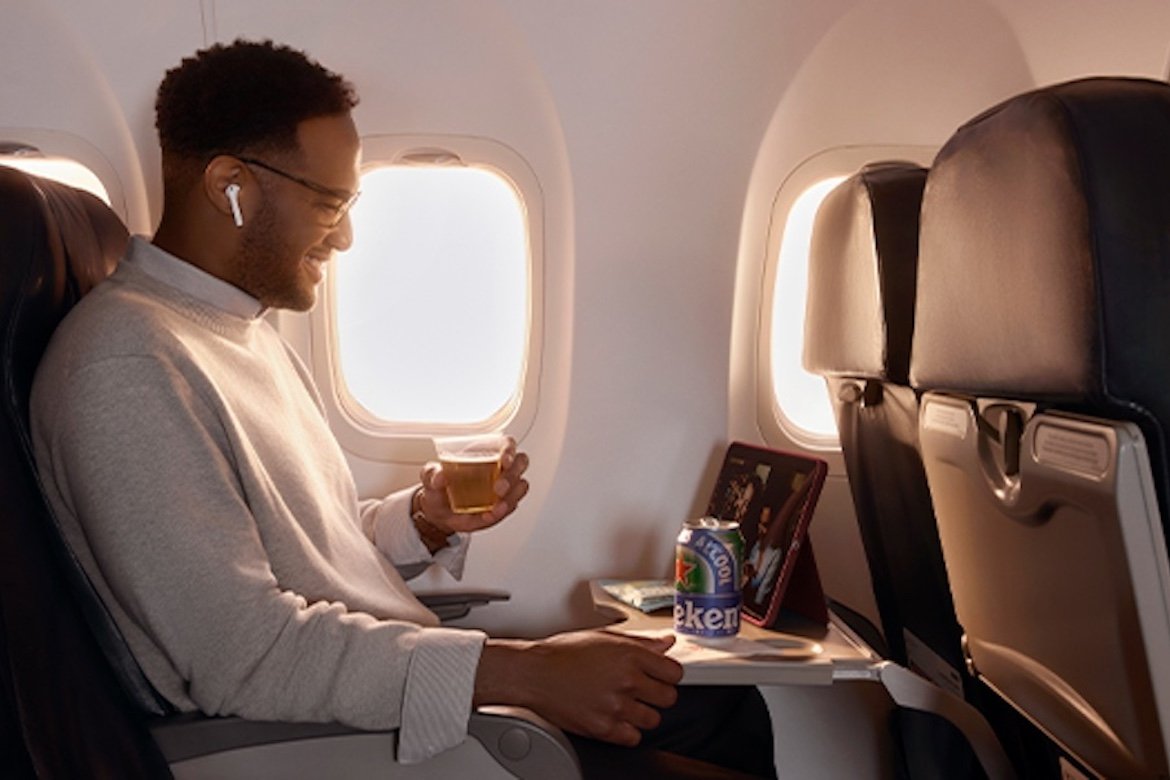
Air Canada refreshes its economy service with complimentary drinks and snacks. Photo: Air Canada
Air Canada is making a bold move to redefine the economy class experience. Starting this fall, passengers on select flights will be treated to complimentary beer, wine, and snacks. The airline has announced that this enhancement is part of a broader effort to improve comfort and differentiate its service in an increasingly competitive market.
This new offering will be available across several North American and international routes, signaling a return to more generous in-flight hospitality. While complimentary alcohol was once standard in many cabins, most carriers have cut back over the years. Air Canada’s decision to reintroduce it for economy passengers reflects an attempt to combine affordability with a touch of premium service.
The initiative arrives at a time when travelers are demanding better value for money amid rising ticket costs. By providing free drinks and snacks, Air Canada is positioning itself as a carrier that still values the passenger experience, even for those not seated in premium cabins.
Balancing Comfort and Challenges
While the idea of free beer and wine is likely to be popular among travelers, the airline also faces challenges in implementation. Providing alcohol at no extra charge can increase consumption, raising concerns about passenger behavior during long-haul flights. Flight attendants may see an uptick in workload as they manage both service and safety responsibilities.
However, the airline stresses that the move is about balance. The goal is to create a more enjoyable in-flight environment without compromising safety or efficiency. Offering quality beer and wine selections along with upgraded snack options also gives Air Canada an opportunity to highlight products closely tied to Canada, reinforcing its role as the nation’s flagship airline.
Travel analysts suggest that this step could give Air Canada a competitive edge over rivals in the region, particularly as U.S. carriers continue to charge for similar perks in economy cabins. With competition tight across the transatlantic and North American markets, seemingly small details like complimentary drinks can influence traveler loyalty.
A Shift in Economy Class Standards
Air Canada’s strategy reflects a growing trend among airlines to rethink what economy class can offer. With passenger expectations evolving, many carriers are reconsidering ways to add value without significantly raising fares. Complimentary services, even modest ones, create goodwill and encourage repeat bookings.
For Air Canada, this change also ties into broader brand positioning. As the airline expands its international network and seeks to maintain dominance at home, the ability to represent Canada on the global stage through elevated service becomes more important than ever.
Passengers on routes launching later this year will be among the first to experience the updated service. If the rollout proves successful, industry observers expect other carriers to follow suit, potentially sparking a new wave of competition focused on passenger comfort in economy cabins.
In the end, Air Canada’s decision is more than just about free beer and snacks – it is about redefining what economy travel can feel like while proudly flying the flag of Canada in the skies.
Numa Group has introduced Native by Numa, a new premium brand offering high-touch lifestyle hospitality experiences across major European cities.
By Yuliya Karotkaya
Published:
Updated:
Native by Numa introduces a new standard of premium lifestyle hospitality in Europe. Photo: Numa Group
Numa Group, known for reshaping digital hospitality in Europe, has announced the launch of its new premium brand, “Native by Numa.” This brand is designed to meet the growing demand for high-touch, lifestyle-focused stays in Europe’s most dynamic cities, blending the convenience of technology with elevated guest services.
Native by Numa is positioned as a new tier within Numa’s portfolio, offering more personalized hospitality for travelers seeking both comfort and connection. While Numa’s existing model emphasizes digital-first stays with stylish design and seamless booking, Native aims to add an extra layer of curated services and experiences that appeal to modern urban travelers.
A Premium Approach to Urban Hospitality
With Native by Numa, the company plans to set a new benchmark in city lodging. The brand will target locations in major European capitals and cultural hubs, creating properties that combine contemporary design, premium amenities, and personalized touches. Guests can expect curated interiors, enhanced service, and locally inspired experiences that reflect the neighborhoods they stay in.
Unlike traditional hotels, Native by Numa properties will continue Numa’s philosophy of blending digital convenience with hospitality innovation. Guests will still enjoy mobile check-in, keyless entry, and app-based concierge services. However, the Native brand will expand this with offerings such as dedicated guest relations teams, more premium furnishings, and select lifestyle perks designed to elevate the overall experience.
The idea is to provide the efficiency of a digital-first stay while ensuring that premium travelers do not miss out on human interaction and attention to detail. This combination responds directly to growing traveler expectations for personalization and authenticity in urban stays.
Expanding Across Europe’s Cities
Numa has already established itself as one of the fastest-growing digital hospitality companies in Europe, with operations in major cities like Berlin, Barcelona, Rome, and Vienna. The launch of Native by Numa signals the company’s intention to capture an even larger share of the premium travel market.
Europe’s hospitality sector is seeing a strong recovery and transformation, with travelers increasingly seeking design-driven accommodations that offer more than just a place to sleep. Native by Numa will position itself to meet this demand by offering properties in prime urban locations, giving travelers access to both cultural landmarks and vibrant neighborhoods.
By blending convenience, design, and premium touches, Numa aims to differentiate itself from both traditional hotels and short-term rentals. For travelers, the launch of Native by Numa represents more choice in the market – especially for those who want the efficiency of tech-enabled stays but also value elevated hospitality and connection to place.
The new brand highlights a broader trend in the industry: the rise of lifestyle-focused lodging that combines the best elements of hotels, serviced apartments, and boutique experiences. As Numa rolls out Native across Europe, it will likely become a key player in redefining what premium hospitality means in modern urban travel.
ChatGPT now allows users to connect directly with Booking.com and Expedia inside the app, making travel planning faster, easier, and more interactive.
By Yuliya Karotkaya
Published:
Updated:
ChatGPT now integrates Booking.com and Expedia, streamlining travel planning. Photo: Sanket Mishra / Pexels
OpenAI has taken another major step in shaping the future of digital travel planning by adding Booking.com and Expedia apps directly into ChatGPT. This new integration means travelers can now search for flights, hotels, and vacation packages in real time without leaving the app, blending the power of AI with two of the world’s most trusted travel platforms.
For anyone who has ever juggled multiple tabs, compared prices across sites, or struggled to find the best deal, this update is a game changer. By keeping the entire planning process inside ChatGPT, travelers get streamlined results, instant comparisons, and the ability to refine their choices through natural conversation.
A New Way to Plan Trips
With Booking.com and Expedia now available in ChatGPT, users can ask questions in plain language and receive curated travel options. Whether it’s a last-minute weekend getaway or a complex international itinerary, the app can now pull from extensive databases of flights, hotels, and experiences, presenting them in a clear, conversational format.
For example, a traveler could simply type: “Find me a boutique hotel in Barcelona under $200 a night for the first weekend in November,” and ChatGPT will return relevant results directly from Booking.com and Expedia. This eliminates the need to bounce between different websites or apps, making the process smoother and more efficient.
What This Means for Travelers
The integration reflects a growing trend where AI is reshaping how we book and experience travel. Instead of relying solely on traditional search engines or stand-alone booking sites, travelers now have an intelligent assistant that can both suggest options and explain them. Want to know if a flight has Wi-Fi or what reviews say about a hotel’s breakfast? ChatGPT can now bring up that detail instantly, supported by real-time data from the connected apps.
For frequent travelers, this could mean less time wasted and more confidence in booking decisions. It also opens the door for more personalized recommendations. Since ChatGPT can remember context within a conversation, it may be able to adapt to user preferences over time – suggesting boutique stays for design lovers, family-friendly resorts for parents, or eco-certified lodges for sustainability-conscious travelers.
Beyond convenience, the partnership signals how travel tech is evolving. Booking.com and Expedia are not just online agencies anymore; they are becoming embedded within digital ecosystems powered by AI. For travelers, that means more intuitive interactions and the potential for even better deals and loyalty perks in the future.
The move is part of OpenAI’s broader push to make ChatGPT more practical in everyday life. With Spotify and other major platforms also integrated, the app is quickly becoming a hub for multiple lifestyle needs. But for the travel sector in particular, this could redefine the booking journey – moving it from transactional clicks to conversational planning.
For now, one thing is clear: booking a trip has never been more seamless. With ChatGPT, Booking.com, and Expedia working together inside one app, the future of travel planning just became a lot more intelligent.
Join our list to receive latest Blockchain, Crypto & Fintech news:
WordPress database error: [Table 'u752143311_aXVuj.wp_coingecko_coins' doesn't exist]
SELECT coins.*, meta.post_id as post_id
FROM `wp_coingecko_coins` coins
INNER JOIN wp_postmeta meta ON (meta.meta_key = 'wpcf-coin-main-tag' AND meta.meta_value = coins.slug )
ORDER BY market_cap_usd
DESC LIMIT 9