
Global travel freedom in 2026 continues to be shaped by diplomacy, economic stability, and international trust, according to the latest edition of the Henley Passport Index. The annual ranking measures how many destinations passport holders can access without a visa, offering a clear snapshot of mobility privilege around the world.
Last year’s index already signaled a shift toward Asia’s growing dominance and a gradual erosion of mobility for some Western passports – trends that not only persist in 2026 but have become even more pronounced.
This year’s results reinforce those longer-term patterns, showing how sustained diplomatic engagement and visa liberalization can dramatically expand travel access, while geopolitical tension and policy uncertainty can quietly narrow it. Asian and European passports continue to dominate the top tier, while traditional powerhouses face subtle but meaningful declines in their global reach.
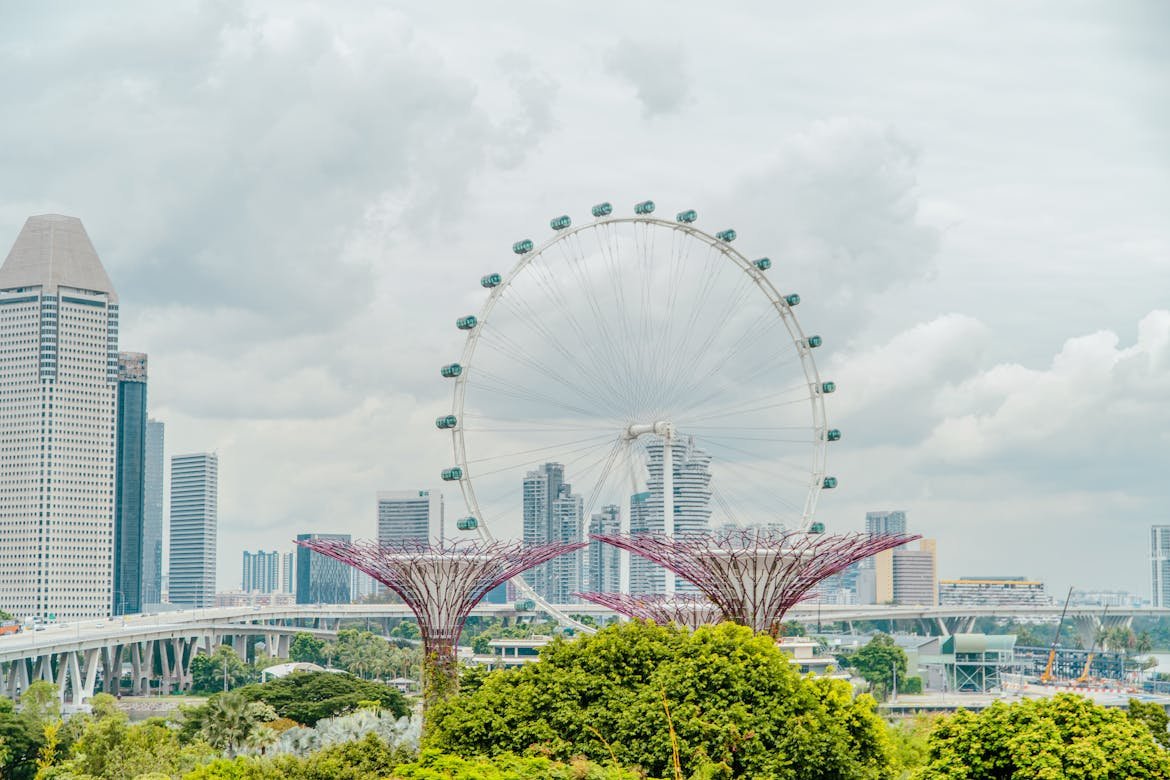
At the very top of the ranking is Singapore, whose passport provides visa-free access to 192 destinations. Its continued lead reflects long-standing diplomatic engagement and strong bilateral relationships. Close behind are Japan and South Korea, tied for second place with access to 188 destinations, underscoring East Asia’s growing influence in global mobility.
Europe’s Deep Bench of High-Access Passports
Europe remains exceptionally strong, with clusters of countries sharing the same ranking positions. Five European nations hold third place with access to 186 destinations, followed by a larger group just one destination behind.
This depth highlights the advantage of EU-wide mobility agreements combined with individual national diplomacy. For travelers, holding a top-tier European passport often means frictionless movement across much of the world, both for tourism and business.
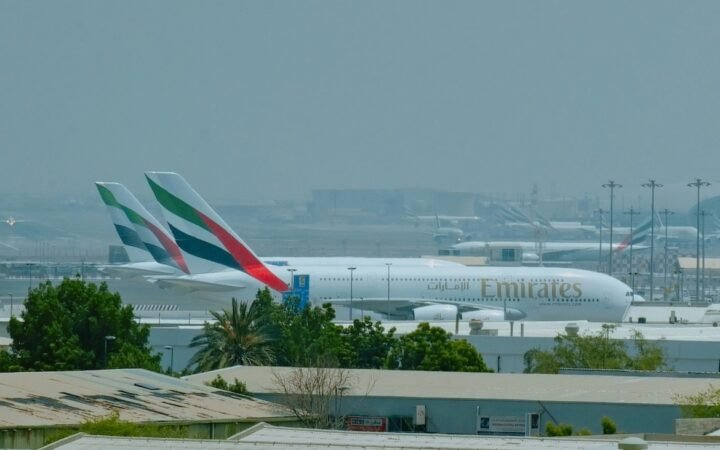
Another notable story is the rise of the United Arab Emirates, which continues to climb thanks to aggressive visa liberalization and international outreach. Over the past two decades, it has made one of the strongest upward moves in the index’s history, transforming its passport into a powerful global travel document.
Shifts, Declines, and the Global Mobility Gap
While many countries have expanded access, others are moving in the opposite direction. The United Kingdom has experienced one of the steepest year-on-year declines, losing visa-free access to several destinations. The United States, now ranked tenth, has regained a spot in the top 10 but continues a longer-term downward trend compared to its position two decades ago.
At the bottom of the index, countries such as Afghanistan, Syria, and Iraq face severe restrictions, illustrating a widening gap between the most and least mobile populations. In total, the difference between the strongest and weakest passports now spans more than 160 destinations, a stark reminder that freedom of movement remains unevenly distributed.
The World’s Most Powerful Passports for 2026
- Singapore (192 destinations)
- Japan, South Korea (188)
- Denmark, Luxembourg, Spain, Sweden, Switzerland (186)
- Austria, Belgium, Finland, France, Germany, Greece, Ireland, Italy, Netherlands, Norway (185)
- Hungary, Portugal, Slovakia, Slovenia, United Arab Emirates (184)
- Croatia, Czech Republic, Estonia, Malta, New Zealand, Poland (183)
- Australia, Latvia, Liechtenstein, United Kingdom (182)
- Canada, Iceland, Lithuania (181)
- Malaysia (180)
- United States (179)