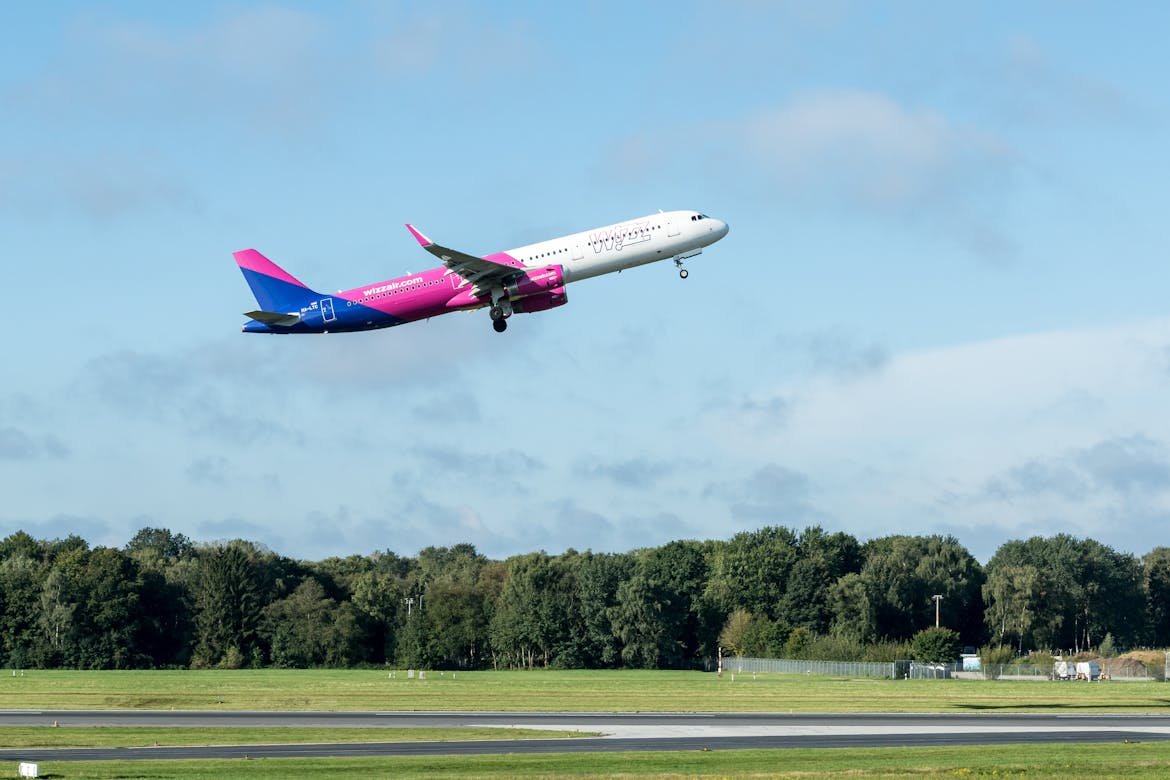

Wizz Air, one of Europe’s fastest-growing low-cost carriers, has taken a strategic step to boost its market reach by partnering with Travelfusion, a leading global flight content aggregator. This alliance allows Wizz Air to distribute its flight content more broadly – posting fares directly into travel agencies, online travel websites, corporate booking tools (OBTs), and travel management companies (TMCs). The move significantly increases the airline’s visibility among both everyday travelers and business clients, ensuring competitive low fares are accessible through a wider range of booking channels.
Opening New Channels: From Agencies to Corporate Portals
Historically, Wizz Air’s distinctive low-cost fares were primarily available through its proprietary platform, making direct booking the default route for customers. However, the Travelfusion partnership flips the script by embedding Wizz Air’s content across agency interfaces and corporate booking systems. Travel agencies and OTAs can now compare and book Wizz Air fares alongside other carriers, streamlining the search and purchase process.
For the corporate sector, this integration brings significant benefits: businesses can now include Wizz Air’s competitive pricing within their managed travel policies. Companies that rely on OBTs and TMC platforms will gain access to Southwest’s low fares bundled with easy expense tracking, cost control, and flexibility – important in today’s budget-conscious corporate environment.
Strategic Impacts: Broader Reach and Leaner Operations
This partnership has dual strategic value. On one side, Wizz Air gains access to markets and client segments that previously needed targeted marketing efforts to reach – especially corporate customers and fare-conscious travelers using multiple OTA platforms. On the other, Travelfusion strengthens its portfolio by adding rich low-cost content from a leading European airline.
From an operational standpoint, this collaboration enables efficient scaling without proportional increases in customer service or distribution costs. Agents and corporate platforms will handle bookings while Wizz maintains streamlined pricing and policy consistency. This translates to growth in ancillary income from services like baggage or seat selection, driven by volume rather than direct retail.
Industry watchers see this move as emblematic of broader trends: low-cost carriers seeking partnerships over direct exclusivity, and travel tech companies building bridges between disparate players. The outcome: wider fare exposure, better service access, and enhanced traveler choice – all with the hallmark flexibility Wizz Air is known for.