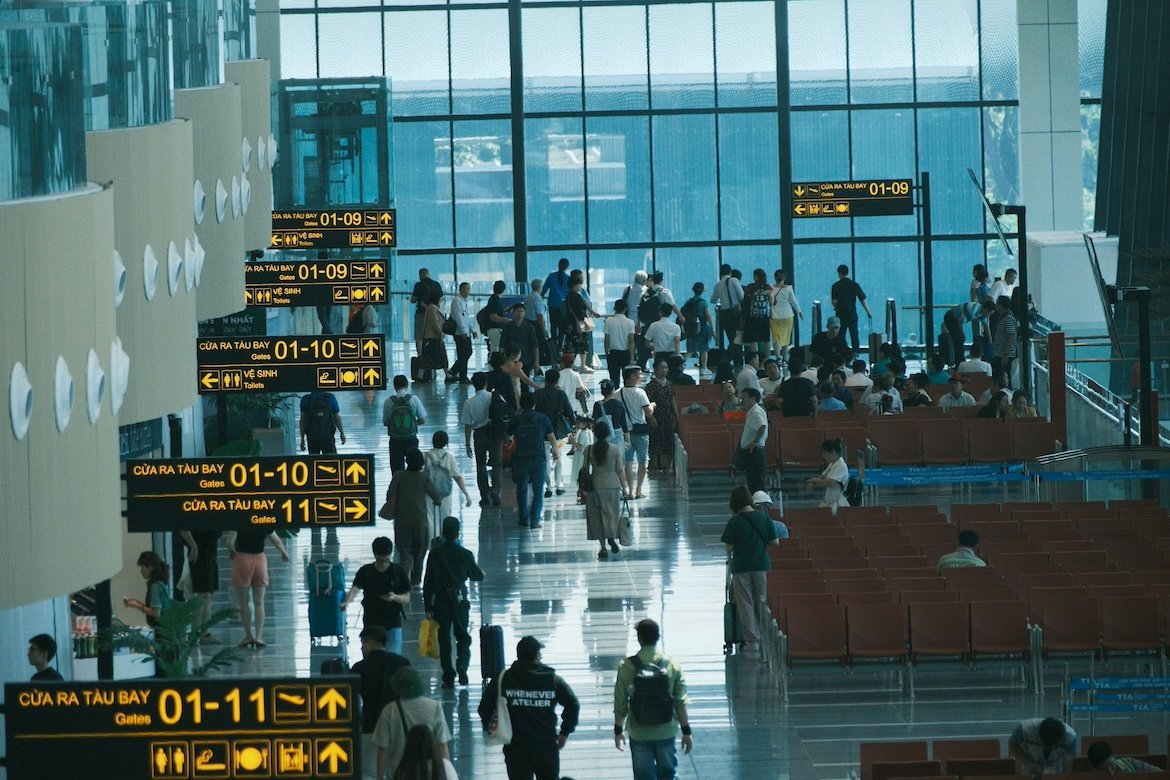
Vietnam is preparing to usher in a major modernization of its air travel system starting December 1, 2025. Under a new directive, most air travellers will be required to use biometric authentication and digital identification through Vietnam’s national VNeID app or self-service kiosks.
Only passengers with checked baggage or those needing special assistance will continue to use manned airport counters. This change aims to simplify and speed up the airport experience while strengthening security.
The rollout is part of Directive No. 24, a government-initiated effort to integrate technology into Vietnam’s travel infrastructure. The plan is being coordinated across ministries, including Public Security, Finance, and Construction, along with airport and airline operators.
Airports in major cities such as Hanoi and Ho Chi Minh City are leading the initial phase of deployment, with full implementation expected before the end of the year. Installation of biometric kiosks and digital ID verification technology is being fast tracked to meet the December deadline.
What Travellers Should Expect
Under the new system, travellers will be encouraged to register their biometric data in advance – either through the VNeID app or at registration stations at airports during a transition period. Once registered, passengers who do not have checked bags and who don’t require special services will navigate check-in, security, and boarding using kiosks or biometric gates. This is intended to drastically reduce queue times, especially during peak hours or at busy airports. However, travellers will need to be familiar with the VNeID app and comfortable sharing biometric data like facial recognition or fingerprint scans.
For those who still carry checked baggage or fall into special categories – elderly, disabled, or with oversized luggage – the traditional process at staffed counters remains in place. The country is also expanding the system’s use beyond airports: major railway stations, parking facilities in larger cities, and other transport hubs will adopt digital identity tools as part of the broader mobility network. To ease the transition, authorities and airlines are expected to offer guidance, signage, and perhaps incentive programs for early adopters.
Benefits, Challenges, and Broader Impact
This transition carries several clear benefits. For travellers, faster processing, fewer manual document checks, and reduced time spent in lines will significantly improve comfort and predictability. For airports and airlines, reduced staffing pressure at counters, more efficient use of security lanes, and streamlined procedures can improve operational performance. Security is also expected to improve, as biometric checks reduce the risks of identity fraud.
Still, this modernization is not without challenges. Digital literacy will matter – a number of travellers may be unfamiliar with using digital ID apps or understanding biometric procedures. Ensuring data privacy, encryption, and user consent will be critical, especially given the use of personal biometric and identity data. Airports and government agencies will need to manage technical glitches, system downtimes, and ensure backup processes remain robust. There is also a short window for implementation, which may lead to confusion or longer waits during the early phases when the new system is being adopted.
Overall, Vietnam’s move to require digital IDs and biometric check-in marks an important step toward modern air travel. For passengers it promises smoother affairs at airports; for the country, it signals a drive toward digital infrastructure leadership. Those planning travel to or within Vietnam from December onward should plan ahead by getting their VNeID app set up, registering any required biometric data, and arriving a bit earlier during the first few weeks of implementation.