The U.S. travel industry is reeling as the ongoing government shutdown continues to strain the economy, with losses surpassing $1 billion and rising daily. According to the U.S. Travel Association, the prolonged halt in federal operations has disrupted everything from airport security staffing to the management of national parks, directly hitting both domestic and international tourism.
Business travel has been one of the hardest-hit sectors, as uncertainty around federal operations affects conferences, meetings, and corporate travel plans. Many travelers are postponing or canceling trips altogether due to fears of flight delays, reduced air traffic control capacity, and limited federal support services. Leisure travel has also taken a major blow, with popular attractions, monuments, and visitor centers remaining closed or only partially operational.
The ripple effect extends far beyond travelers. Hotels, restaurants, and local businesses that depend on steady tourist activity are seeing sharp declines in revenue. Industry analysts warn that if the shutdown persists, the damage could compound rapidly, especially as the fall travel season approaches its peak. U.S. Travel Association President and CEO Geoff Freeman emphasized that each passing day without resolution drains millions from the economy and erodes confidence in the country’s reliability as a global destination.
Recently, we reported on how the government shutdown threatens to disrupt flights, parks, and the broader tourism sector – and these concerns have now become a harsh reality. Air traffic control centers are operating under immense pressure, with limited staffing and growing fatigue among essential workers.
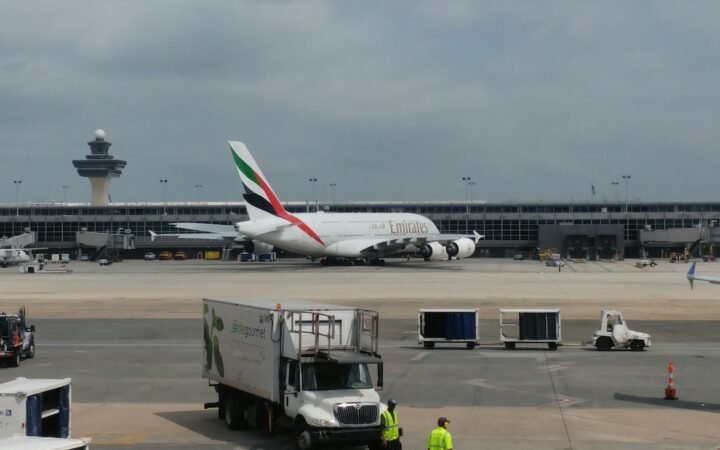
Travelers are experiencing longer wait times, unexpected delays, and reduced customer service at major airports. National parks, a key draw for both domestic and foreign tourists, are operating with minimal personnel, leading to closures, safety issues, and environmental concerns.
Beyond the travel industry itself, economists warn that the impact of these losses may extend to other sectors, affecting employment and state-level tax revenues. Destinations that rely heavily on federal operations – such as Washington D.C., national park regions, and cities dependent on conference travel – are seeing the steepest declines. Meanwhile, airlines and hospitality companies are attempting to reassure passengers with flexible booking policies, though many travelers remain hesitant to plan new trips until the shutdown ends.
The longer the stalemate continues, the greater the risk that the economic fallout will outlast the shutdown itself. The $1 billion mark may only be the beginning of a much larger financial setback for one of America’s most vital industries. For now, the travel community is left waiting for resolution, hoping federal leaders act quickly to restore stability to an already fragile recovery.