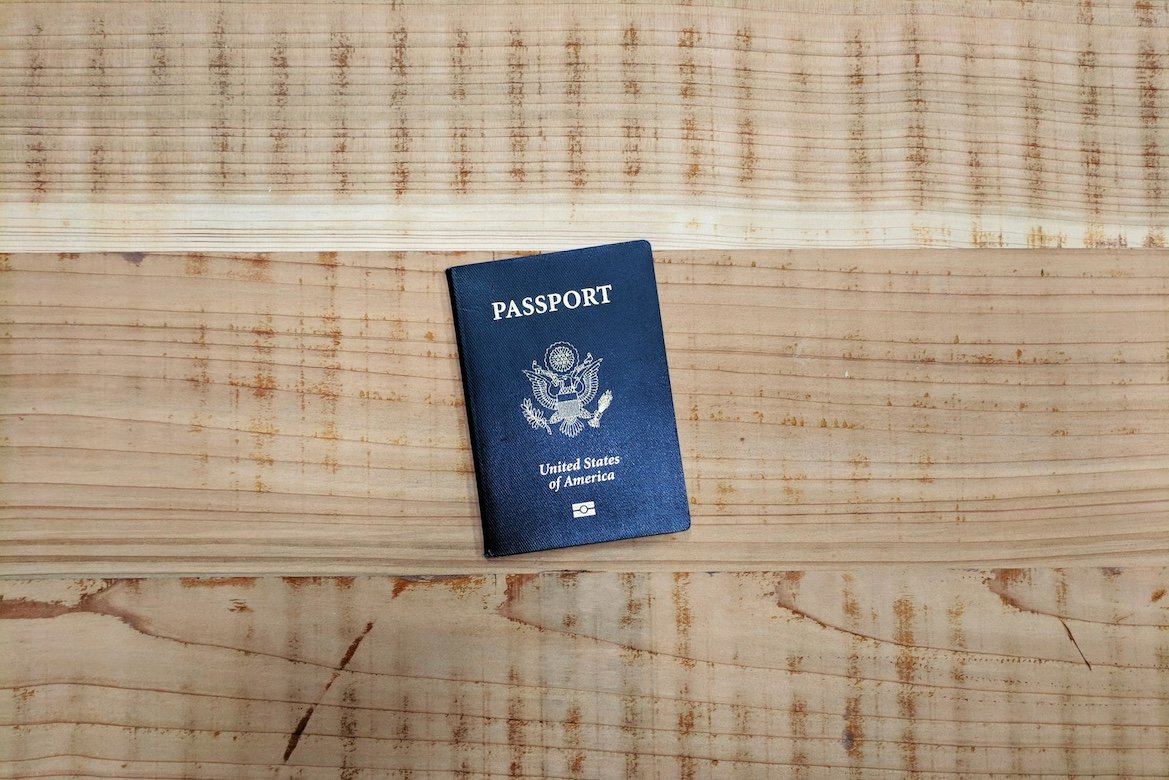

For decades, the United States has taken a relatively flexible approach to dual citizenship, allowing Americans to legally hold more than one passport. That long-standing norm may soon face its most serious challenge yet. A newly introduced Senate bill proposes a dramatic shift in how citizenship is defined, potentially forcing millions of Americans to choose a single nationality.
The legislation, titled the Exclusive Citizenship Act of 2025, was introduced by Bernie Moreno, a Republican senator from Ohio. The bill would require U.S. citizens to pledge “sole and exclusive allegiance” to the United States, effectively ending the ability to hold dual citizenship. If passed, Americans who currently hold another nationality alongside U.S. citizenship would be given a limited window to decide which passport to keep.
Under the proposal, existing dual citizens would have one year from the law’s effective date to make a choice. Those who opt to remain U.S. citizens would be required to formally renounce their foreign citizenship. Those who choose to retain their other nationality would automatically lose their U.S. status. The bill also applies prospectively: Americans who acquire a second citizenship after becoming U.S. citizens would be considered to have relinquished their American citizenship by default.
A Sharp Break From Longstanding U.S. Policy
Supporters of the bill frame it as a matter of loyalty and national identity. In public statements, Moreno has argued that citizenship should be an “all or nothing” commitment, suggesting that dual nationality can create conflicts of interest or divided allegiances. The bill’s language reflects this stance, emphasizing the preservation of a singular national identity.
This marks a sharp departure from current U.S. practice. While American law requires citizens to use a U.S. passport when entering or leaving the country, it does not prohibit holding another nationality. Millions of Americans are dual citizens due to birth abroad, foreign-born parents, marriage, or long-term residence overseas. In an increasingly globalized world, dual citizenship has become a practical reality for families, professionals, and retirees who maintain ties across borders.
Today’s dual citizens already navigate complex obligations. They may be subject to tax rules, military service requirements, or legal duties in more than one country. Travel itself can involve careful passport management, using a U.S. passport for American border crossings and another passport abroad. While sometimes cumbersome, this system has been widely accepted and legally supported.
If enacted, the Exclusive Citizenship Act would introduce significant administrative and personal consequences. Federal agencies would have 180 days after enactment to establish enforcement mechanisms, including tracking compliance and reclassifying citizenship status. Legal challenges would almost certainly follow, given the bill’s sweeping implications.
For now, the proposal does not alter existing law. But it has already ignited a broader debate about identity, loyalty, and mobility in a country shaped by immigration. For travelers, expatriates, and globally connected Americans, the stakes are deeply personal – raising questions about what it means to belong in a world where borders are increasingly crossed, but citizenship may become more rigid.