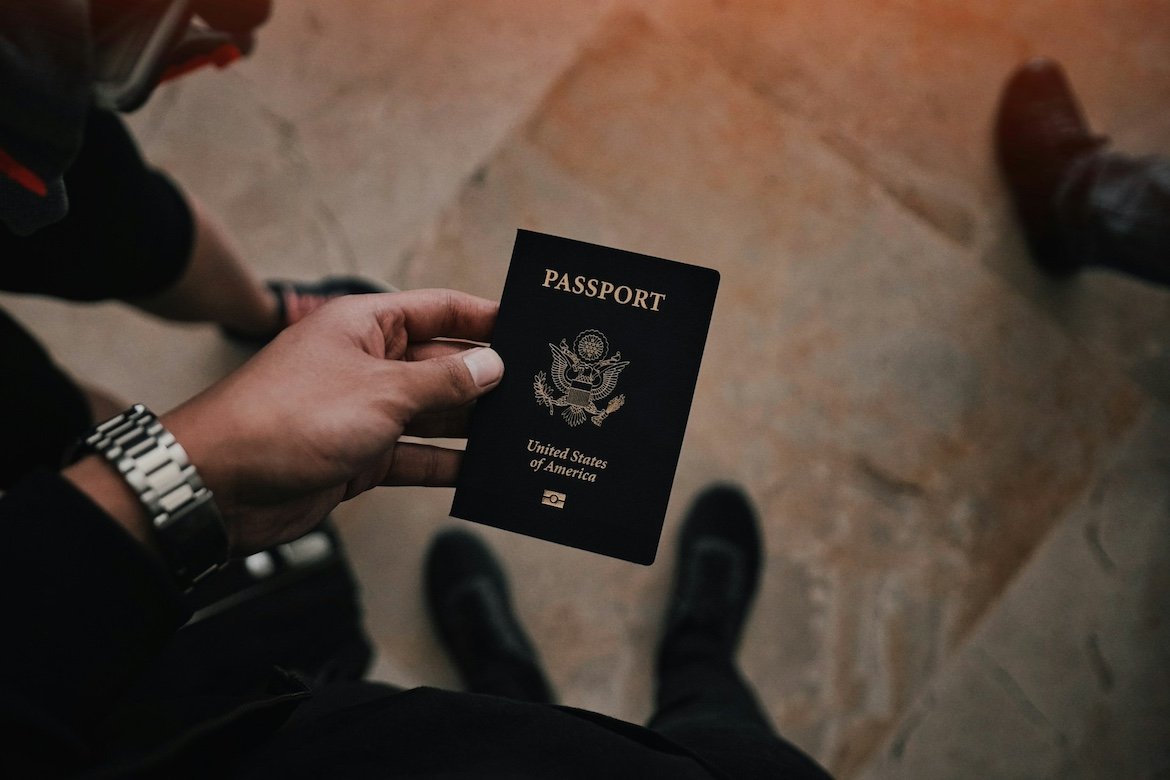

For the first time in over a decade, the United States passport has fallen out of the world’s top 10 most powerful travel documents, according to the latest global rankings. The Henley Passport Index, which measures how many countries passport holders can enter without a visa, shows that U.S. travelers now enjoy visa-free access to 182 destinations, compared to 194 for the top-ranking countries.
The drop reflects the growing strength of Asian and European passports, which continue to dominate global mobility. France, Germany, Italy, Japan, and Singapore share the top position in the 2025 index, with visa-free access to 194 destinations worldwide. Meanwhile, countries such as Spain, South Korea, and the Netherlands also remain firmly in the top tier, underscoring how Europe and Asia have sustained their lead in travel freedom.
Experts say the U.S. decline is due to stagnation in expanding visa-free agreements and growing geopolitical complexities. Although the American passport remains one of the most recognized in the world, it has not kept pace with nations that actively negotiate reciprocal travel arrangements.
Global Mobility Shifts
The latest rankings reflect how international travel has evolved in the post-pandemic era. Countries with strong diplomatic networks and stable bilateral relations are benefiting from expanded travel access, while others face new barriers due to shifting political dynamics.
Japan and Singapore, which have long dominated the rankings, continue to offer travelers some of the most extensive visa-free options. European countries such as France, Germany, and Italy also maintain their status thanks to the strength of the Schengen Area, which simplifies travel within much of the continent.
By contrast, the United States’ gradual slide from the top is seen by analysts as part of a broader realignment in global influence. The decline coincides with tighter visa requirements for certain regions and a more cautious diplomatic approach. In practical terms, it means fewer seamless travel opportunities for U.S. citizens, especially compared to frequent flyers from Europe or Asia.
What the Rankings Reveal
The Henley Passport Index, compiled by London-based investment migration firm Henley & Partners, ranks 199 passports based on International Air Transport Association (IATA) data. It serves as a benchmark for global mobility, often seen as an indicator of diplomatic reach and international cooperation.
While the U.S. passport remains strong relative to most of the world, its drop to 11th place marks a symbolic shift. It trails behind nations such as Sweden, Finland, and South Korea, and ties with Australia and Canada, both of which continue to expand their visa-free access.
The changes highlight an increasingly competitive landscape, where diplomatic relationships and global connectivity shape travel freedom. As more countries sign mutual visa-waiver agreements, the mobility gap between regions could widen further, emphasizing the geopolitical dimension of travel.
For many travelers, the practical impact may be limited – U.S. citizens still have easy access to most major destinations – but the symbolic loss of “top 10” status underscores a changing global order. In an era defined by diplomacy, security, and soft power, the passport has become more than just a travel document – it’s a reflection of how nations engage with the world.