
Britain is preparing for what authorities and transport operators say will be the busiest Christmas travel getaway ever recorded, as millions of people take to the roads, railways, and airports in the days leading up to Christmas.
With leisure trips peaking and vital infrastructure work scheduled during the quieter holiday window, travelers are being urged to plan carefully, check journeys in advance, and allow extra time for delays.
Rail and road networks are facing particular strain this year. Network Rail has scheduled extensive engineering and improvement works across the country, using the festive period to upgrade some of the busiest sections of track. While these projects aim to deliver long-term reliability, they will cause widespread disruption in the short term.
Several major London stations are affected, including full closures and reduced timetables at key hubs, forcing passengers onto replacement buses or alternative routes. Services between London and parts of Scotland will also be impacted for several weeks, adding complexity for long-distance holiday travel.
Rail and Airport Pressure Builds
Passengers traveling by train are being advised to double-check timetables and seat availability, especially on peak days such as the Saturday before Christmas and Christmas Eve.
Rail operators expect millions of journeys over the festive period, with some routes seeing higher demand than last year despite reduced services. Transport officials emphasize that these works are essential and normally impossible to complete during regular operating periods, but acknowledge the inconvenience to holiday travelers.
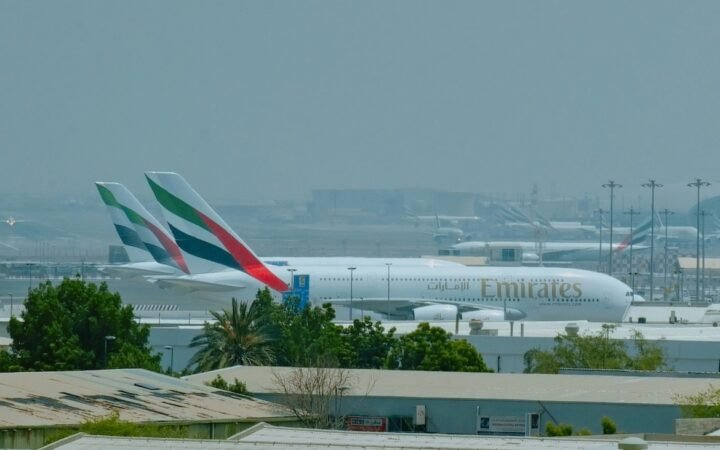
Airports, meanwhile, are also bracing for unprecedented volumes. December passenger numbers are forecast to surpass last year’s record, with flying on Christmas Day becoming increasingly popular. Heathrow, Manchester, Gatwick, and Edinburgh airports are all expecting some of their busiest days on record, even as flight schedules operate at reduced capacity on Christmas Day itself.
Airport authorities have advised travelers to arrive early, check in online where possible, and be mindful of security rules, particularly when traveling with wrapped gifts.
Roads Face Record Congestion
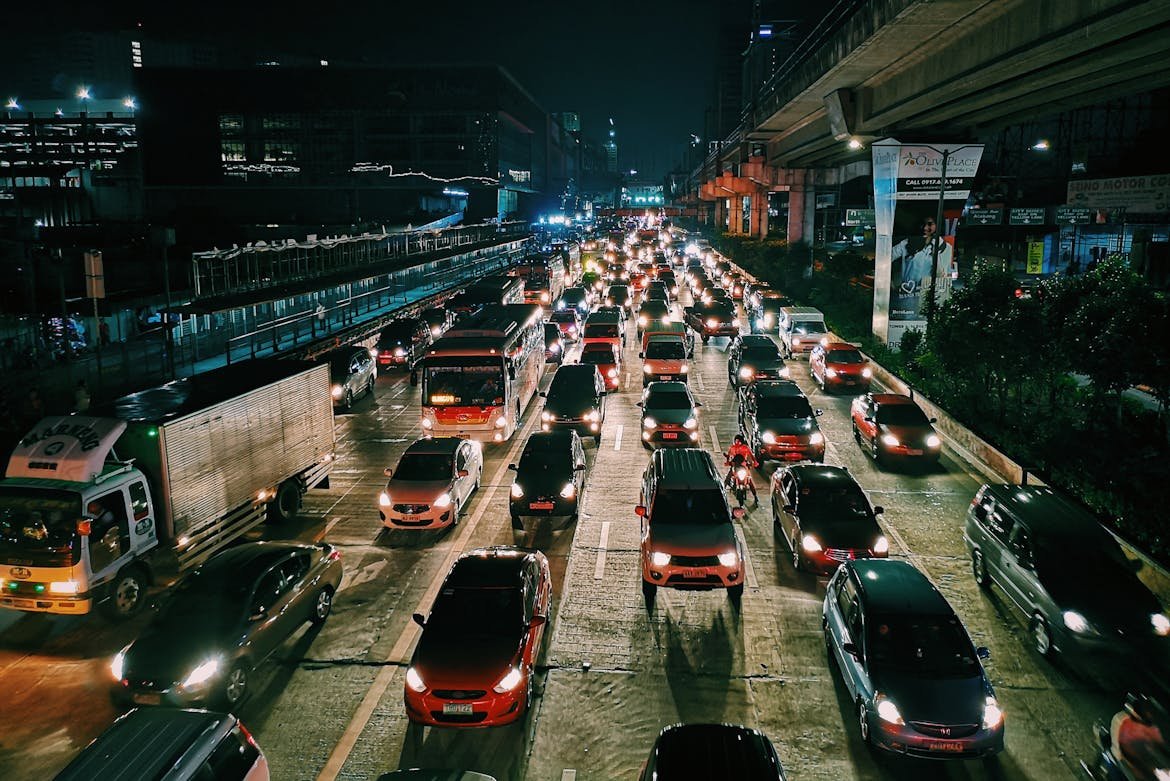
The road network is expected to bear the heaviest load of all. Motoring organizations estimate that more than 37 million car journeys will take place in the week leading up to Christmas Eve, the highest figure since records began over a decade ago.
Peak congestion is forecast during late morning through early evening hours, particularly around motorway interchanges, retail hubs, and airport access roads. Major routes such as the M25, M1, M6, and M27 are expected to experience significant delays, with some motorway closures in place for planned works.
Traffic experts warn that even relatively short journeys could take much longer than usual, as most festive trips are under 100 miles and tend to converge on the same hotspots.
Drivers are being advised to carry essentials, keep fuel or battery levels topped up, and remain patient during unavoidable delays. Ports, including Dover, are also expecting a surge in outbound traffic, with ferry crossings up sharply compared to last year.
Despite the challenges, authorities stress that careful planning can make a meaningful difference. Checking live traffic updates, avoiding peak travel windows, and building extra time into itineraries could help travelers navigate what promises to be a hectic but memorable Christmas getaway.